Call:+86-571-82912975
 https://www.dkyarn.com
 English
 中文简体
中文简体
White/Brown/Green 150D/48F DTY Yarn 99.99% Polyester AA Grade Eco-friendly Yarn ...
See Details

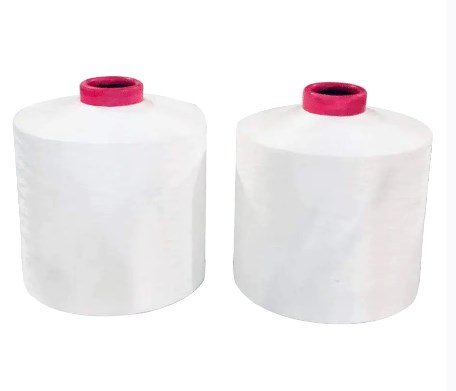
As the global textile industry continues to evolve, draw texturing yarn has become a leading fiber material offering functionality, comfort, and fashion. As a key step in the deep processing of synthetic fibers, it combines mechanical and thermal treatments to impart the bulk and elasticity of natural fibers to ordinary filaments, making them widely used in apparel, home textiles, and industrial applications.
I. Formation Principles and Process Characteristics of Draw Texturing Yarn
Draw texturing yarn is primarily made from polyester (such as PET), nylon, or polypropylene. Through stretching and texturing, unoriented yarns are transformed into high-performance fibers with a crimped structure. The production process typically includes heating, stretching, false twisting, and setting. By controlling the stretch ratio and temperature, the molecular chains are rearranged in a specific orientation, resulting in a more stable internal fiber structure and a natural crimped surface, resulting in excellent elasticity and a soft feel.
False twist texturing technology plays a key role in this process. By applying a specific mechanical twist and heat setting to the yarn, a durable spiral crimp structure is formed on the fiber surface. When tension is released, the fiber exhibits a fluffy, three-dimensional feel and high resilience. This unique structure distinguishes Draw Texturing Yarn from ordinary filament yarn, allowing it to be more adaptable and versatile in weaving.
II. Performance Advantages: A Balance of Functionality and Aesthetics
High-quality Draw Texturing Yarn not only resembles natural fibers in appearance but also achieves significant breakthroughs in performance. Its key characteristics are excellent elasticity, moisture wicking and breathability, and exceptional weaving adaptability. Due to its high molecular orientation and stable structure, the finished fiber quickly returns to its original shape after stretching, ensuring the fabric's form stability and wear comfort.
Draw Texturing Yarn has a uniquely smooth and lofty feel. This feel is achieved by the three-dimensional space created by the crimped fibers, which effectively increases the air space, enhancing warmth and breathability. Furthermore, it exhibits excellent wrinkle and abrasion resistance, ensuring the fabric maintains a smooth appearance even after frequent use and washing.
This is accompanied by extremely high workability. Whether knitted, woven, or blended, Draw Texturing Yarn maintains stable physical properties and can be tailored to suit different applications, including gloss, coarseness, and dyeing properties, offering a broader range of creative possibilities for textile designers.
III. Expanding Applications
With the diversification of the consumer market, Draw Texturing Yarn's applications have expanded far beyond traditional apparel. It has demonstrated strong market competitiveness in sportswear, yoga wear, lingerie, and home textiles. The fiber's high elasticity and quick-drying properties make it an ideal material for functional apparel, particularly in high-stretch knits and comfortable sports fabrics.
In the home textile sector, fabrics made from Draw Texturing Yarn offer both softness and durability, making them suitable for bedding, curtains, and sofa fabrics, adding a touch of texture to homes. Its advantages of stable structure and controllable properties are also gaining widespread recognition in high-end applications such as industrial fabrics, automotive interiors, and medical textiles.
With the growing awareness of environmental protection, many manufacturers are beginning to incorporate recycled polyester into Draw Texturing Yarn production, developing environmentally friendly DTY products. This regenerated fiber not only reduces the consumption of petrochemical resources but also meets the global textile industry's demand for sustainable development, providing new market opportunities for brands and manufacturers.
IV. Technological Innovation and Intelligent Trends in DTY Production
Modern draw textile yarn production has gradually transitioned from traditional mechanization to automation and intelligentization. Through precise temperature control systems and tension adjustment technologies, production equipment optimizes the fiber's molecular structure at the microscopic level, achieving highly uniform and stable yarn output. The introduction of intelligent monitoring systems makes the entire production process more efficient and energy-efficient, reducing errors caused by manual intervention.
Digital management and data tracking are becoming the new standard in DTY factories. Real-time monitoring and feedback of production data help companies optimize processes and control quality. Furthermore, the application of new environmentally friendly oiling agents and low-energy heating systems has significantly reduced production energy consumption, providing technical support for the textile industry's green transformation.
A Key Force Leading Textile Innovation
As a core material in the modern textile industry, draw textile yarn is driving the transformation and upgrading of the industry with its outstanding technical performance and broad application potential. From fiber structure optimization to intelligent production and green sustainable development, DTY is no longer just a fiber product; it's an innovative force leading the future of textiles.
With the deep integration of new material technologies and environmental protection concepts, Draw Texturing Yarn is poised to occupy an even more prominent position in functional textiles, eco-friendly textiles, and high-end fashion, injecting continuous innovation into the global textile industry.
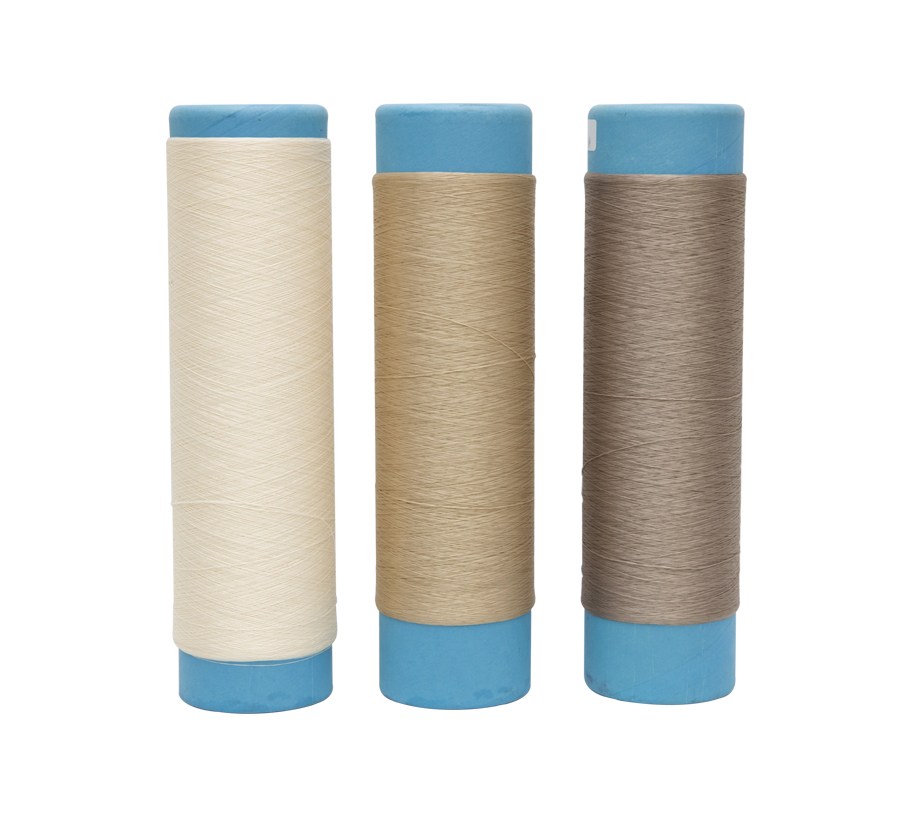
White/Brown/Green 150D/48F DTY Yarn 99.99% Polyester AA Grade Eco-friendly Yarn ...
See Details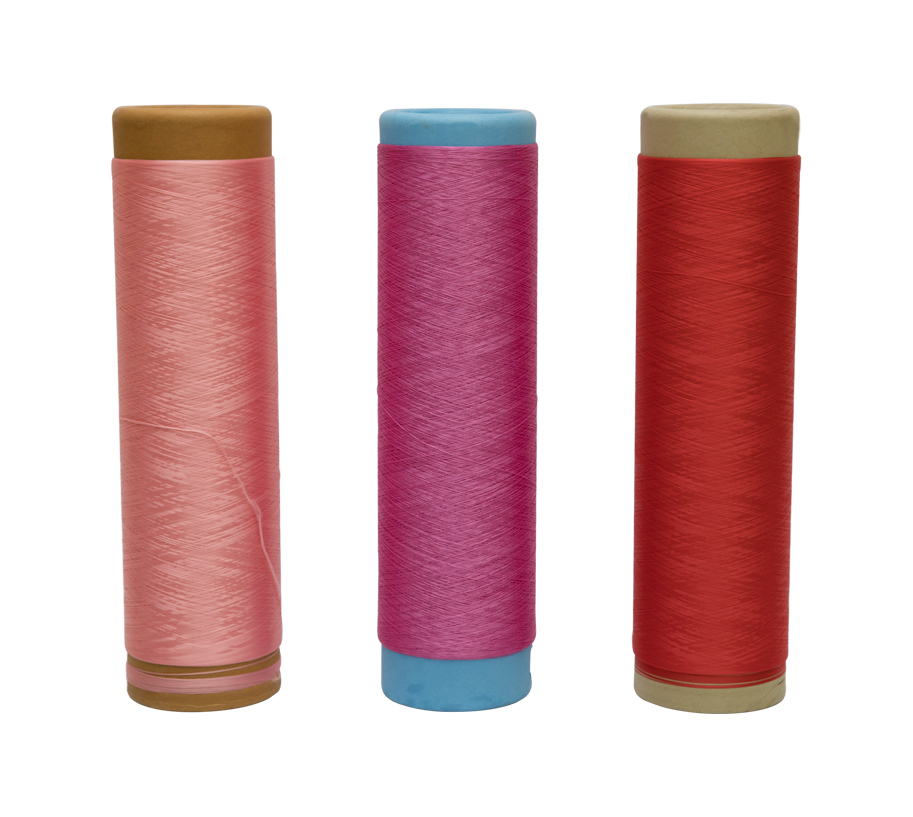
Pink/Rose Red/Red China 150D/48F Dty Polyester Yarn High Strength AA Grade Textu...
See Details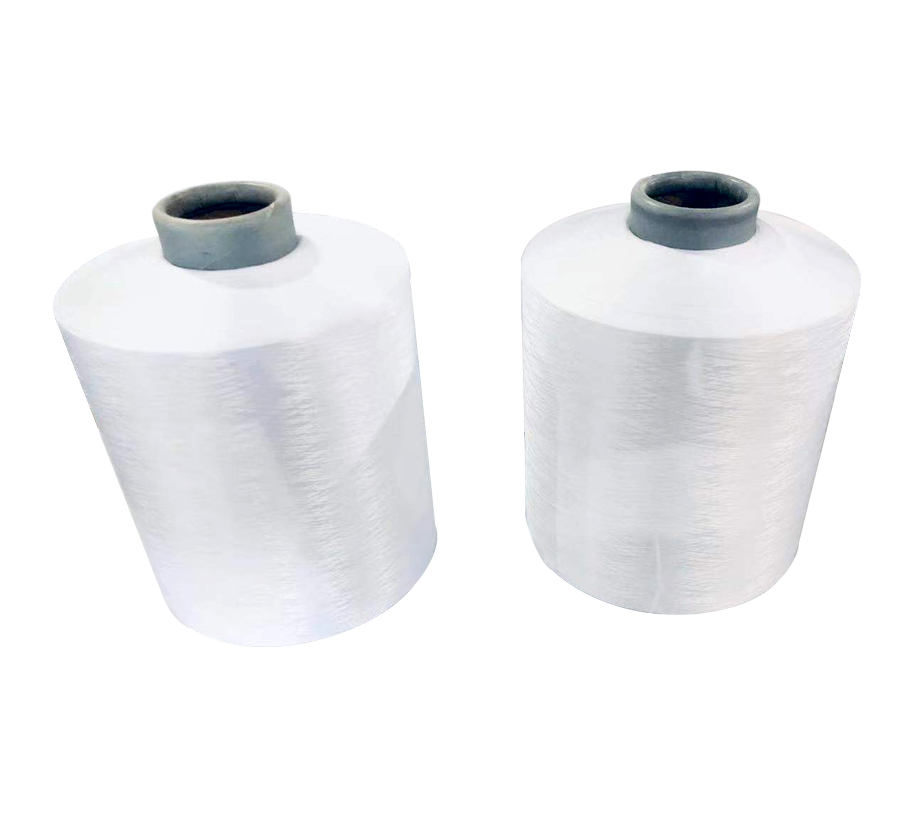
Anti-Bacteria 300D/96F S+Z HIGH ELASTIC Polyester Yarn Yarn Count: 300D/96F Colo...
See Details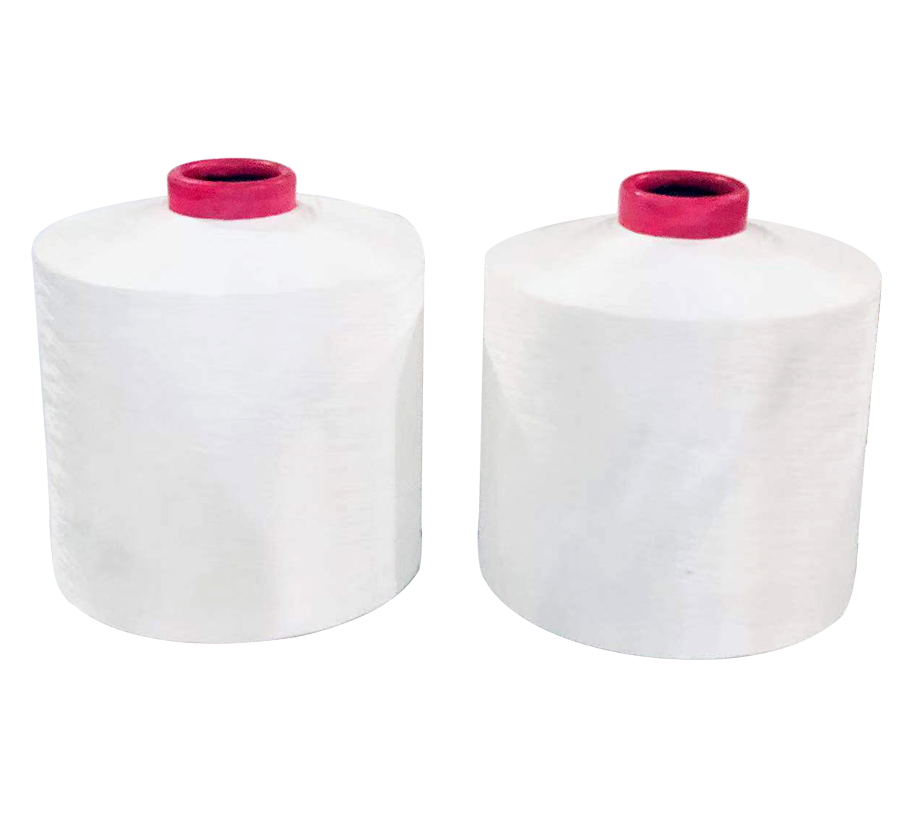
Yarn Count: 600D/192F SD RW HIM Draw Texturing Yarn Size: 600D/192F Twist: S+Z C...
See Details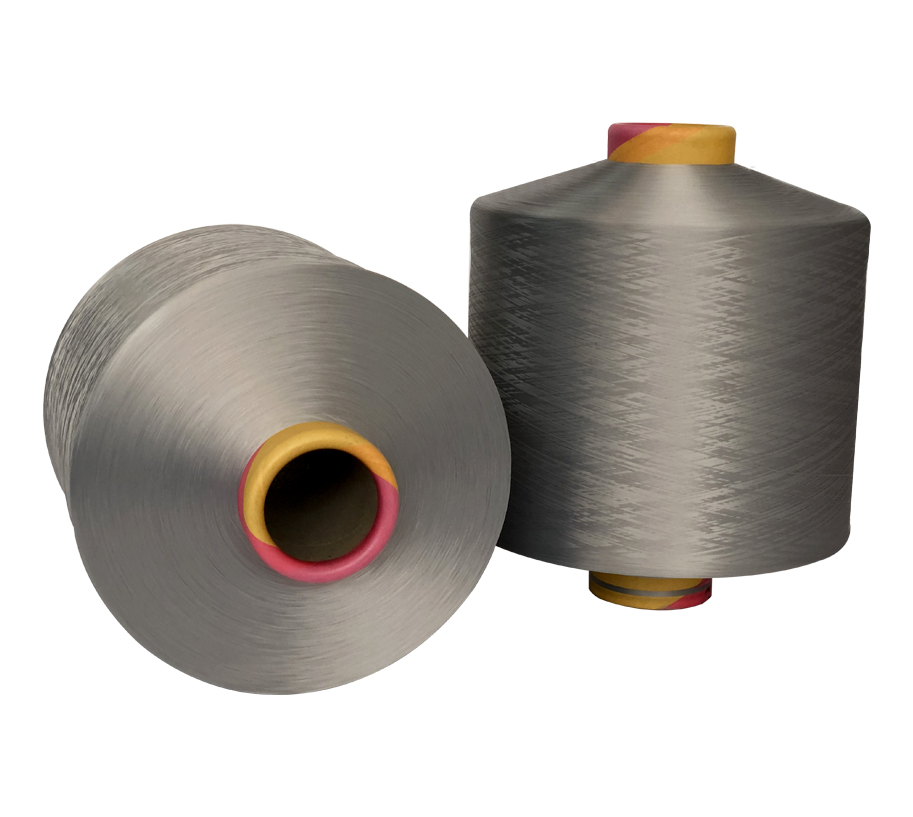
New Style 300d Gray 99.99% Polyester Yarn Eco-friendly OEM DTY Polyester Yarn St...
See Details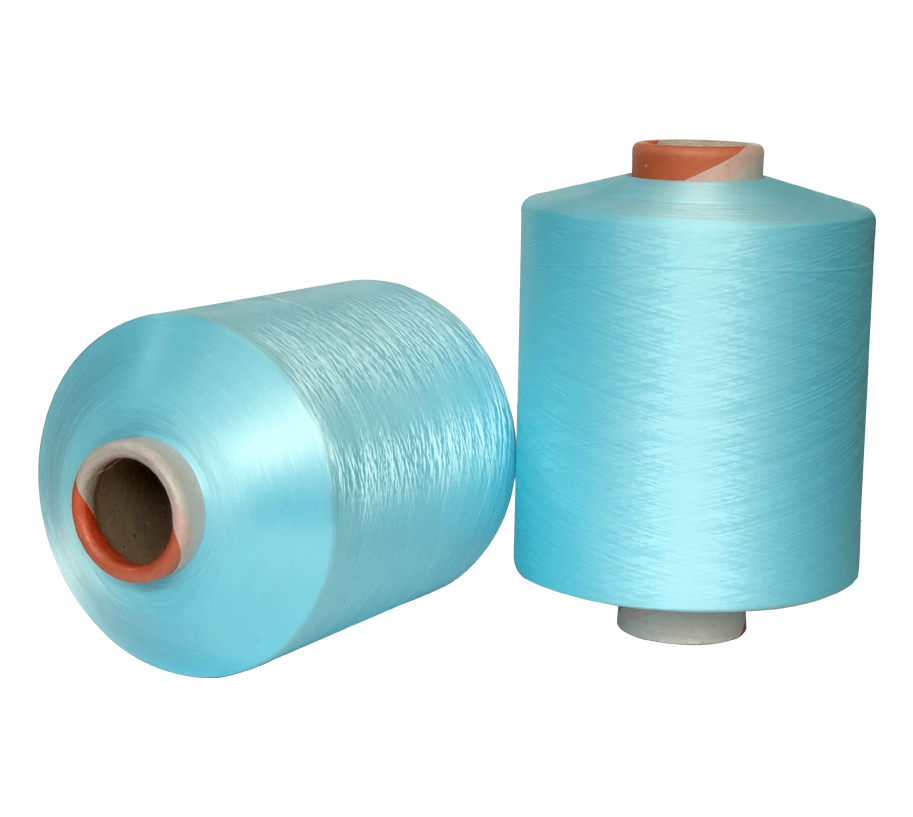
High Elastic 300D Magnolia Blue 99.99% Polyester Yarn for Weaving and KnittingCo...
See Details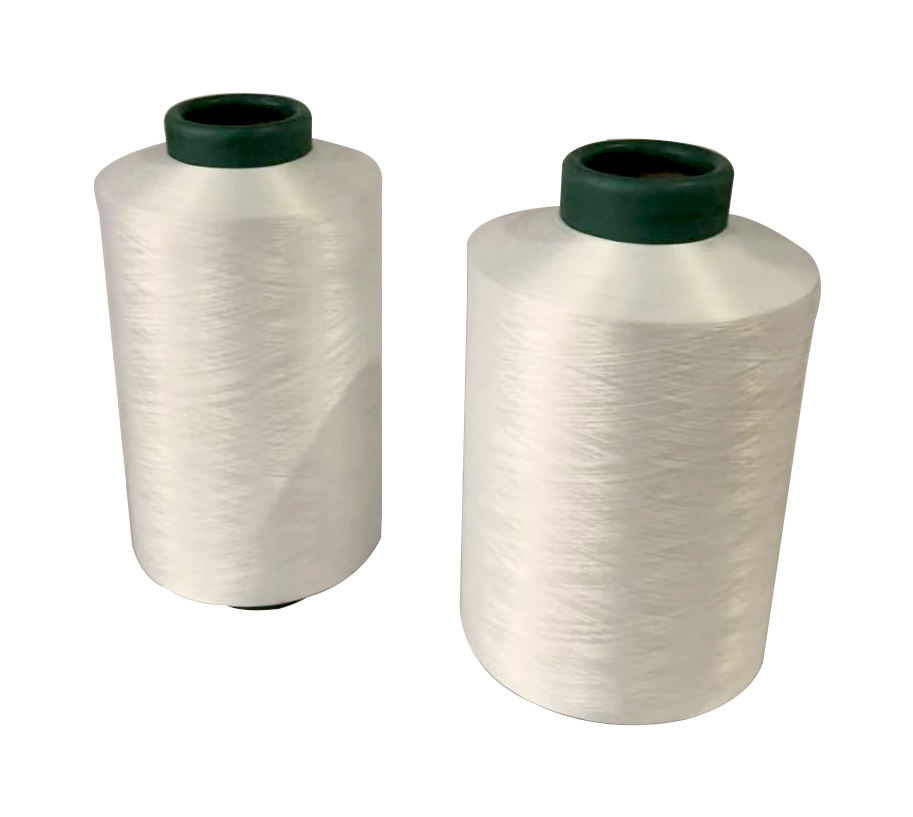
200D/96F RW NIM Polyester Yarn Name: 200D/96F RW NIM Polyester Yarn Color: White...
See DetailsCopyright © Hangzhou Dingkai Chemical Fibre Co., Ltd. All Rights Reserved.
Wholesale China Polyester DTY Yarns Factory