 Call:+86-571-82912975
 https://www.dkyarn.com
 English
 中文简体


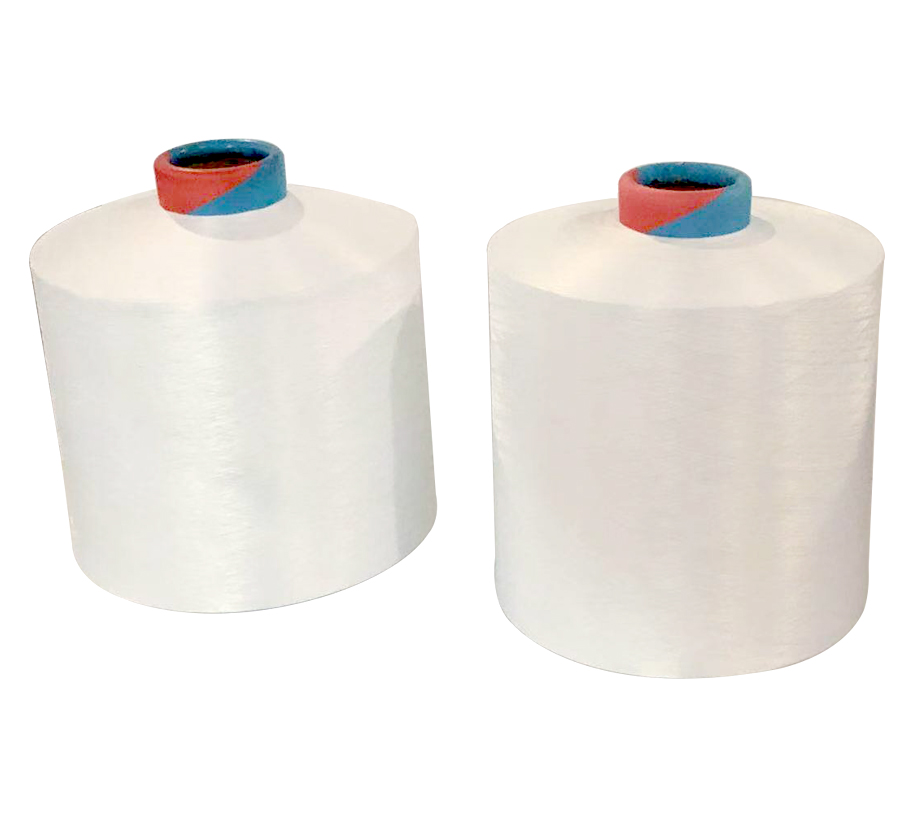
Take a 300D/96F flat filament and a same-denier draw-textured yarn, and run both through your fingers. The flat version feels smooth, hard and glassy; the textured version is springy, bulky and visibly crimped. So how does texturing improve polyester yarn? It changes bulk, elongation, covering pow...
read more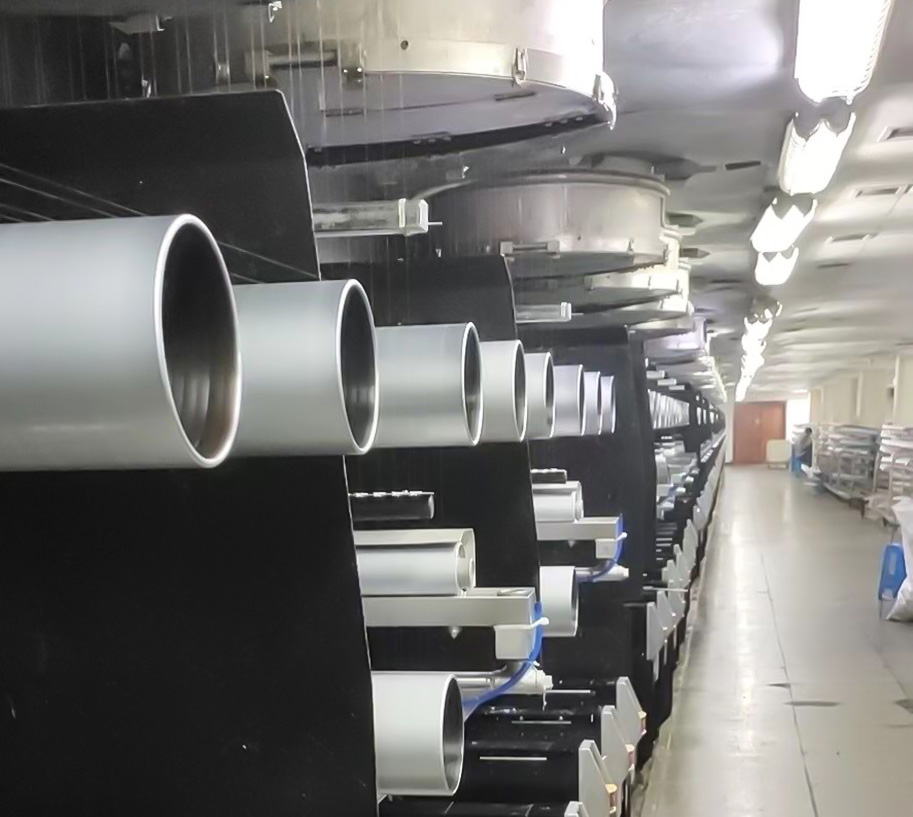
A knitting line that draws 20 tonnes of 150D/48F polyester a month will lose roughly 1.0 to 1.6 tonnes of it before a single metre of saleable fabric is rolled up. Very little of that loss comes from a machine fault. It is the sum of doff-tube remnants, stop tails, trial-run metres, off-spec cones...
read more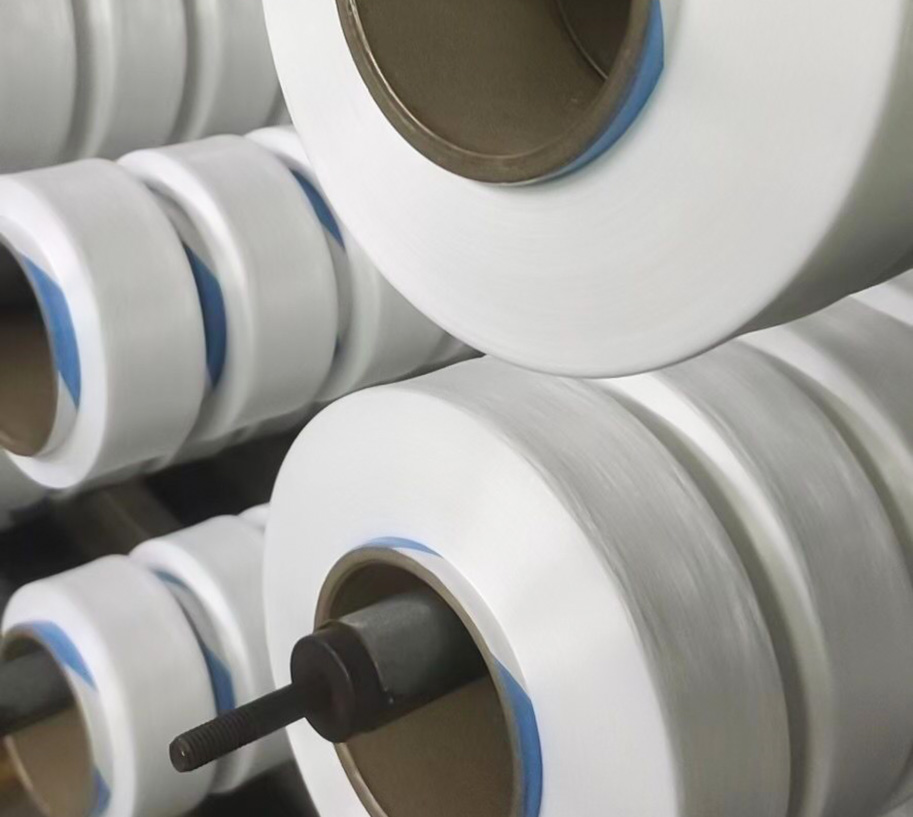
Improving yarn efficiency on a draw-texturing floor is mostly a job of removing breaks, not adding spindles. Clearing one filament break on a 600D/192F polyester DTY line takes five to eight minutes: stop the spindle, doff, re-thread, re-tie, check tension, restart. Repeat that forty times a shift...
read more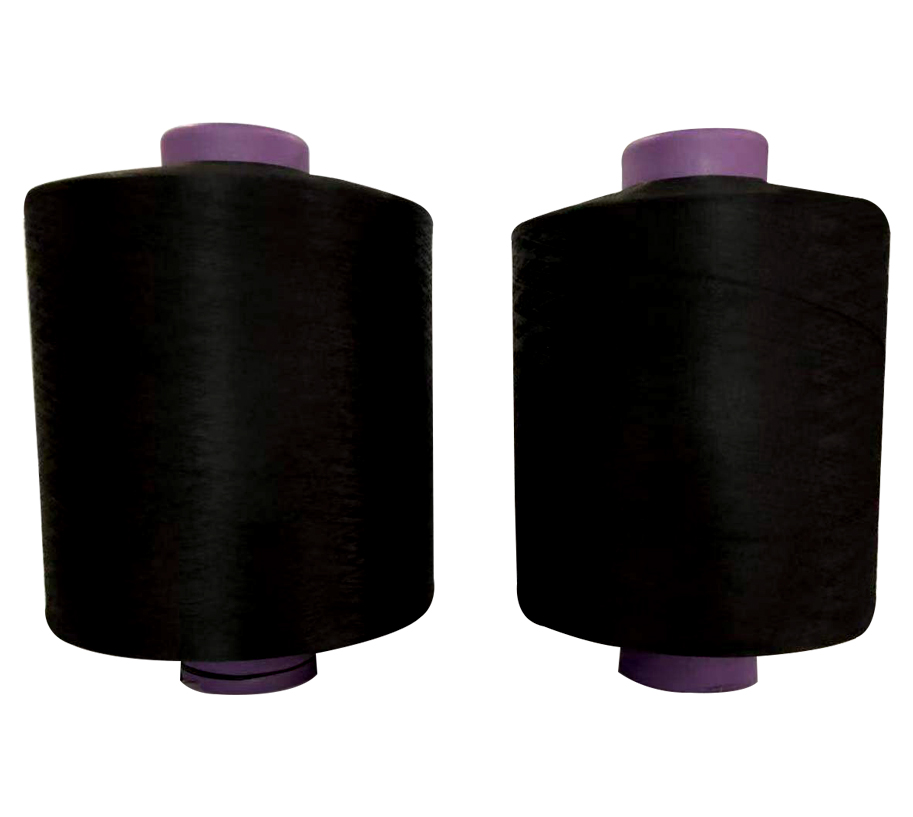
On a 28-gauge circular knitting machine with 96 feeders, a 150D/48F package is consumed in minutes, not hours, and a single filament that whips loose between the creel and the needle leaves a mark in the fabric. That operating reality is the short answer to how DTY yarn supports knitting applicati...
read more
A 150D/48F draw textured yarn and a flat 150D/48F filament yarn can sit on the same purchase order at the same denier, the same filament count and nearly the same price per kilogram. Woven into an identical plain weave, the textured version comes off the loom thicker, softer and with a crimp recov...
read more
Two swatches, one decision: a 140 gsm cotton poplin that soaks up a spill in seconds but creases the moment you pinch it, and a 65/35 poly-cotton that dries in half the time yet feels less cool against the skin. The gap between them is fiber physics, not marketing. Cotton holds 8.5 percent of its ...
read moreCopyright © Hangzhou Dingkai Chemical Fibre Co., Ltd. All Rights Reserved.
Wholesale China Polyester DTY Yarns Factory
