Call:+86-571-82912975
 https://www.dkyarn.com
 English
 中文简体
中文简体
Recycled 150D48F RW HIM Polyester Yarn Type: Polyester Yarn Pattern: Raw Technic...
See Details

In the international textile supply chain, "Polyester DTY Yarn Exporter" is increasingly becoming a keyword with significant search growth. As global textile manufacturing demands for high-performance, stable, and reliable raw materials, polyester low-elasticity yarn, with its controllable elasticity, softness, color stability, and adaptability to various weaving processes, is becoming one of the core raw materials for textile manufacturers.
Polyester low-elasticity yarn is a functional yarn produced through multiple post-processing steps such as stretching and texturing. Its internal structure undergoes dynamic twisting and false twisting during processing, giving the fiber a naturally crimped elastic state. This state allows DTY to maintain the strength, abrasion resistance, and stability of polyester while exhibiting a softer touch and fluffier feel closer to natural fibers. For textile companies that prioritize fabric feel, structure, and drape, DTY offers a dual value of functionality and comfort, making it widely favored in knitting, weaving, and elastic fabric manufacturing.
The adjustment of the draft ratio and crimp control during processing directly affect the stability and uniformity of the yarn. Export-grade DTY products often achieve higher standards in twist consistency, shaping uniformity, and lint control. This technological advantage results in a smoother fabric surface and more uniform color after dyeing, enhancing the overall quality of the finished fabric.
The most significant characteristic of low-elasticity polyester yarn is its consistent and stable elasticity during use, without relying on excessive blends of elastic fibers. The yarn's crimp structure creates natural gaps during weaving, improving breathability and resulting in a softer, more comfortable feel when worn. Simultaneously, DTY fibers exhibit excellent luster control, ranging from bright to semi-dull to fully matte, catering to diverse needs from sportswear to everyday garments, allowing for greater flexibility in fabric application. In terms of abrasion resistance, due to the strong physical stability of polyester itself, DTY finished fabrics are more durable and less prone to deformation, making them suitable for products requiring high usage frequency. Export-grade Polyester DTY Yarn Exporters typically maintain strict control over fiber uniformity, ensuring the fabric maintains structural stability even after prolonged use, preventing localized loosening or fiber fatigue.
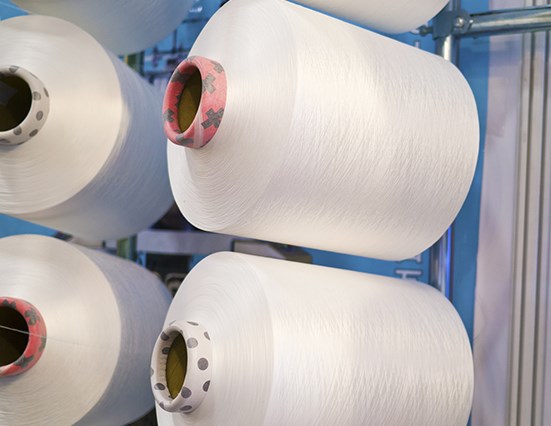
For overseas textile companies, choosing a superior Polyester DTY Yarn Exporter is not merely a procurement decision, but a core element of production chain stability. Professional export suppliers generally possess mature production line capabilities, enabling them to consistently provide large quantities of products with varying specifications, luster, and twist requirements. This stability reduces raw material change costs for customers and ensures consistent finished product quality.
Furthermore, high-quality exporters ensure yarn quality by rigorously selecting raw materials, optimizing spinning equipment, and maintaining stable process parameters, and can adjust parameters according to customer weaving needs. This ensures a high degree of compatibility in the final product during dyeing, setting, and fabrication processes, reducing fabric defects and improving yield.
High-quality polyester DTY yarn exporters typically adhere to higher standards in packaging, transportation, and warehousing. Because DTY is sensitive to humidity and stacking pressure, professional exporters use moisture-proof packaging and scientifically arranged yarns to prevent damage during transport, ensuring customers receive goods in excellent condition.
The value of DTY lies not only in the performance of the yarn itself but also in the enhanced visual and tactile texture it brings to finished fabrics. Due to its natural crimp, the fabric appears softer after shaping, with a looser and more layered structure. Regarding color reproduction, the internal structure of DTY better absorbs dyes, resulting in richer, more uniform colors that are less prone to fading.
For garment manufacturers, this translates to more consistent fabric quality, superior garment appearance, and fewer production errors and rework risks. In the highly competitive garment market, the stability and visual improvements brought by high-quality DTY often directly translate into garment quality, helping brands increase their product premium.
As international markets increasingly demand environmentally friendly materials and sustainable production, Polyester DTY Yarn Exporters are placing greater emphasis on green production methods. Many manufacturers are gradually adopting energy-saving equipment, reducing energy consumption in the production process, and minimizing raw material waste through circular production systems. This production philosophy not only enhances the international competitiveness of products but also makes the yarn itself more stable and pure, better suited to the needs of high-end fabrics and brands.
DTY is a yarn that has undergone stretching and texturing treatment, resulting in better elasticity and hand feel. POY, on the other hand, is mainly used for subsequent processing and does not possess the crimp structure of DTY.
Yes. High-quality DTY performs excellently in terms of softness, uniformity, and dyeability, and can be used in the production of many types of mid-to-high-end fabrics.
Professional exporters strictly control the production process to ensure consistent twist, tension, and crimp structure, guaranteeing stable quality in large-volume supplies.
If manufacturers use energy-saving equipment and environmentally friendly processes, and provide recyclable or recycled polyester raw materials, then DTY can fully meet the requirements of sustainable development.
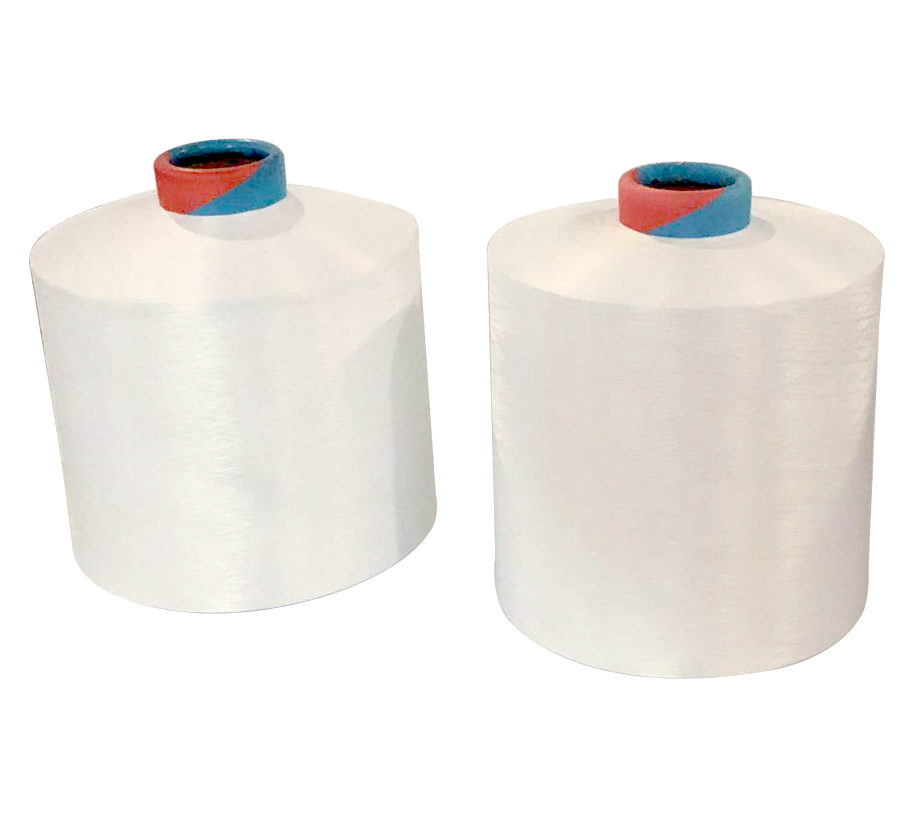
Recycled 150D48F RW HIM Polyester Yarn Type: Polyester Yarn Pattern: Raw Technic...
See Details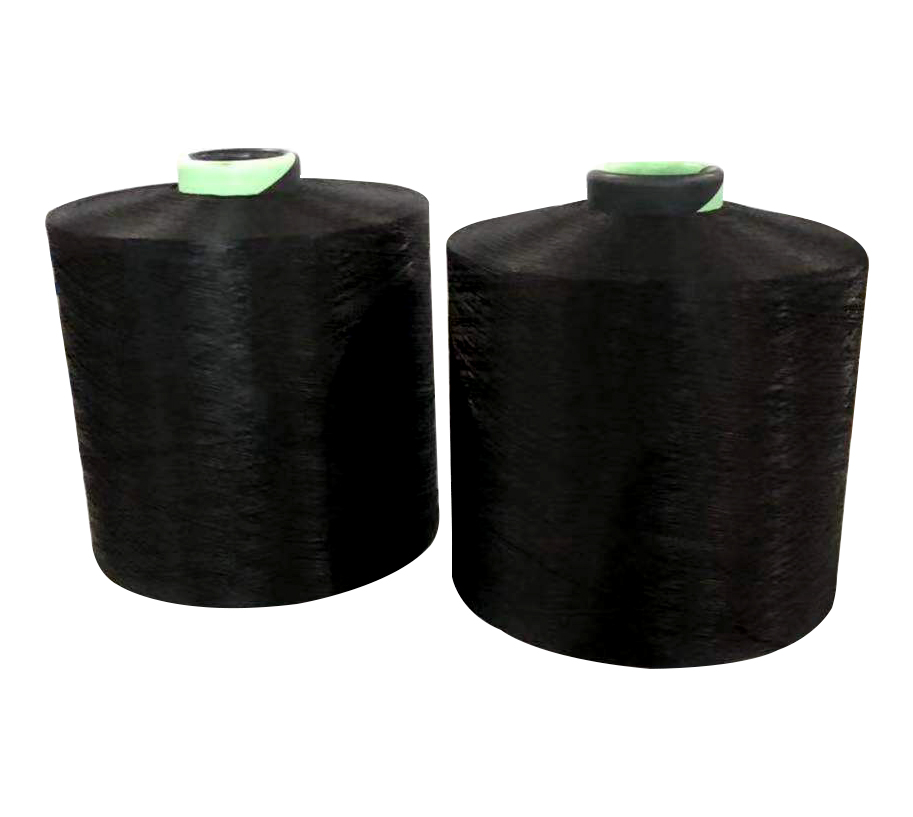
Product Name: DTY 600D/192F HIM Polyester Yarn Size: 600D/192F Twist: S+Z Color:...
See Details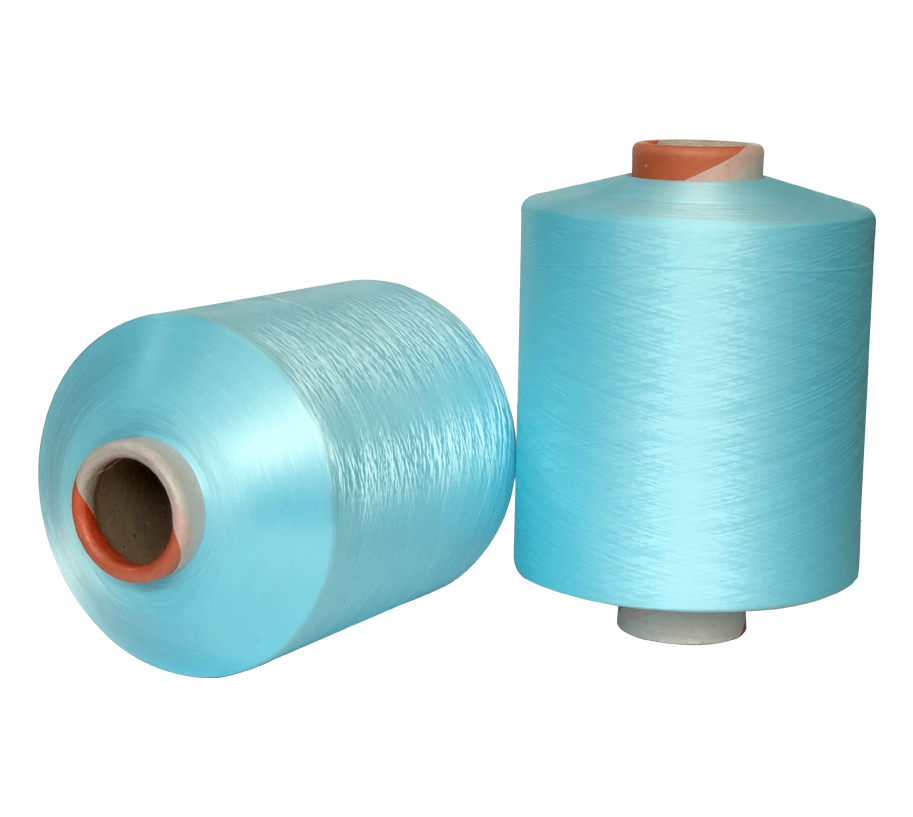
High Elastic 300D Magnolia Blue 99.99% Polyester Yarn for Weaving and KnittingCo...
See Details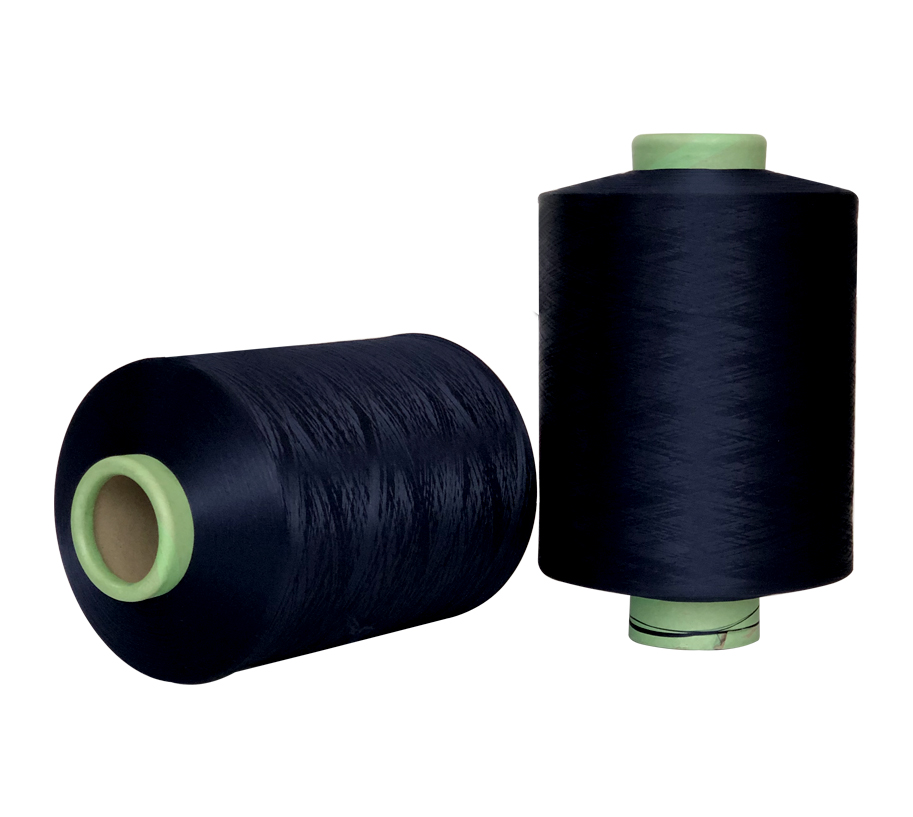
Eco-Friendly 300D Navy 99.99% Polyester Yarn for Sewing & WeavingColor: Navy...
See Details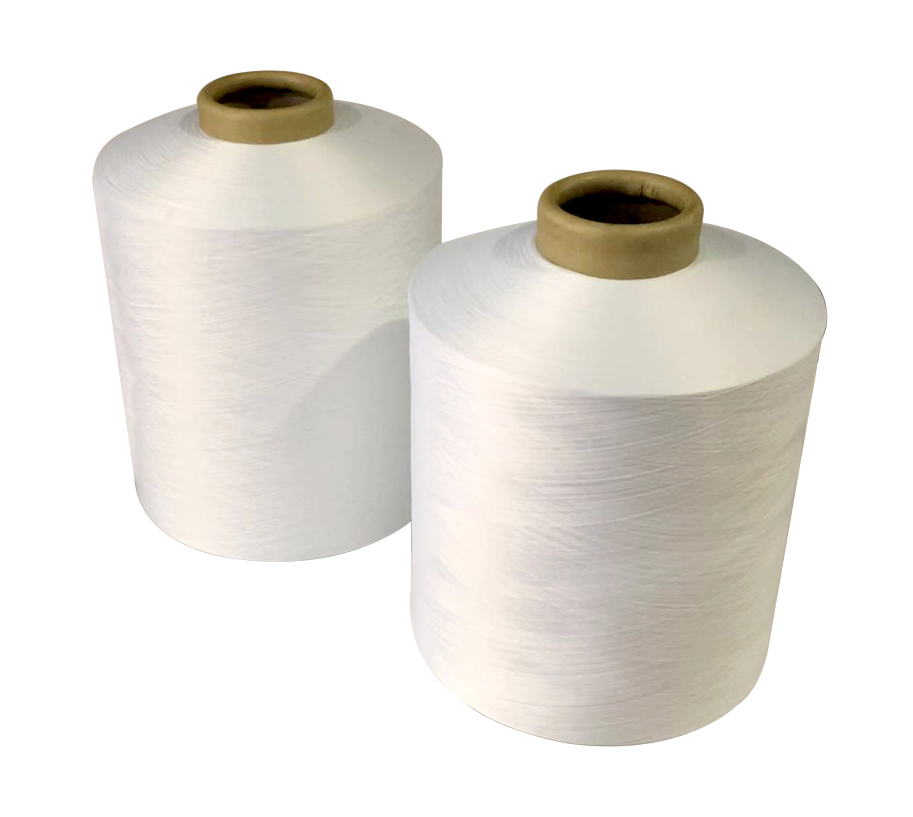
Sustainable 100D/36F RW NIM Polyester Yarn Yarn Count: 100D/36F Material: 99.99%...
See Details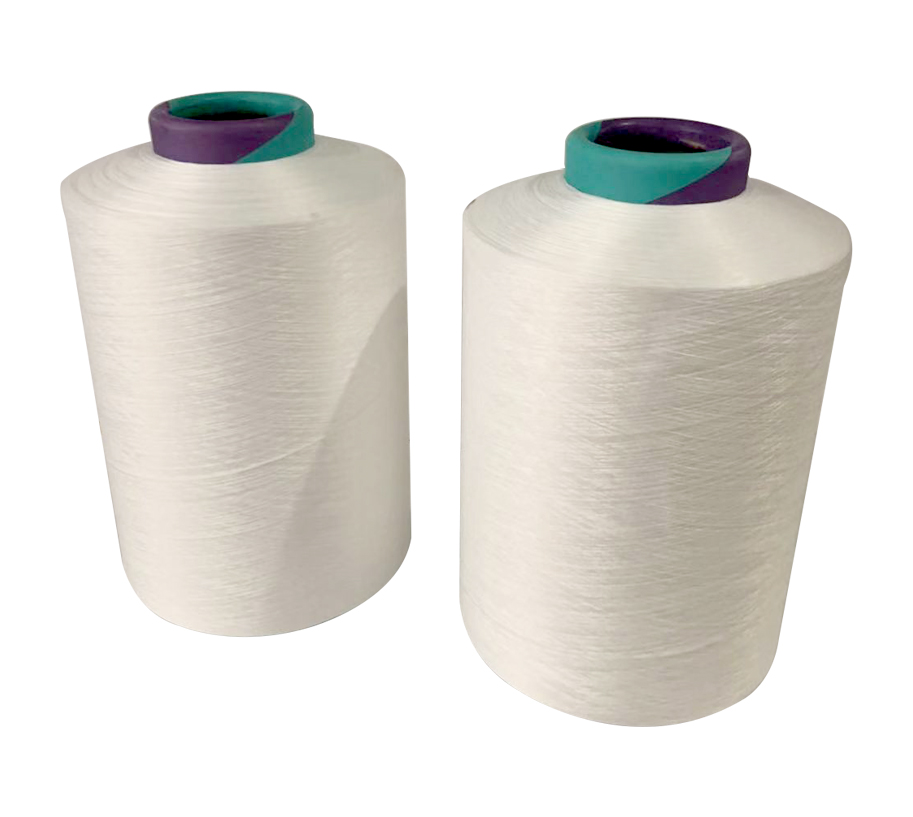
High Tenacity 250D/96F RW NIM Polyester Yarn Yarn Count: 250D/96F Material: 99.9...
See DetailsCopyright © Hangzhou Dingkai Chemical Fibre Co., Ltd. All Rights Reserved.
Wholesale China Polyester DTY Yarns Factory