 Call:+86-571-82912975
 https://www.dkyarn.com
 English
 中文简体
中文简体
Navy/Grey 150D/36F DTY Yarn 99.99% Polyester Anti-pilling Yarn for Sewing Materi...
See Details

Polyester raw materials, primarily derived from petroleum-based chemical compounds, serve as the indispensable backbone of the global textile and packaging industries. The synthesis of these materials revolves around purified terephthalic acid and monoethylene glycol, which undergo polymerization to form polyethylene terephthalate. Understanding the properties, manufacturing processes, and environmental impacts of these raw materials is crucial for advancing material science and fostering sustainable industrial practices. As the world shifts toward circular economies, the evolution of polyester raw materials from virgin petrochemicals to recycled and bio-based alternatives represents one of the most significant transformations in modern manufacturing.
The production of polyester relies on specific chemical precursors that dictate the final polymer's characteristics. By altering these foundational ingredients, manufacturers can engineer materials suited for everything from delicate apparel to heavy-duty industrial strapping. The two primary raw material pathways involve the synthesis of PET and PCDT, each offering distinct physical and chemical advantages.
Polyethylene terephthalate, commonly known as PET, accounts for the vast majority of polyester production globally. The raw materials required for PET synthesis are purified terephthalic acid and monoethylene glycol. PTA is a white crystalline powder derived from paraxylene, while MEG is a viscous, colorless liquid produced from ethylene. When these two components undergo a chemical reaction known as esterification, they form a monomer called bis(2-hydroxyethyl) terephthalate. This monomer is then subjected to polycondensation, a process that eliminates excess MEG and links the monomers into long, stable polymer chains. The resulting PET polymer is highly versatile, offering exceptional strength, thermal stability, and resistance to moisture and chemicals. Its widespread adoption is driven by this adaptability, making it the standard raw material for fibers, films, and beverage containers.
While PET dominates the market, another variant known as PCDT plays a vital role in specific industrial applications. PCDT replaces the terephthalic acid used in PET with a different acid derivative. This subtle chemical substitution fundamentally alters the fabric's physical properties. PCDT is renowned for its superior elasticity and exceptional resilience compared to PET. This makes it particularly suitable for applications where the material must endure repeated stretching and recovering without permanent deformation. While it lacks the sheer volume of production that PET enjoys, PCDT remains an essential raw material blend for heavy-duty textiles, automotive interiors, and specialized industrial fabrics where long-term durability under stress is a primary requirement.
Transforming raw chemical liquids and powders into usable polyester resins requires carefully controlled chemical engineering. The polymerization process is where the actual transformation occurs, dictating the molecular weight, viscosity, and intrinsic viscosity of the final resin. These parameters directly influence how the polyester can be processed later, whether through melt spinning for textiles or injection molding for packaging. The industry primarily relies on two distinct production methods to achieve these polymer chains.
The dimethyl terephthalate process is the older of the two main production methods. In this approach, the esterification reaction occurs between DMT and MEG, releasing methanol as a byproduct. The methanol must be continuously removed from the reaction vessel to drive the equilibrium toward the formation of the polymer. While this method was the historical standard for polyester production, it requires an additional step of methanol recovery and purification. Although still utilized in certain specialized manufacturing facilities, the DMT process has largely been superseded by more efficient methods due to its higher energy consumption and lower overall reaction efficiency.
The purified terephthalic acid process represents the modern standard for polyester raw material synthesis. Unlike the DMT method, the reaction between PTA and MEG produces water as the primary byproduct during esterification, rather than methanol. This direct esterification is significantly more efficient and cost-effective. The PTA process offers higher reaction rates, lower energy requirements, and a more streamlined production infrastructure. Because water is easier to handle and remove than methanol, the PTA method allows for better control over the polymer's molecular weight and reduces the environmental and safety hazards associated with volatile organic compound emissions. Today, the vast majority of new polyester manufacturing plants utilize the PTA process exclusively.
The physical properties of polyester raw materials—namely, high tensile strength, resistance to stretching and shrinking, and quick-drying characteristics—make them exceptionally valuable across a broad spectrum of industries. By modifying the polymerization process or adding specific additives, manufacturers can tailor the resin to meet precise performance criteria.
The most visible application of polyester raw materials is in the global textile industry. Polyester fibers can be engineered to mimic the feel of natural fibers like cotton or silk, or they can be optimized for performance sportswear. In apparel, polyester is frequently blended with cotton to combine the comfort and breathability of natural fibers with the durability and wrinkle resistance of synthetics. The fiber's hydrophobic nature means it absorbs very little water, allowing fabrics to dry rapidly. Furthermore, advances in microfiber technology have enabled the production of ultra-fine polyester filaments that wick moisture away from the body, making it the dominant raw material for athletic and outdoor apparel.
Beyond textiles, polyester raw materials are the cornerstone of modern packaging. PET resin is extruded into thin, highly transparent films or blow-molded into rigid containers. The material's excellent barrier properties against carbon dioxide and oxygen make it ideal for beverage bottles, preserving the flavor and carbonation of drinks. In the form of films, polyester provides electrical insulation, thermal stability, and high tensile strength, which are critical for flexible electronics, magnetic tapes, and food packaging laminates.
| Application Sector | Primary Form | Key Material Property |
|---|---|---|
| Apparel | Staple fiber / Filament | Durability, moisture-wicking |
| Beverage Bottles | Blow-molded resin | Gas barrier, shatter resistance |
| Industrial Ropes | High-tenacity yarn | Tensile strength, UV resistance |
| Electronics Films | Biaxially oriented film | Thermal stability, insulation |
Despite its immense utility, the reliance on virgin polyester raw materials presents significant environmental challenges. The production of PTA and MEG is heavily dependent on fossil fuels, contributing to greenhouse gas emissions and resource depletion. Furthermore, the very durability that makes polyester so useful also means it is not biodegradable, leading to long-term accumulation in landfills and natural ecosystems. Addressing these issues has become the primary focus of materials scientists and environmental policymakers worldwide.
The extraction and refining of petroleum to create the precursors for polyester require enormous amounts of energy. The esterification and polycondensation processes themselves operate at extremely high temperatures, further driving up energy consumption. Producing virgin polyester raw material generates significantly more carbon emissions compared to natural fibers like organic cotton or hemp. Additionally, the chemical manufacturing process can produce volatile organic compounds and wastewater that must be strictly treated to prevent environmental contamination. As global regulations on carbon emissions tighten, the environmental cost of virgin polyester raw materials has become a critical liability for the textile and packaging sectors.
An often-overlooked consequence of polyester raw materials is the shedding of microfibers. During the washing of polyester garments, tiny plastic fragments break off and enter wastewater systems. Because municipal treatment plants are not fully equipped to filter out these microscopic particles, they are eventually discharged into rivers and oceans. These microplastics persist in the environment indefinitely, absorbing toxic chemicals and entering the food chain when ingested by marine life. This ecological hazard has prompted extensive research into fabric construction techniques and washing machine filtration systems, but the root issue remains tied to the synthetic nature of the raw material itself.
To mitigate the environmental drawbacks of virgin materials, the industry is undergoing a massive shift toward circularity. The concept of a circular economy for polyester relies on keeping the material in use for as long as possible, extracting its maximum value, and then recovering and regenerating the material at the end of its service life. This transition is being driven by both consumer demand for eco-friendly products and corporate sustainability commitments.
Mechanical recycling is currently the most widely adopted method for reprocessing polyester. This technique involves collecting post-consumer waste—most commonly PET bottles—washing them, shredding them into flakes, and then melting the flakes to form new polyester fibers or resins. Mechanical recycling significantly reduces the energy required compared to virgin production and diverts millions of containers from landfills. However, this method has limitations. Each time the polymer is melted and extruded, the molecular chains degrade slightly, leading to a loss of tensile strength and color clarity. Because of this degradation, mechanically recycled polyester is often downcycled into lower-quality applications, such as carpet fibers or insulation, rather than being used for new high-performance textiles.
Chemical recycling represents the next frontier in sustainable polyester raw materials. Unlike mechanical methods, chemical recycling breaks the polymer chains back down into their original monomers—essentially reversing the polymerization process. These purified monomers can then undergo polymerization again to create virgin-quality polyester. This process effectively eliminates the issue of degradation, allowing for infinite recyclability without loss of performance. Although chemical recycling is currently more expensive and energy-intensive than mechanical recycling, it holds the key to true closed-loop manufacturing, where old garments can be chemically broken down and reborn as new, high-quality apparel.
In addition to recycling, another pathway to reducing the environmental impact of polyester raw materials is the development of bio-based alternatives. These materials aim to replace the petroleum-derived precursors with equivalents sourced from renewable biomass. By switching the source material from crude oil to plants, the overall carbon footprint of the polymer can be drastically reduced, as the plants absorb carbon dioxide during their growth cycle.
The most commercially available bio-based polyester today is partially bio-based PET. In this formulation, the monoethylene glycol component is derived from agricultural sources such as sugarcane, while the purified terephthalic acid remains petroleum-based. The resulting polymer is chemically identical to traditional PET, meaning it can be processed on existing manufacturing equipment without any modifications and recycled alongside traditional PET. While this is a significant step forward, the reliance on fossil fuels for the PTA component means that partially bio-based PET only partially addresses the sustainability challenge.
The ultimate goal of bio-based material science is the development of fully bio-based polyesters, where both the diol and the diacid components are derived from renewable resources. Researchers are actively exploring pathways to produce terephthalic acid from plant-based sugars and lignin rather than petroleum. Fully bio-based polyesters represent the pinnacle of sustainable synthetic materials, offering the complete decoupling of polyester production from fossil fuel extraction. While still in the early stages of commercialization due to high production costs and complex biochemical conversion processes, these innovations demonstrate that a petroleum-free future for polyester raw materials is scientifically achievable and increasingly commercially viable.
Regardless of whether the raw material is virgin, recycled, or bio-based, stringent quality control is essential to ensure the polymer performs as expected in its final application. The intrinsic properties of the polyester resin must be carefully monitored during production to prevent defects during spinning or molding. Variations in the chemical structure can lead to issues such as uneven dyeing, yarn breakage, or structural weakness in packaging.
Intrinsic viscosity is arguably the most critical parameter in polyester raw material testing. It measures the polymer's molecular weight and, by extension, its strength and processability. Different applications require specific IV levels. For example, textile fibers require a moderate IV to ensure smooth spinning, while heavy-duty strapping or bottle-grade resins require a much higher IV to withstand internal pressures and mechanical stress. IV is measured by dissolving the polyester in a specific solvent and timing how long it takes the solution to pass through a calibrated capillary. Deviations in intrinsic viscosity can cause catastrophic failures in downstream manufacturing, making precise monitoring essential.
Polyester must also undergo rigorous thermal analysis to determine its melting point and crystallization behavior. Differential scanning calorimetry is used to measure the heat flow associated with transitions in the polymer, ensuring that the raw material will melt uniformly during processing. Furthermore, colorimetric analysis is vital, especially for recycled materials. Post-consumer waste can introduce yellowing or opaque impurities into the resin. Spectrophotometers are used to measure the b-value (yellowness-blueness) and L-value (lightness) of the melted polymer. Consistent color purity is essential for producing brilliant white fabrics or crystal-clear packaging, requiring raw material suppliers to meticulously filter and treat the resin to remove any chromatic defects before shipping.
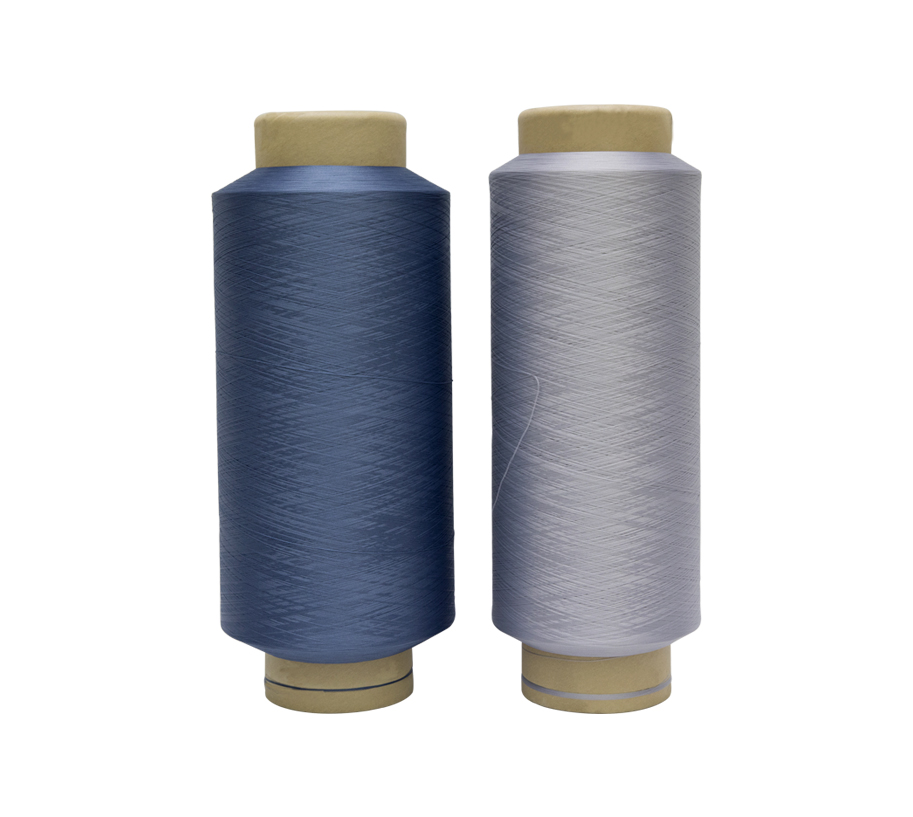
Navy/Grey 150D/36F DTY Yarn 99.99% Polyester Anti-pilling Yarn for Sewing Materi...
See Details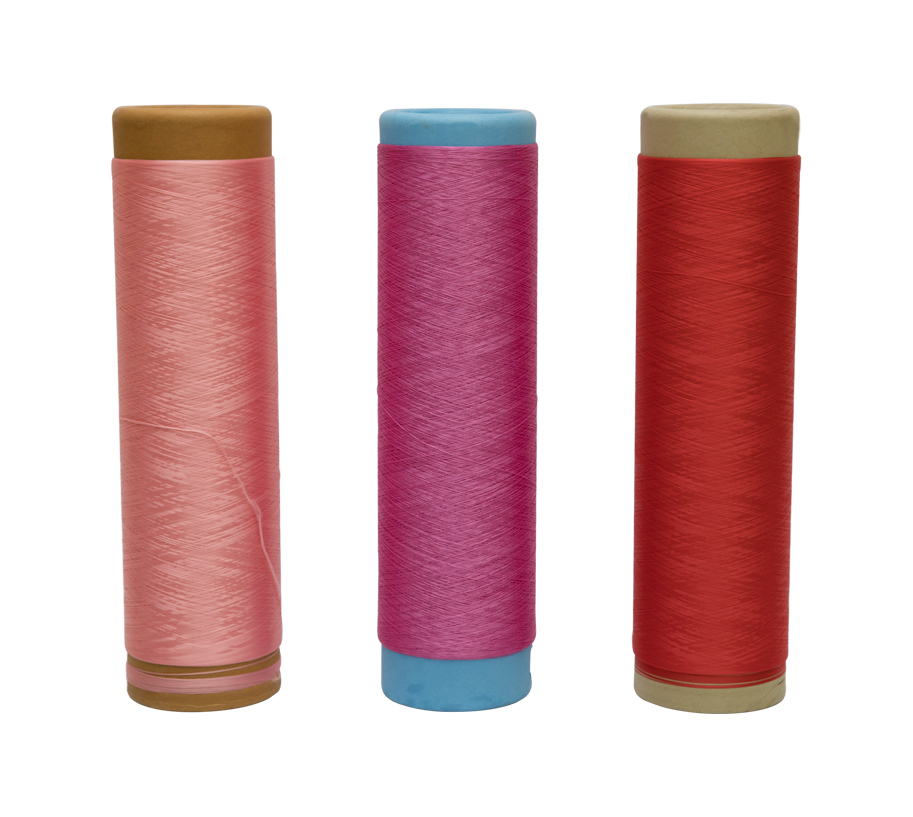
Pink/Rose Red/Red China 150D/48F Dty Polyester Yarn High Strength AA Grade Textu...
See Details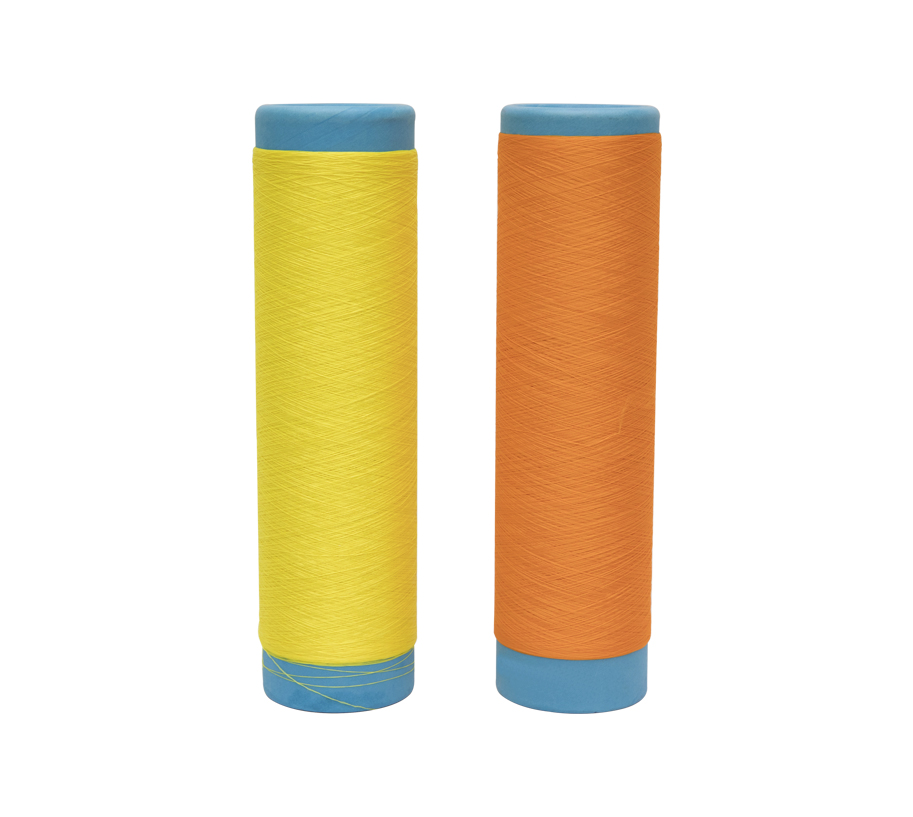
Yellow Orange China 300D/96F Dty Polyester Yarn Eco-friendly Recycle Dty Yarn Fo...
See Details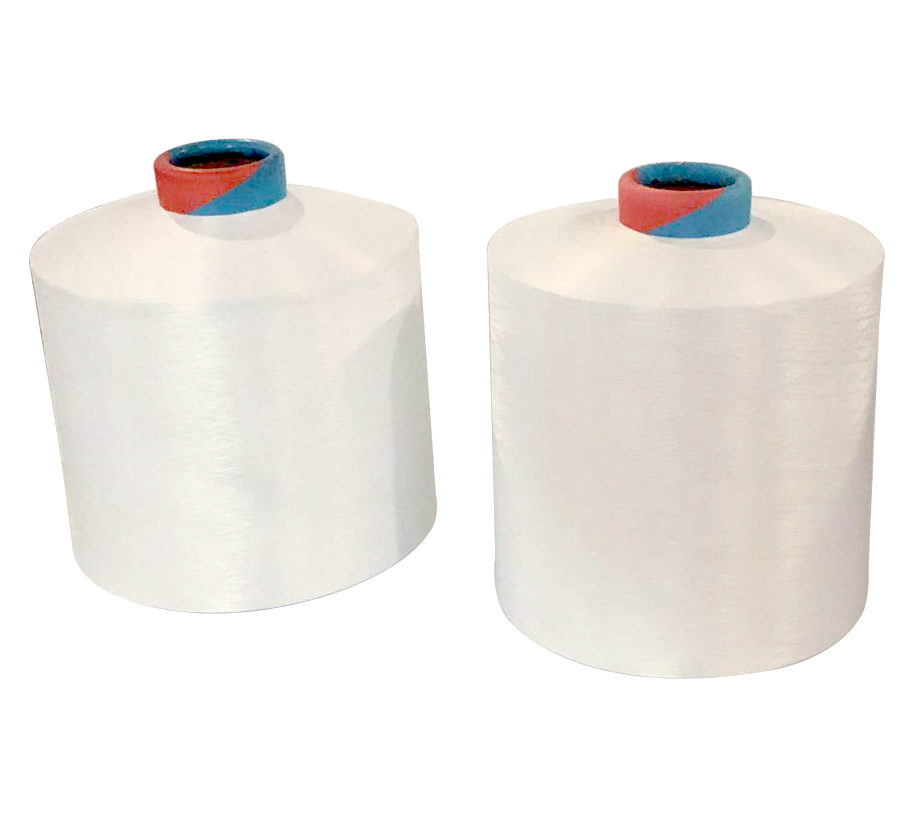
Recycled 150D48F RW HIM Polyester Yarn Type: Polyester Yarn Pattern: Raw Technic...
See Details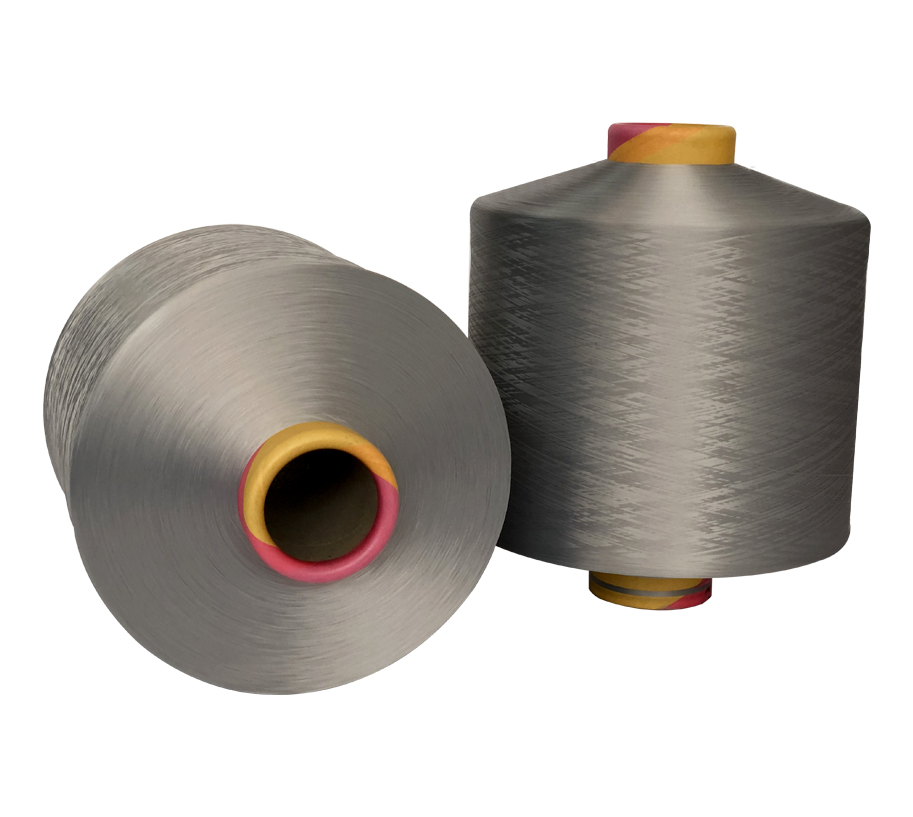
New Style 300d Gray 99.99% Polyester Yarn Eco-friendly OEM DTY Polyester Yarn St...
See Details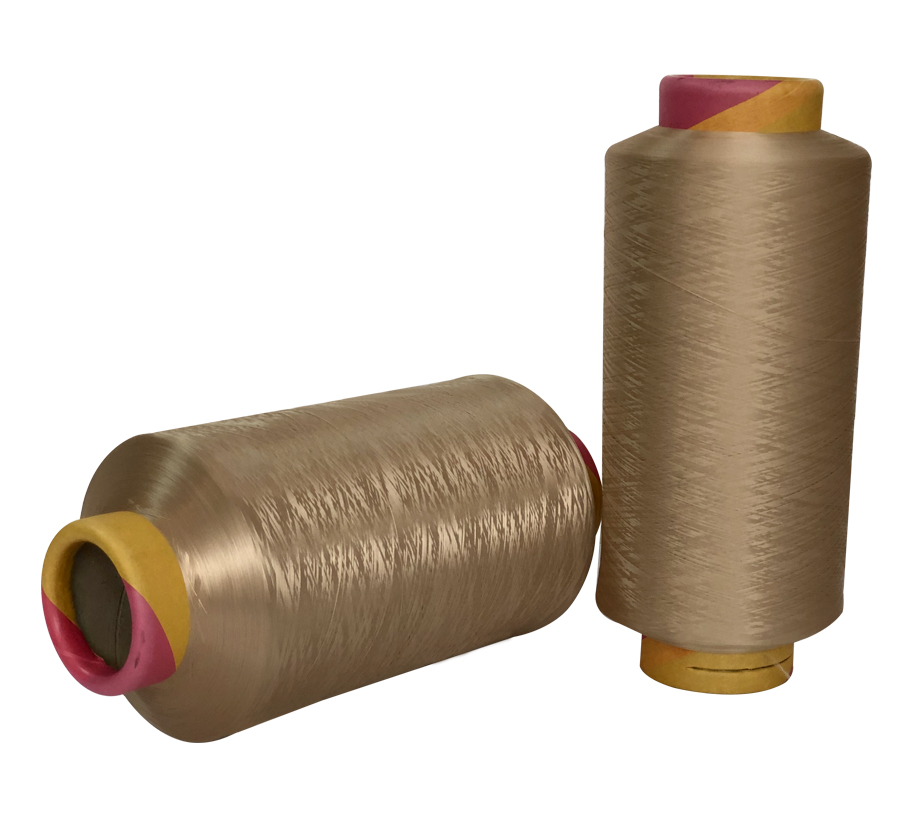
High Temperature-Resistant 300D Brown 99.99% Polyester Yarn for Hand Knitting an...
See Details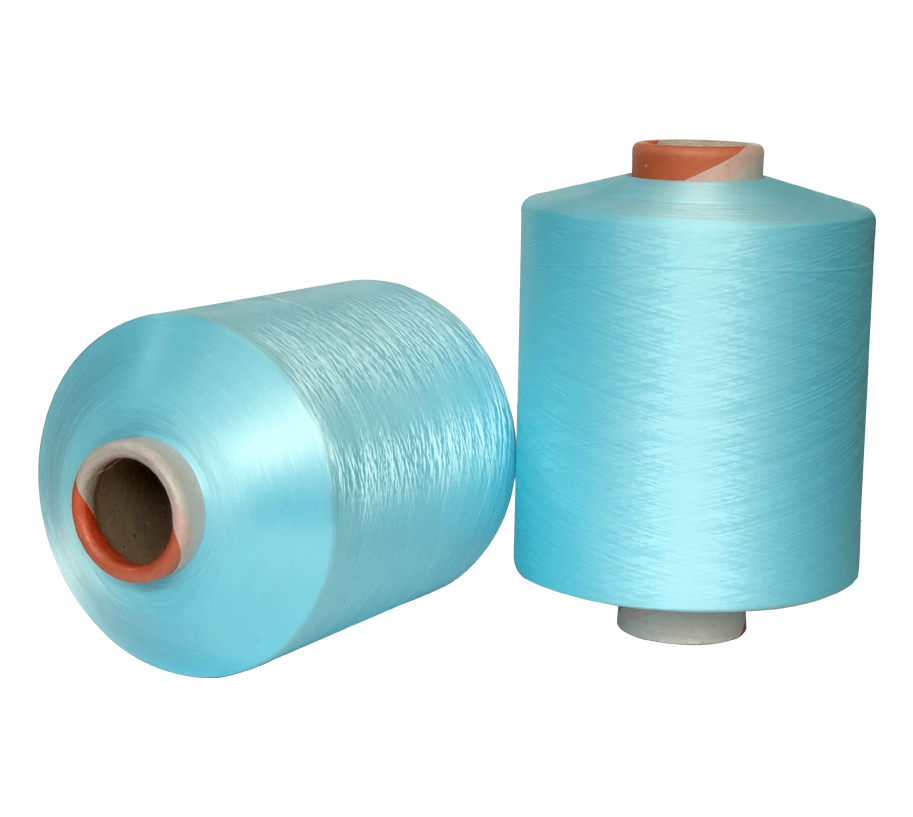
High Elastic 300D Magnolia Blue 99.99% Polyester Yarn for Weaving and KnittingCo...
See Details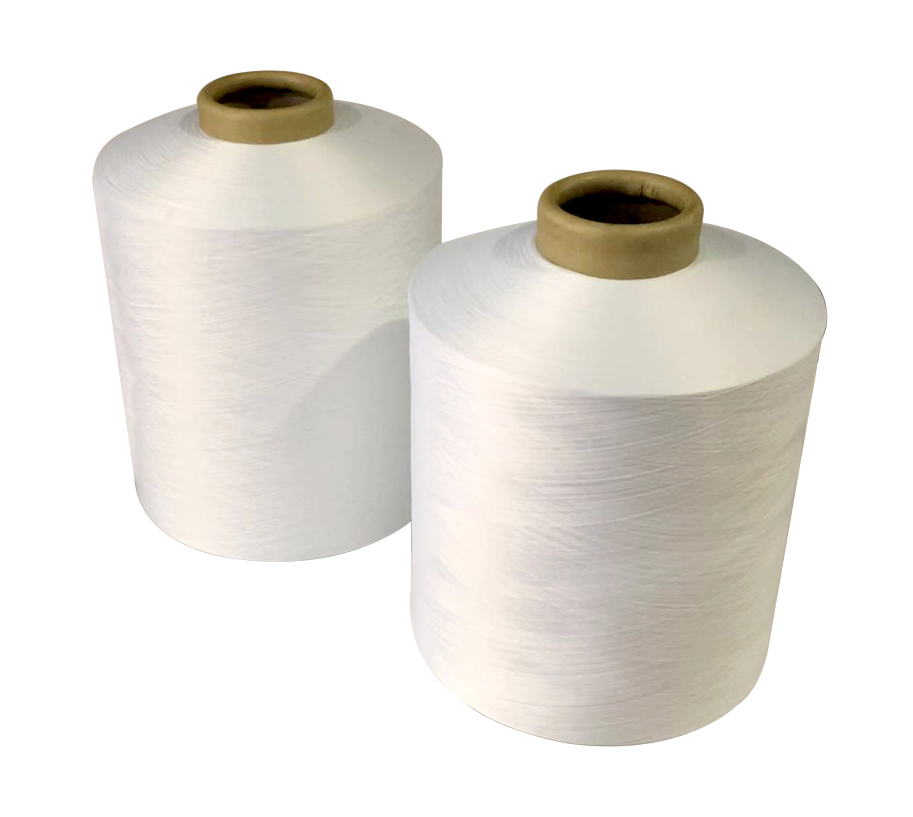
Sustainable 100D/36F RW NIM Polyester Yarn Yarn Count: 100D/36F Material: 99.99%...
See DetailsCopyright © Hangzhou Dingkai Chemical Fibre Co., Ltd. All Rights Reserved.
Wholesale China Polyester DTY Yarns Factory
