Call:+86-571-82912975
 https://www.dkyarn.com
 English
 中文简体
中文简体
Navy/Grey 150D/36F DTY Yarn 99.99% Polyester Anti-pilling Yarn for Sewing Materi...
See Details

Selecting the right polyester DTY (Drawn Textured Yarn) exporter is a critical decision that directly impacts the quality of your end products and the stability of your supply chain. The most reliable exporter is one that demonstrates a robust combination of advanced manufacturing technology, stringent quality control protocols, flexible customization options, and proven logistical expertise. Rather than simply looking for the lowest price, successful textile manufacturers partner with exporters who offer transparency in their production processes and can consistently deliver yarn that meets precise specifications. This guide explores the practical steps and criteria for identifying, evaluating, and establishing a long-term partnership with a top-tier global yarn supplier.
Polyester DTY is a continuous filament yarn that has been processed to introduce crimps, twists, and texture. This texturing process transforms flat, rigid polyester filaments into a bulkier, softer, and more elastic material. DTY is highly versatile and can be engineered to exhibit various characteristics, such as high strength, moisture-wicking properties, or a cotton-like feel. Because of these adaptable properties, it serves as a foundational raw material for a vast array of textile products.
The global demand for polyester DTY yarn continues to grow, driven by the expansion of the apparel, home furnishing, and automotive industries. As consumers increasingly demand durable, easy-care, and cost-effective fabrics, manufacturers rely heavily on synthetic yarns. Furthermore, the shift towards sustainable textile production has led to an increased demand for recycled polyester DTY (rPET). A forward-thinking exporter must be able to supply both virgin and recycled options to meet evolving international market requirements.
When assessing a potential polyester DTY yarn exporter, buyers must conduct a comprehensive evaluation that goes beyond surface-level marketing. The evaluation should focus on the exporter's physical capabilities, quality assurance mechanisms, and supply chain infrastructure.
An exporter's production capacity determines their ability to fulfill large-scale orders without delays. Buyers should look for suppliers operating modern texturing machines (such as high-speed double-heater draw texturing machines) that ensure uniform crimp and consistent dye uptake. A technologically advanced facility is better equipped to produce specialized yarns, including intermingled (narrow, high, or non-intermingled) and twisted DTY variants.
Quality consistency is paramount in textile manufacturing. A reliable exporter must have an in-house laboratory capable of testing critical parameters. Key quality indicators include tenacity, elongation at break, crimp contraction, and boiling water shrinkage. Exporters should provide detailed test reports for every batch and hold relevant international certifications, which demonstrate compliance with global environmental and safety standards.
International shipping is fraught with variables, from port congestion to fluctuating freight rates. A proficient exporter will have a dedicated logistics team that manages booking, customs clearance, and documentation efficiently. They should offer transparent tracking and have contingency plans in place to mitigate shipping delays, ensuring that the yarn arrives at the destination port on schedule.
Polyester DTY is available in numerous specifications, each tailored for specific end-uses. Understanding these specifications helps buyers communicate their needs accurately to the exporter. The most common differentiators are yarn count (denier), number of filaments, and the level of intermingling.
| Yarn Specification | Intermingling Type | Primary Application |
|---|---|---|
| Fine Denier (e.g., 50D/72f) | Narrow / High | High-end apparel, sportswear, lining fabrics |
| Medium Denier (e.g., 150D/144f) | High | Upholstery, home textiles, curtains |
| Coarse Denier (e.g., 300D/96f) | Non / Low | Automotive interiors, heavy-duty bags, carpets |
By matching the exact specification to the intended fabric structure, manufacturers can optimize loom efficiency and enhance the final fabric's handfeel and durability.
Transitioning from a transactional buyer-exporter relationship to a strategic partnership requires mutual trust and clear communication. Buyers should follow a structured approach to ensure long-term success.
International textile trade is subject to various geopolitical and economic challenges. Tariffs, anti-dumping duties, and strict import regulations can significantly affect the total landed cost of polyester DTY yarn. A knowledgeable exporter will proactively inform buyers about regulatory changes and assist in navigating customs requirements. Furthermore, they should offer flexible payment terms and currency options to help buyers manage exchange-rate risk. By working closely with an exporter who understands the complexities of global trade, buyers can secure a resilient and cost-effective supply chain, ensuring uninterrupted production regardless of external market volatility.
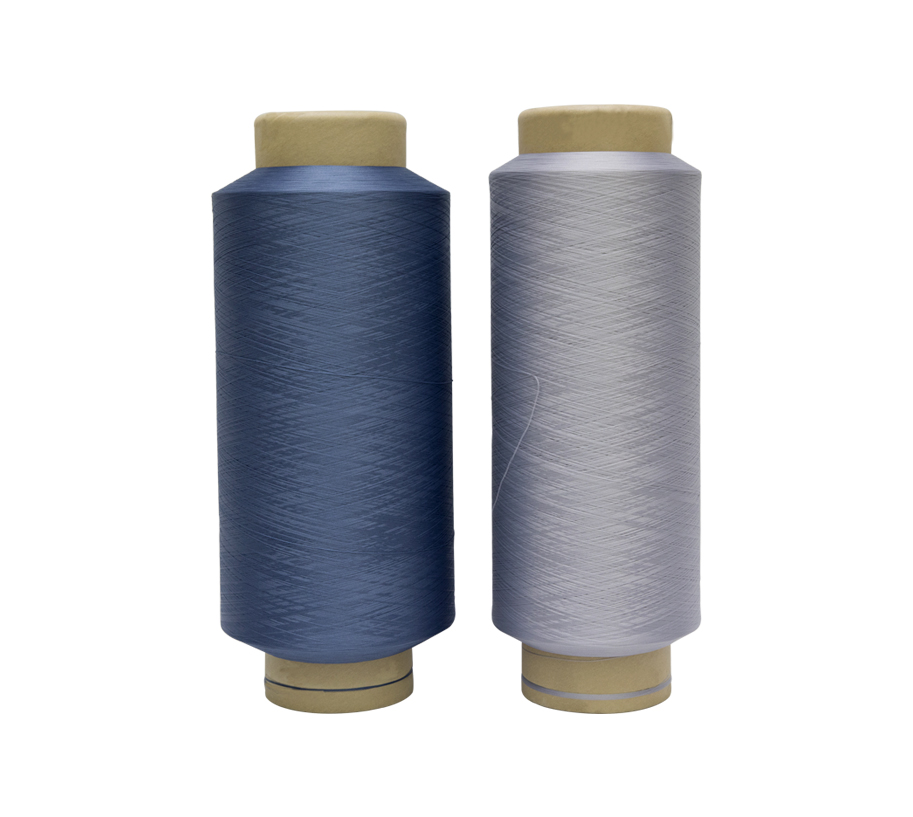
Navy/Grey 150D/36F DTY Yarn 99.99% Polyester Anti-pilling Yarn for Sewing Materi...
See Details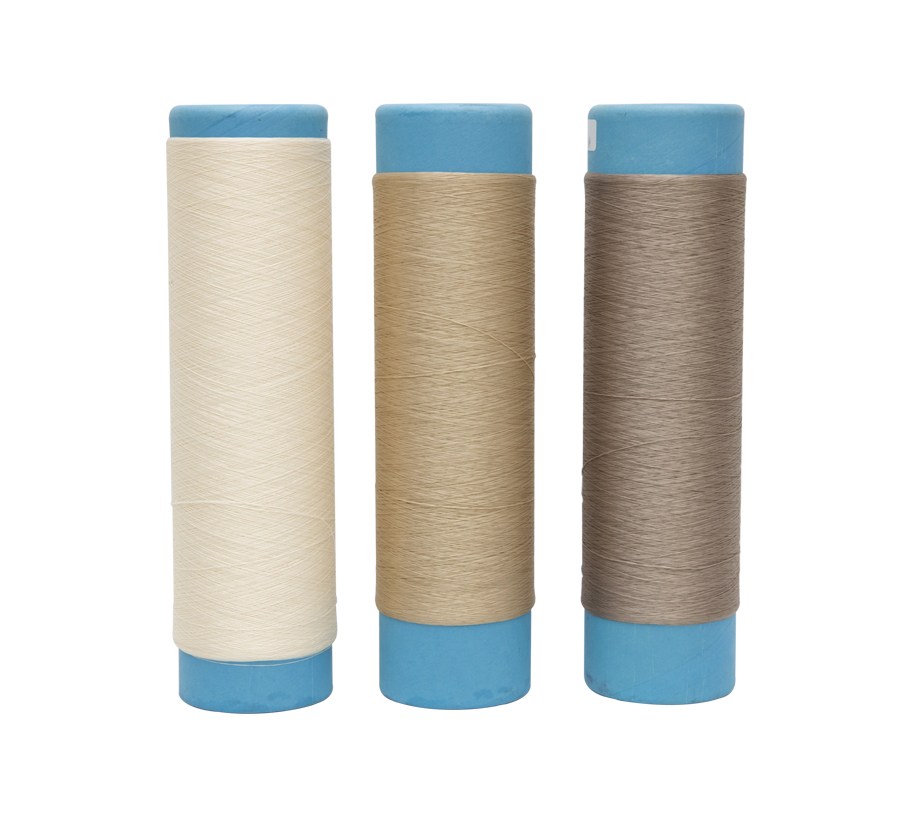
White/Brown/Green 150D/48F DTY Yarn 99.99% Polyester AA Grade Eco-friendly Yarn ...
See Details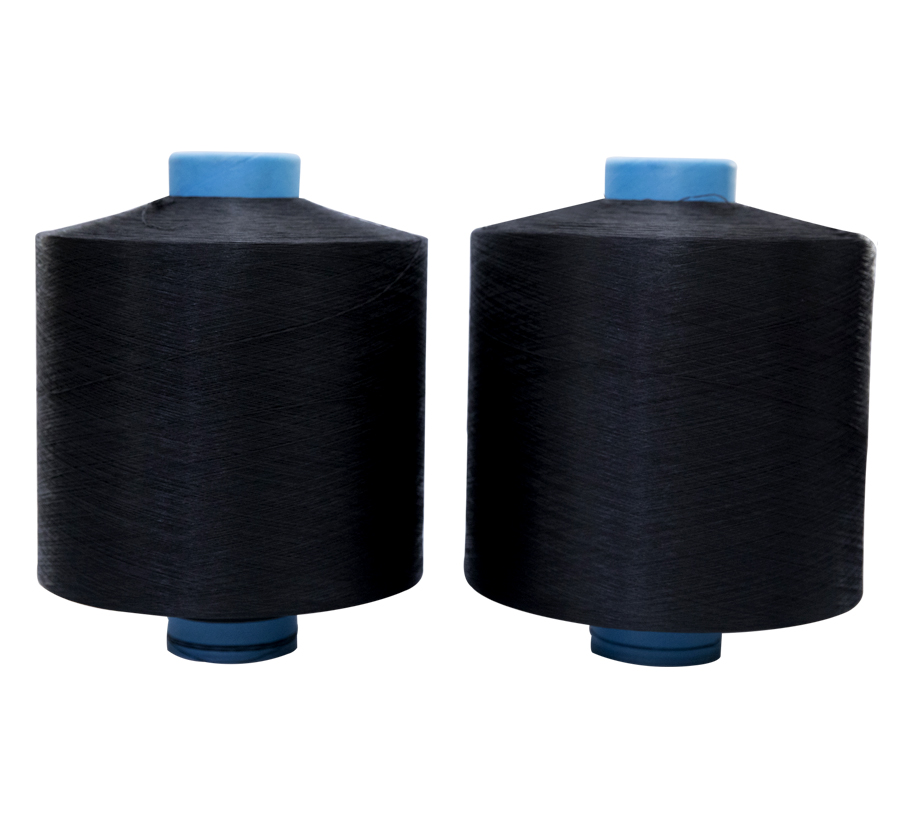
Yarn Type: Polyester High Elastic Yarn Size: 450D/192F Material: 99.99% Polyeste...
See Details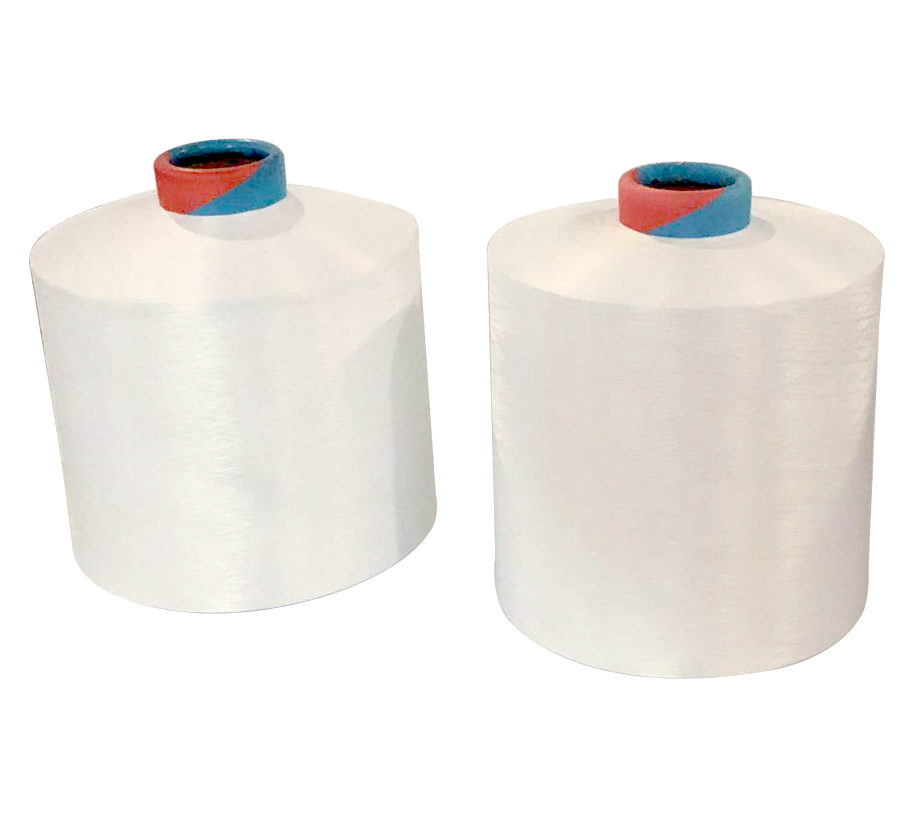
Recycled 150D48F RW HIM Polyester Yarn Type: Polyester Yarn Pattern: Raw Technic...
See Details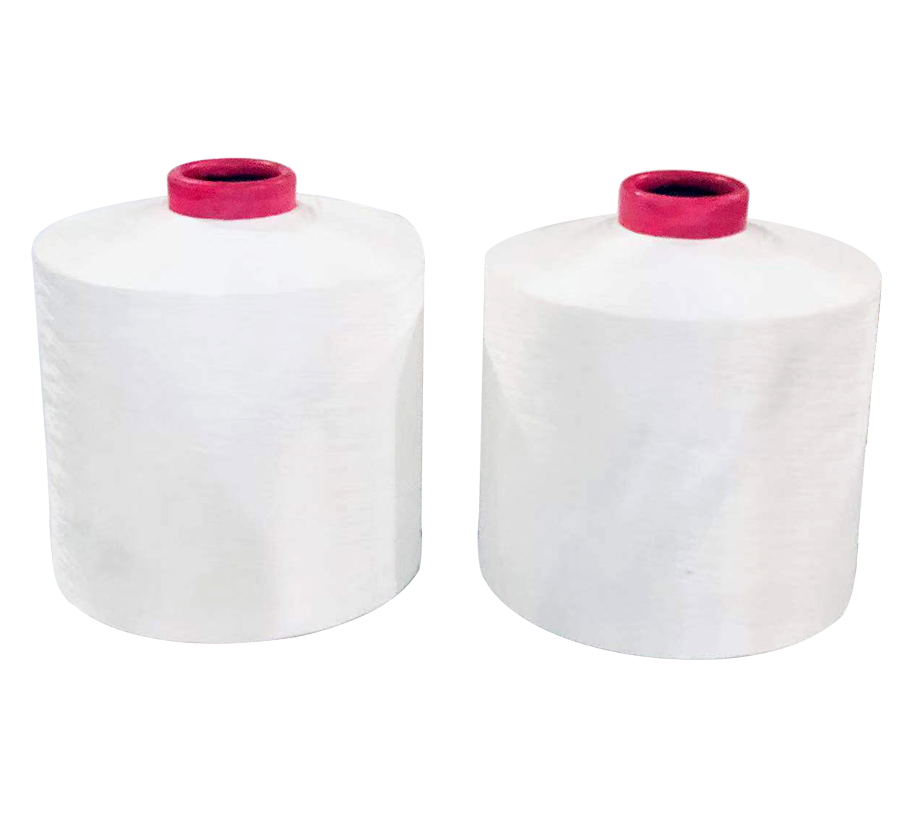
Yarn Count: 600D/192F SD RW HIM Draw Texturing Yarn Size: 600D/192F Twist: S+Z C...
See Details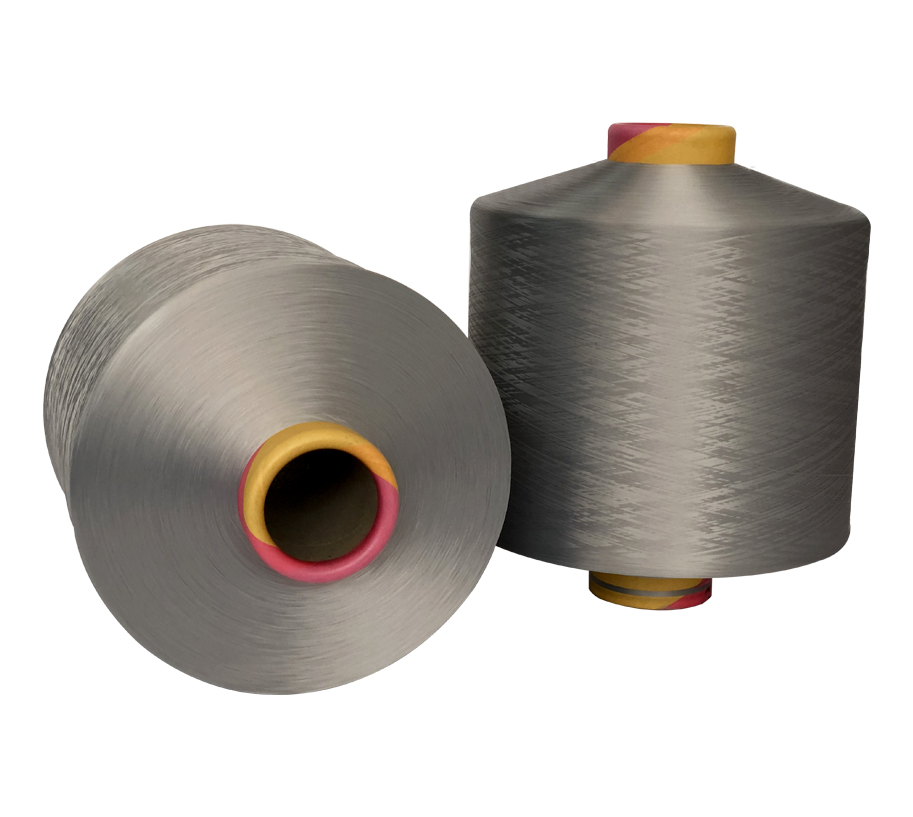
New Style 300d Gray 99.99% Polyester Yarn Eco-friendly OEM DTY Polyester Yarn St...
See Details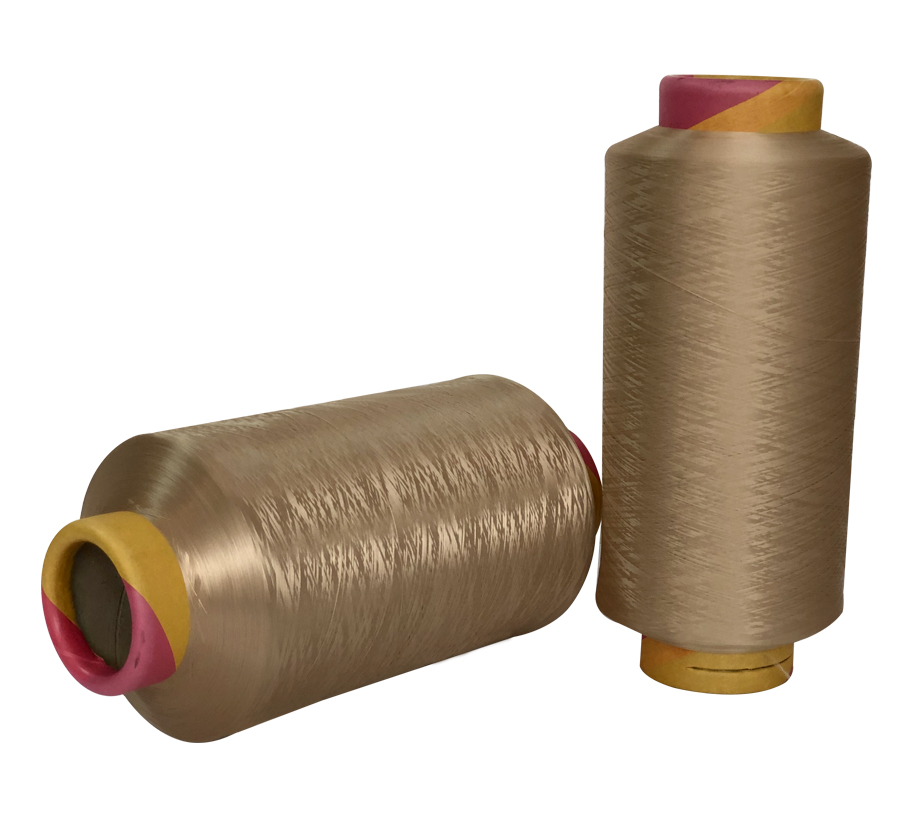
High Temperature-Resistant 300D Brown 99.99% Polyester Yarn for Hand Knitting an...
See DetailsCopyright © Hangzhou Dingkai Chemical Fibre Co., Ltd. All Rights Reserved.
Wholesale China Polyester DTY Yarns Factory