 Call:+86-571-82912975
 https://www.dkyarn.com
 English
 中文简体
中文简体
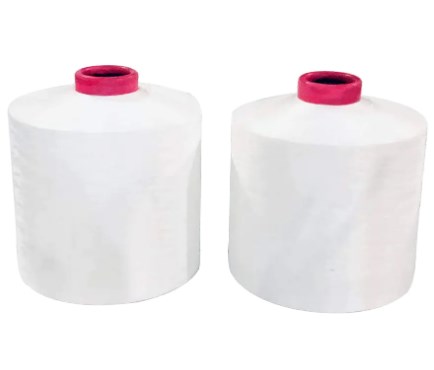
300D/96F OPTICAL WHITE NIM Polyester Yarn Name: 300D/96F OPTICAL WHITE NIM Polye...
See Details

In the modern textile industry, draw texturing yarn plays a crucial role. It is not only an important means of improving fabric texture, feel, and elasticity, but also the foundation for innovation and diversification in fabric design. With the increasing consumer demand for comfort and functionality in clothing, the application of texturing yarn has expanded from traditional textiles to sportswear, underwear, home textiles, and many other fields. Its unique performance characteristics make it increasingly indispensable in textiles.
Texturing yarn refers to a type of yarn that is processed through physical or chemical means to produce certain structural changes and elastic effects. Compared to traditional straight yarns, texturing yarn typically has a curled, wavy, or spiral shape in its yarn structure. These microscopic structural changes significantly affect the fabric's feel, appearance, and functionality. The processing usually involves twisting, heat setting, or air jetting to achieve an ideal balance between stretching and recovery.
Through texturing yarn, the fabric's feel can change from smooth and soft to a rich, three-dimensional texture, while also increasing the fabric's bulk and volume. In apparel fabrics, this yarn can achieve greater softness that conforms to the body's contours, while in home textiles, it gives the fabric a warm, comfortable feel and high bulkiness.
The production process of texturing yarn is a key link in the formation of its performance. Typically, the raw filament or ring-spun yarn is heated and deformed at high temperature, high speed, or high pressure, allowing the yarn to obtain elasticity and curl while maintaining a certain strength. Different types of texturing yarn use different processes, including air jetting, twist heating, and hot air setting. These processes not only determine the physical properties of the yarn but also directly affect the comfort, feel, and stability of the finished fabric.
In the yarn deformation process, the control of the microstructure is particularly crucial. The degree of curl, twist density, and rebound performance of the yarn must be precisely controlled to ensure that the finished fabric does not easily deform during wearing or use, while maintaining a soft and smooth feel. Precise process control maximizes the physical properties of the yarn, resulting in yarn that not only has an aesthetically pleasing appearance but also possesses excellent functionality.
The greatest advantage of draw texturing yarn lies in the fusion of comfort and functionality. Compared to traditional yarns, texturing yarn has significant elasticity and resilience. This characteristic allows the fabric to better adapt to body movements during wear, enhancing the wearing experience. At the same time, its crimped structure increases the air content of the yarn, giving the fabric better thermal insulation and breathability, meeting the dual demands of comfort and functionality in everyday clothing.
Texturing yarn also has significant advantages in terms of fabric aesthetics. The crimped yarn gives the fabric a natural three-dimensional feel, allowing the fabric to exhibit a soft luster and layered texture under light. This characteristic is particularly important in fashion apparel and home textile design, as it enhances visual effects without adding extra thickness, giving the product a unique texture.
The application of texturing yarn is not limited to ordinary clothing; its innovative performance in functional fabrics is particularly outstanding. Through the optimization of the yarn structure, designers can achieve a comprehensive improvement in the elasticity, breathability, and moisture absorption of the fabric. The unique spatial structure of the crimped yarn creates tiny air layers between the yarns, thereby enhancing the thermal insulation effect of the fabric and improving wearing comfort. This innovative characteristic makes texturing yarn an ideal choice for high-performance sportswear, intimate apparel, and high-end home textiles.
In the fashion industry, the application of texturing yarn is further reflected in the exploration of tactile and visual effects. Combinations of yarns with different degrees of crimp and resilience can create rich fabric surface textures and three-dimensional layers, allowing the fabric to maintain functionality while showcasing unique aesthetic value. This innovation, starting from the yarn level, makes the product more attractive and provides brands with the possibility of creating a differentiated competitive advantage.
Texturing yarn is produced through physical or chemical means to create a crimped or spiral structure, giving the yarn elasticity, resilience, and a three-dimensional feel, while ordinary yarn is usually straight, lacking elasticity and texture.
Suitable for clothing, sportswear, underwear, and home textiles, especially excelling in fabrics requiring comfort, elasticity, and a three-dimensional visual effect.
Higher crimp results in better yarn elasticity and resilience, while also increasing the air layer, making the fabric softer, fluffier, and warmer.
The core of the process lies in controlling the yarn crimp, twist, and setting temperature to ensure the yarn maintains its strength while achieving ideal elasticity and feel.
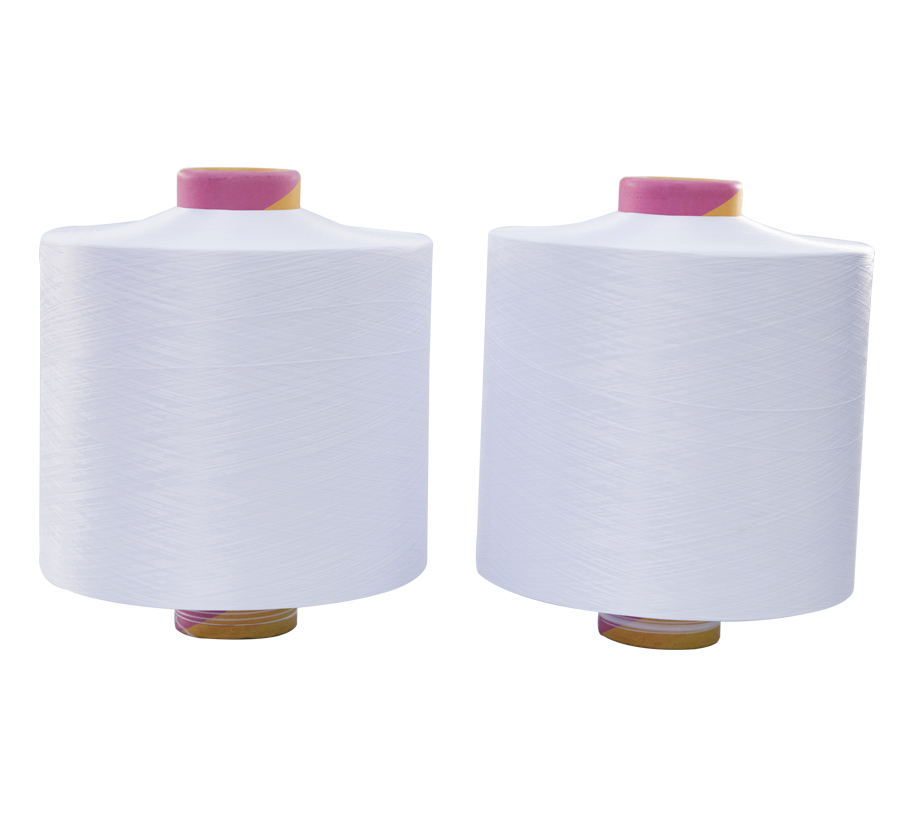
300D/96F OPTICAL WHITE NIM Polyester Yarn Name: 300D/96F OPTICAL WHITE NIM Polye...
See Details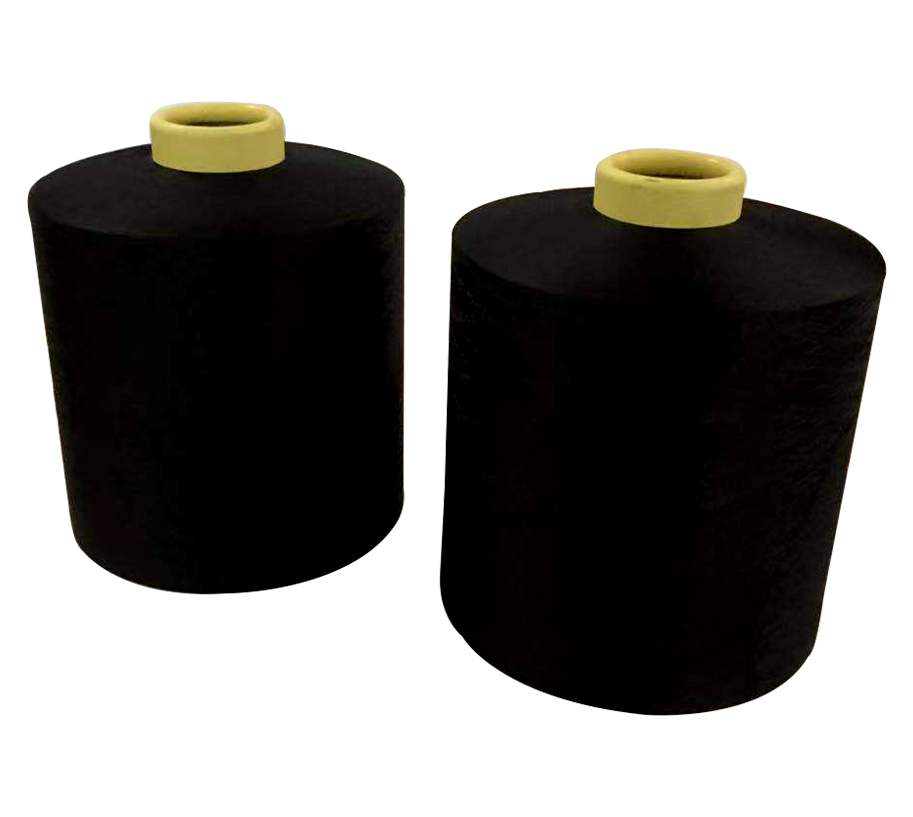
Product Name: DTY 150D/36F HIM Polyester Yarn Size: 150D/36F Twist: S+Z Pattern:...
See Details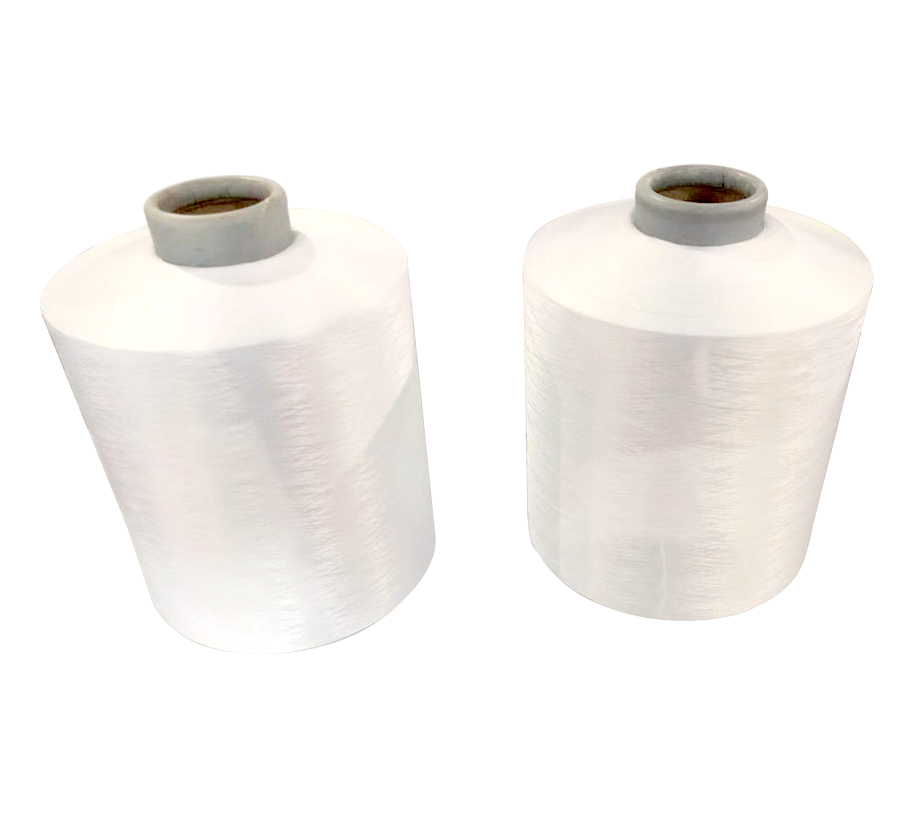
Sustainable 300D/96F RW NIM Polyester Sd Yarn Yarn Count: 300D/96F Color: white ...
See Details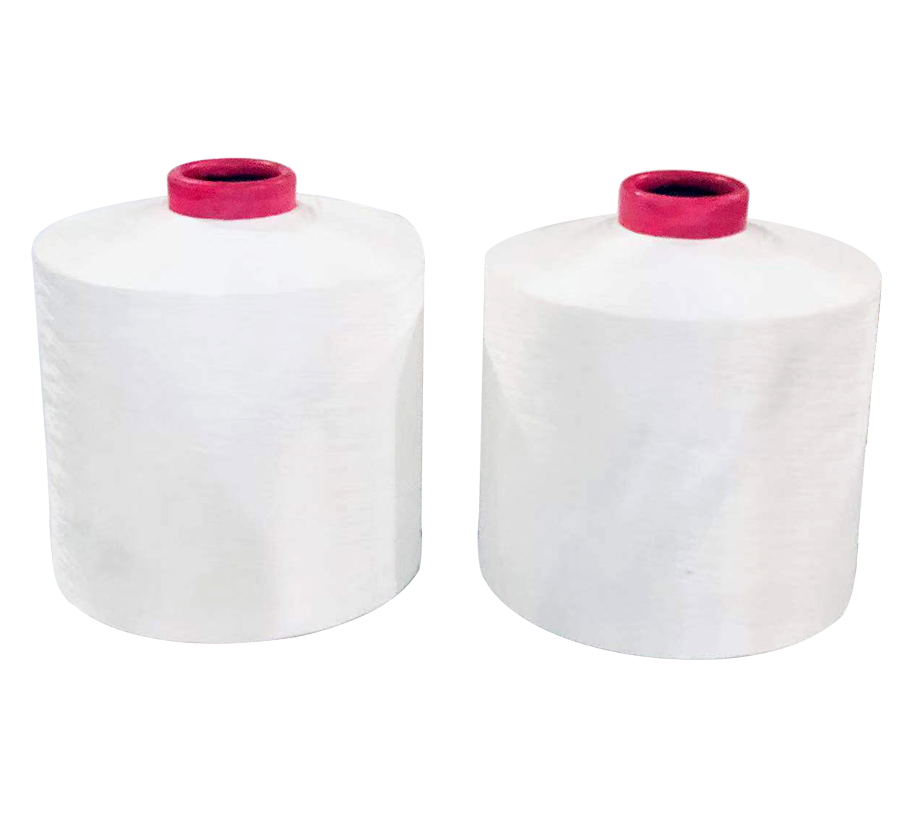
Yarn Count: 600D/192F SD RW HIM Draw Texturing Yarn Size: 600D/192F Twist: S+Z C...
See Details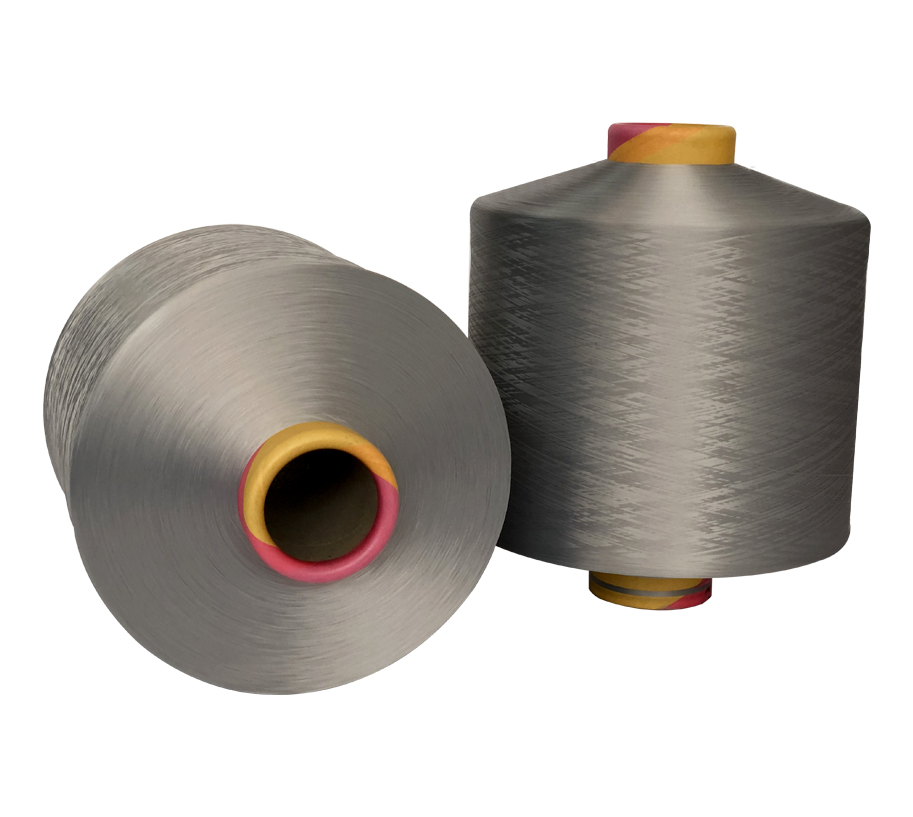
New Style 300d Gray 99.99% Polyester Yarn Eco-friendly OEM DTY Polyester Yarn St...
See Details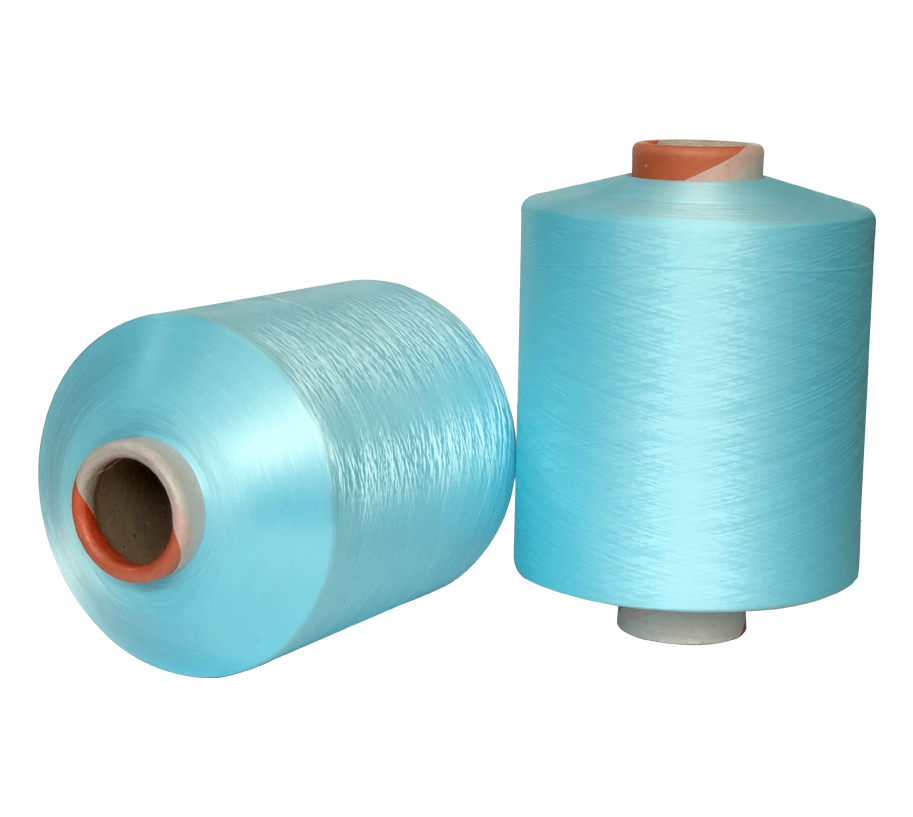
High Elastic 300D Magnolia Blue 99.99% Polyester Yarn for Weaving and KnittingCo...
See Details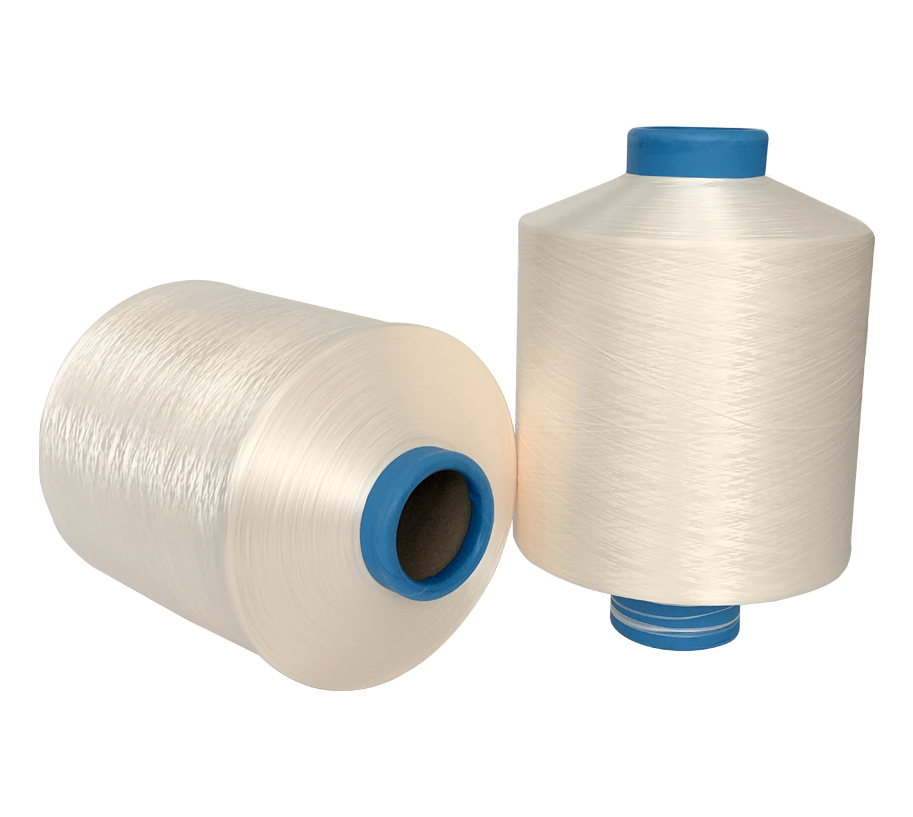
Anti-Bacterial 300D Milk White 99.99% Polyester Yarn for Hand KnittingColor: Mil...
See Details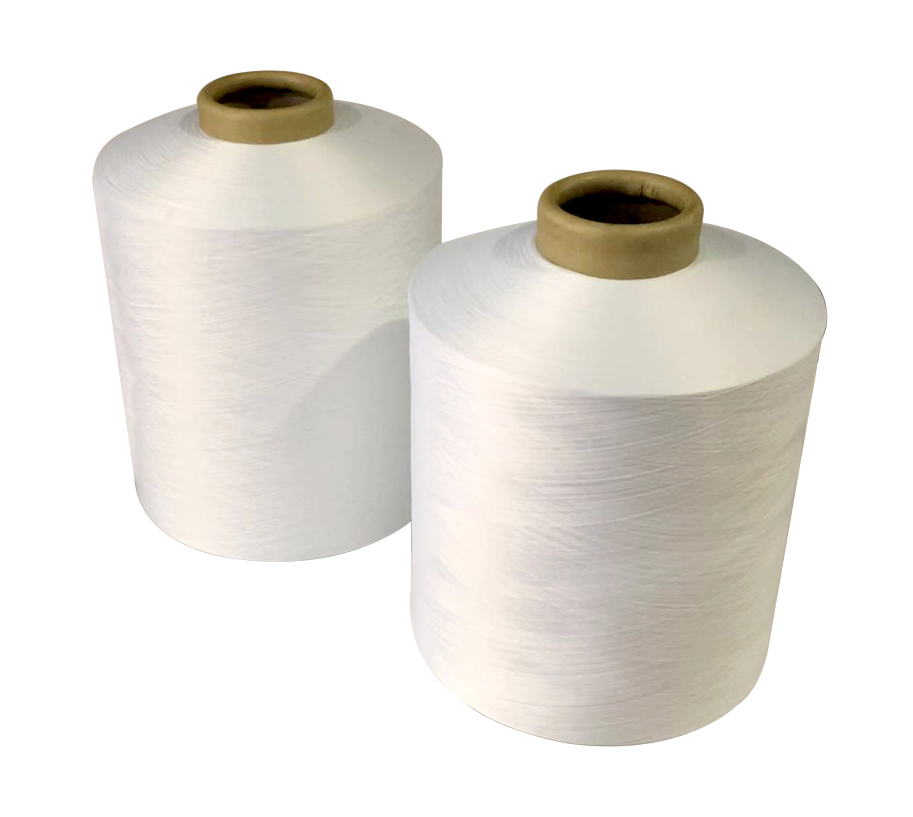
Sustainable 100D/36F RW NIM Polyester Yarn Yarn Count: 100D/36F Material: 99.99%...
See DetailsCopyright © Hangzhou Dingkai Chemical Fibre Co., Ltd. All Rights Reserved.
Wholesale China Polyester DTY Yarns Factory
