 Call:+86-571-82912975
 https://www.dkyarn.com
 English
 中文简体
中文简体
Pink/Rose Red/Red China 150D/48F Dty Polyester Yarn High Strength AA Grade Textu...
See Details

In the modern textile industry, Polyester SD Yarn has become an important raw material for textile manufacturing due to its excellent performance and broad application prospects. As a high-quality polyester yarn, Polyester SD Yarn not only plays a significant role in everyday clothing fabrics but also plays an irreplaceable role in industrial textiles, home furnishings, and functional textiles.
Polyester SD Yarn is made from high-strength polyester staple fibers and processed through a precise spinning process. It features a uniform fiber structure, high breaking strength, and good elasticity. This yarn has significant wear resistance and chemical corrosion resistance, maintaining good dimensional stability during long-term use. Compared with traditional polyester yarn, Polyester SD Yarn has optimized fiber density and yarn structure, resulting in better fabric feel, softness, and luster.
In terms of dyeing performance, Polyester SD Yarn exhibits excellent affinity. The uniform internal structure of the fiber ensures the penetration and adhesion of dyes, resulting in rich and long-lasting colors. Whether for light or dark fabrics, Polyester SD Yarn maintains color stability and is not prone to fading, providing a solid material guarantee for high-quality textiles.
The production process of Polyester SD Yarn determines its performance. From raw material selection to the spinning process, every step is strictly controlled to ensure the consistency and high quality of the yarn. The staple polyester is finely cut, carded, and spun, resulting in tightly arranged fibers, reducing impurities and fiber breakage rates, thereby improving the overall strength of the yarn.
During the spinning process, advanced tension control technology and precision machinery ensure uniform yarn thickness and winding tightness. By optimizing spinning parameters, Polyester SD Yarn not only possesses stable physical properties but also maintains excellent performance in subsequent processing steps such as weaving, knitting, and dyeing and finishing. Modern production processes also reduce energy consumption and production losses while ensuring high output, demonstrating the advantages of efficiency and environmental protection.
Due to its unique performance advantages, Polyester SD Yarn demonstrates exceptional value in a variety of application scenarios. In apparel fabrics, Polyester SD Yarn provides an ideal soft feel and wrinkle resistance, making the fabric both comfortable and easy to care for. In knitted and woven products, this yarn maintains the elasticity and strength of the fabric, extending the lifespan of the finished product.
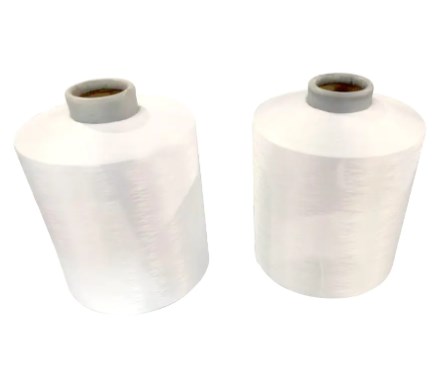
In home textiles, the abrasion resistance and washability of Polyester SD Yarn ensure aesthetic appeal and functional performance during long-term use. Its excellent moisture absorption and breathability also make it perform exceptionally well in applications such as bedding and curtains. Furthermore, with the continuous development of functional textiles, Polyester SD Yarn demonstrates good adaptability in waterproofing, stain resistance, and antibacterial treatments, providing a reliable material basis for high-value-added products.
As environmental concepts become more deeply integrated into the textile industry, Polyester SD Yarn also focuses on sustainability in its production process. High-quality polyester staple fibers can be recycled and reused, reducing reliance on virgin chemical materials and thus lowering the environmental impact. Optimizing the use of energy and water resources during the production process further enhances the product's green performance.
The durability of Polyester SD Yarn extends the lifespan of finished products, reducing the need for frequent replacement and waste generation. This environmental advantage not only aligns with the development trend of the modern textile industry but also meets consumer demand for sustainable products, providing a unique selling point for brands in the market.
The continuous innovation of Polyester SD Yarn is reflected not only in the production process but also in the optimization of fiber performance. By improving the fiber chemical structure and spinning process, the strength, elasticity, luster, and dyeing uniformity of the yarn have been significantly improved. At the same time, for special functional needs, the technological applications of Polyester SD Yarn in waterproofing, anti-static, UV protection, and antibacterial treatments are constantly expanding.
These technological innovations enable Polyester SD Yarn to not only meet the quality requirements of conventional textiles but also provide material support for high-end functional textiles. In the future, with the advancement of textile technology and materials science, the application areas of Polyester SD Yarn will be further broadened, and its performance will become more diversified, bringing more possibilities to the textile industry.
A1: Polyester SD Yarn is made from short fibers with a uniform fiber arrangement, resulting in superior strength and elasticity compared to ordinary polyester yarn. It also performs better in terms of dyeing, feel, and durability.
A4: Yes, Polyester SD Yarn is recyclable, and its production process is energy-efficient and reduces emissions. Its durability also helps reduce waste.
A2: Polyester SD Yarn is suitable for a variety of applications, including apparel fabrics, knitted and woven products, home textiles, and functional textiles.
A3: The yarn has a uniform structure, excellent dye penetration and adhesion, resulting in rich and long-lasting colors.
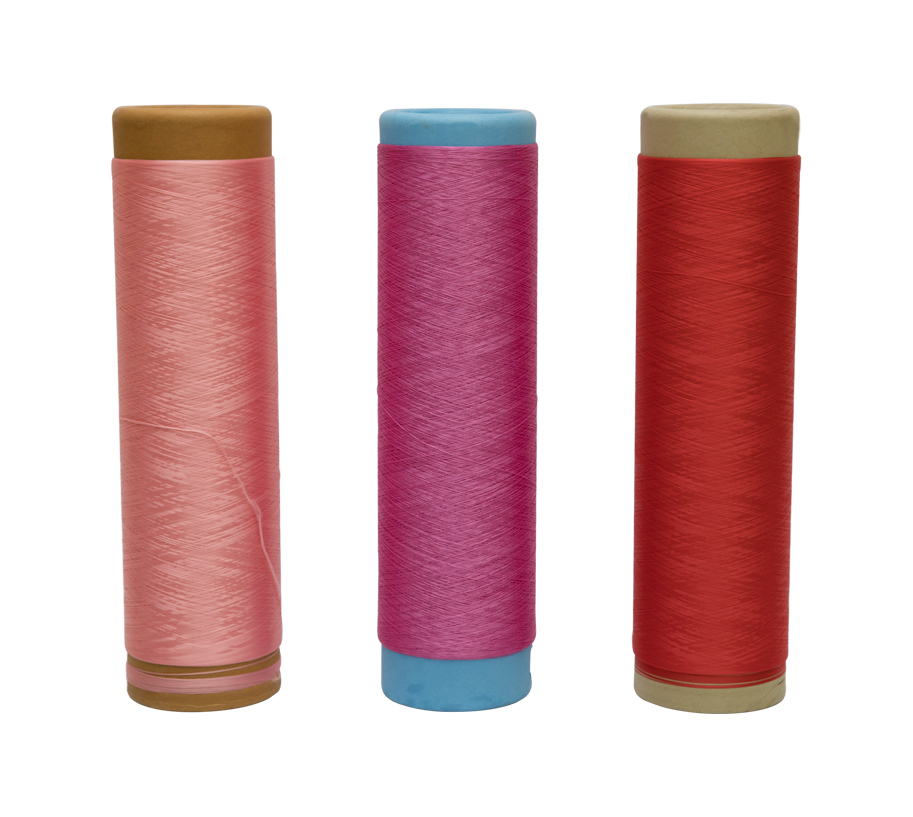
Pink/Rose Red/Red China 150D/48F Dty Polyester Yarn High Strength AA Grade Textu...
See Details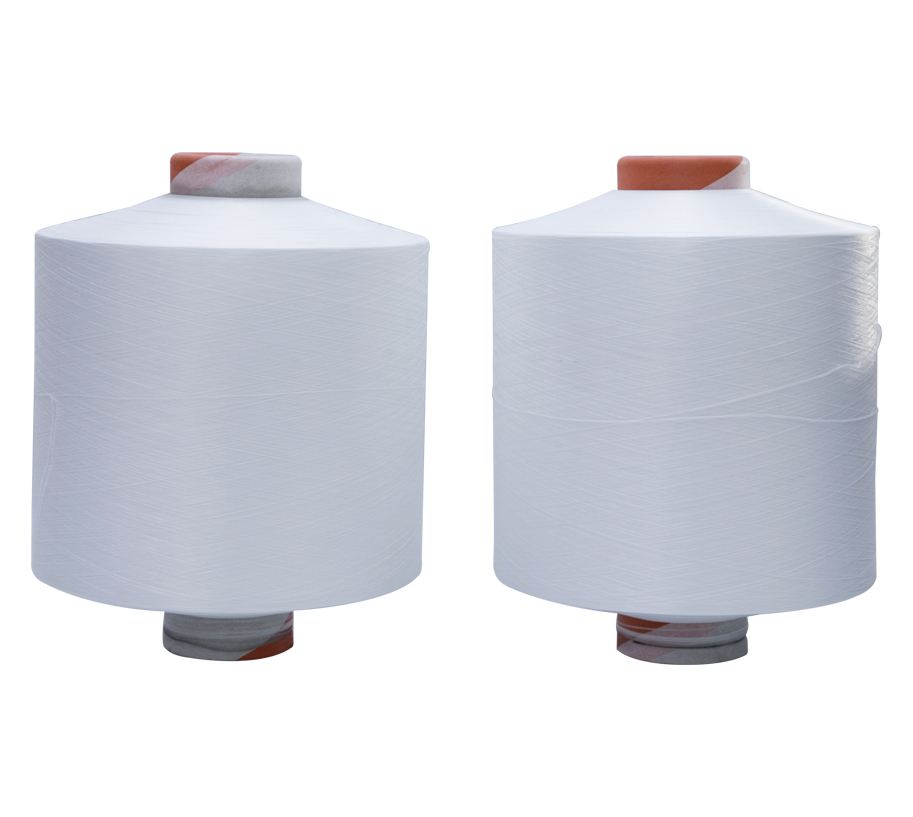
Recycled 150D48F RW HIM Polyester Yarn Type: Polyester Yarn Pattern: Raw Technic...
See Details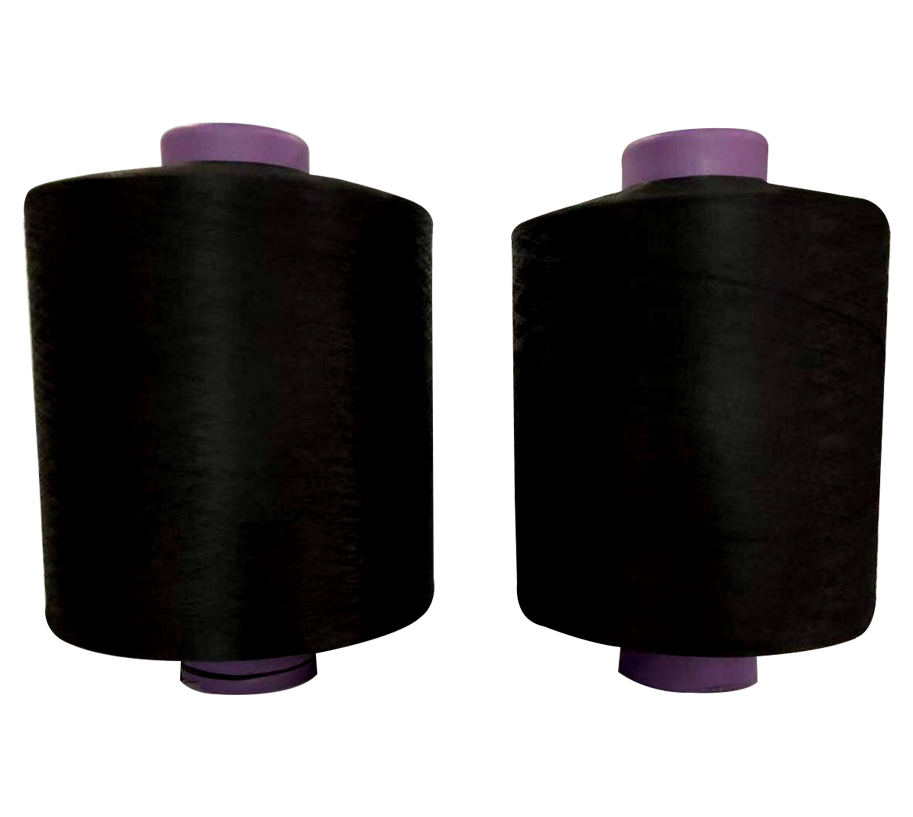
International Quality Standard 300D96F BLACK HIGH ELASTIC Polyester Yarn for Sea...
See Details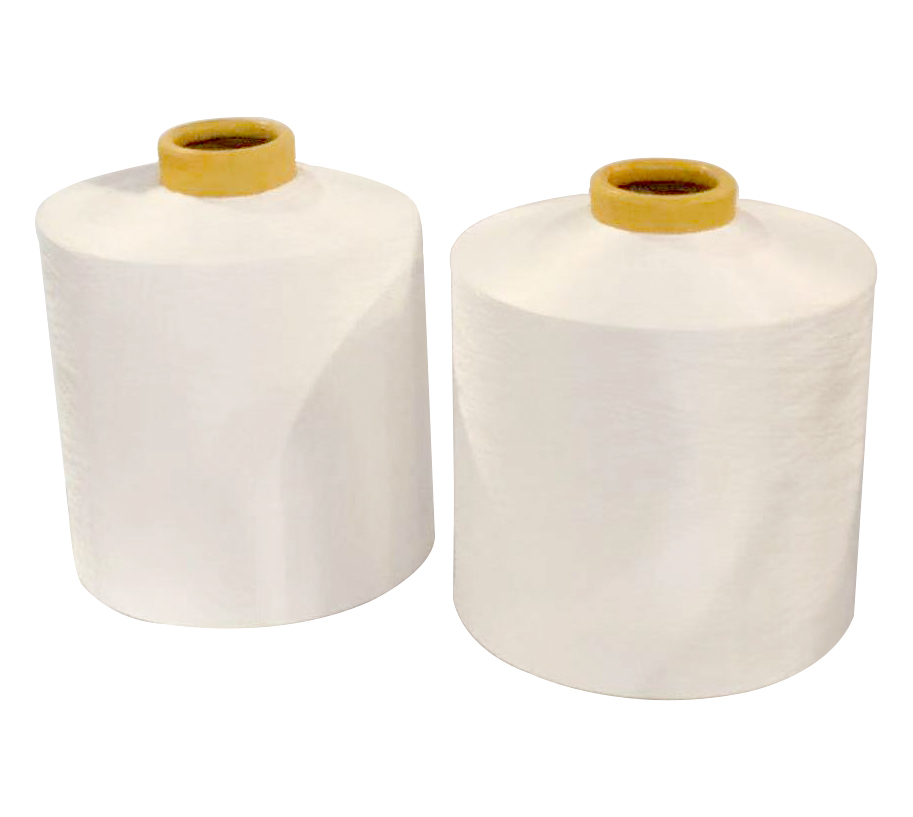
Yarn Type: High Intermingle Yarn Size: 450D/192F Twist: S+Z Color: White Pattern...
See Details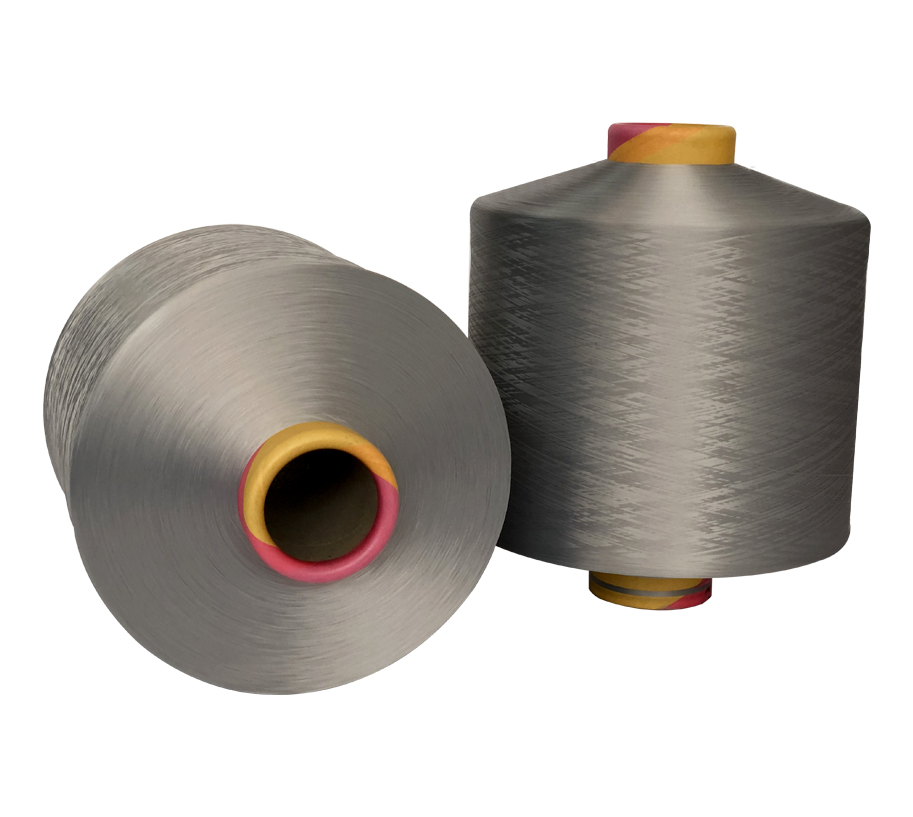
New Style 300d Gray 99.99% Polyester Yarn Eco-friendly OEM DTY Polyester Yarn St...
See Details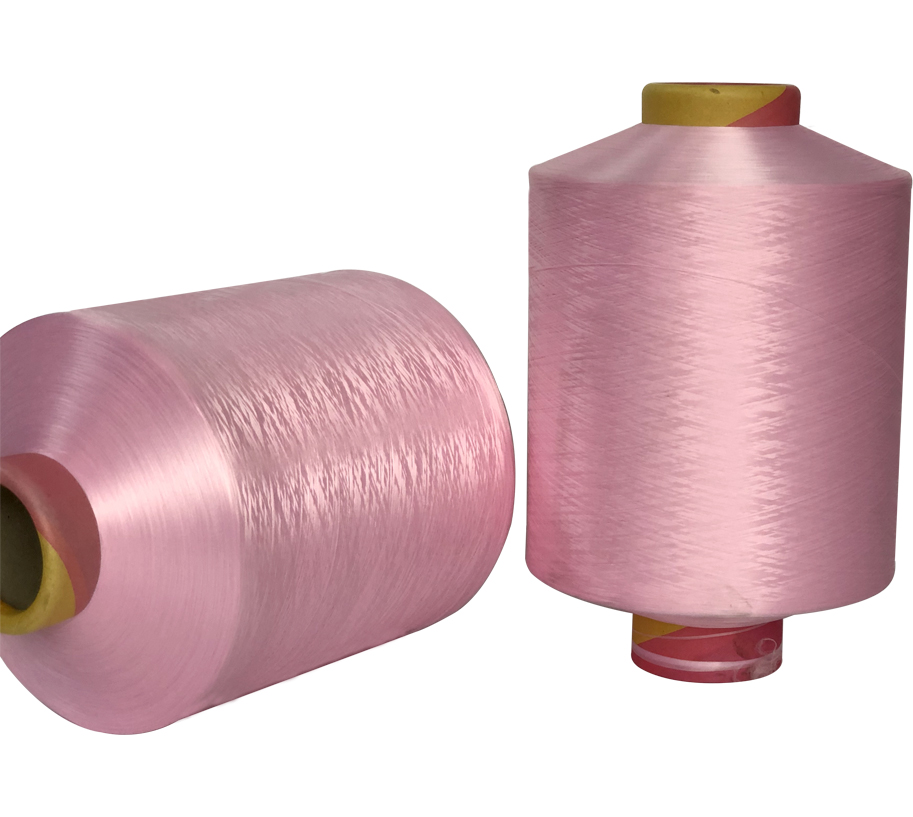
300D Pink High Elastic Polyester Yarn for Hand Knitting & SewingColor: Pink ...
See Details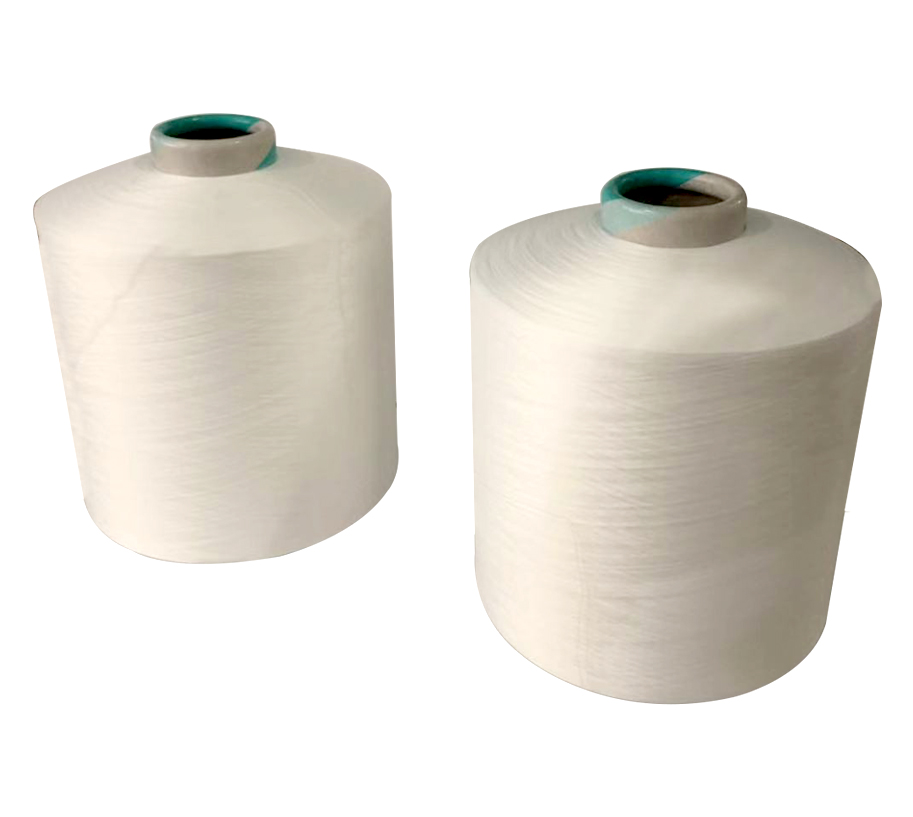
Anti-Bacteria 75D36F RW NIM(WHIT LITTLE INTEREMINGLE) Polyester Yarn Yarn Count:...
See Details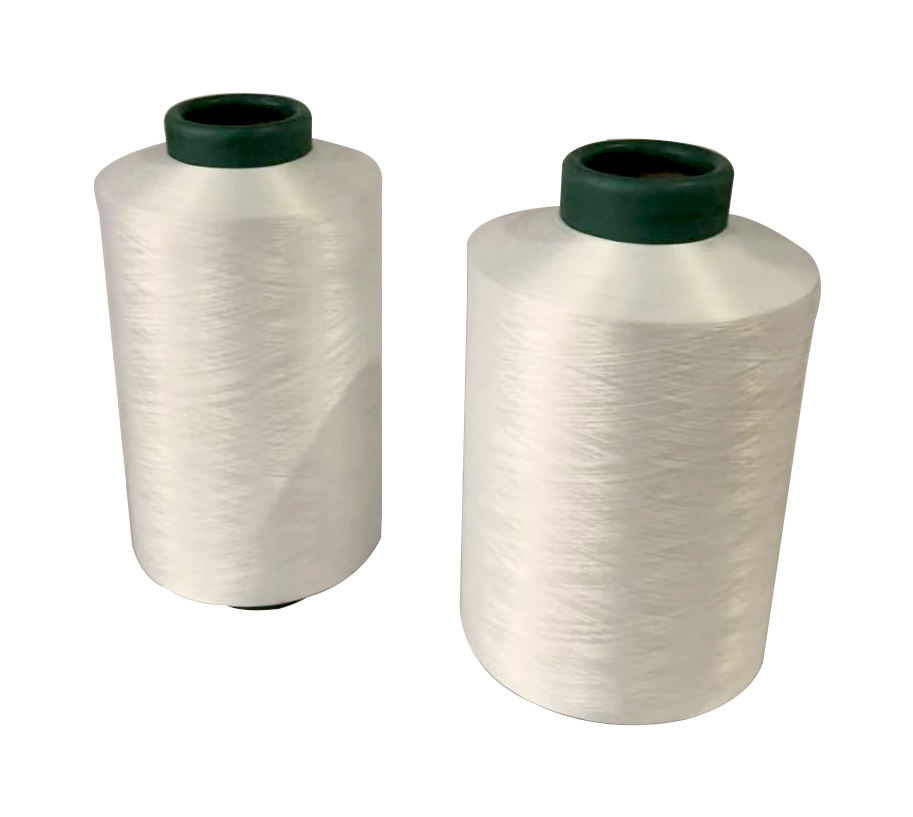
200D/96F RW NIM Polyester Yarn Name: 200D/96F RW NIM Polyester Yarn Color: White...
See DetailsCopyright © Hangzhou Dingkai Chemical Fibre Co., Ltd. All Rights Reserved.
Wholesale China Polyester DTY Yarns Factory
