Call:+86-571-82912975
 https://www.dkyarn.com
 English
 中文简体
中文简体
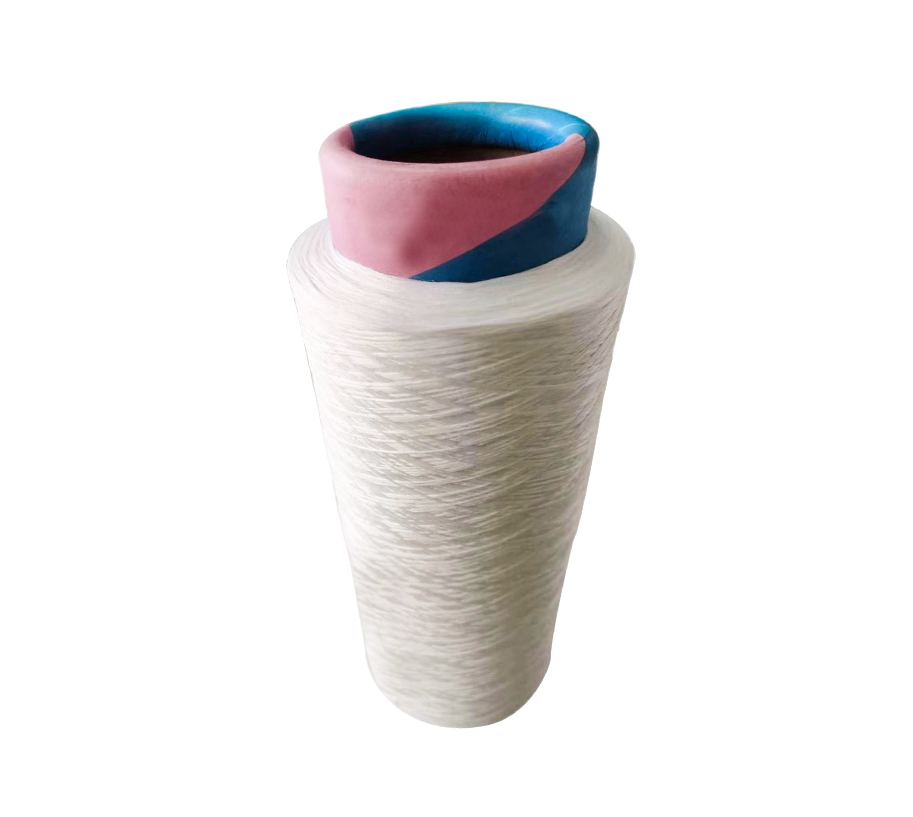
Functional White High elastic polyester yarn Eco-friendly high stretch Yarn for ...
See Details

When reviewing polyester DTY yarn specifications, procurement teams and fabric manufacturers regularly encounter three abbreviations that appear alongside the denier and filament count in product listings: NIM, SIM, and HIM. These stand for Non-Intermingled, Semi-Intermingled, and High-Intermingled, respectively, and they describe the number and density of intermingling (or interlacing) points along the yarn's length. This single parameter has a direct and significant effect on how the yarn behaves during weaving or knitting, how it handles during downstream fabric processing, and what the finished fabric's surface quality and structure will look like.
Despite its importance to yarn selection, the NIM/SIM/HIM classification is rarely explained clearly in general textile industry resources. Most buyers either learn the difference from trial and error or rely entirely on their machinery operator's preference without understanding why one intermingling level is better suited to their process than another. This guide explains what intermingling is, how it is produced, what NIM, SIM, and HIM mean in measurable terms, and which applications each is suited to — so that your yarn specification starts from informed requirements rather than guesswork.
Polyester DTY yarn is a multifilament yarn — it consists of many individual continuous filaments running in parallel to form the yarn bundle. In a yarn with no intermingling, these filaments are held together primarily by their crimp (created during the false-twist texturing process) and by the package winding tension. The filaments have no positive mechanical interlocking points along the yarn's length, which means the yarn bundle can separate — the individual filaments can spread apart from each other — under the tension and friction of the weaving or knitting process.
Intermingling (also called air entangling or air interlacing) is a process step in which the yarn is passed through a pneumatic air jet nozzle. A controlled burst of pressurized air creates turbulence that causes the individual filaments to cross and loop around each other at a specific point along the yarn length, forming a small, tight "node" or "knot" — the intermingle point. Between these nodes, the filaments run in parallel in the normal multifilament bundle structure. The nodes act as periodic mechanical fasteners that hold the filament bundle together along its length.
The density of these nodes — how many intermingle points exist per meter of yarn — is what the NIM, SIM, and HIM classification describes.
Non-Intermingled (NIM) yarn has zero or negligible intermingle points — the filaments are held together only by the crimp structure from texturing, with no air-jet entanglement nodes applied. This is the yarn in its simplest, most natural multifilament DTY form after the false-twist texturing process.
Typical intermingle point count: 0–10 nodes per meter (effectively no intentional entanglement).
Yarn handling characteristics: NIM yarn is the softest and most open of the three types. Because no tight nodes are binding the filaments together, the yarn is more easily splayed and divided — the filament bundle can open up readily under mechanical contact. This gives NIM yarn an exceptionally soft hand and a high degree of bulkiness when knitted or woven, because the filaments spread slightly as the fabric is formed, producing a fuller, softer fabric surface.
The trade-off: NIM yarn requires more careful handling in the weaving or knitting process. Because the filament bundle has less cohesion, it is more prone to filament separation and entanglement with adjacent yarns during high-speed processing. On weaving looms, NIM yarn may cause more end breaks than a well-intermingled equivalent, particularly at high speeds or with narrow dents. It typically requires sizing (starch or chemical sizing applied to the warp yarn to consolidate the filaments) before weaving in warp applications.
Best applications for NIM yarn:
Semi-Intermingled (SIM) yarn has a moderate density of intermingle points — enough to provide adequate filament cohesion for standard weaving and knitting processing, while preserving most of the yarn's softness and bulkiness. SIM is the intermediate specification and the most versatile option across the widest range of applications.
Typical intermingle point count: 50–80 nodes per meter.
Yarn handling characteristics: SIM yarn is significantly easier to handle on weaving equipment than NIM because the intermingle nodes maintain the filament bundle's cohesion through the guide, heddle, and reed contacts of the loom. The probability of filament separation causing end breaks is much lower than with NIM. At the same time, the moderate node count does not create the stiffness or the surface texture variation of very high intermingling, so the yarn retains good softness and a relatively smooth, even surface appearance in the woven fabric.
SIM is the default specification for most standard weaving applications — it provides the handling robustness that weavers require while not compromising the fabric quality that SIM-intermingled DTY is capable of producing. In knitting, SIM is equally well suited and is often preferred over HIM in finer gauge applications where the intermingled nodes in HIM can create slight irregularities visible on close inspection of the fabric surface.
Best applications for SIM yarn:
High-Intermingled (HIM) yarn has a high density of intermingle nodes — the filaments are tightly bound together at frequent intervals along the yarn's length, giving it a consolidated, cohesive bundle structure approaching that of a twisted yarn. HIM provides the maximum filament cohesion of the three types.
Typical intermingle point count: 100–150+ nodes per meter.
Yarn handling characteristics: HIM yarn is the most robust and process-friendly of the three types. The high node density means the filament bundle stays together reliably under the high-friction, high-tension conditions of shuttle weaving, rapier weaving, or air-jet weaving at high speeds. HIM is often specified for warp yarns in demanding weaving applications, for yarns processed on high-speed shuttleless looms where end breaks are costly, and for any application where the yarn must be stored and transported over long distances before use (the tight bundle structure resists filament disorder during handling and transport).
HIM yarn has a slightly firmer hand than NIM or SIM of the same denier and filament count, because the frequent tight nodes create a less open bundle structure. In the finished fabric, HIM can give a slightly crisper hand and a denser fabric surface. For applications where maximum fabric softness is the priority, HIM is not the first choice — SIM or NIM will produce a softer result. But for weaving efficiency, consistency, and reliability at high production speeds, HIM provides advantages that justify the slight compromise in fabric hand.
Best applications for the HIM yarn:
| Property | NIM (Non-Intermingled) | SIM (Semi-Intermingled) | HIM (High-Intermingled) |
|---|---|---|---|
| Intermingle points/meter | 0–10 | 50–80 | 100–150+ |
| Filament cohesion | Low — crimp only | Moderate — adequate for most processes | High — tightly bound bundle |
| Yarn hand/softness | Softest, most open | Soft, slightly less open | Firmer, denser bundle |
| Bulkiness | Highest | Moderate-high | Moderate |
| Weaving processability | Lower — requires sizing for warp | Good — suitable for most looms | Best — high-speed loom compatible |
| End break frequency (weaving) | Higher | Low-moderate | Lowest |
| Fabric hand (finished) | Softest, most luxurious | Soft, smooth | Slightly crisper |
| Fabric surface uniformity | Very even — no node marks | Even — occasional node visible in fine gauges | Nodes are occasionally visible in sheer fabrics |
| Best process type | Knitting, sized weaving, and plied yarns | Most weaving and knitting applications | High-speed weaving; warp yarns; heavy fabrics |
| Typical end applications | Fine knitwear, intimates, soft home textiles | Apparel fabrics, curtains, upholstery, sportswear | Technical textiles, heavy weaving, industrial, export-grade warp |
The intermingling level specification does not exist in isolation — it interacts with the yarn's denier, filament count, and elasticity type in ways that affect the practical result in your process and fabric.
Denier and intermingling: In finer yarns (75D, 100D, 150D), the filaments are thinner and more numerous per unit of denier, making the filament bundle inherently more fragile and more prone to separation. For fine-denier DTY used in warp weaving, SIM or HIM is strongly preferred over NIM to maintain processability. In heavier yarns (300D, 600D), the filaments are individually more robust, and NIM can be handled more easily, though SIM or HIM still reduces end breaks and handling difficulty in high-speed production.
Filament count (F) and intermingling: A yarn with a higher filament count (more filaments at the same denier — for example, 150D/96F versus 150D/36F) has finer individual filaments that are more easily separated. Higher filament counts generally benefit more from intermingling (SIM or HIM) to maintain bundle cohesion than lower filament counts of the same denier.
High-elastic vs standard DTY and intermingling: High-elastic (high-stretch) DTY yarns have a more aggressive crimp structure that provides more inherent filament-to-filament contact than standard DTY. This means high-elastic yarns can often tolerate lower intermingling levels (NIM or SIM) in applications where standard DTY would require SIM or HIM for the same processability. When substituting high-elastic DTY for standard DTY in an existing process, the intermingling level specification may need to be adjusted accordingly.
In most knitting processes, yes — substituting SIM for NIM typically improves yarn handling without requiring process adjustment. The fabric may have a marginally firmer hand compared to NIM at the same denier, which is usually not noticeable to end users. In weaving, switching from NIM to SIM warp yarn typically reduces end break frequency and may allow a small increase in loom speed — generally beneficial. The opposite substitution (NIM for SIM) in a weaving process may increase end breaks and require sizing or a speed reduction to compensate for the lower filament cohesion.
In most standard fabric constructions and at typical intermingling densities, the nodes are not visible to the naked eye in the finished fabric. In very fine, sheer fabrics — lightweight chiffon, fine voile, transparent curtain fabrics — at very high magnification, a slight variation in the yarn bundle diameter at node points may be detectable. For these applications, NIM or SIM at the lower end of the node count range is typically specified to minimize any node-related visual variation. In most apparel and home textile applications, intermingling nodes have no visible effect on the finished fabric surface.
No — intermingling and twisting are distinct processes that achieve filament cohesion through different mechanisms, and they produce different yarn structures and handling properties. Twisting inserts a continuous helical rotation into the yarn bundle that runs along its entire length — every point of the yarn has the same degree of twist. Intermingling creates periodic discrete nodes of filament interlocking, with unentangled parallel filament sections between nodes. Twisted yarns are stiffer and have a more defined surface texture than intermingled yarns of equivalent cohesion; intermingled yarns retain more of the DTY's natural bulk, softness, and crimp between nodes. For most DTY fabric applications, intermingling is preferred over twisting because it maintains the yarn's desirable texture characteristics while providing sufficient cohesion for processing.
Hangzhou Dingkai Chemical Fibre Co., Ltd., Hangzhou, Zhejiang, manufactures polyester DTY yarn in Non-Intermingled (NIM), Semi-Intermingled (SIM), and High-Intermingled (HIM) configurations across the full denier range from 75D to 600D, in standard and high-elastic types. All products meet Grade A and Grade AA quality standards. Available in raw white and a full range of dyed colors. Exported to over 30 countries, including Vietnam, South Korea, Russia, Morocco, Mexico, and the Philippines. Custom specifications, including specific intermingle point counts within each category, are available on request for OEM and large-volume orders.
Contact us with your required denier, filament count, intermingling level, and twist direction to receive specifications and pricing.
Related Products: Conventional Polyester Yarn (DTY, SD, FDY) | Colorful Yarn | Spandex Yarn
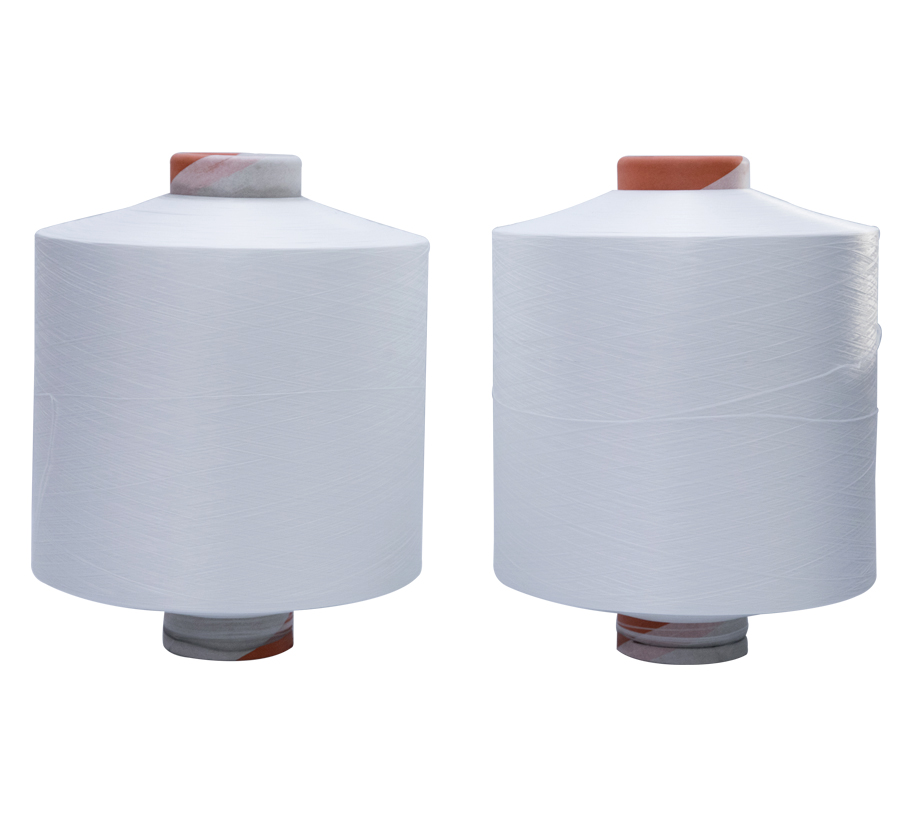
Functional White High elastic polyester yarn Eco-friendly high stretch Yarn for ...
See Details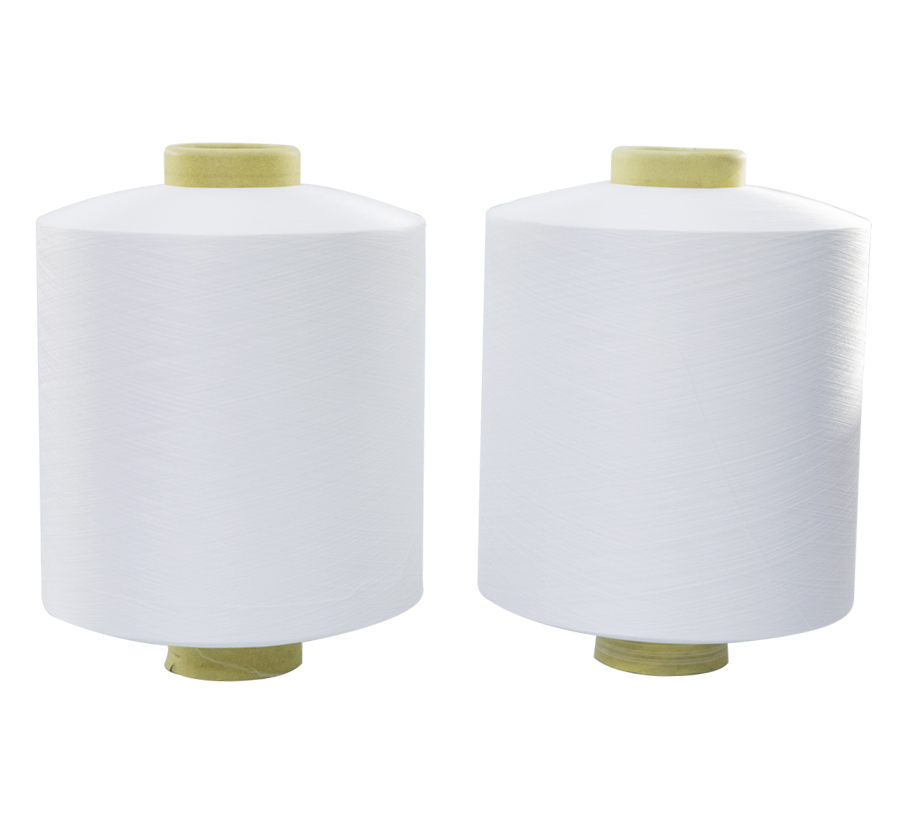
Product Name: DTY 150D/36F HIM Polyester Yarn Size: 150D/36F Twist: S+Z Pattern:...
See Details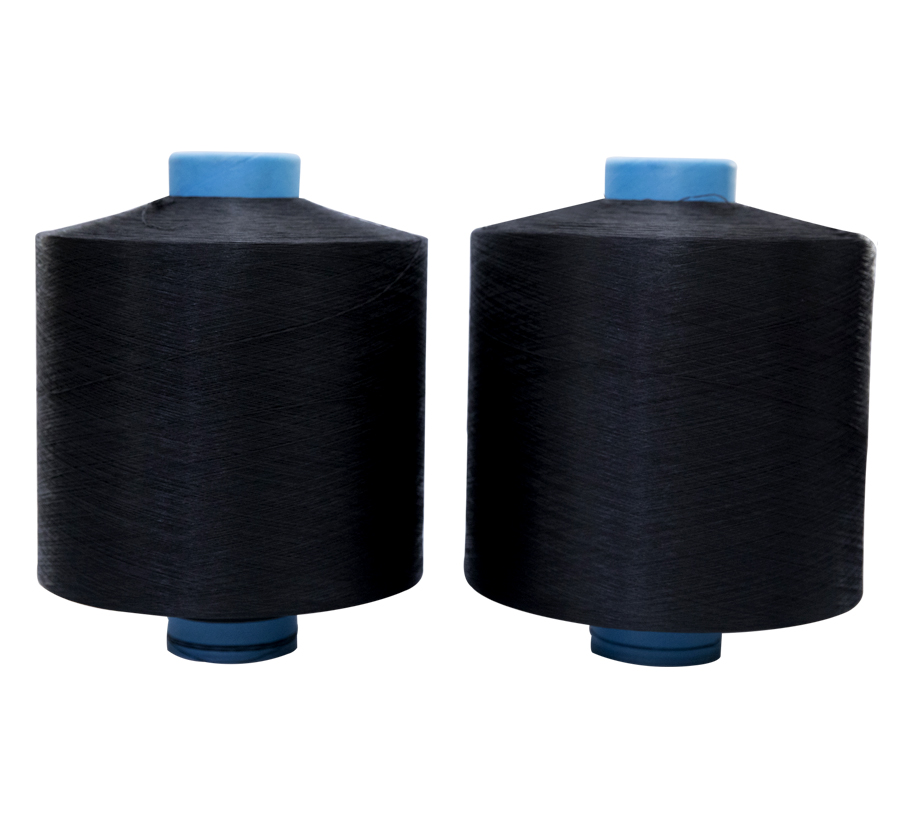
Yarn Type: Polyester High Elastic Yarn Size: 450D/192F Material: 99.99% Polyeste...
See Details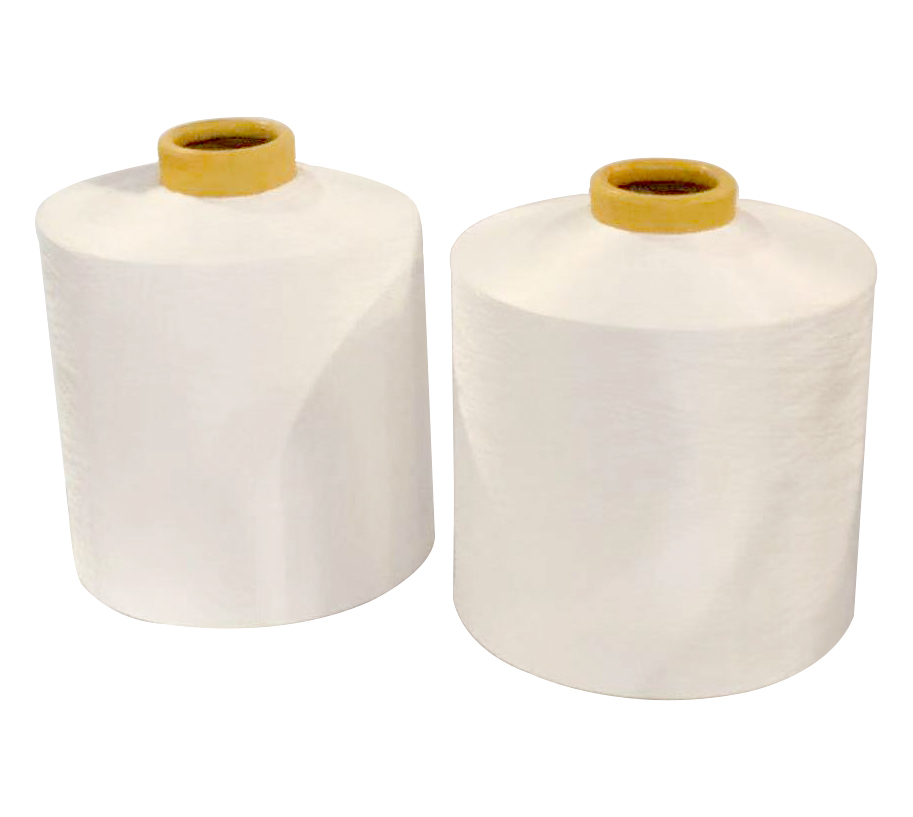
Yarn Type: High Intermingle Yarn Size: 450D/192F Twist: S+Z Color: White Pattern...
See Details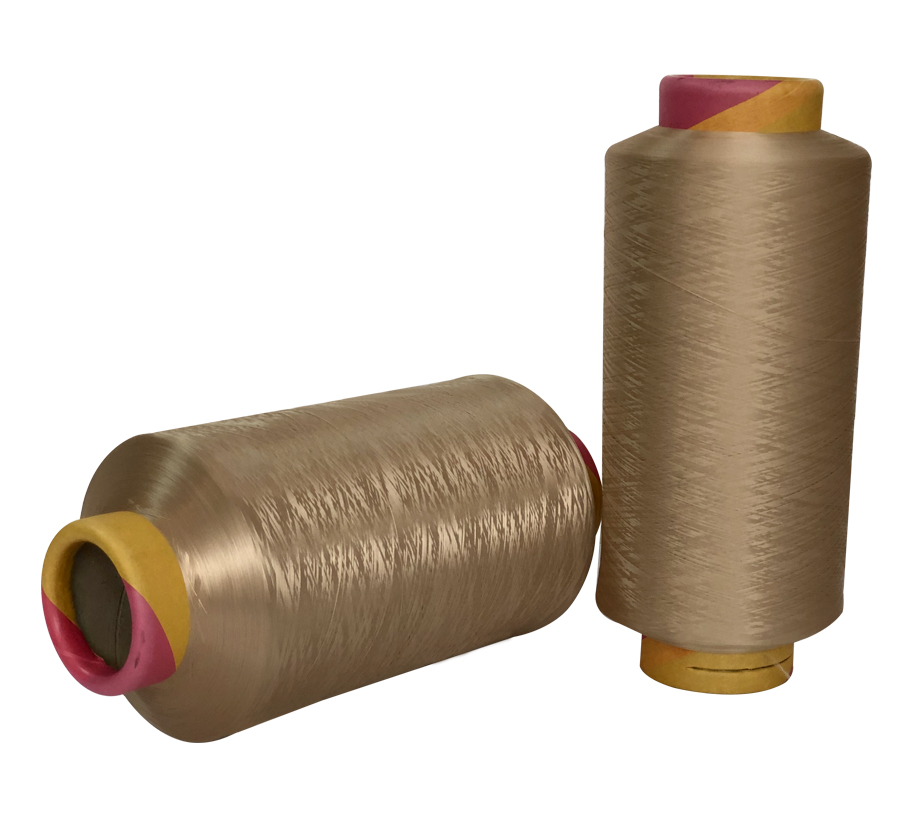
High Temperature-Resistant 300D Brown 99.99% Polyester Yarn for Hand Knitting an...
See Details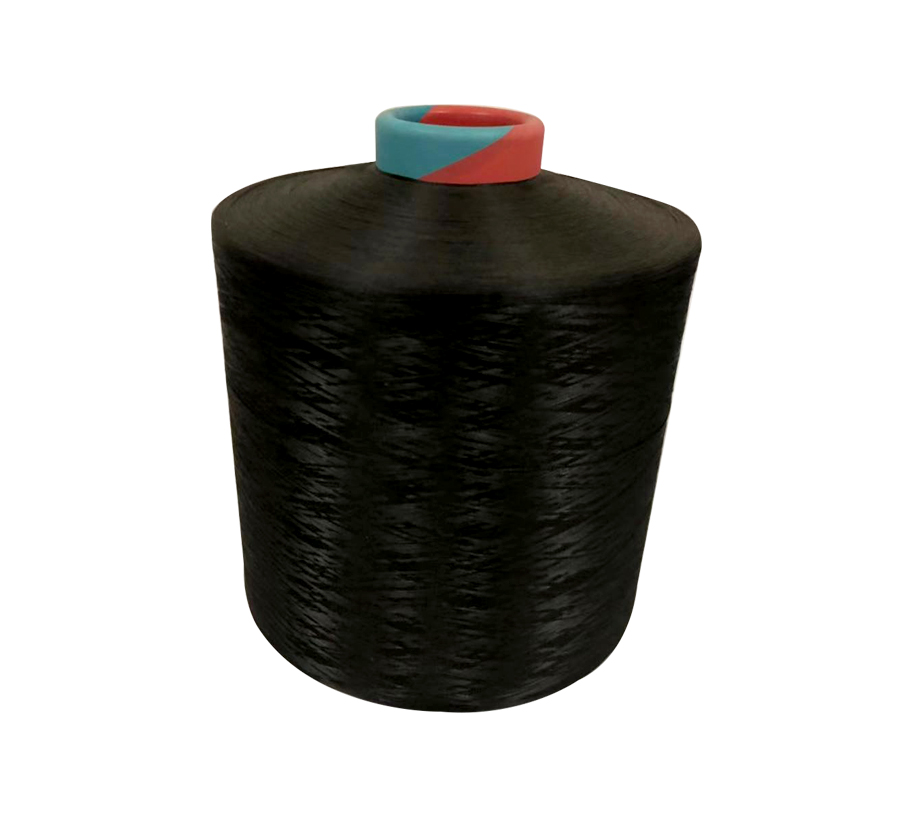
Name: 75D/36F BLACK NIM Polyester Yarn Color: Black Denier: 75D/36F Material: 99...
See Details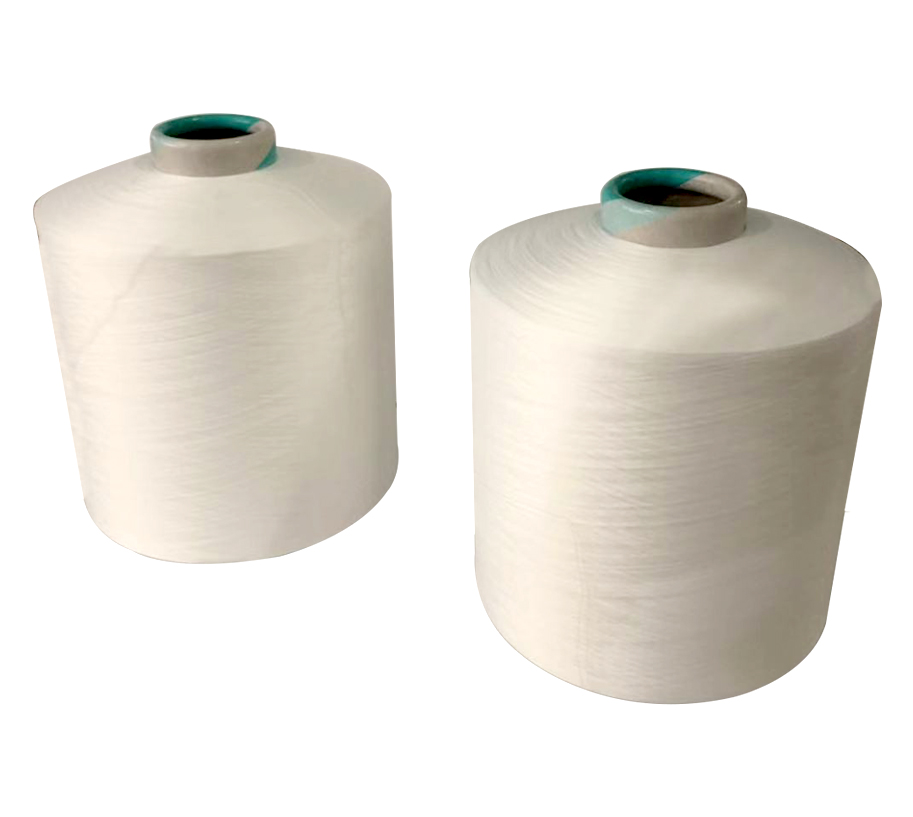
Anti-Bacteria 75D36F RW NIM(WHIT LITTLE INTEREMINGLE) Polyester Yarn Yarn Count:...
See DetailsCopyright © Hangzhou Dingkai Chemical Fibre Co., Ltd. All Rights Reserved.
Wholesale China Polyester DTY Yarns Factory