 Call:+86-571-82912975
 https://www.dkyarn.com
 English
 中文简体
中文简体
White/Brown/Green 150D/48F DTY Yarn 99.99% Polyester AA Grade Eco-friendly Yarn ...
See Details

Polyester SD Yarn has become a significant material in the textile industry, particularly in the context of sustainable fashion. As fashion brands and manufacturers continue to prioritize eco-friendly practices, Polyester SD Yarn has emerged as a leading choice due to its versatility, durability, and sustainable production processes. This article explores why Polyester SD Yarn is a popular material for sustainable fashion and how it compares to other textiles.
Sustainable fashion is gaining increasing importance in response to environmental challenges, such as the depletion of natural resources and the increasing levels of textile waste. As a result, materials that are both durable and recyclable, like Polyester SD Yarn, have gained significant traction in the market. This article will delve into the various reasons why Polyester SD Yarn has become a popular choice in sustainable fashion, touching on key benefits, market trends, and comparative analysis.
Polyester SD Yarn (SD stands for "semi-dull," referring to the finish of the yarn, which provides a slightly matte surface compared to fully bright polyester yarns) is a synthetic fiber commonly used in textile production. It is produced by polymerizing ethylene glycol and terephthalic acid, then spinning it into yarn. This process gives Polyester SD Yarn several advantageous characteristics, including high durability, strength, and resistance to wear and tear. These properties make it ideal for a wide range of textile applications, particularly in sustainable fashion.
One of the key advantages of Polyester SD Yarn is its suitability for knitting applications. The yarn's flexibility and strength make it ideal for producing lightweight and durable knitted fabrics, which are highly sought after in the eco-friendly fashion industry. Additionally, Polyester SD Yarn is less prone to fading or stretching, ensuring that garments maintain their shape and color over time.
The comparison of Polyester SD Yarn with cotton yarn, a commonly used material in the fashion industry, is important in understanding why polyester has become a preferred choice for sustainable fashion. Below is a table that compares key characteristics:
| Property | Polyester SD Yarn | Cotton Yarn |
| Durability | Highly durable, resistant to wear and tear | Less durable, prone to wear and tear |
| Environmental Impact | Can be made from recycled PET, reducing waste | Requires large amounts of water and pesticides |
| Production Cost | Lower production costs | Higher due to agricultural needs |
In addition to its suitability for knitting applications, Polyester SD Yarn offers a range of benefits for textile production, particularly in sustainable manufacturing. As a synthetic fiber, it requires less water and chemicals during production compared to natural fibers like cotton, making it an environmentally friendlier option. Moreover, the yarn can be recycled, contributing to a more circular economy in the textile industry.
The growing demand for sustainable fashion is directly linked to the environmental impact of textile production. Polyester SD Yarn is a sustainable choice due to its ability to be recycled multiple times, reducing the need for virgin materials. Brands that use Polyester SD Yarn in their garments are able to contribute to reducing textile waste, while also meeting consumer demand for eco-friendly products. Additionally, the long lifespan of garments made with Polyester SD Yarn reduces the frequency of replacements, which in turn lessens the overall environmental footprint.
When comparing Polyester SD Yarn to nylon, it's important to assess their respective strengths and weaknesses in terms of durability. While both materials are durable, Polyester SD Yarn generally offers superior resistance to UV rays, moisture, and chemicals. This makes it a better choice for outdoor wear and garments exposed to frequent washing. In contrast, nylon is more susceptible to damage from UV light and can degrade more quickly when exposed to sunlight over time.
The table below summarizes the key differences in durability between Polyester SD Yarn and nylon:
| Property | Polyester SD Yarn | Nylon |
| UV Resistance | Highly resistant | Prone to degradation |
| Water Resistance | Highly resistant | Absorbs water, weakening fabric |
| Longevity | Lasts longer with proper care | Degrades faster with exposure to UV light |
Polyester SD Yarn has emerged as a vital material in the transition towards more sustainable fashion. Its durability, recyclability, and lower environmental impact make it an ideal choice for brands aiming to reduce their ecological footprint. As the demand for sustainable fashion continues to grow, Polyester SD Yarn is well-positioned to play a pivotal role in the future of the textile industry.
The primary benefit is its recyclability, which helps reduce textile waste while maintaining high durability.
Polyester SD yarn has a lower environmental impact than cotton, as it requires less water and pesticides to produce.
Yes, Polyester SD Yarn can be recycled, contributing to a more circular textile economy.
Yes, Polyester SD Yarn is highly resistant to UV rays and water, making it ideal for outdoor wear.
Polyester SD Yarn is more UV-resistant and maintains its strength even when exposed to moisture, unlike nylon, which degrades faster in sunlight.
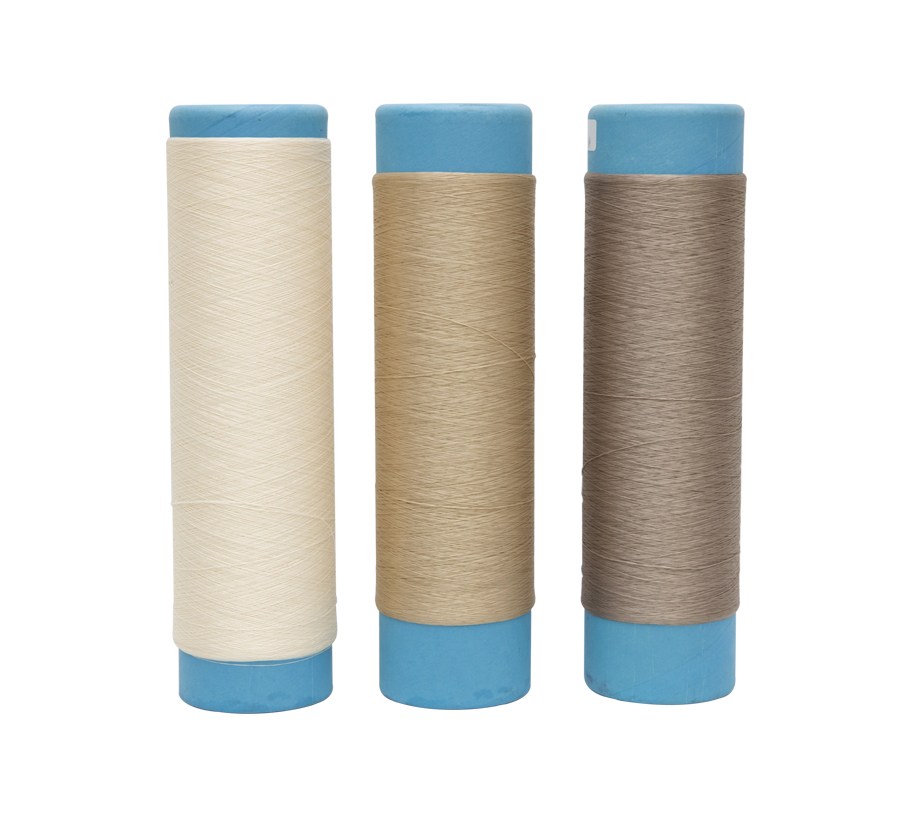
White/Brown/Green 150D/48F DTY Yarn 99.99% Polyester AA Grade Eco-friendly Yarn ...
See Details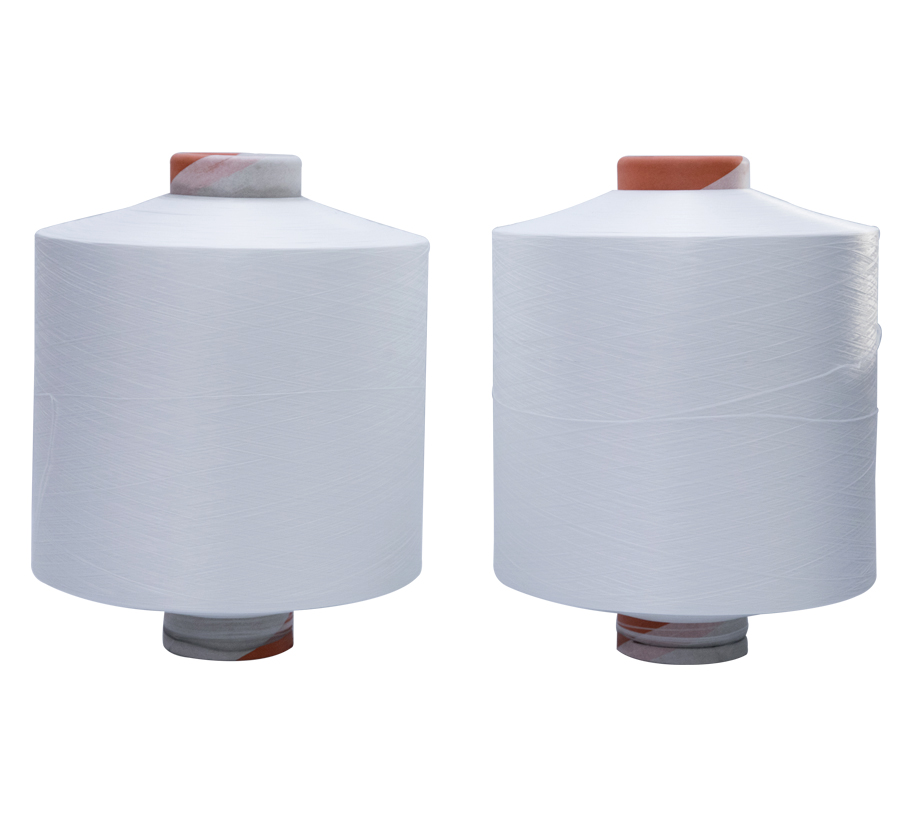
Functional White High elastic polyester yarn Eco-friendly high stretch Yarn for ...
See Details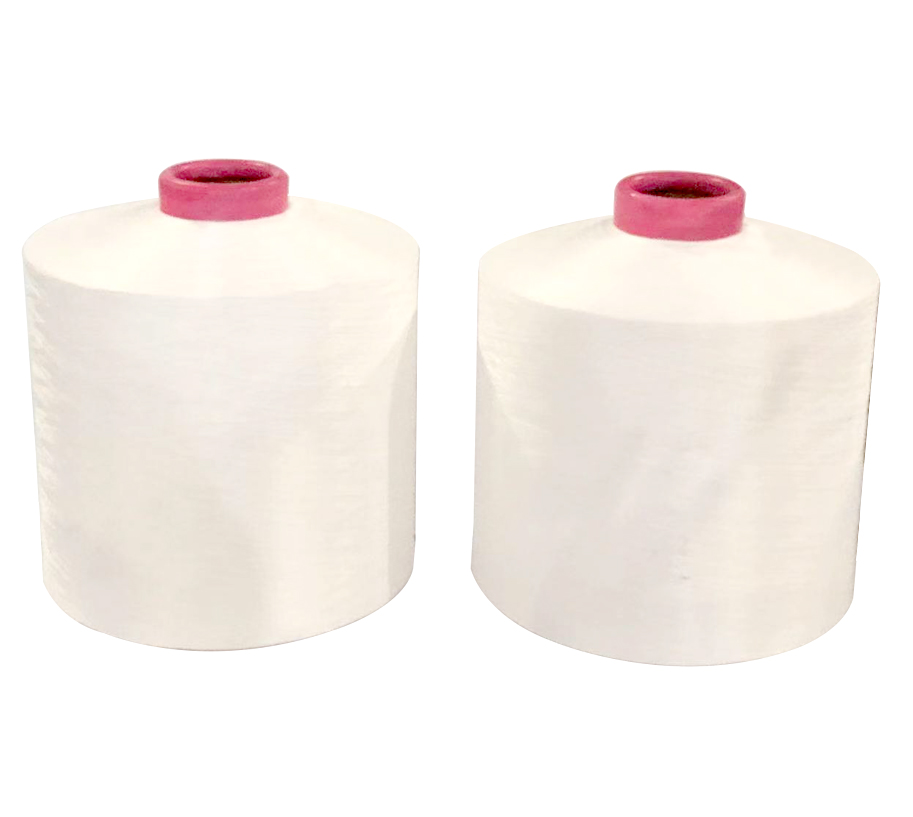
High Tenacity 600D/192F RW S+Z HIM Polyester Yarn Yarn Count: 600D/192F Color: R...
See Details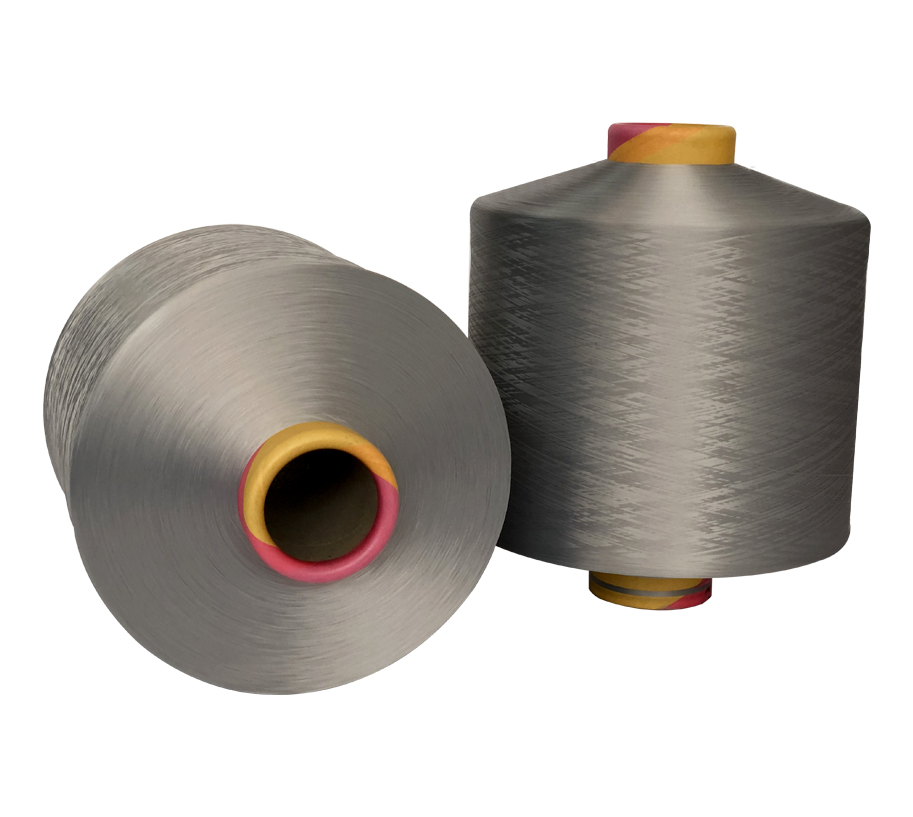
New Style 300d Gray 99.99% Polyester Yarn Eco-friendly OEM DTY Polyester Yarn St...
See Details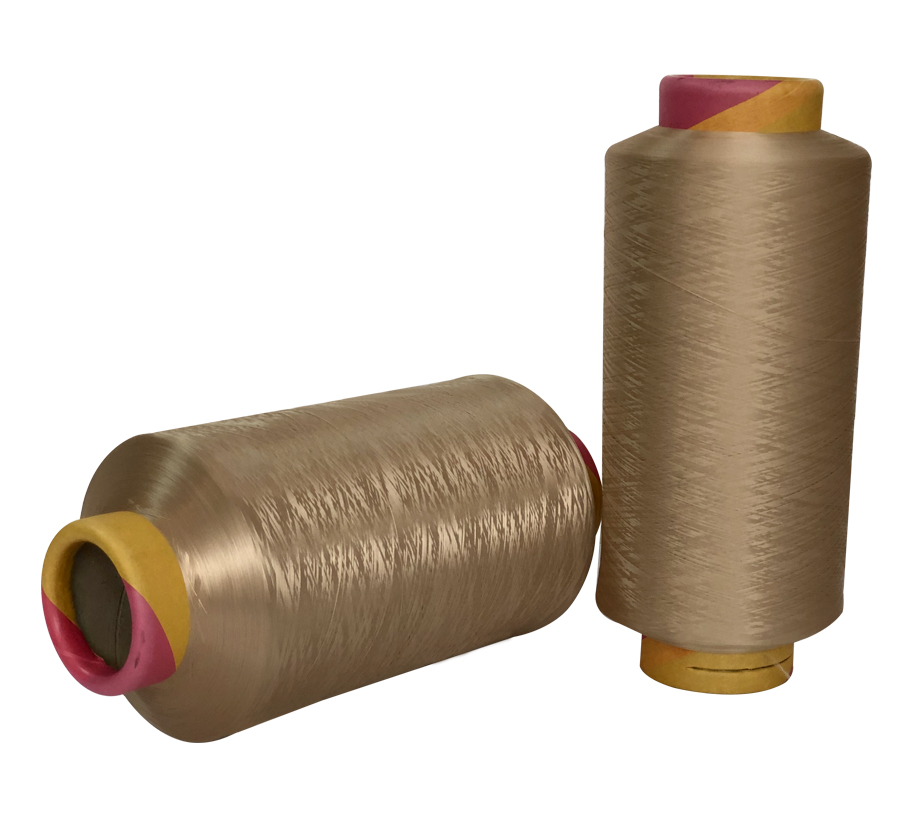
High Temperature-Resistant 300D Brown 99.99% Polyester Yarn for Hand Knitting an...
See Details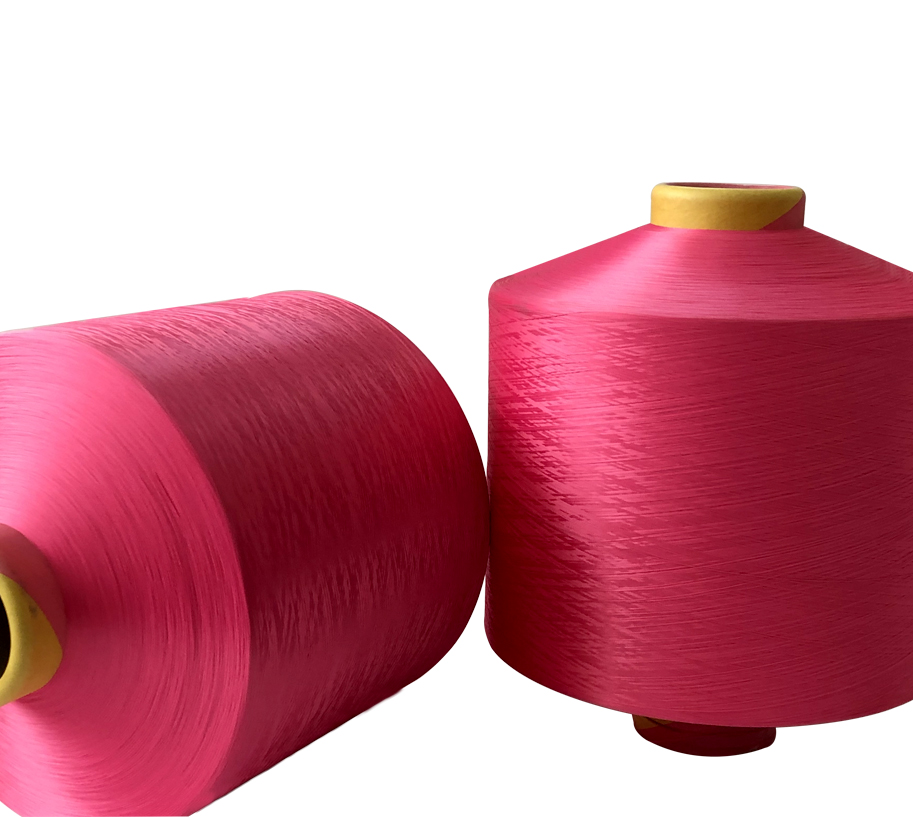
Durable 300D Rose Red 99.99% Polyester Yarn for Weaving & EmbroideryColor: R...
See Details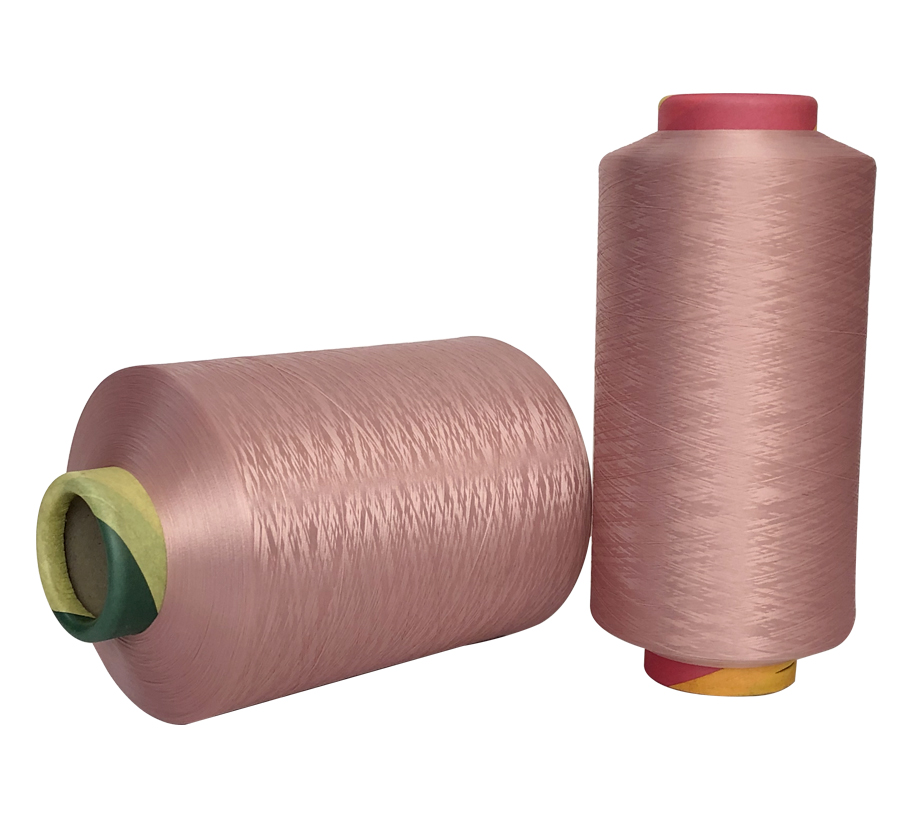
300D Rubber Red 99.99% Polyester Yarn for Knitting & Weaving Color: Rubber R...
See Details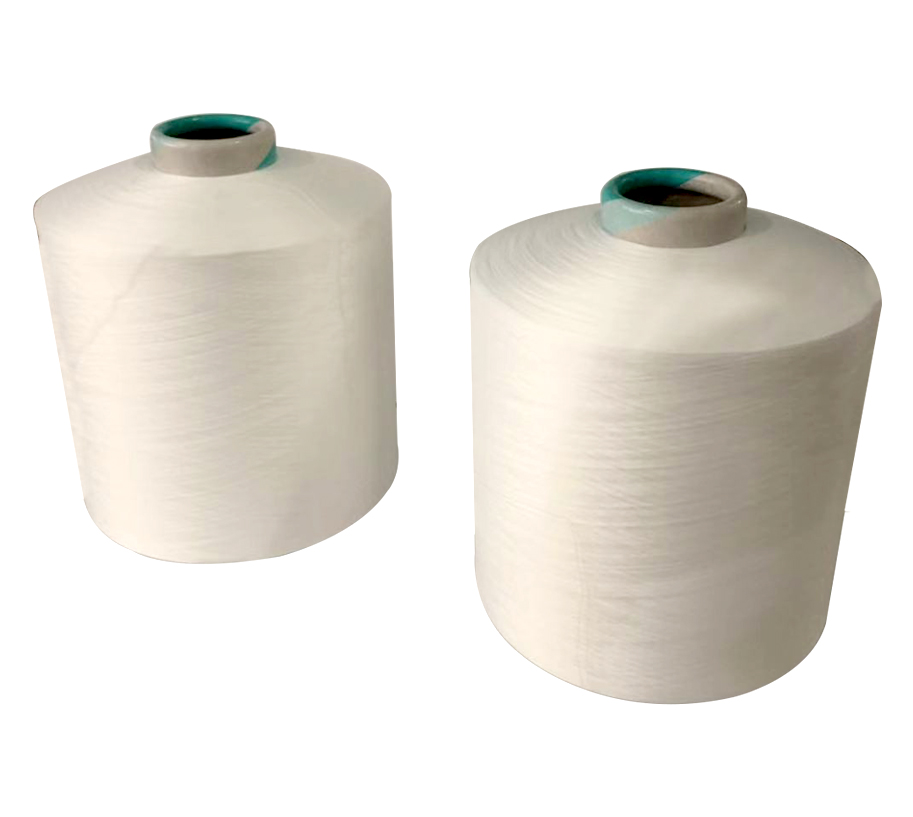
Anti-Bacteria 75D36F RW NIM(WHIT LITTLE INTEREMINGLE) Polyester Yarn Yarn Count:...
See DetailsCopyright © Hangzhou Dingkai Chemical Fibre Co., Ltd. All Rights Reserved.
Wholesale China Polyester DTY Yarns Factory
