Call:+86-571-82912975
 https://www.dkyarn.com
 English
 中文简体
中文简体
Yellow Orange China 300D/96F Dty Polyester Yarn Eco-friendly Recycle Dty Yarn Fo...
See Details

Polyester raw material is the most widely used synthetic polymer raw material in the global manufacturing industry, with terephthalic acid (PTA) and ethylene glycol (MEG) as its core basic raw materials, and polyethylene terephthalate (PET) as the main polymer form. It occupies more than 50% of the global fiber market share and is also an indispensable key material in packaging, industrial manufacturing, construction, and automotive fields.
The core advantages of polyester raw material are excellent cost performance, stable physical and chemical properties, wide processing adaptability, and recyclable characteristics. It can meet the needs of different industries through modification and processing, and has become a pillar raw material supporting the development of modern light industry, heavy industry, and high-tech industries. The supply chain stability, production technology level, and quality control of polyester raw material directly affect the operational efficiency and product quality of downstream industries.
In the global industrial system, polyester raw material is not a single material but a complete industrial chain covering petrochemical extraction, polymerization production, modification processing, and recycled utilization. With the advancement of green and low-carbon development, bio-based polyester and recycled polyester have become important development directions, further expanding the application boundaries and sustainable development potential of polyester raw materials.
The production of polyester raw material relies on two key petrochemical products, which are the basis for forming polyester polymers. Any change in the supply or price of these two raw materials will directly affect the entire polyester industry chain.
After polymerization reaction of primary raw materials, different forms of polyester raw materials are formed, which are directly used for downstream processing and production. These forms are developed for different application scenarios and have distinct performance characteristics.
With the global emphasis on environmental protection, sustainable polyester raw materials have developed rapidly and have become an important part of the market. This type of raw material reduces dependence on petrochemical resources and lowers carbon emissions in the production process.
| Raw Material Type | Main Component | Application Field |
|---|---|---|
| Virgin Polyester | PTA + MEG | Textile, Packaging, Industry |
| Recycled Polyester | Waste PET Recycling | Eco-textile, Packaging |
| Bio-based Polyester | Biological Resources | High-end Textile, Medical |
The physical properties of polyester raw material determine its processing performance and application effect, which are the core indicators for downstream manufacturers to select raw materials. These properties can be adjusted through production process control to meet different usage needs.
Polyester raw material has strong resistance to chemical corrosion, which makes it widely used in industrial and special environments. It is not affected by common chemical reagents and maintains long-term performance stability.
Polyester raw material has excellent processing adaptability, can be processed into various forms through different processes, and is compatible with most modern industrial processing equipment. It can be molded by melting, spinning, drawing, blow molding and other processes, with high production efficiency and low defective rate.
At the same time, polyester raw material can be blended with other materials such as cotton, wool, nylon, etc. to combine the advantages of various materials and develop composite products with better performance. This blending process has been widely used in the textile industry, accounting for more than 60% of the blended fabric market.
The production of polyester raw material is a continuous industrial process with high automation and strict process control. The entire process is completed in airtight production equipment to ensure the purity and stability of the raw material.
With the development of technology, the polyester production industry has adopted many advanced technologies to improve production efficiency, reduce energy consumption and improve product quality. These technologies have become the standard configuration of modern polyester production plants.
The production process of recycled polyester raw material is different from that of virgin polyester, focusing on the recycling and purification of waste materials. It is divided into physical recycling and chemical recycling, which are suitable for different waste sources.
Physical recycling is the most commonly used method, which cleans, crushes, melts and recrystallizes waste PET bottles to make recycled chips. This process has low cost and high efficiency, and can meet the needs of most textile and packaging fields. Chemical recycling is to decompose waste polyester into original chemical monomers, which are repolymerized into high-purity polyester raw material, suitable for high-end food packaging and medical fields.
The quality of polyester raw material directly determines the performance of downstream products, so the industry has formulated clear quality control indicators. Qualified polyester raw material must meet the standards of viscosity, melting point, impurity content and other aspects.
The global polyester raw material industry adopts unified testing standards to ensure the interchangeability and stability of products. The main standards include international organization standards and national industry standards, which are mandatory in production and trade.
All polyester raw materials entering the market must pass the standard testing, and products that do not meet the standards cannot be used in formal processing and production. This standardized quality control system ensures the orderly development of the global polyester industry chain.
Polyester raw material is easy to absorb moisture and is contaminated by impurities, so strict control is required in storage and transportation links. Professional storage warehouses need constant temperature and humidity control, and transportation must use sealed packaging to avoid rain and moisture.
If the raw material is affected by moisture during storage, its viscosity will decrease, resulting in brittle finished products and reduced strength. Therefore, downstream manufacturers will conduct quality re-inspection after receiving the raw material to ensure that the indicators meet the processing requirements before putting them into production.
The textile industry consumes more than 70% of the global polyester raw material output, which is the most important downstream market. Polyester fiber is widely used in clothing, home textiles, industrial textiles, and other fields, replacing part of natural fibers due to its excellent performance.
Bottle-grade polyester raw material is the main raw material for beverage bottles, oil bottles, and cosmetic packaging bottles. It has excellent gas barrier properties, can prevent beverage oxidation and deterioration, and is non-toxic and tasteless, meeting food safety standards.
Polyester film made of polyester raw material is used in food packaging, electronic product packaging, and labeling fields, with high transparency and tensile resistance, protecting products from damage during transportation and storage.
Modified polyester raw material has broad application prospects in high-tech and industrial fields. Through special modification technology, it can obtain electrical insulation, high temperature resistance, flame retardancy, and other properties, and is used in automotive, construction, electronic and electrical industries.
Medical-grade polyester raw material is non-toxic, non-irritating, and has good biocompatibility, and is used in medical gauze, surgical sutures, disposable medical supplies, and other fields. It can be sterilized at high temperature without deformation and performance degradation, meeting medical hygiene standards.
In daily use, polyester raw material is made into cleaning cloth, filter elements, luggage lining and other products, with durable and easy-to-clean characteristics, which have become an indispensable part of daily life.
Compared with natural fibers and other synthetic materials, polyester raw material has obvious comprehensive advantages, which is the fundamental reason why it occupies a dominant position in the global market. These advantages cover cost, performance, processing and application aspects.
Although polyester raw material has many advantages, it also has some limitations, which restrict its application in high-end and special fields. The industry is continuously improving these deficiencies through modification, new technology research, and development.
With the continuous progress of material technology, the limitations of polyester raw material are gradually overcome, and its application scope will be further expanded. Modified polyester products with high added value have become a new growth point of the industry, bringing greater development space for the entire industrial chain.
Greening is the most important development trend of the polyester raw material industry. Global policies and market demand are forcing the industry to reduce carbon emissions and petrochemical resource consumption. By 2030, the proportion of recycled and bio-based polyester raw materials in the global market is expected to exceed 30%.
Enterprises are increasing investment in recycled technology, chemical recycling technology with high utilization rate and no pollution will be widely promoted, realizing the full life cycle recycling of polyester raw materials. At the same time, the large-scale application of bio-based raw materials will completely change the industrial structure of polyester and realize the transformation from petrochemical industry to biological manufacturing.
The future polyester raw material will develop towards high performance and multi-functionality to meet the needs of high-end manufacturing and emerging industries. Functional modification technologies such as intelligence, environmental protection, and health will become the core competitiveness of enterprises.
The production link of polyester raw material will realize full intelligence and digitalization. Artificial intelligence and big data technology are applied to process control, quality monitoring and supply chain management, improving production efficiency and reducing energy consumption and waste emissions.
Digital production lines can automatically adjust parameters according to downstream demand, achieve customized production of polyester raw materials, and meet the personalized needs of different industries. This transformation will greatly improve the operational efficiency of the industry and enhance the stability of the industrial chain.
The polyester raw material industry will develop towards the integration of upstream and downstream industrial chains, and enterprises will realize the integrated layout from basic petrochemical raw materials to downstream modified products, reducing costs and improving market competitiveness. At the same time, the global industrial layout will be more balanced, and production capacity will be arranged close to the downstream market to reduce transportation costs and supply chain risks.
International trade and technical cooperation will be closer, and the global standardization of polyester raw materials will be further promoted, promoting the healthy and orderly development of the entire industry.
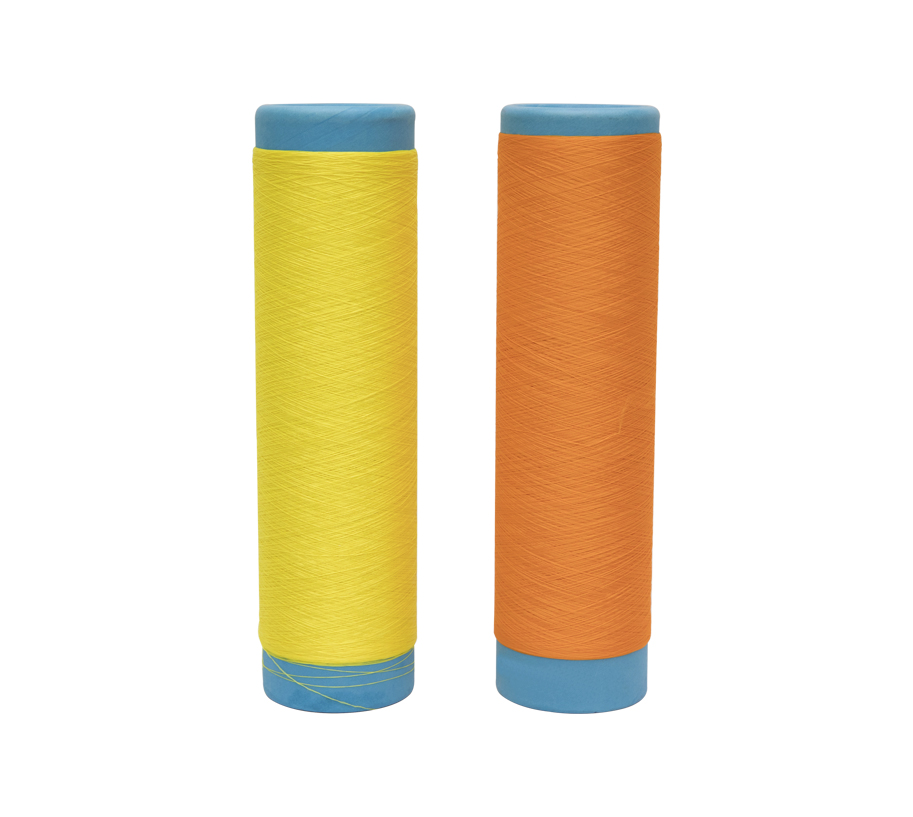
Yellow Orange China 300D/96F Dty Polyester Yarn Eco-friendly Recycle Dty Yarn Fo...
See Details
Yarn Type: Polyester High Elastic Yarn Size: 450D/192F Material: 99.99% Polyeste...
See Details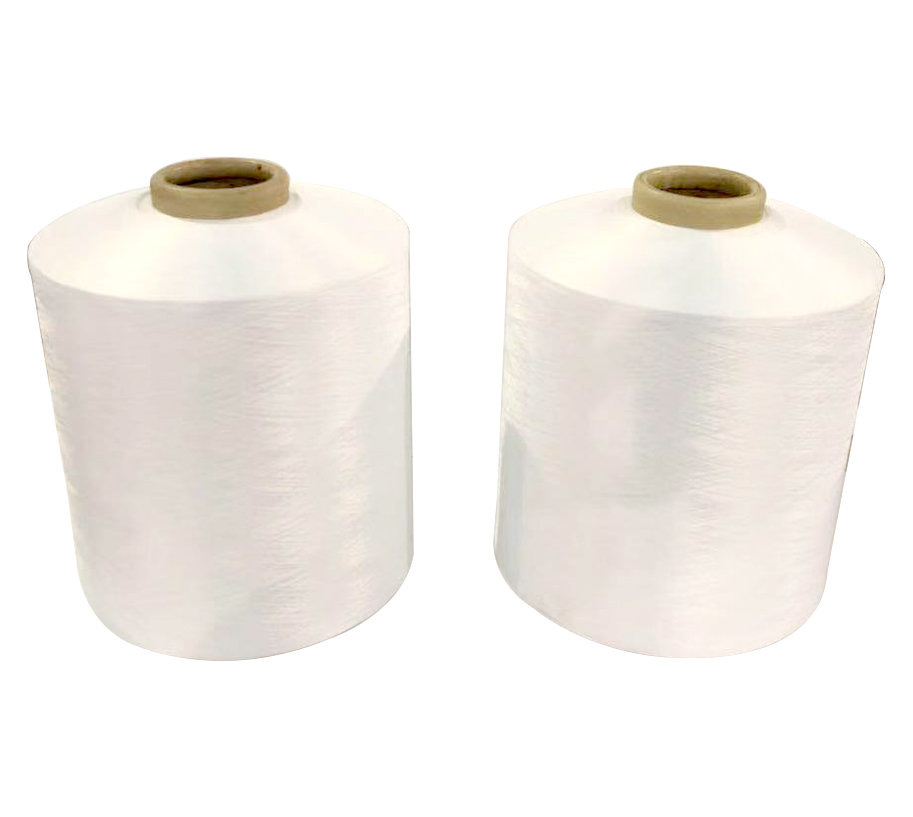
High Tenacity 150D36F RW FLUFFY Polyester Yarn Feature:high elasticity,high tena...
See Details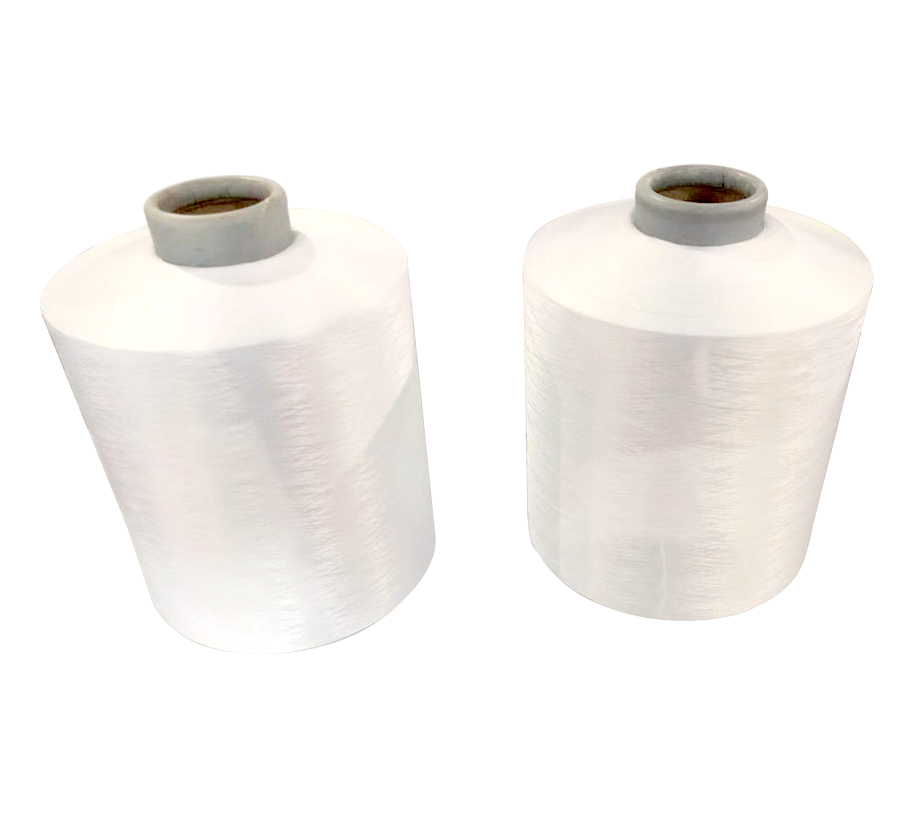
Sustainable 300D/96F RW NIM Polyester Sd Yarn Yarn Count: 300D/96F Color: white ...
See Details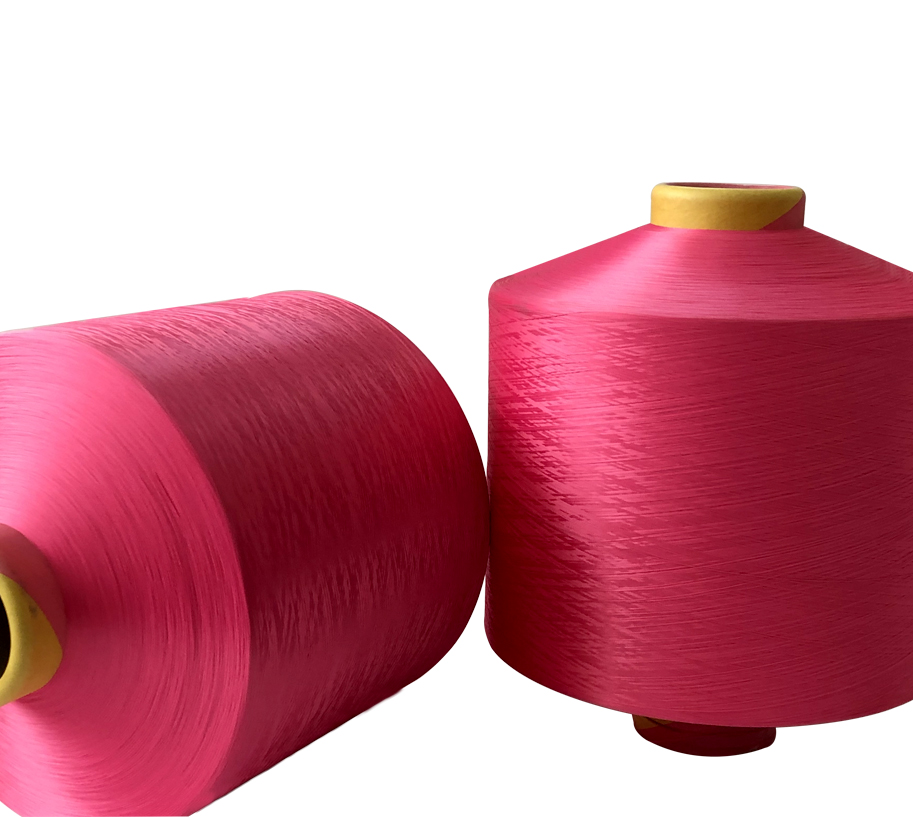
Durable 300D Rose Red 99.99% Polyester Yarn for Weaving & EmbroideryColor: R...
See Details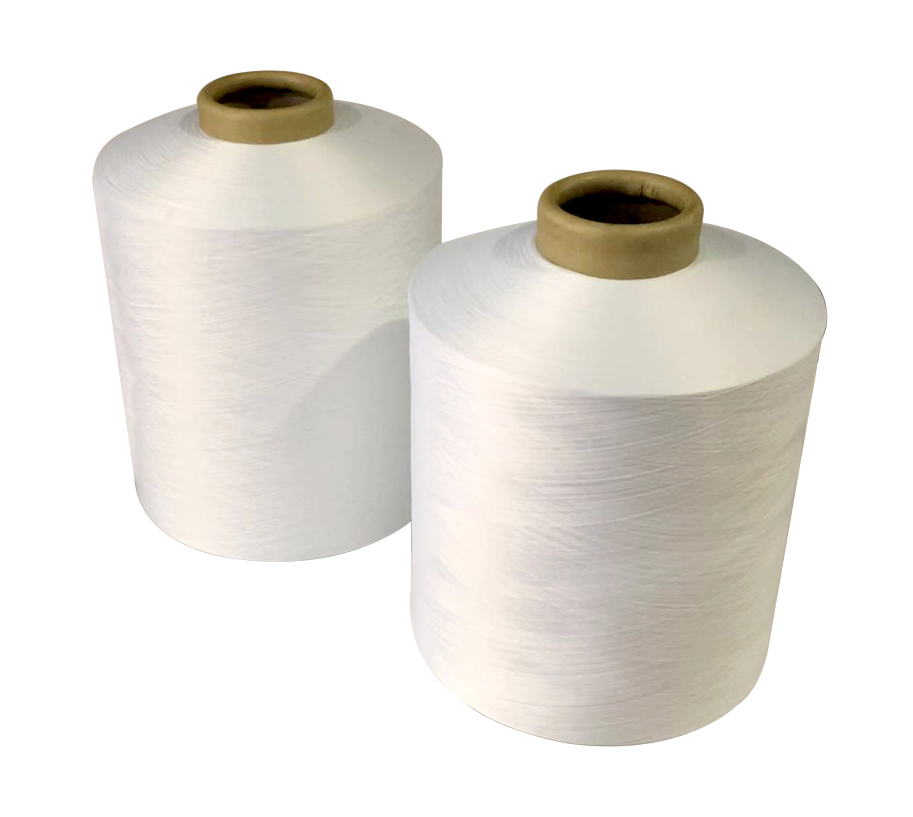
Sustainable 100D/36F RW NIM Polyester Yarn Yarn Count: 100D/36F Material: 99.99%...
See DetailsCopyright © Hangzhou Dingkai Chemical Fibre Co., Ltd. All Rights Reserved.
Wholesale China Polyester DTY Yarns Factory