Call:+86-571-82912975
 https://www.dkyarn.com
 English
 中文简体
中文简体
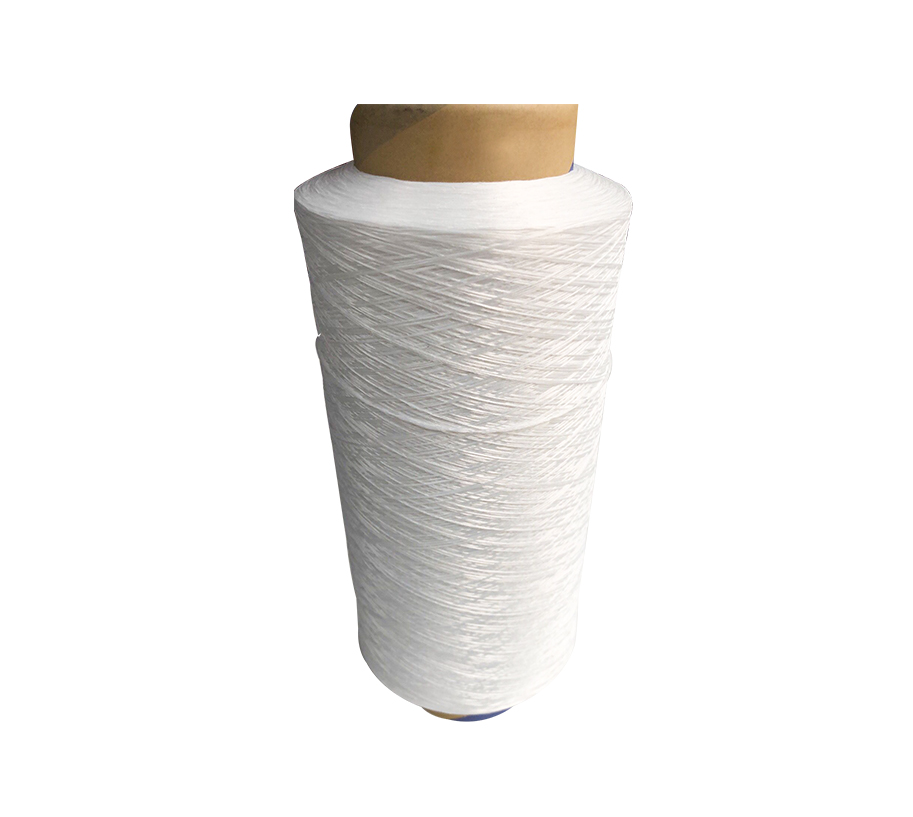
Pink/Rose Red/Red China 150D/48F Dty Polyester Yarn High Strength AA Grade Textu...
See Details

China is the world’s largest producer, consumer, and exporter of DTY (Draw Textured Yarn), occupying a dominant and irreplaceable position in the global chemical fiber textile industry chain. DTY, as a core processed product of polyester filaments, features softness, stretchability, bulkiness, and dyeing uniformity, making it the most widely used raw material in apparel, home textiles, and industrial textiles.
After decades of industrial upgrading and technological innovation, China’s DTY industry has formed a complete supporting system from raw material supply, production equipment, to processing and sales. The annual output accounts for more than 70% of the global total output, stably supporting the operation of the global mid-to-high-end textile supply chain. With continuous optimization of production processes and improvement of product performance, China DTY is gradually shifting from volume expansion to high-value-added, high-performance, and green production, becoming a benchmark for the global polyester elastic yarn industry.
DTY is the abbreviation of Draw Textured Yarn, a kind of polyester filament processed by drawing and texturing. It is transformed from polyester pre-oriented yarn (POY) through specialized texturing machines, endowing the yarn with stable elasticity and fluffy texture. Compared with other polyester yarns, DTY has balanced physical properties, moderate breaking strength, good resilience, and strong adaptability to processing environments, which is the core reason why it is widely favored in the textile field.
China’s DTY products cover a full range of specifications, from low denier for lightweight clothing to high denier for industrial and home textile use, fully meeting the needs of diversified scenarios. The raw material of DTY is mainly polyester chips, and China has a stable and large-scale polyester raw material production capacity, which provides a solid guarantee for the continuous and stable supply of DTY.
The production of China DTY adopts mature and efficient one-step and two-step processes. The one-step process integrates drawing and texturing, featuring short production cycle, low energy consumption and high production efficiency, which is suitable for large-scale standardized production; the two-step process has higher flexibility in processing, and can produce high-performance and special-specification DTY products to meet customized needs.
With the popularization of intelligent equipment, China’s DTY production line has realized automatic control of tension, temperature and speed, which greatly improves the uniformity and stability of products. The qualification rate of mainstream production lines is stable at over 98%, and the energy consumption per unit output is reduced year by year, reflecting the dual advantages of scale and technology.
| Process Type | Production Efficiency | Product Adaptability | Energy Consumption |
|---|---|---|---|
| One-step Process | High | Conventional Products | Low |
| Two-step Process | Medium | Special & Custom Products | Medium |
Apparel is the largest application field of China DTY, accounting for more than half of the total consumption. DTY is widely used in the production of casual wear, sportswear, underwear, shirts, denim and other clothing due to its excellent elasticity, soft touch and good air permeability. Among them, elastic sportswear and close-fitting underwear have extremely high dependence on DTY, because its resilience can ensure that the clothing fits the body without deformation after long-term wearing.
Low-denier China DTY is often used in high-end lightweight clothing, with fine and smooth yarn, making the fabric light and breathable; medium and high denier DTY is used in thick clothing fabrics, with enhanced warmth and wear resistance. The dyeing performance of DTY is stable, and it can present rich and full colors, meeting the aesthetic needs of fashion clothing for color and texture.
Home textiles are the second-largest application scenario of China DTY, covering bedding, curtains, carpets, sofa fabrics, etc. The bulkiness and warmth retention of DTY make it an ideal raw material for bedding such as blankets and quilts; the wear resistance and wrinkle resistance make it widely used in sofa fabrics and curtain fabrics. Home textile products made of DTY are durable, easy to clean and quick-drying, which are highly compatible with the daily use needs of families.
In the mid-to-high-end home textile market, modified China DTY has further improved its performance, with functions such as antibacterial, anti-static and UV resistance, expanding the application scope and added value of products. The large-scale production capacity of DTY ensures the stable supply of home textile raw materials and supports the development of the domestic and foreign home textile markets.
In addition to clothing and home textiles, China DTY is also widely used in industrial textiles, including automotive interiors, filter materials, packaging materials, and medical and health supplies. High-strength and high-stability DTY can meet the performance requirements of industrial products for tensile resistance, corrosion resistance and aging resistance. With the development of the new energy vehicle industry, the demand for DTY in automotive interiors has increased significantly, becoming a new growth point for the industry.
A small amount of DTY is used in the field of decorative textiles, such as handicrafts, ribbon laces, etc. Its flexible processing characteristics allow it to be made into fabrics of various styles and structures, meeting the diversified needs of industrial and decorative applications.
China DTY industry has a huge market scale, with annual output maintaining steady growth. As the core base of global chemical fiber production, China’s DTY output accounts for more than 70% of the global total, far exceeding the sum of other countries and regions. The domestic demand is strong, and the downstream textile and apparel industry has a stable and sustained demand for DTY, which is the core driving force for the development of the industry.
The global demand for DTY is mainly concentrated in Asia, Europe and North America. China supplies high-quality and cost-effective DTY products to the world through export trade, covering more than 100 countries and regions. The stability of China’s DTY supply chain directly affects the operation efficiency of the global textile industry, especially in the post-epidemic era, the advantages of China’s complete industrial chain are further highlighted.
China has built the most complete DTY industrial chain in the world, including upstream polyester chip production, midstream texturing processing, and downstream textile weaving and garment manufacturing. The coordinated development of the upper, middle and lower reaches reduces the production cost and transportation cost of DTY, and improves the response speed of the supply chain. Raw material suppliers and processing manufacturers are concentrated in major textile industrial clusters, realizing efficient resource allocation.
In terms of equipment, domestic texturing machines have achieved technological breakthroughs, with performance reaching the international advanced level, and the localization rate of core production equipment is increasing year by year. This not only reduces the investment cost of production lines, but also improves the independent controllability of the industry, laying a foundation for the stable development of China DTY industry.
The price of China DTY is mainly affected by the price of upstream polyester raw materials, crude oil prices and market supply and demand. The price fluctuation is relatively moderate, and there is no extreme volatility, which is conducive to the cost control of downstream enterprises. The market competition pattern is relatively stable, with large-scale manufacturers occupying the main market share, focusing on product quality and technological innovation, and small and medium-sized manufacturers focusing on segmented markets and customized services.
The core competitiveness of China DTY lies in cost performance, stable quality and complete specifications. Compared with similar products in other countries, China DTY has obvious advantages in large-scale supply and delivery capacity, which is deeply recognized by global downstream customers.
The technological innovation of China DTY is focused on the development of high-performance and functional products. Modified DTY with antibacterial, moisture-wicking, UV-resistant, flame-retardant and other functions has been gradually applied in mid-to-high-end clothing, medical textiles and automotive textiles. These functional products break through the limitations of traditional DTY, expand the application boundaries, and significantly improve product added value.
At the same time, ultra-fine denier, high-strength, high-elasticity DTY products are continuously introduced to meet the needs of high-end textile processing. The research and development of differentiated DTY has become the core direction of manufacturers, and the industry is accelerating the transformation from quantitative growth to qualitative improvement.
Green development is an inevitable trend of China DTY industry. Manufacturers are actively promoting low-carbon production processes, using recycled polyester raw materials to produce recycled DTY, reducing carbon emissions and resource consumption in the production process. The output of recycled DTY has increased year by year, and it has been widely recognized in the global sustainable textile market.
Intelligent and energy-saving production equipment is fully promoted, realizing real-time monitoring and optimization of production parameters, reducing waste water, waste gas and waste residue emissions. The green production system of China DTY is gradually improved, which is in line with the global carbon neutrality and environmental protection requirements, enhancing the international competitiveness of products.
Intelligent manufacturing is reconstructing the production model of China DTY industry. Automatic feeding, online quality inspection, intelligent packaging and logistics systems have been widely used, reducing manual intervention and improving production efficiency and product consistency. Digital management systems realize the integration of production, sales and supply chain data, improving the operational efficiency and market response speed of enterprises.
With the deep integration of digital technology and textile industry, China DTY production will move towards higher precision, intelligence and flexibility, better meeting the personalized and customized needs of downstream markets.
Although China DTY industry has obvious advantages, it still faces some challenges. The fluctuation of upstream raw material prices brings cost pressure to production enterprises; the global trade environment and international market barriers affect the export of products; the industry still has a small number of low-end homogeneous competition, which needs to be further optimized in terms of industrial structure.
In addition, the global demand for green and sustainable textiles is increasing, which puts forward higher requirements for the environmental protection performance and carbon footprint of DTY products. Enterprises need to increase investment in technology research and development to accelerate the upgrading of green production capacity.
Looking into the future, China DTY industry has broad development prospects. The continuous recovery of the global textile and apparel market, the upgrading of domestic consumption, and the expansion of industrial textile applications will bring sustained demand growth. With the deepening of industrial upgrading, high-performance, functional and recycled DTY will become the mainstream of the market, and the industry’s profit level and added value will be further improved.
China’s DTY industry will continue to give play to the advantages of the complete industrial chain, strengthen technological innovation and green development, maintain its leading position in the global market, and drive the high-quality development of the global polyester elastic yarn and textile industry.
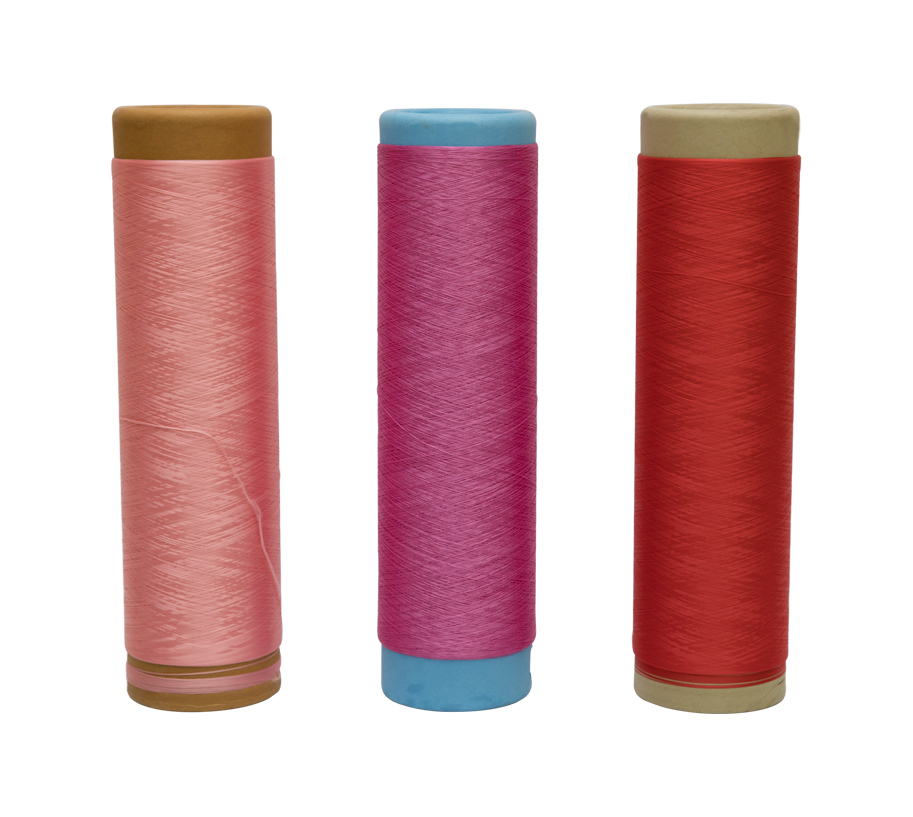
Pink/Rose Red/Red China 150D/48F Dty Polyester Yarn High Strength AA Grade Textu...
See Details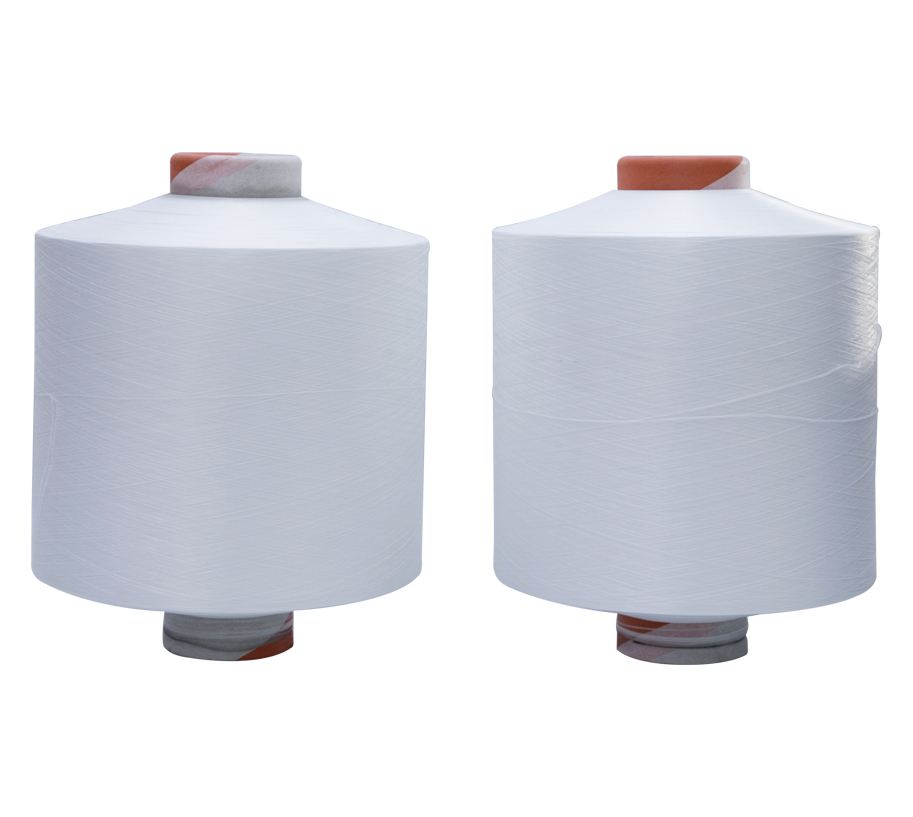
Recycled 150D48F RW HIM Polyester Yarn Type: Polyester Yarn Pattern: Raw Technic...
See Details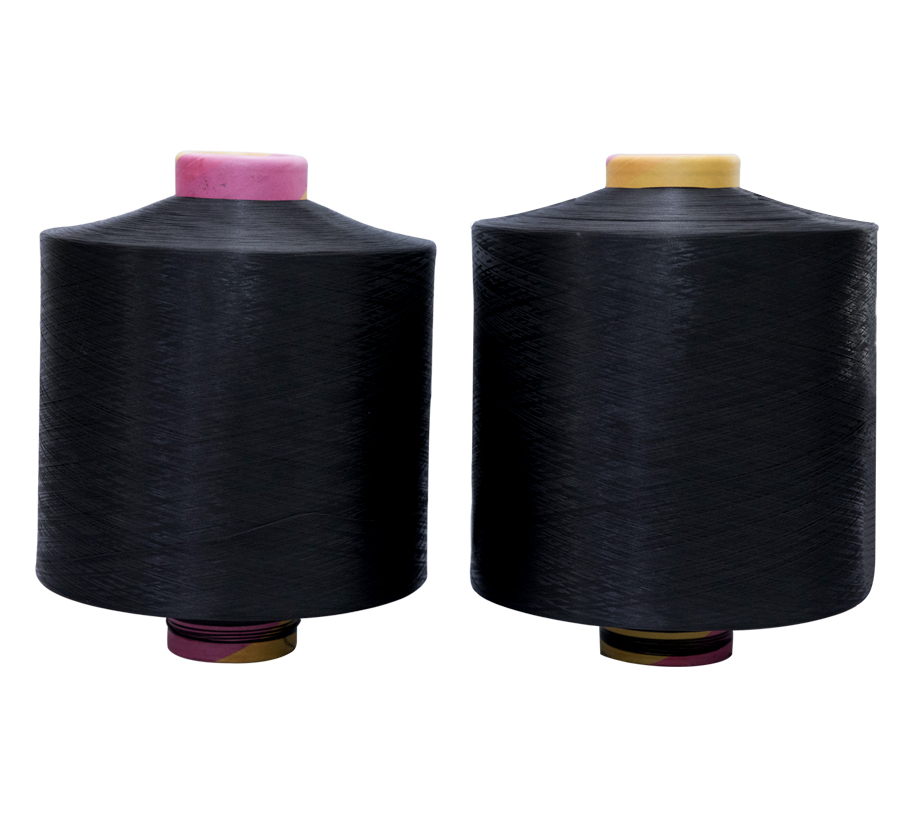
Sustainable 300D/96F Polyester Color Yarns BLACK NIM Product specifications:300D...
See Details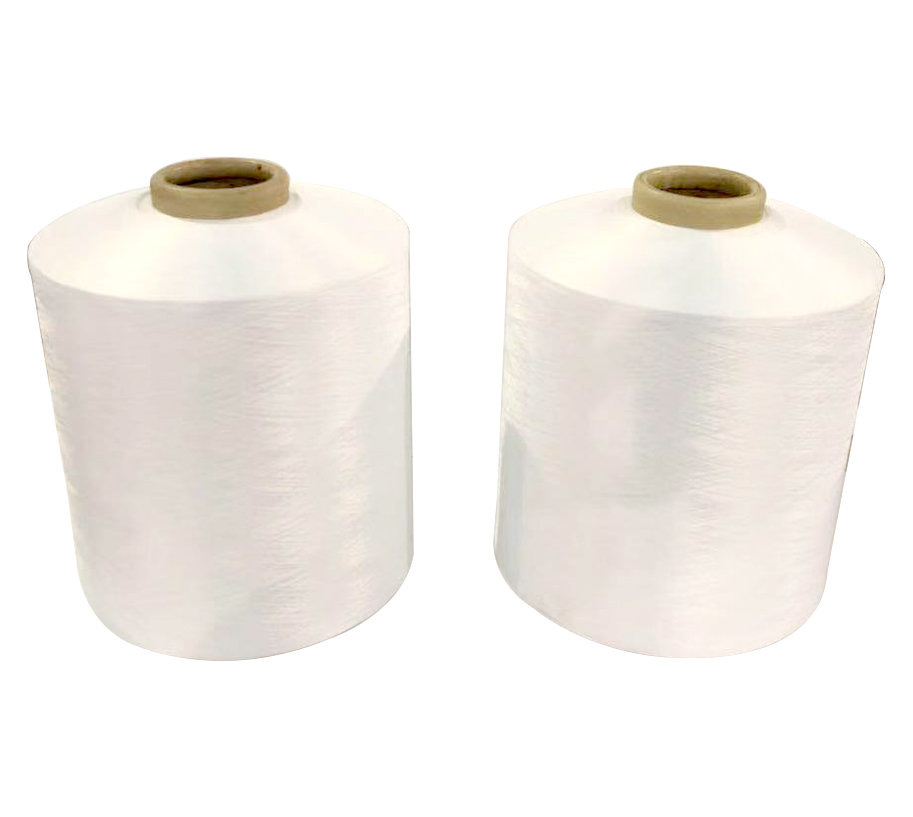
High Tenacity 150D36F RW FLUFFY Polyester Yarn Feature:high elasticity,high tena...
See Details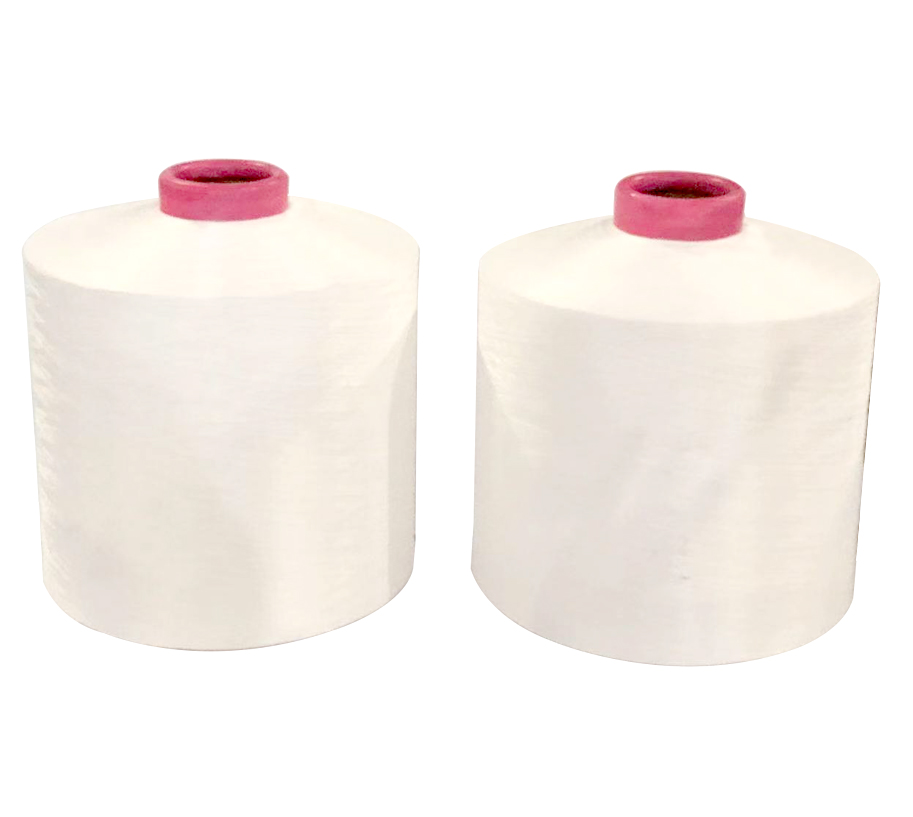
High Tenacity 600D/192F RW S+Z HIM Polyester Yarn Yarn Count: 600D/192F Color: R...
See Details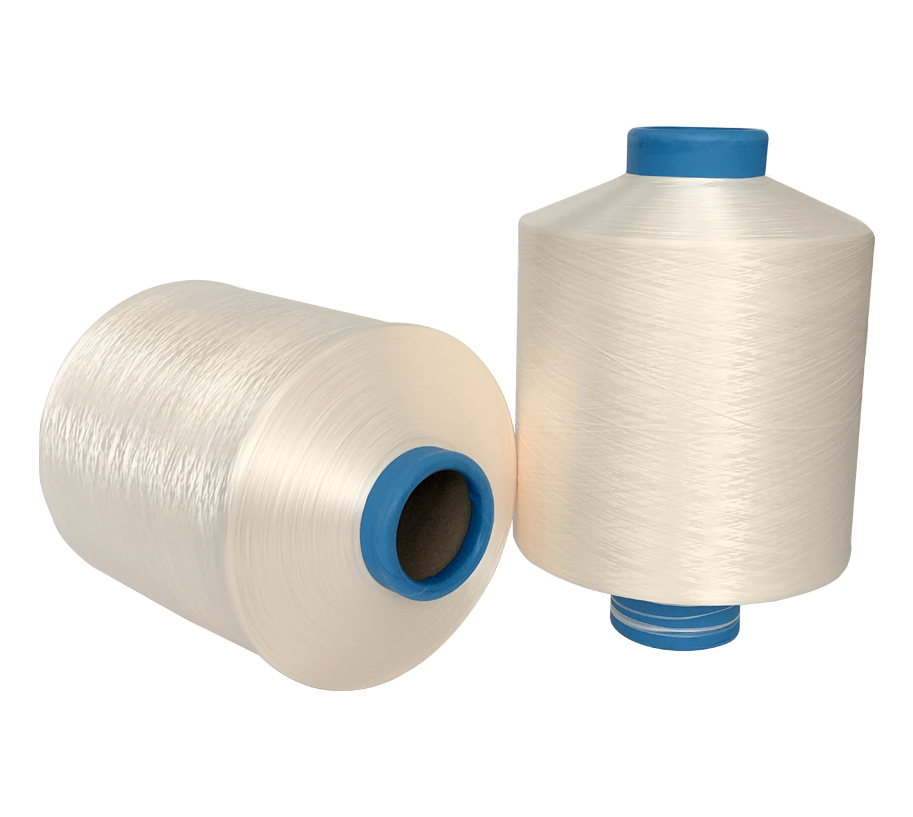
Anti-Bacterial 300D Milk White 99.99% Polyester Yarn for Hand KnittingColor: Mil...
See Details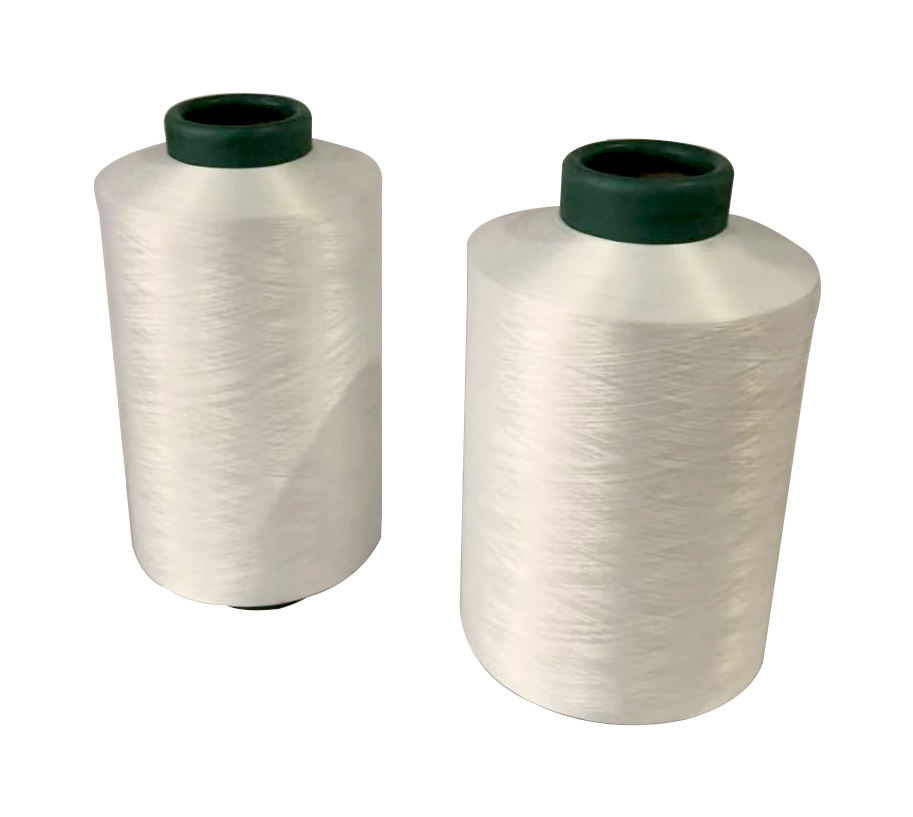
200D/96F RW NIM Polyester Yarn Name: 200D/96F RW NIM Polyester Yarn Color: White...
See DetailsCopyright © Hangzhou Dingkai Chemical Fibre Co., Ltd. All Rights Reserved.
Wholesale China Polyester DTY Yarns Factory