Call:+86-571-82912975
 https://www.dkyarn.com
 English
 中文简体
中文简体
White/Brown/Green 150D/48F DTY Yarn 99.99% Polyester AA Grade Eco-friendly Yarn ...
See Details

A single cotton fibre is one plant cell: a hollow, flattened tube that twists as it dries, runs roughly 13 to 50 millimetres long, and can hold 24 to 27 times its own weight in water. Those three facts explain most of the characteristics of cotton fibre that decide how it spins, dyes and wears.
Cotton still supplies roughly a fifth of world fibre production, and mills do not buy it on feel. Lots are classed on measured properties because those numbers predict spinning performance and fabric value. This guide works through the properties one by one, then sets them against polyester filament so sourcing teams can see where the natural fibre earns its premium and where a synthetic replacement performs better at lower risk.
The core characteristics of cotton fibre are softness, high absorbency, breathability, strength that rises when wet, natural twist and hypoallergenic comfort. Every one of them traces back to the same structure: a single cell, almost pure cellulose, wrapped around a hollow centre.
Cotton fibre is the single-cell seed hair of plants of the genus Gossypium, composed of roughly 94 percent cellulose and shaped as a flattened, twisted tube around a central lumen.
Cotton is bought on three measured properties: staple length, micronaire and fibre strength. Together they predict spinning performance more reliably than any visual grade, and they explain most of the price gap between ordinary upland and premium extra-long staple lots.
Length runs from about half an inch to two inches depending on variety. Longer staples put fewer fibre ends inside a yarn cross-section, so the yarn spins smoother, stronger and less hairy at the same count. Upland cotton, the species behind roughly 90 percent of world volume, mostly spans 20 to 30 millimetres, while extra-long staple types such as Egyptian and Sea Island cotton exceed 34 millimetres.
| Grade | Typical length | Representative types | Common end uses |
| Short staple | Under 25 mm | Coarse upland lots | Canvas, denim weft, wadding |
| Medium staple | 25 to 28 mm | Premium upland | Sheeting, poplin, print cloth |
| Long staple | 29 to 34 mm | Egyptian, Pima types | Fine shirting, high-count bedding |
| Extra-long staple | Above 34 mm | Sea Island, Giza types | Luxury shirting, sewing thread, sateen |
Micronaire is an airflow test that reads fineness and maturity in a single number. Below about 3.2 the fibre is immature: expect neps, white specks after dyeing and higher breakage at the spinning frame. Readings above 5.0 point to coarse fibre that suits heavier counts rather than fine shirting.
High Volume Instrument tests report strength in grams per tex. Upland cotton typically lands between 26 and 32 g/tex, and extra-long staples push past 40. Cotton is unusual in gaining strength when wet, which is why it dominates workwear and linen-service fabrics that face industrial laundering.
Cotton feels cool because it absorbs water vapour fast and releases it as it evaporates, pulling heat away from the skin. Standard moisture regain is 8.5 percent at 65 percent relative humidity, far above the 0.4 percent of polyester.
In liquid form the gap is starker: absorption tests show cotton holding 24 to 27 times its own weight in water. That figure is why towels, wipes and medical textiles stay cotton-dominated despite decades of synthetic competition.
These weaknesses are manageable, but they carry cost, and they are exactly the points where buyers start comparing the fibre against synthetics.
Absorbency is cotton's best and most inconvenient characteristic at once: it makes the fibre comfortable to wear and slow to dry, and it is the main reason mills blend it with polyester.
Cotton wins on comfort, absorbency and biodegradability. Polyester filament wins on dimensional stability, drying speed, strength retention and price predictability. Modern mills rarely choose one outright; they let the blend ratio or the end use decide.
| Property | Cotton fibre | Polyester DTY filament |
| Moisture regain | 8.5 percent at standard conditions | About 0.4 percent |
| Strength when wet | Rises 10 to 20 percent | Unchanged from dry strength |
| Wrinkle recovery | Poor without resin finishing | High; creases and shapes hold |
| Drying speed | Slow | Fast |
| Heat behaviour | Scorches and weakens, does not melt | Melts near 250 to 260 degrees Celsius |
| Pilling | Staple pills break away in wear | Filament pills cling to the surface |
| Price pattern | Swings with weather and subsidies | Tracks oil and capacity, steadier |
This is where a polyester specialist enters the picture. Hangzhou Dingkai Chemical Fibre Co., Ltd., a draw textured yarn factory based in Hangzhou, China, supplies DTY filament from 75D to 900D in raw white, optical white and black, with non-intermingle, semi-intermingle and high-intermingle network levels set to specification. Filament of this kind is the standard synthetic counterpart to cotton in blends, core-spun structures and fully synthetic fabrics.
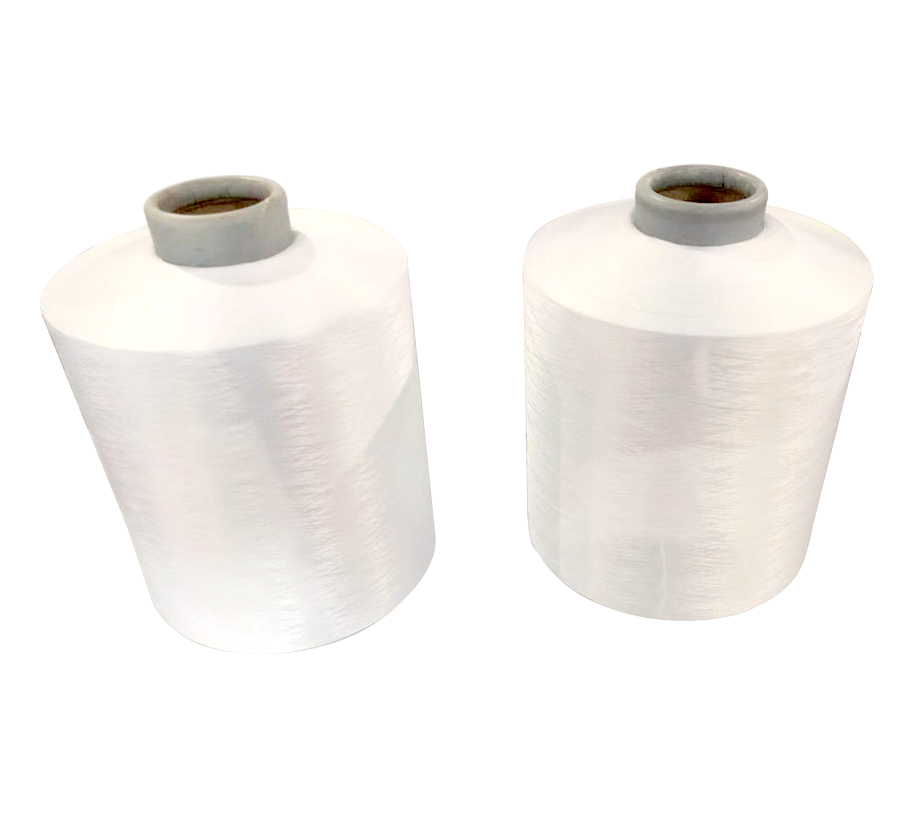 300D/96F RW NIM Polyester Sd Yarn 750/240 900/288 1200/384Sustainable 300D/96F RW NIM Polyester Sd YarnView Product →
Blending cotton with polyester, or with a small spandex core, keeps the natural fibre's hand while borrowing stability, stretch and cost control. The 65/35 cotton-polyester blend remains the global default for shirting and workwear because it cuts the natural fibre's two biggest liabilities at the modest cost of some absorbency.
Colour works the same way inside the yarn. Melange spinners blend dyed and natural fibres at the spinning stage to build heather effects without a dye house, the method behind mixing coloured cotton yarns with natural cotton fibres in fixed proportions. Where the target is a cotton-like hand in a fully synthetic yarn, fine fluffy DTY imitates the bulk and matte surface of spun staple.
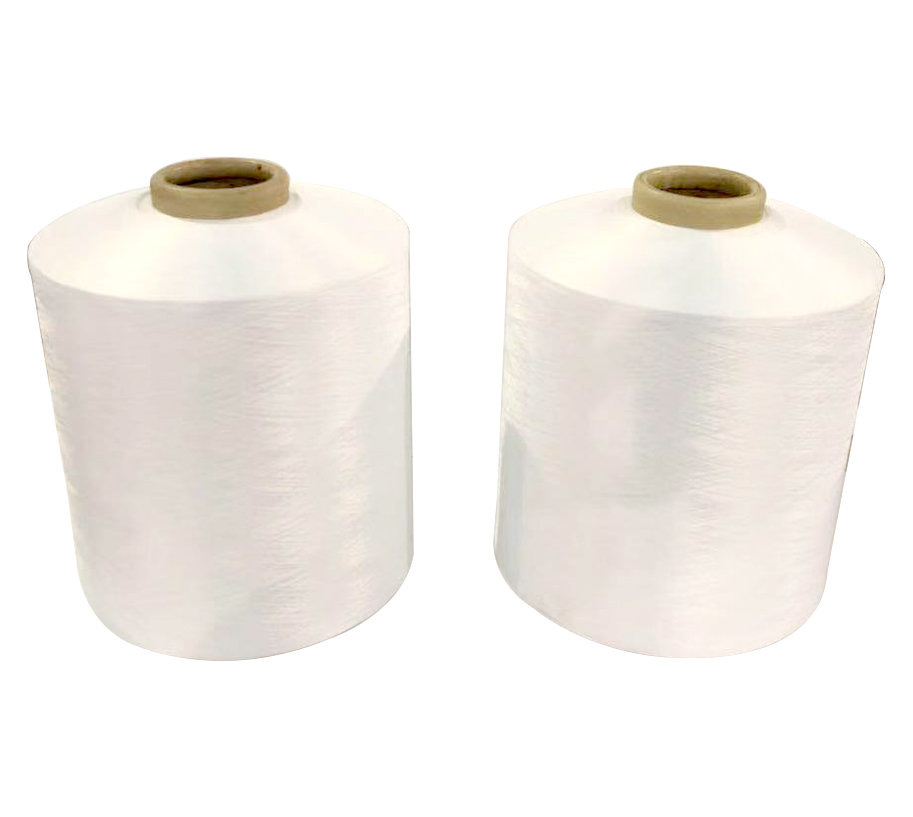 150D36F RW FLUFFY Polyester Yarn 750/240 900/288 1200/384High Tenacity 150D36F RW FLUFFY Polyester YarnView Product →
  15D-1120DLarge Face Masks Disposable: A B2B Sourcing Guide 26 Aug, 2026 Procurement teams often discover a sizing problem only after a shipment arrives and workers report...View Product →
An airflow measurement that combines fineness and maturity into one number. Spinners specify 3.5 to 4.9 for premium yarn; lower readings mean immature fibre with neps and uneven dye uptake, higher readings mean coarse fibre for heavier counts.
Wet. Bonding with water lets cotton carry roughly 10 to 20 percent more load when soaked, which is why it holds up under industrial laundering that would weaken many other natural fibres.
Cotton, for everyday dry heat, because 8.5 percent moisture regain buffers sweat against the skin. Polyester wins once sweat volume is high, since it wicks moisture away and dries far faster.
Long or extra-long staple above 29 millimetres. High-count poplin needs fewer fibre ends to stay smooth and pill-free, while medium-staple upland is the budget choice for sheeting and print cloth.
Need the synthetic side of the blend? Hangzhou Dingkai Chemical Fibre Co., Ltd. exports Grade A and Grade AA polyester DTY and spandex yarn to more than 30 countries. Request specifications and current lead times through the contact page.
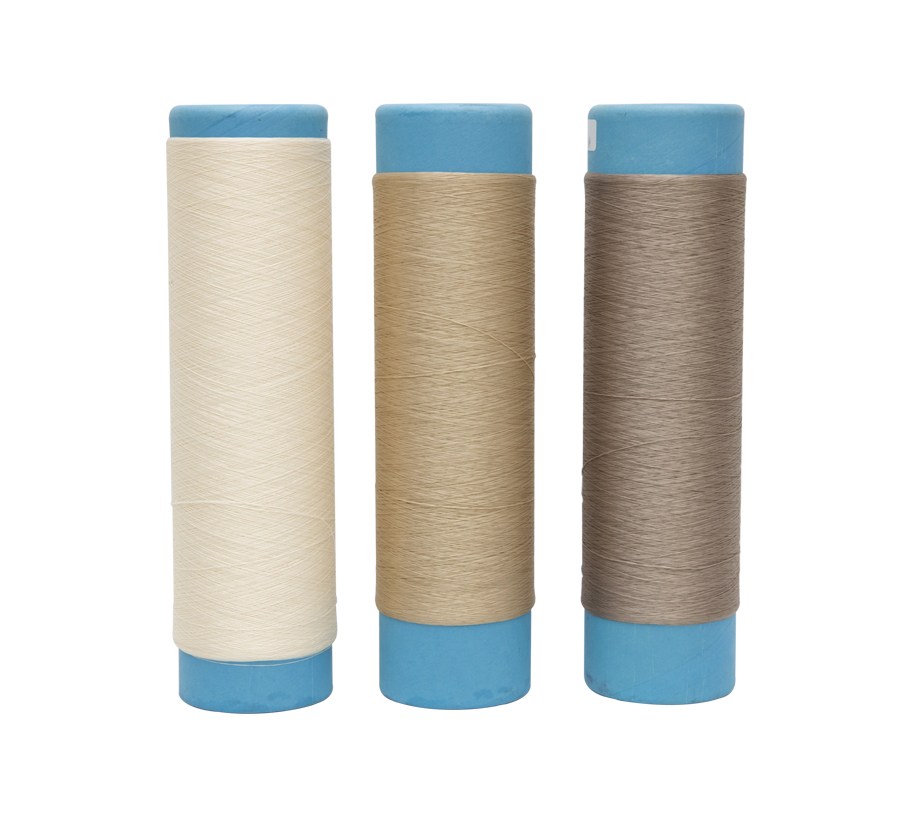
White/Brown/Green 150D/48F DTY Yarn 99.99% Polyester AA Grade Eco-friendly Yarn ...
See Details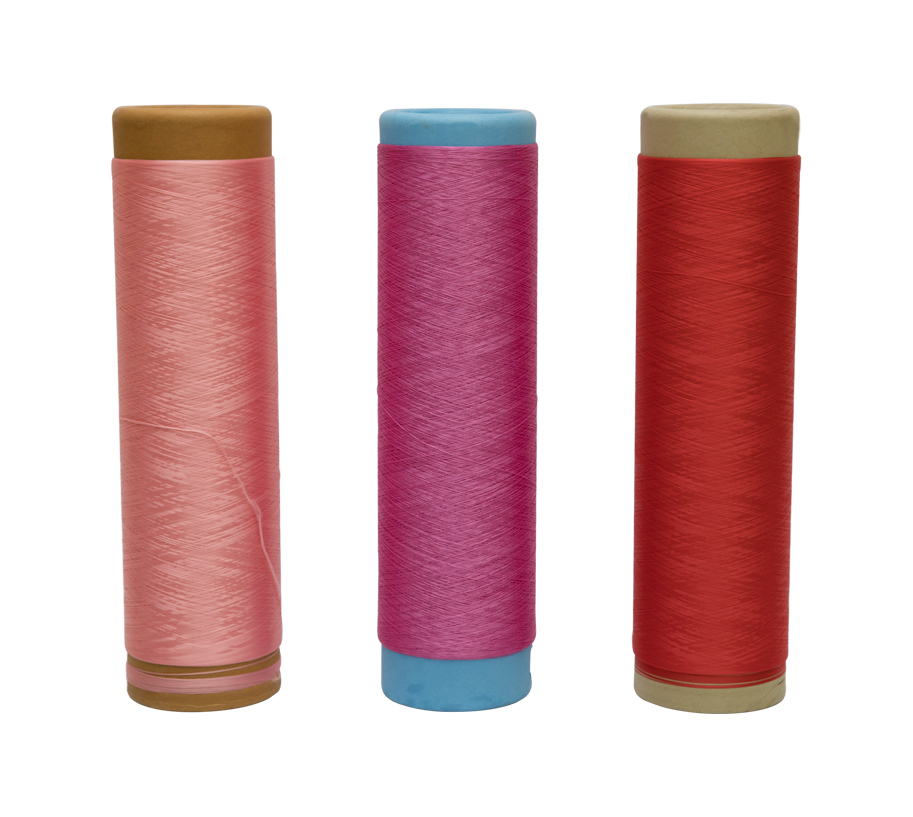
Pink/Rose Red/Red China 150D/48F Dty Polyester Yarn High Strength AA Grade Textu...
See Details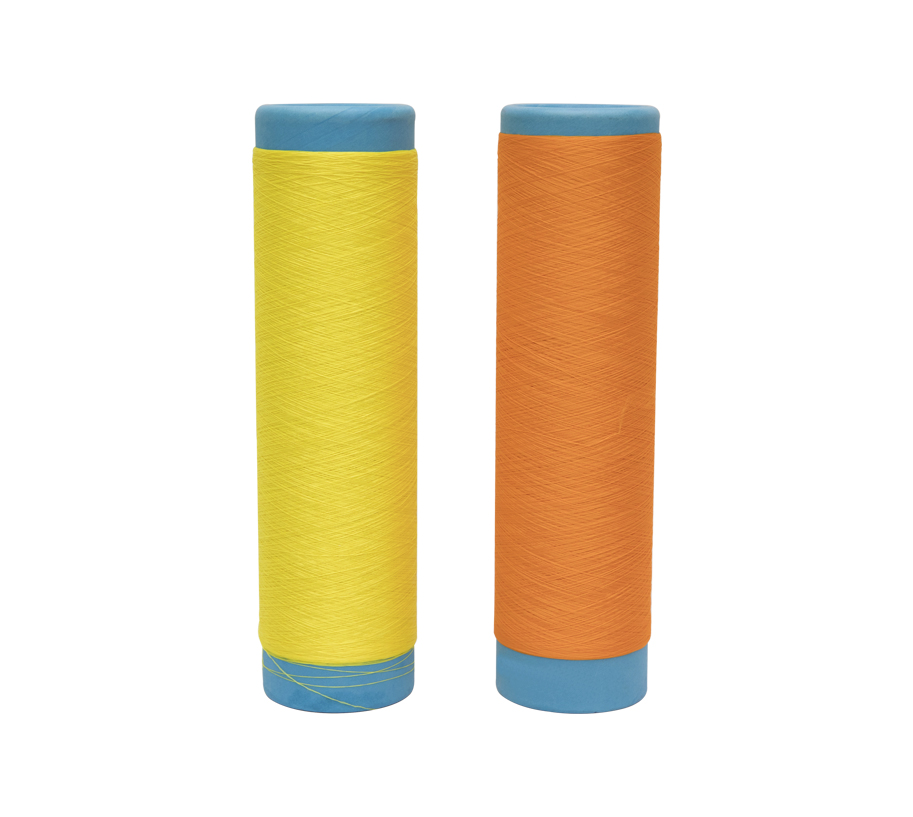
Yellow Orange China 300D/96F Dty Polyester Yarn Eco-friendly Recycle Dty Yarn Fo...
See Details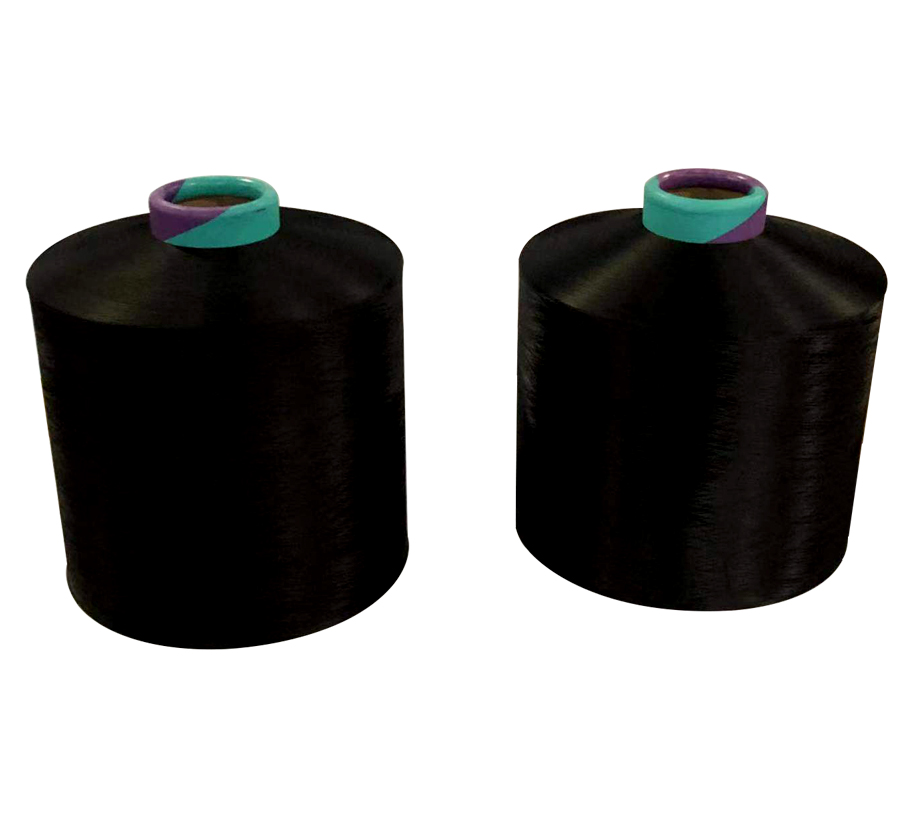
Moisture-Absorbent 100D/36F BLACK NIM Polyester Yarn Material: 99.99% Polyester ...
See Details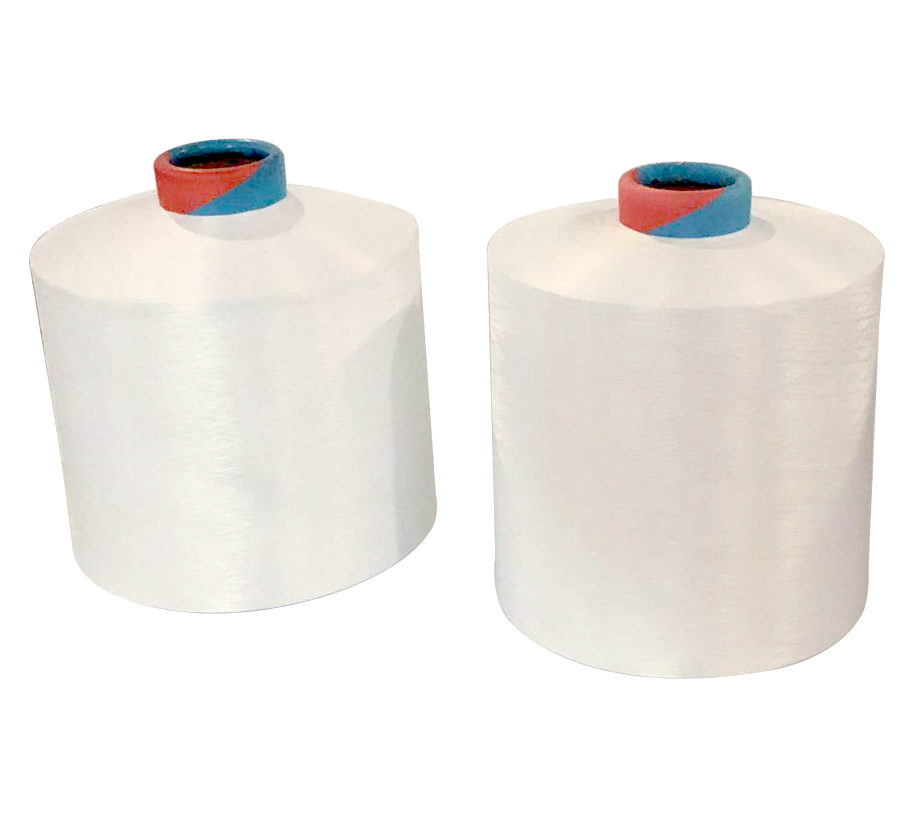
Recycled 150D48F RW HIM Polyester Yarn Type: Polyester Yarn Pattern: Raw Technic...
See Details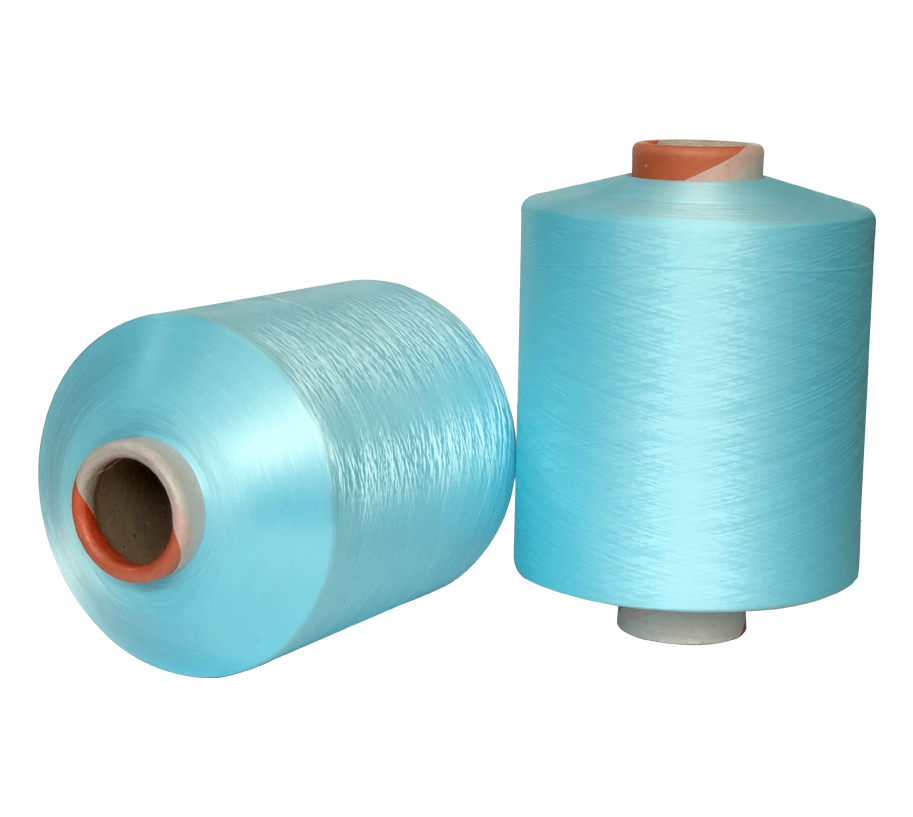
High Elastic 300D Magnolia Blue 99.99% Polyester Yarn for Weaving and KnittingCo...
See DetailsCopyright © Hangzhou Dingkai Chemical Fibre Co., Ltd. All Rights Reserved.
Wholesale China Polyester DTY Yarns Factory