 Call:+86-571-82912975
 https://www.dkyarn.com
 English
 中文简体
中文简体
Recycled 150D48F RW HIM Polyester Yarn Type: Polyester Yarn Pattern: Raw Technic...
See Details

Draw Texturing Yarn, commonly referred to as DTY, is the foundational material behind the comfort, stretch, and durability found in the majority of today's apparel and home textiles. It acts as a critical bridge between raw synthetic polymers and the functional fabrics worn daily. Unlike rigid fibers that restrict movement or natural fibers that may lack resilience, this specialized yarn offers an optimal balance of elasticity and structural integrity. It is the invisible engine driving the performance of sportswear, the softness of upholstery, and the endurance of hosiery. Its significance lies not just in its ability to stretch, but in its capacity to recover, ensuring that garments retain their shape and function over extended periods of use and washing.
The creation of this material is a sophisticated engineering feat involving thermal and mechanical manipulation. The process transforms a partially oriented yarn (POY) into a fully drawn, textured filament through a series of precise steps. The central technique employed is the false-twist method, which is highly efficient and allows for high-speed production.
The core principle involves twisting the yarn to the point of entanglement, heat-setting it to lock in the deformation, and then untwisting it. Because the twist is "false"—meaning the yarn enters and leaves the twisting unit without actual rotation—the resulting structure retains a memory of the twist. This memory manifests as a permanent crimp or coil in the individual filaments. This coiled structure is what grants the yarn its characteristic bulkiness and elastic properties, making it vastly different from the straight, smooth filaments of standard polyester.
The utility of draw texturing yarn stems from its unique combination of physical attributes. These properties can be engineered during the manufacturing process to meet specific end-use requirements, providing designers with a versatile toolkit for fabric development.
| Property Type | High Elasticity Variant | Low Elasticity Variant |
|---|---|---|
| Crimp Structure | Tight, High-Frequency Coils | Loose, Low-Frequency Coils |
| Hand Feel | Soft, Spongy, Bulky | Firm, Smooth, Compact |
| Typical Use | Swimwear, Hosiery, Activewear | Upholstery, Trousers, Outerwear |
| Insulation | High (Traps Air) | Moderate |
The most defining feature is its stretchability. The geometric deformation of the filaments allows the yarn to extend significantly under tension and return to its original length once the tension is released. This immediate recovery is vital for garments that require close contact with the skin without causing restriction. High recovery power prevents fabric sagging, ensuring long-term garment fit.
Due to the crimped structure, the yarn occupies more space than a flat filament of the same weight. This "bulk" provides excellent cover power, meaning lighter fabrics can still offer opacity and substance. This property is particularly valuable in the production of winter garments where air pockets within the yarn structure provide thermal insulation without adding excessive weight.
The versatility of draw texturing yarn allows it to permeate nearly every sector of the textile industry. Its adaptability ensures that it can be engineered for both high-performance technical textiles and everyday fashion items.
In the athletic market, this yarn is ubiquitous. It is the standard choice for leggings, compression shorts, and swimwear. The inherent ability of the synthetic fiber to wick moisture away from the skin, combined with the stretch provided by the texturing process, creates a fabric that moves in sync with the athlete. It resists chlorine and saltwater degradation better than many alternatives, extending the lifespan of swimwear.
Beyond clothing, it is a staple in home furnishing. Sofa covers, curtains, and bed linens frequently utilize this material. For upholstery, the yarn offers high abrasion resistance, crucial for furniture that endures daily wear. The bulkiness of the yarn also lends a soft hand feel to fabrics used in pillows and throws, enhancing the sensory experience of home decor.
In specialized fields, the yarn is often used for automotive interiors, specifically in seat covers and headliners. Its resistance to fading and ability to maintain structural integrity under varying temperatures make it suitable for vehicle environments. Furthermore, it finds application in medical textiles and elastic bandages where consistent stretch and hypoallergenic properties are required.
Manufacturers produce various iterations of the yarn to suit specific aesthetic or functional needs. These variations are achieved through modifications in the drawing process or by blending different polymer types.
As the global focus shifts toward eco-friendly manufacturing, the production of draw texturing yarn is undergoing a significant transformation. The industry is moving away from virgin raw materials and embracing circular economy principles.
A growing proportion of this yarn is now produced using post-consumer waste, such as plastic bottles, or post-industrial waste. The mechanical properties of recycled DTY are comparable to those made from virgin materials, allowing manufacturers to reduce environmental impact without compromising quality. This shift is largely driven by consumer demand for sustainable fashion and regulatory pressures to reduce plastic waste.
Modern texturing machinery is designed to operate at higher speeds with lower energy consumption. Innovations in heater technology and friction units have reduced the carbon footprint of the manufacturing process. Additionally, waterless dyeing technologies are being adapted for these yarns, further minimizing the ecological footprint of the final textile product.
When compared to other synthetic options like Fully Drawn Yarn (FDY) or natural fibers like cotton, DTY holds distinct competitive advantages that secure its dominance in specific market segments.
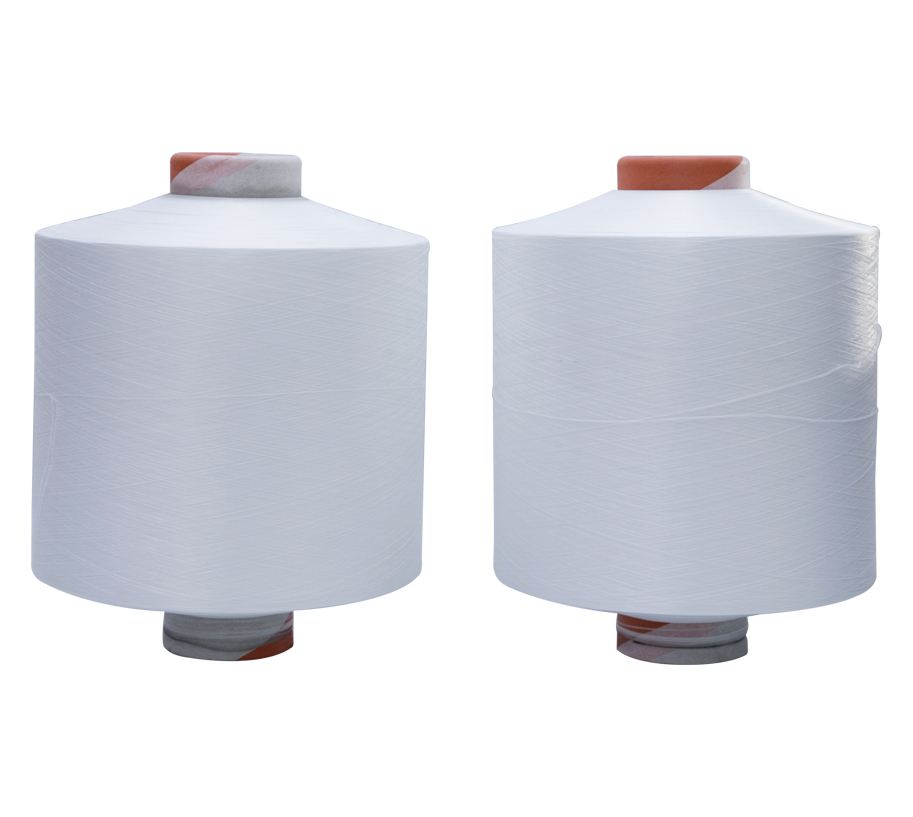
Recycled 150D48F RW HIM Polyester Yarn Type: Polyester Yarn Pattern: Raw Technic...
See Details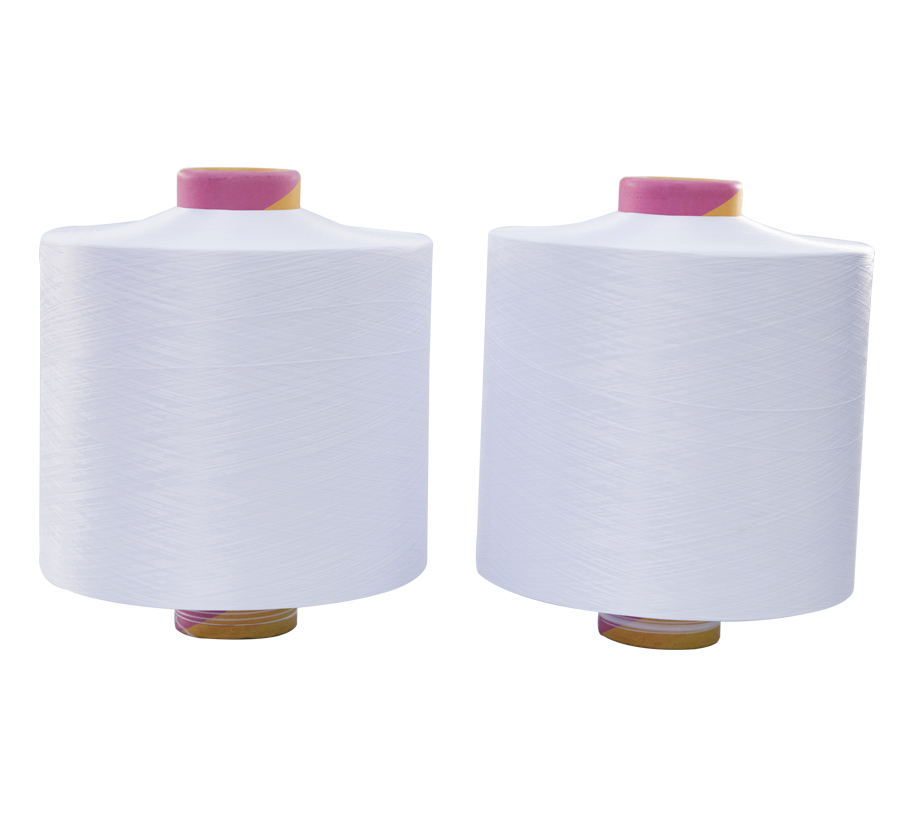
300D/96F OPTICAL WHITE NIM Polyester Yarn Name: 300D/96F OPTICAL WHITE NIM Polye...
See Details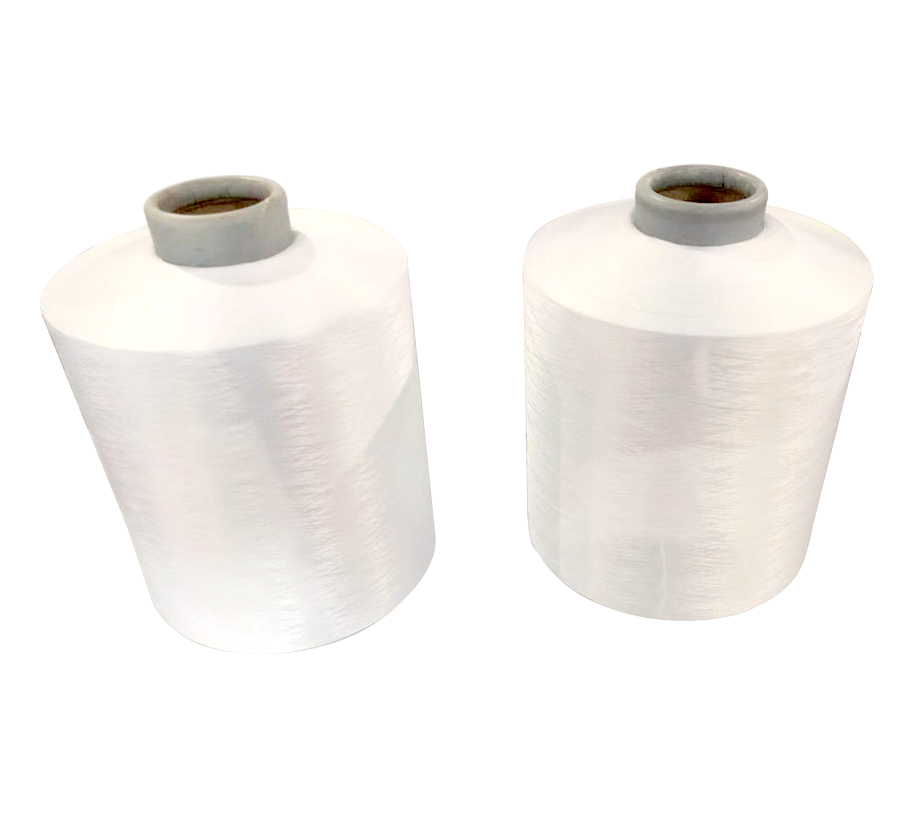
Sustainable 300D/96F RW NIM Polyester Sd Yarn Yarn Count: 300D/96F Color: white ...
See Details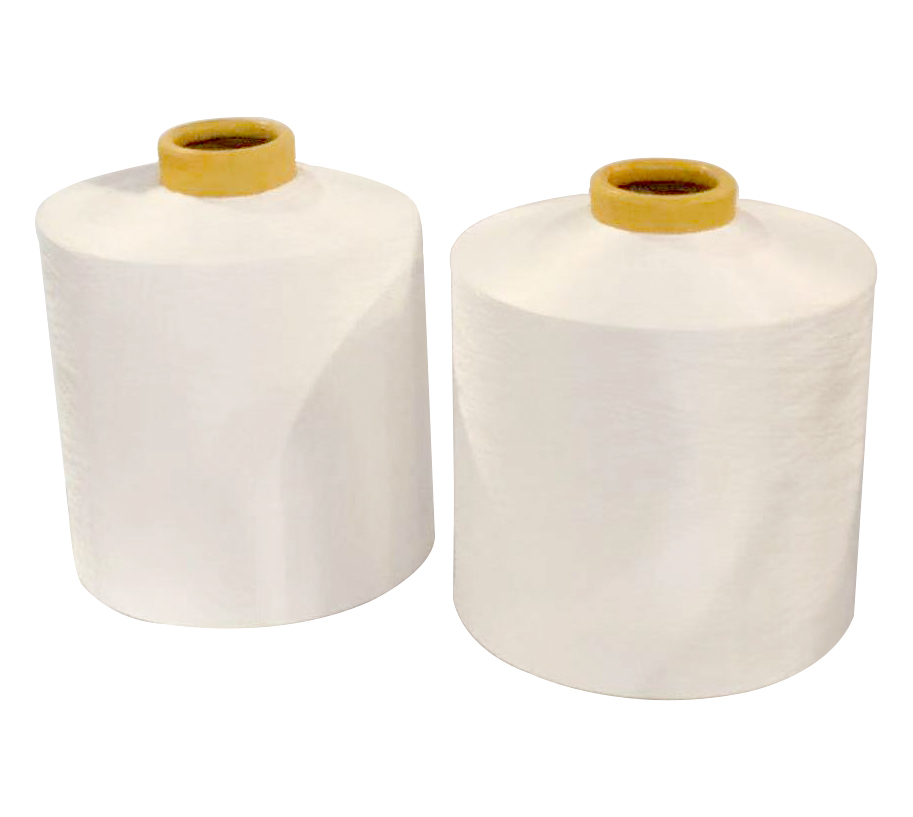
Yarn Type: High Intermingle Yarn Size: 450D/192F Twist: S+Z Color: White Pattern...
See Details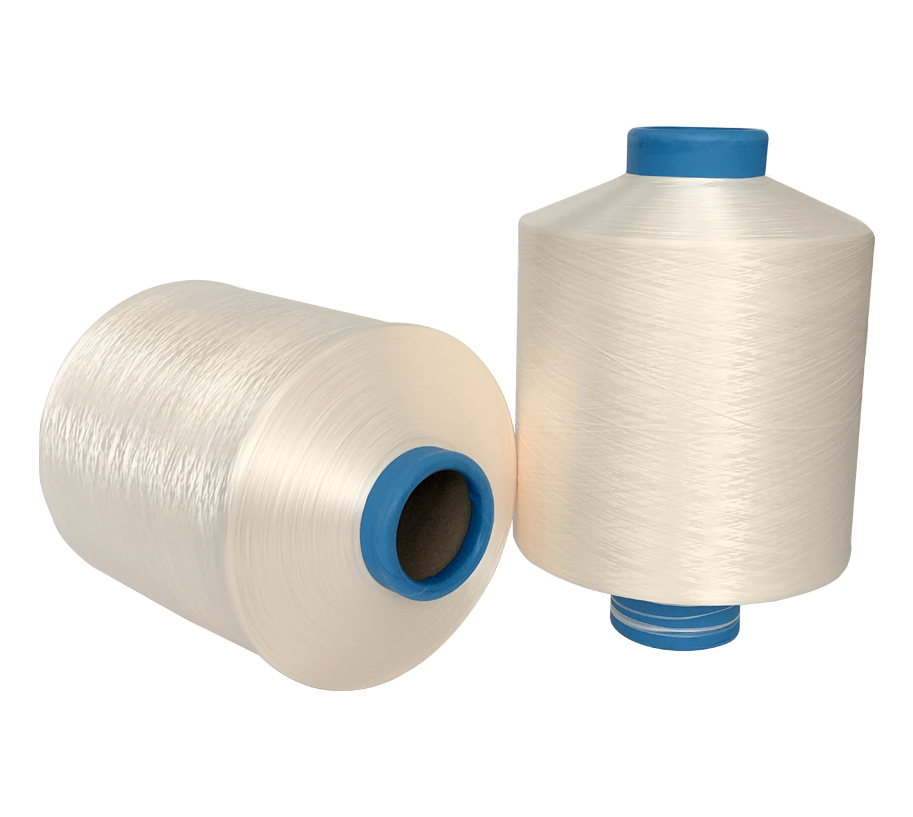
Anti-Bacterial 300D Milk White 99.99% Polyester Yarn for Hand KnittingColor: Mil...
See Details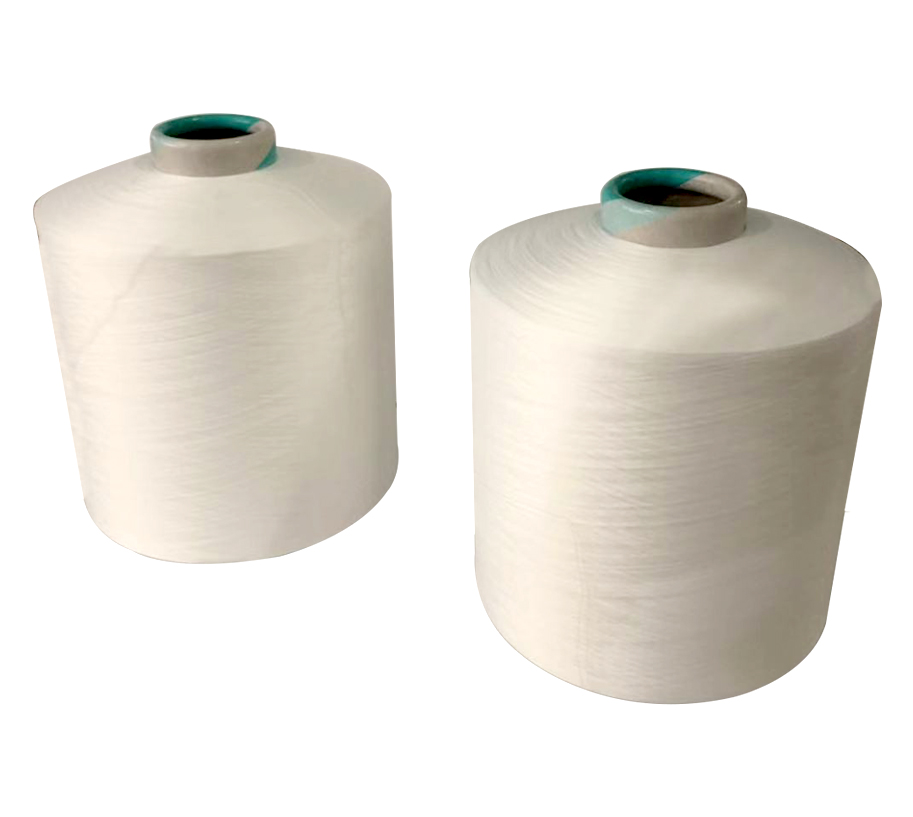
Anti-Bacteria 75D36F RW NIM(WHIT LITTLE INTEREMINGLE) Polyester Yarn Yarn Count:...
See Details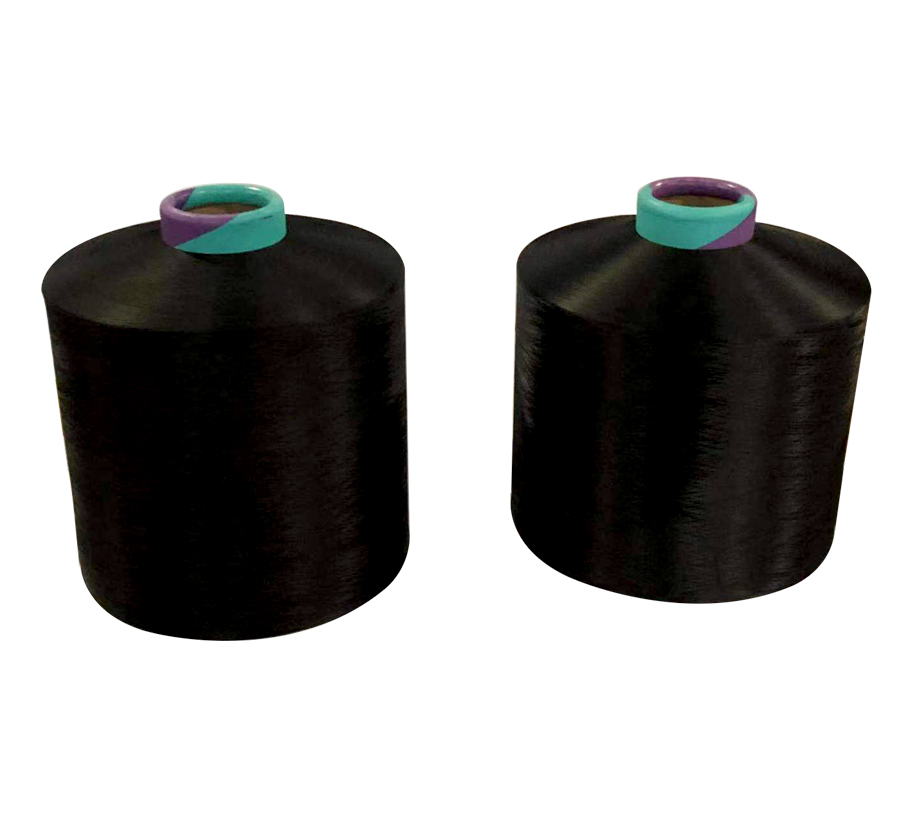
High quality 150D/48F BLACK NIM Polyester Yarn Color: Black Denier: 150D/48F Mat...
See Details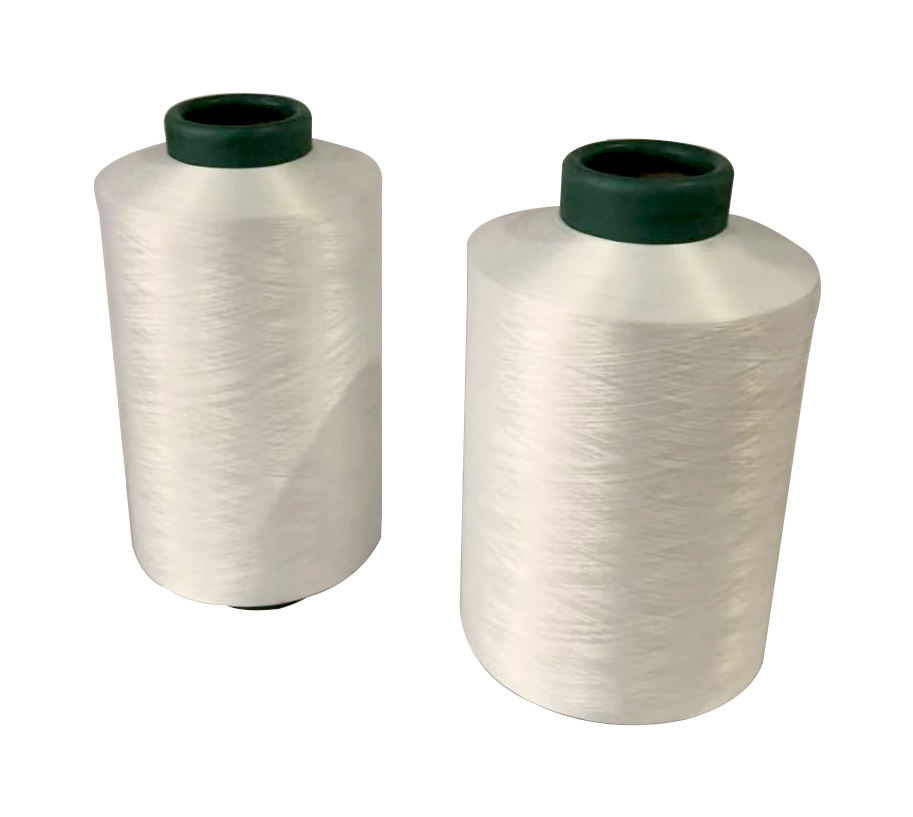
200D/96F RW NIM Polyester Yarn Name: 200D/96F RW NIM Polyester Yarn Color: White...
See DetailsCopyright © Hangzhou Dingkai Chemical Fibre Co., Ltd. All Rights Reserved.
Wholesale China Polyester DTY Yarns Factory
