Call:+86-571-82912975
 https://www.dkyarn.com
 English
 中文简体
Functional White High elastic polyester yarn Eco-friendly high stretch Yarn for ...
See Details

A knitting line that draws 20 tonnes of 150D/48F polyester a month will lose roughly 1.0 to 1.6 tonnes of it before a single metre of saleable fabric is rolled up. Very little of that loss comes from a machine fault. It is the sum of doff-tube remnants, stop tails, trial-run metres, off-spec cones and handling damage, and most of it is decided at the purchasing desk rather than on the shop floor.
How can textile manufacturers reduce yarn waste? The answer begins with a change in how yarn is bought. Intermingle level, package build, colour route and denier tolerance each move the loss figure by a few tenths of a percent; together they move it by several points. A mill that treats a yarn specification as a waste-control document will always beat one that buys on price per kilogram alone.
Changeover and machine setting produce more than half of the yarn waste in a typical draw-textured yarn operation. Off-spec cones and handling damage, which usually dominate quality meetings, together account for well under a third of the total.
The distribution is what makes the problem solvable. Package remnants are governed by cone weight and run length; stop-related tails are governed by intermingle level, yarn friction and guide condition. Neither responds to telling operators to be more careful.
| Waste stream | What to measure | Realistic target |
| Doff-tube remnants | Grams left on 30 sampled tubes | Under 8 g per tube |
| Stop-related tails | Tail length per stop event | Under 1.2 m per stop |
| Trial and setting waste | Kilograms per first-off approval | Under 3 kg per style |
| Off-spec rejection | Rejected kilograms against kilograms received | Under 0.5 percent |
| Handling damage | Crushed or oil-stained cones per shift | Under 2 per 1,000 cones |
Yarn specified with the wrong intermingle level breaks more often, spreads filaments at the guides and forces operators to cut out and restart, and every one of those events leaves waste behind. On high-speed warping and air-jet weaving, the gap between a 10-node package and a 110-node package becomes visible within the first shift.
Hangzhou Dingkai Chemical Fibre Co., Ltd., a polyester DTY yarn manufacturer based in Hangzhou, China, builds draw-textured yarn to three intermingle bands, and the band is chosen per order rather than per catalogue page:
The practical rule is simple: buy the highest intermingle level the fabric surface can tolerate, then check it against the machine speed. Mills that run 900 rpm on the warper with NIM yarn are not saving money on the yarn invoice. The difference between the three bands is explained in more detail in this guide to the difference between NIM, SIM and HIM yarn.
Dope-dyed filament, where pigment enters the polymer before extrusion, removes an entire wet process from the route to finished fabric. Package dyeing and piece dyeing are both documented sources of yarn loss: shade corrections, re-dyeing and rejected lots routinely consume 3 to 8 percent of the yarn mass entering the dyehouse.
The trade-off is minimum order quantity per colour, not quality. Where a mill currently dyes 300D/96F packages in twelve shades, the same twelve shades can be bought as dope-dyed yarn and the dyehouse rejects disappear from the waste report entirely.
Inconsistent package weight creates inconsistent doff timing, and inconsistent doff timing creates short tubes and surplus tails. A cone weight that varies by more than about 0.3 kg across a pallet is a scheduling problem disguised as a packaging detail.
Three specification items carry most of the remaining risk. First, denier and filament count: a 150D/36F and a 150D/48F behave differently in the same fabric structure, and substituting one for the other mid-order changes both hand and tension. Second, moisture: standard polyester regains about 0.4 percent of its weight at 20 C and 65 percent relative humidity, so invoiced weight and conditioned weight must be agreed up front. Third, package taper and winding tension, which decide whether the last metres of a cone unwind cleanly or come off as waste.
All three should appear in writing on the specification sheet. Buyers who need the full parameter list for a grade can request the technical data sheet before a trial order rather than after a rejection.
Daily yarn waste falls fastest when the mill measures waste first and changes specifications second. The sequence below is deliberately ordered by cost of implementation, not by visibility.
Collect and weigh every waste bin from warping, knitting and finishing for 14 consecutive days. Tag each bag with machine number and shift. Mills that skip this step usually fix the loudest problem and miss the largest one.
Tails point at intermingle level or guide condition. Tube remnants point at cone weight. Rejected shades point at colour route. Nothing should be left in an unassigned category.
Cap trial runs at a fixed number of metres per style and record the kilograms used. A first-off process that runs until the fabric looks acceptable is an uncontrolled waste stream by definition.
Crushed cones and oil-stained packages are among the cheapest losses to remove. Returnable pallets, edge protection and a humidity-controlled store cover most of it.
Change intermingle band, then colour route, then package weight, with four weeks of data between each move. Two simultaneous changes make the result unreadable.
Elastane should be specified by the stretch the fabric needs, not by the widest denier range a supplier happens to stock. Over-specifying spandex raises cost, complicates plating and increases waste when a heavier denier is run on a machine set up for a lighter one.
A 15D to 1120D spandex range covers everything from sheer knitwear to heavy industrial elastic, but each band has its own drafting and tension window. Mills that hold one denier per fabric family, rather than switching between neighbouring deniers, report fewer breakouts at the creel and cleaner package run-out.
Between 3 and 5 percent of yarn received is achievable for a DTY-fed knitting or weaving operation that audits waste weekly, specifies intermingle level per machine and runs dope-dyed colour instead of package dyeing. Anything above 8 percent usually points to an uncontrolled first-off process or a mismatched intermingle band.
No. High-intermingled yarn at 100 to 120 nodes per metre reduces breaks on high-speed warping and air-jet weaving, but it can stiffen the hand of a soft circular-knit fabric and lead to rejects at the finishing stage. The correct band is the one that matches the fastest machine in the route, not the highest number available.
The yarn price per kilogram is usually higher, but the delivered cost is often lower once dyeing losses, shade corrections and re-dyeing are counted. Removing a 3 to 8 percent dyehouse loss usually offsets the price difference on volumes above a few tonnes per colour.
Divide total yarn kilograms issued to production by total fabric kilograms shipped, then subtract the theoretical yarn content of the fabric construction. The difference, expressed as a percentage of yarn issued, is the number to track weekly by machine group.
Functional White High elastic polyester yarn Eco-friendly high stretch Yarn for ...
See Details
Product Name: DTY 150D/36F HIM Polyester Yarn Size: 150D/36F Twist: S+Z Pattern:...
See Details
Yarn Type: High Intermingle Yarn Size: 450D/192F Twist: S+Z Color: White Pattern...
See Details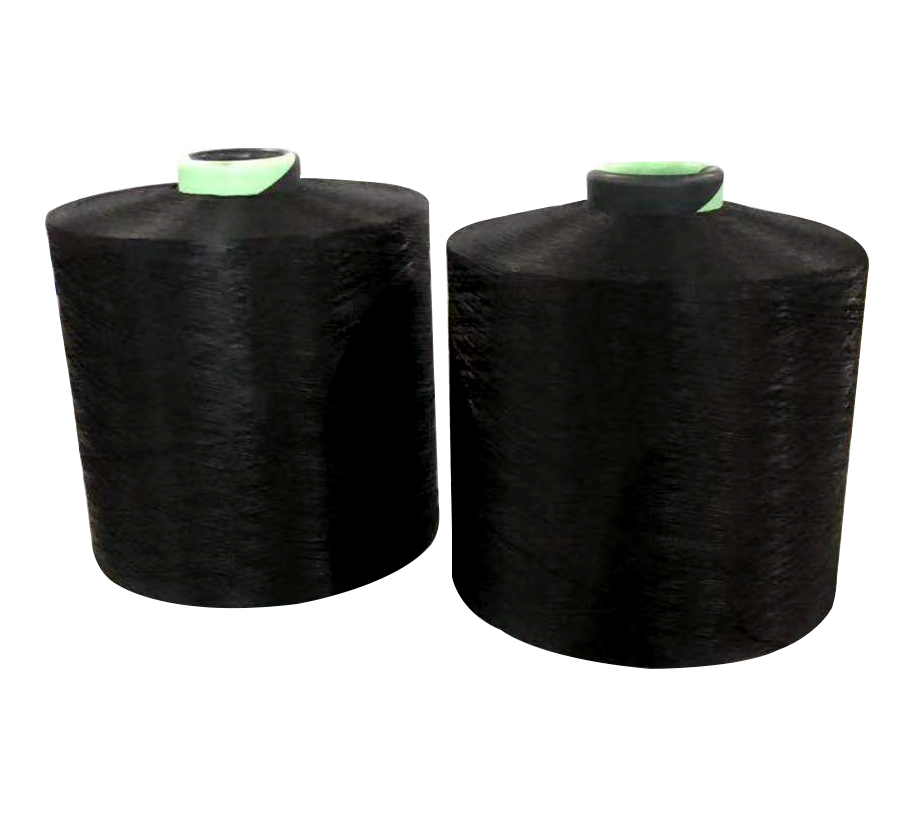
Product Name: DTY 600D/192F HIM Polyester Yarn Size: 600D/192F Twist: S+Z Color:...
See Details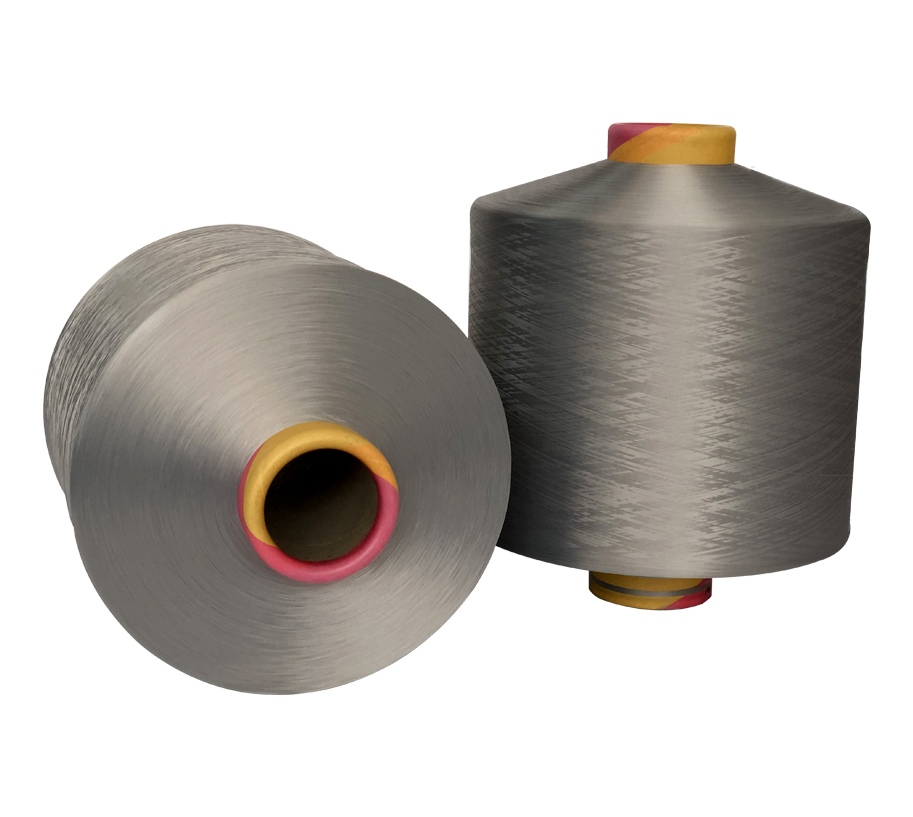
New Style 300d Gray 99.99% Polyester Yarn Eco-friendly OEM DTY Polyester Yarn St...
See Details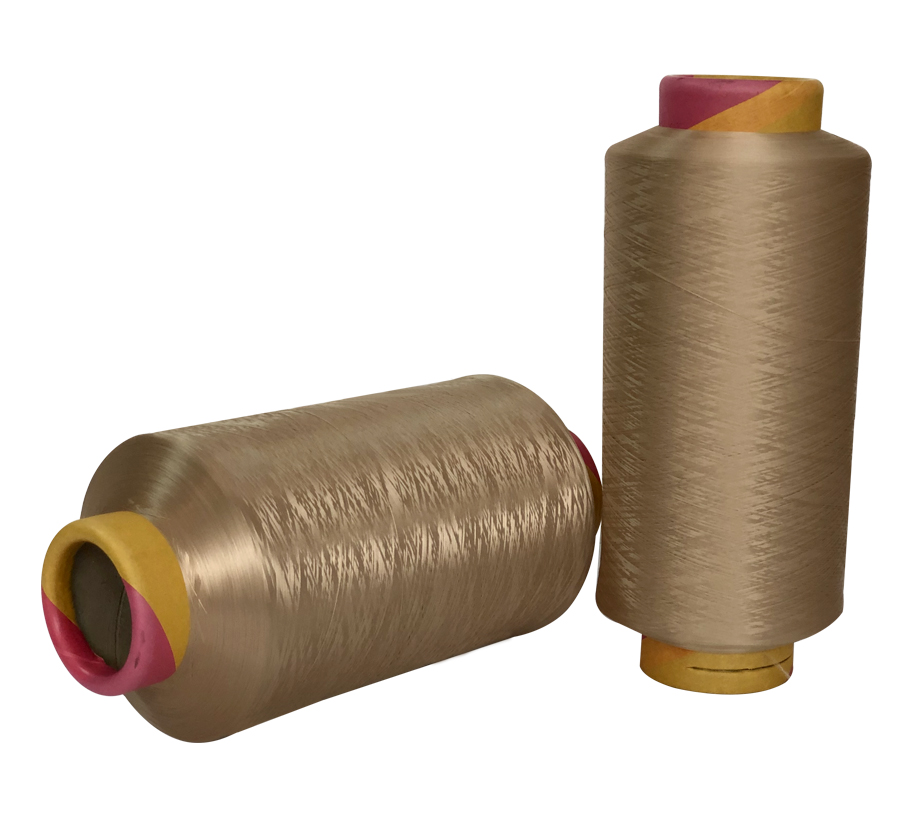
High Temperature-Resistant 300D Brown 99.99% Polyester Yarn for Hand Knitting an...
See Details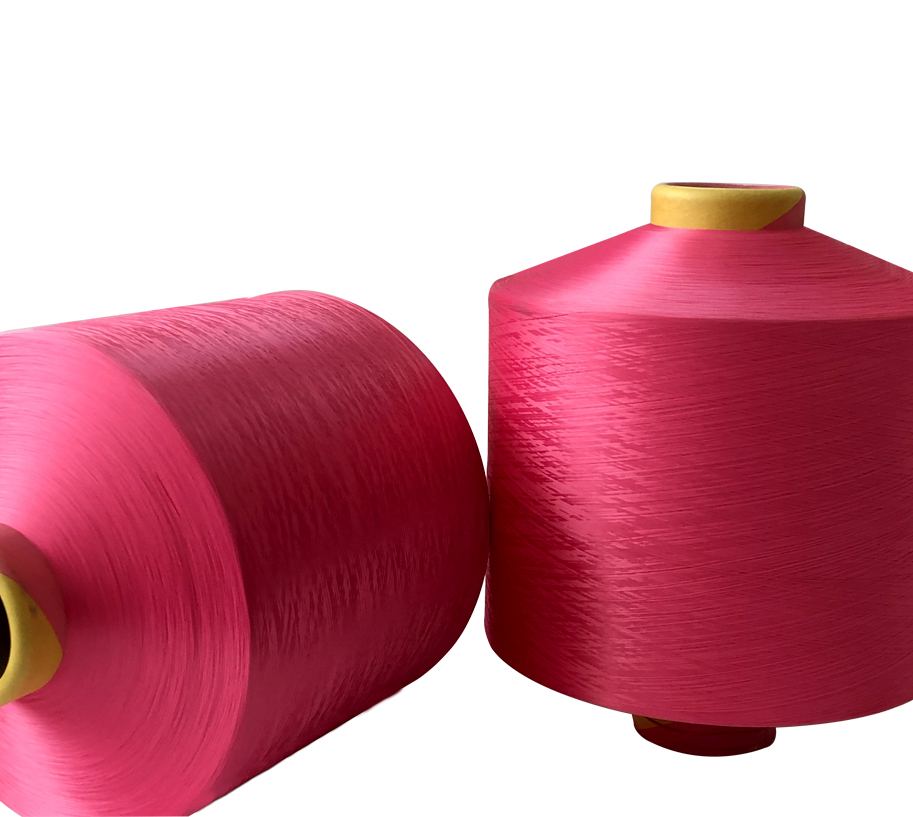
Durable 300D Rose Red 99.99% Polyester Yarn for Weaving & EmbroideryColor: R...
See DetailsCopyright © Hangzhou Dingkai Chemical Fibre Co., Ltd. All Rights Reserved.
Wholesale China Polyester DTY Yarns Factory