Call:+86-571-82912975
 https://www.dkyarn.com
 English
 中文简体
中文简体
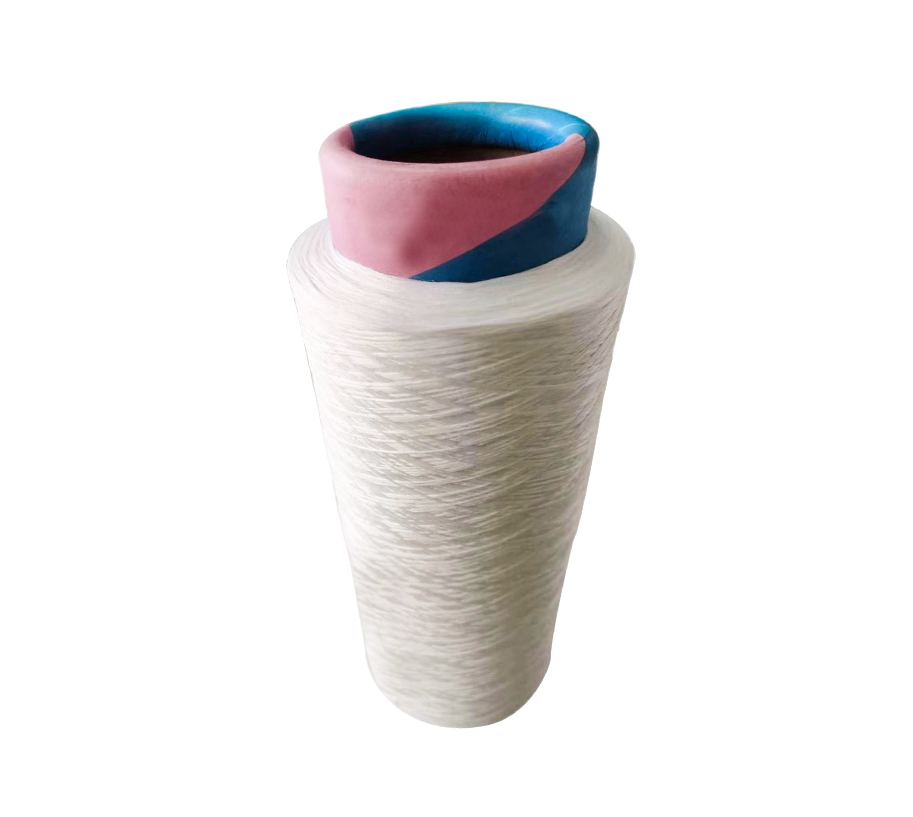
Product Name: DTY 150D/36F HIM Polyester Yarn Size: 150D/36F Twist: S+Z Pattern:...
See Details

DTY, or Draw Textured Yarn, is a functional fiber obtained by processing POY (Partially Oriented Yarn) through stretching and texturing. Its fiber structure has a distinctive crimp, providing excellent bulkiness and a soft hand feel. This not only enhances fabric comfort but also improves thermal insulation and elasticity.
From a physical performance perspective, China DTY offers outstanding recovery and dimensional stability. After heat setting, the fiber maintains its shape during use and is resistant to deformation. Additionally, its abrasion resistance and anti-pilling properties ensure consistent quality in various weaving processes.
In terms of dyeing performance, DTY's open fiber structure allows for efficient dye uptake, producing even and vivid colors. This feature is particularly important in fabrics requiring high color saturation.
China's DTY products benefit from years of accumulated expertise, resulting in a mature production system. Every stage, from raw material selection to spinning and subsequent texturing, directly influences product quality.
During production, equipment stability and precise process control are critical. Optimizing temperature and tension parameters enhances fiber uniformity and yarn consistency. Advanced automation also reduces batch-to-batch variations, ensuring high-quality output.
China DTY manufacturers also focus on environmental sustainability by optimizing energy consumption and reducing emissions during processing. This balance of quality and eco-friendliness strengthens their competitiveness in international markets.
China DTY offers high flexibility in specifications, allowing customized production according to specific requirements. Fiber fineness, crimp type, twist, and luster can all be finely adjusted to suit various weaving techniques.
Different DTY specifications emphasize different fabric properties. Some focus on softness and skin-friendliness, while others enhance structure and drape. This adaptability makes DTY highly versatile in both knitted and woven textiles.
DTY also produces natural textures in fabrics, providing aesthetic appeal while maintaining functional performance, making it suitable for multiple applications.
As the demand for functional textiles rises globally, China DTY stands out for its quality and stability. Its well-developed production system and efficient supply chain give it advantages in delivery and cost control.
Quality standards are increasingly aligned with international benchmarks, and rigorous testing ensures consistent performance and appearance. This reliability strengthens its reputation in global markets.
China DTY also explores product differentiation by developing functional fibers with added value, extending beyond basic textile materials into high-end applications.
As a textile raw material, the detailed performance of DTY directly affects the final fabric quality. Fiber crimp uniformity, yarn structure stability, and surface smoothness all influence the weaving process.
High-quality China DTY exhibits uniform yarn structure, reducing breakage and fuzzing during weaving and improving production efficiency. Its processability also lowers machine strain, ensuring smoother production.
These detailed advantages translate into better hand feel, stable dimensions, and longer-lasting fabric performance, forming DTY's core value in the textile supply chain.
What is the difference between China DTY and regular polyester filament?
DTY undergoes stretching and texturing, resulting in crimp and bulkiness, while regular polyester filament is relatively straight, leading to clear differences in hand feel and functionality.
What are the key quality indicators for DTY?
Main indicators include yarn uniformity, crimp stability, strength, and dyeing uniformity, all of which directly affect weaving and finishing performance.
Which types of fabrics are suitable for China DTY?
DTY is highly versatile and suitable for a wide range of fabric structures, balancing comfort and appearance, making it widely used in textiles.
How can one judge the quality of DTY?
Quality can be assessed based on yarn appearance, hand feel, elastic recovery, and processing stability. High-quality DTY demonstrates excellent uniformity and consistency.
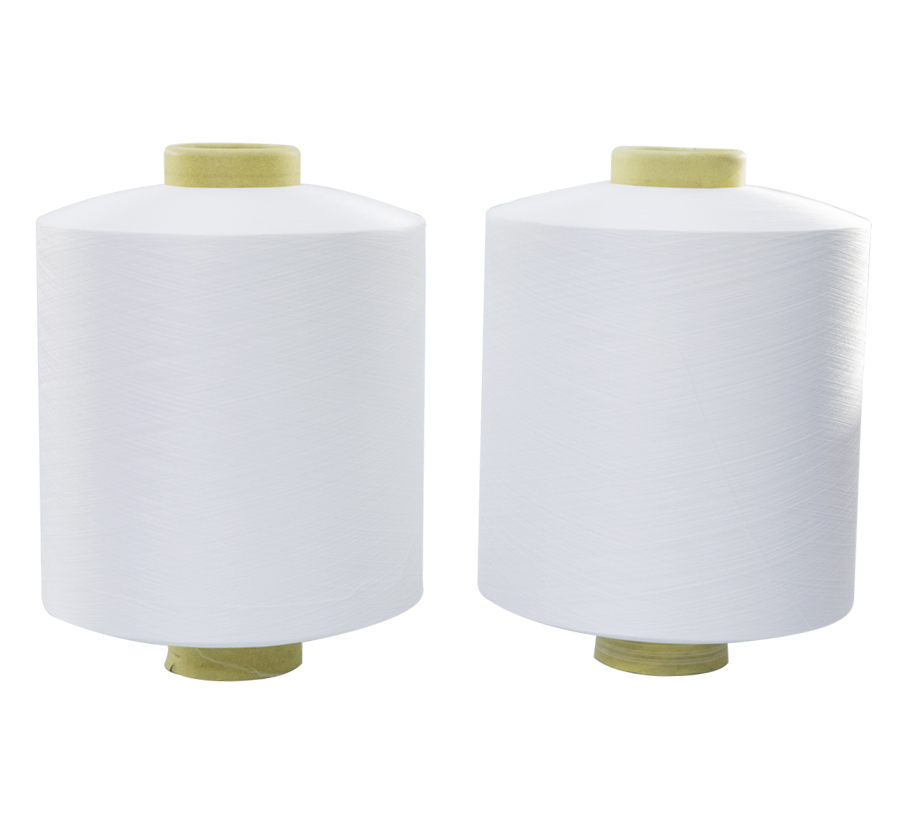
Product Name: DTY 150D/36F HIM Polyester Yarn Size: 150D/36F Twist: S+Z Pattern:...
See Details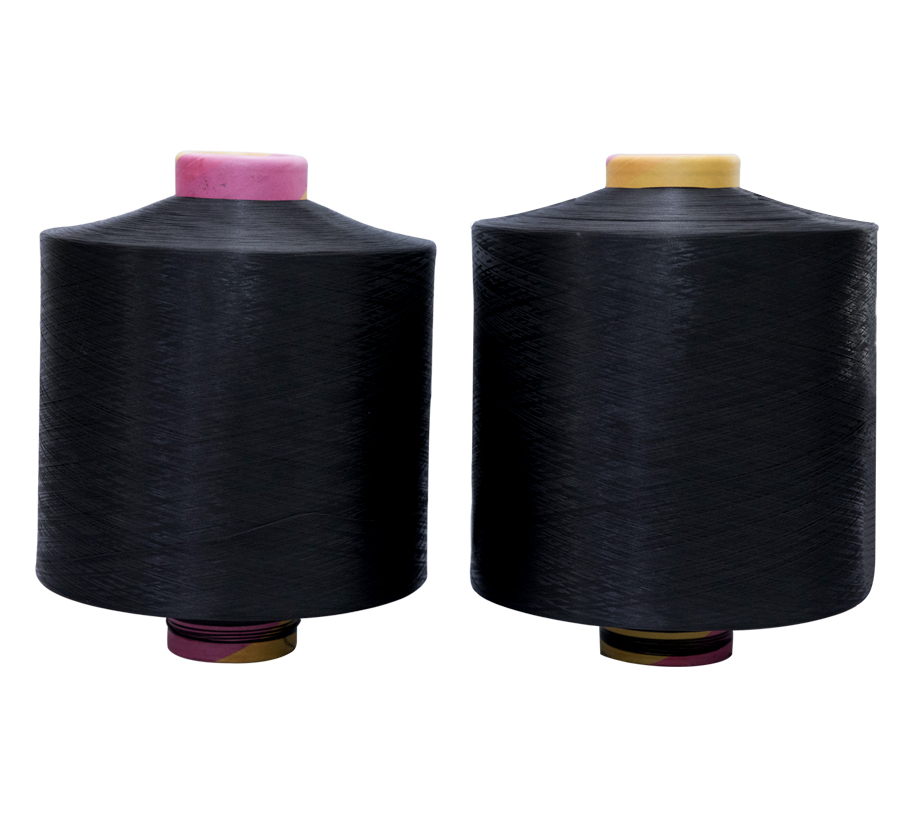
Sustainable 300D/96F Polyester Color Yarns BLACK NIM Product specifications:300D...
See Details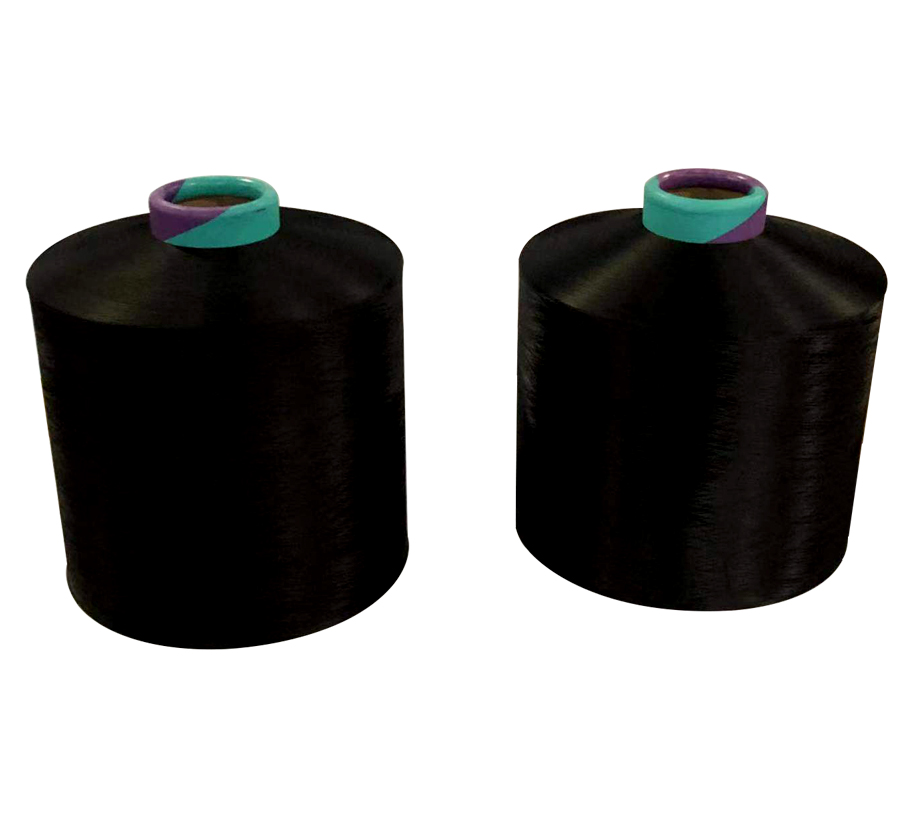
Moisture-Absorbent 100D/36F BLACK NIM Polyester Yarn Material: 99.99% Polyester ...
See Details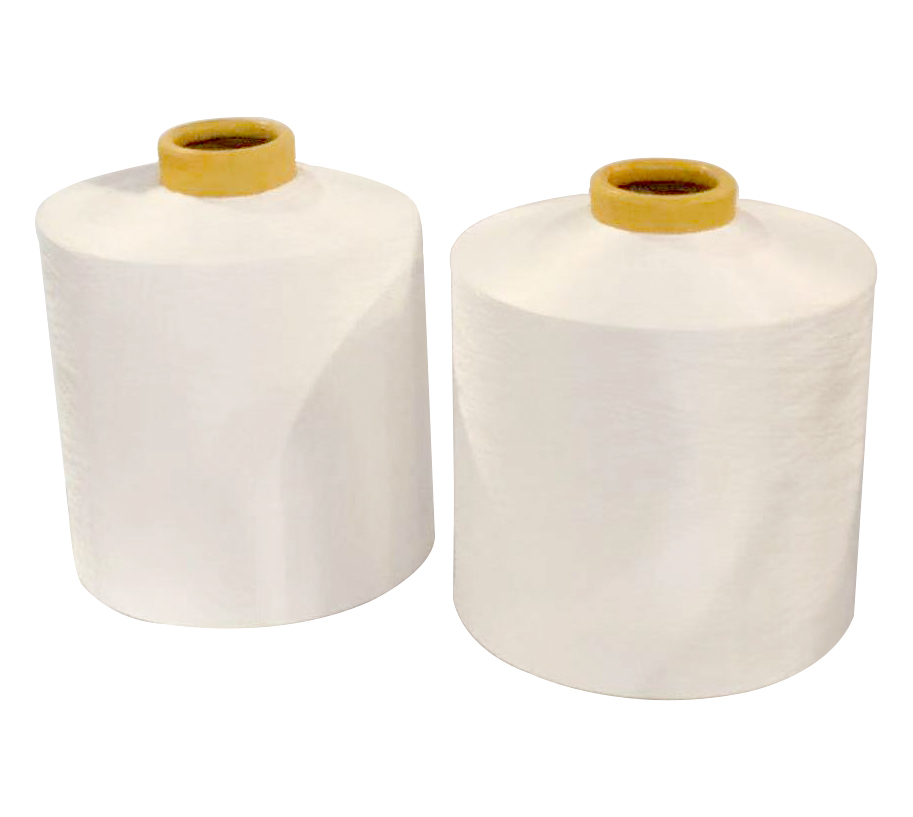
Yarn Type: High Intermingle Yarn Size: 450D/192F Twist: S+Z Color: White Pattern...
See Details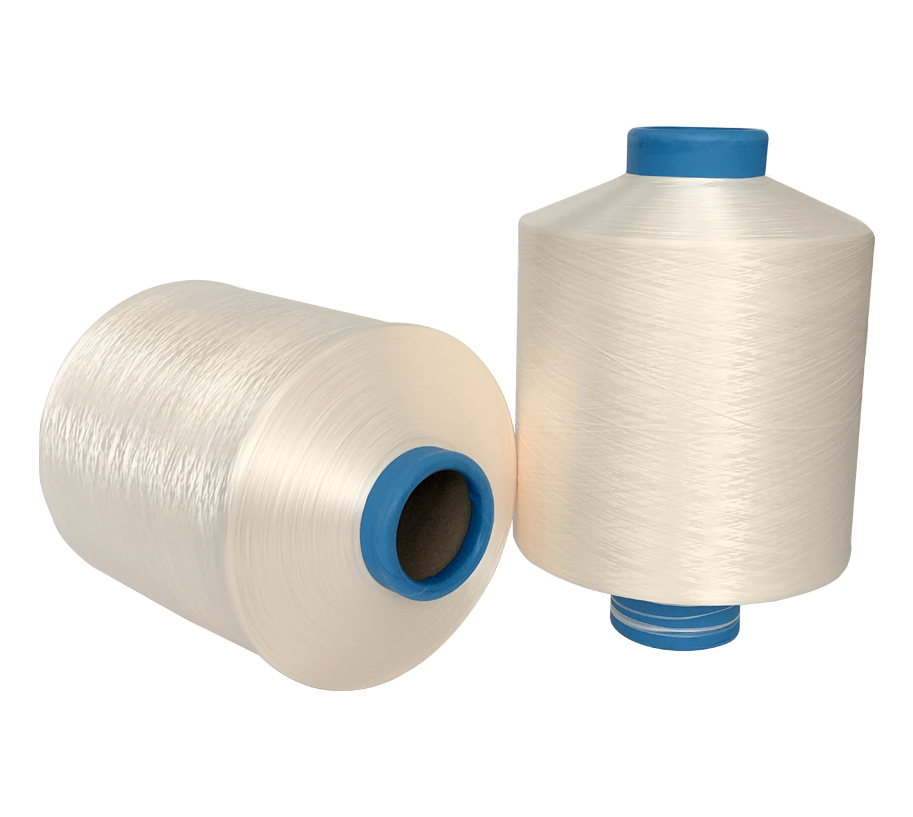
Anti-Bacterial 300D Milk White 99.99% Polyester Yarn for Hand KnittingColor: Mil...
See Details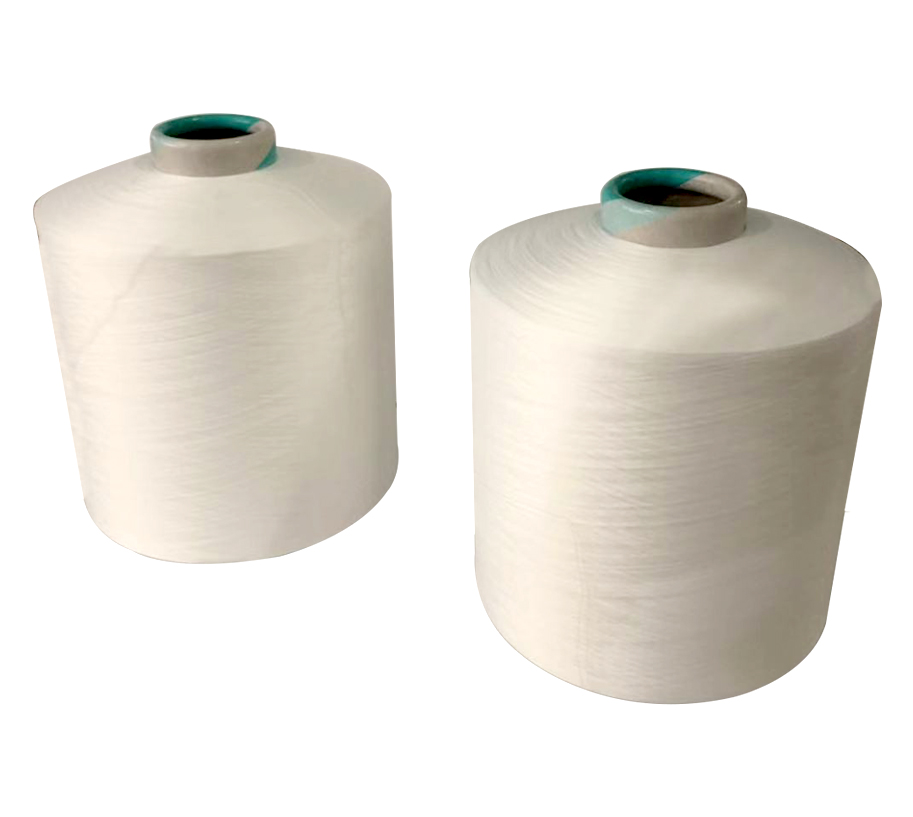
Anti-Bacteria 75D36F RW NIM(WHIT LITTLE INTEREMINGLE) Polyester Yarn Yarn Count:...
See DetailsCopyright © Hangzhou Dingkai Chemical Fibre Co., Ltd. All Rights Reserved.
Wholesale China Polyester DTY Yarns Factory