Call:+86-571-82912975
 https://www.dkyarn.com
 English
 中文简体
中文简体
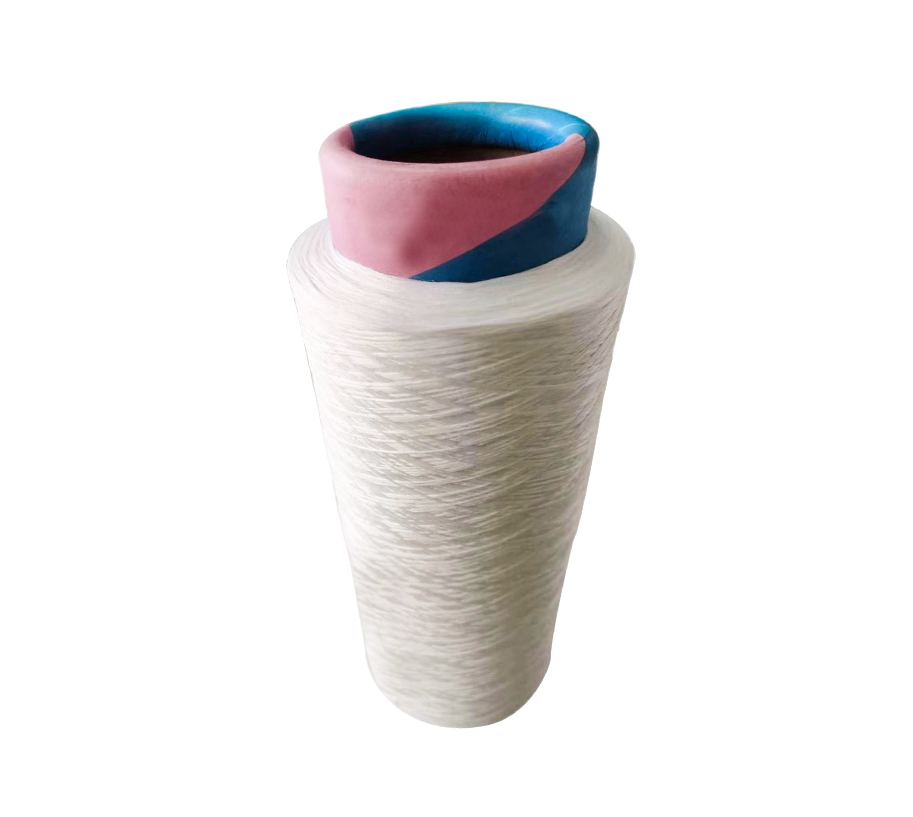
White/Brown/Green 150D/48F DTY Yarn 99.99% Polyester AA Grade Eco-friendly Yarn ...
See Details

SD yarn (Spin Draw Yarn) is a highly engineered synthetic textile created by combining the spinning and drawing processes into a single, continuous operation. This integrated manufacturing approach results in a material characterized by exceptional tensile strength, superior dimensional stability, and increased production efficiency compared to traditional two-step yarn manufacturing methods. It is predominantly utilized in industrial, automotive, and heavy-duty textile applications where structural integrity and durability are absolutely critical.
The fundamental purpose of producing SD yarn is to streamline the creation of high-tenacity fibers. By eliminating the intermediate steps required in conventional synthetic fiber production, manufacturers can produce a robust, consistent, and reliable yarn that meets the rigorous demands of modern engineering and technical textiles.
To understand the value of SD yarn, one must look at its technical production methodology. The manufacturing of synthetic fibers typically requires two distinct phases: spinning the molten polymer into a preliminary filament, and subsequently drawing that filament to align the polymer molecules. SD yarn eliminates the intermediary storage and handling by executing both procedures simultaneously.
During the continuous spin-draw process, the molten polymer is extruded through a spinneret and immediately subjected to high tension and controlled heat. This real-time mechanical stretching forces the long-chain polymer molecules to align parallel to the fiber axis. The resulting fiber exhibits a highly oriented crystalline structure. This molecular arrangement directly translates to the macro-level properties that engineers rely upon, providing a significant increase in load-bearing capacity.
From a production standpoint, the continuous nature of the SD yarn process reduces the physical footprint of the manufacturing facility and lowers energy consumption. Because the yarn does not need to be wound, stored, and then unwound for a separate drawing phase, the risk of contamination and mechanical damage is drastically reduced. This leads to a more consistent product profile across the entire length of the yarn spool.
The unique manufacturing process of SD yarn imparts a specific set of physical characteristics that distinguish it from standard texturized or spun yarns. These properties are the primary reason it is selected for high-stress applications.
The following table illustrates a general comparison between SD yarn and traditional spun yarn, highlighting why specific industrial applications favor the former.
| Performance Metric | SD Yarn | Traditional Spun Yarn |
|---|---|---|
| Tensile Strength | Significantly Higher | Moderate |
| Thermal Shrinkage | Very Low | Variable/Higher |
| Production Efficiency | High (Single Step) | Lower (Multiple Steps) |
| Abrasion Resistance | Excellent | Good |
Because of its specialized physical properties, SD yarn is not typically used in everyday apparel. Instead, it is reserved for technical textiles and industrial components where failure is not an option.
One of the most prominent uses of SD yarn is in the manufacturing of automotive safety belts and airbag fabrics. Safety belts require a material that can absorb the massive kinetic energy of a passenger during a sudden deceleration without snapping. The high tensile strength and controlled elongation of SD yarn ensure that the webbing holds firm under extreme stress, directly contributing to passenger safety.
In civil engineering, soils often need to be stabilized to prevent erosion or structural failure. Geotextiles made from SD yarn are used to reinforce embankments, roads, and retaining walls. The yarn's resistance to chemical degradation in soil and its ability to withstand constant mechanical stress make it an ideal foundation material for long-term infrastructure projects.
Conveyor belts used in mining, agriculture, and manufacturing are subjected to heavy loads and continuous friction. SD yarn is utilized as the reinforcement layer within these rubber belts. It prevents the belt from stretching under heavy payloads and resists the heat generated by continuous operation. Similarly, high-pressure hydraulic hoses use SD yarn to prevent rupturing.
Selecting the correct type of SD yarn requires a thorough understanding of the end-use application. Engineers and procurement specialists must evaluate several technical parameters to ensure the yarn will perform as expected.
By following a strict evaluation process, manufacturers can avoid costly material failures and ensure that the final product maintains its structural integrity throughout its intended lifespan.
As the textile industry moves toward more sustainable practices, the production of SD yarn has also evolved. The continuous spin-draw process is inherently more energy-efficient than older, multi-stage manufacturing methods. By consolidating the production line, facilities can reduce their overall carbon footprint and lower greenhouse gas emissions associated with synthetic fiber production.
Furthermore, modern SD yarn can be manufactured using recycled polymers. Post-consumer plastic waste can be processed, melted, and fed directly into the spin-draw extrusion system. This circular approach not only diverts waste from landfills but also reduces the reliance on virgin petrochemical feedstocks. The extreme durability of products made with SD yarn also contributes to sustainability; longer-lasting industrial textiles and safety components require less frequent replacement, thereby reducing the manufacturing demand over time.
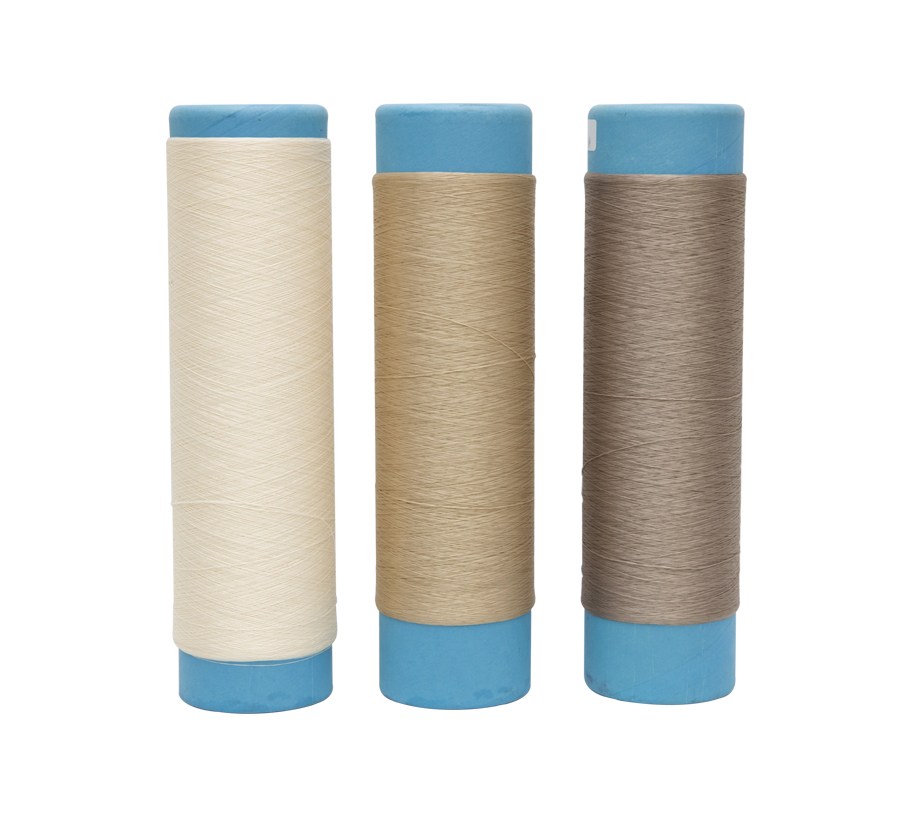
White/Brown/Green 150D/48F DTY Yarn 99.99% Polyester AA Grade Eco-friendly Yarn ...
See Details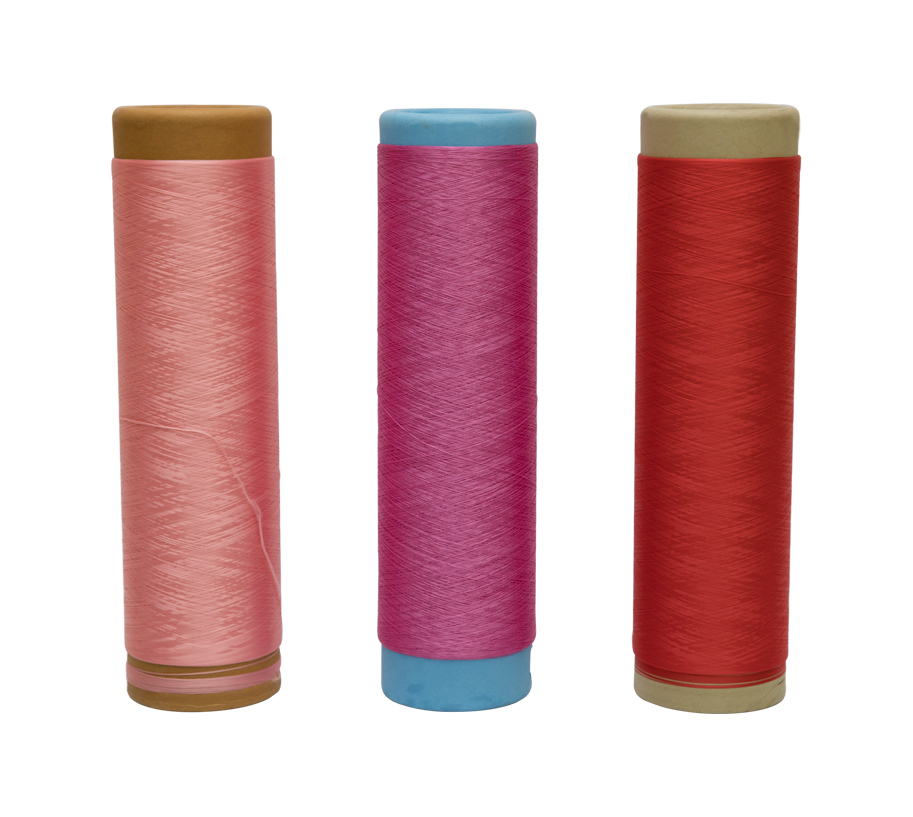
Pink/Rose Red/Red China 150D/48F Dty Polyester Yarn High Strength AA Grade Textu...
See Details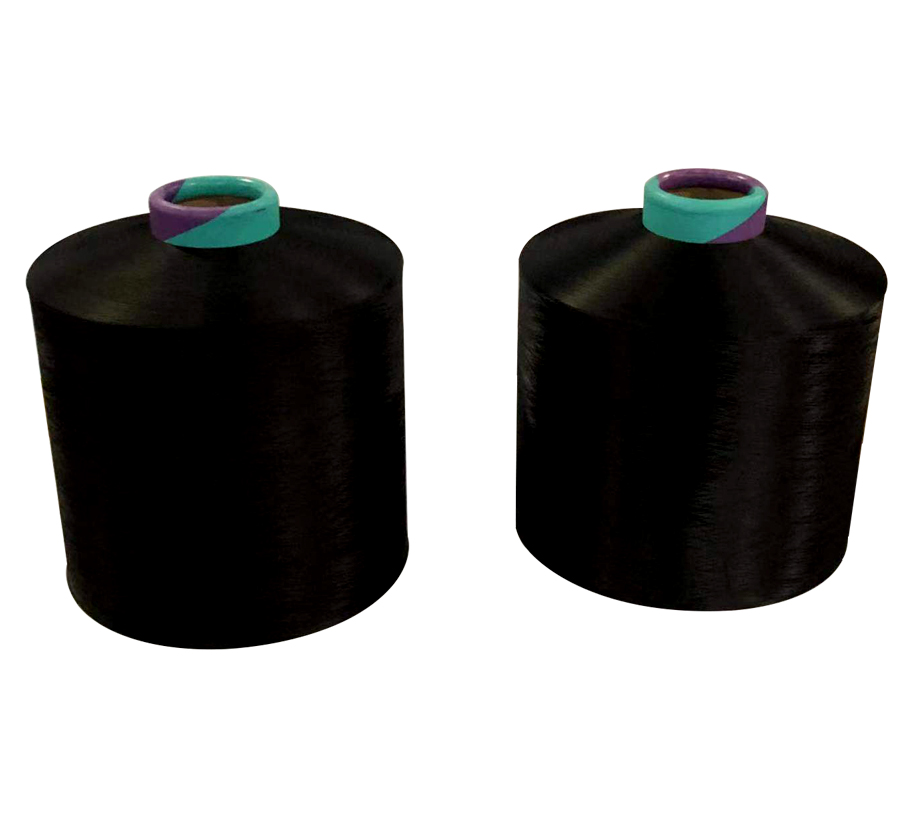
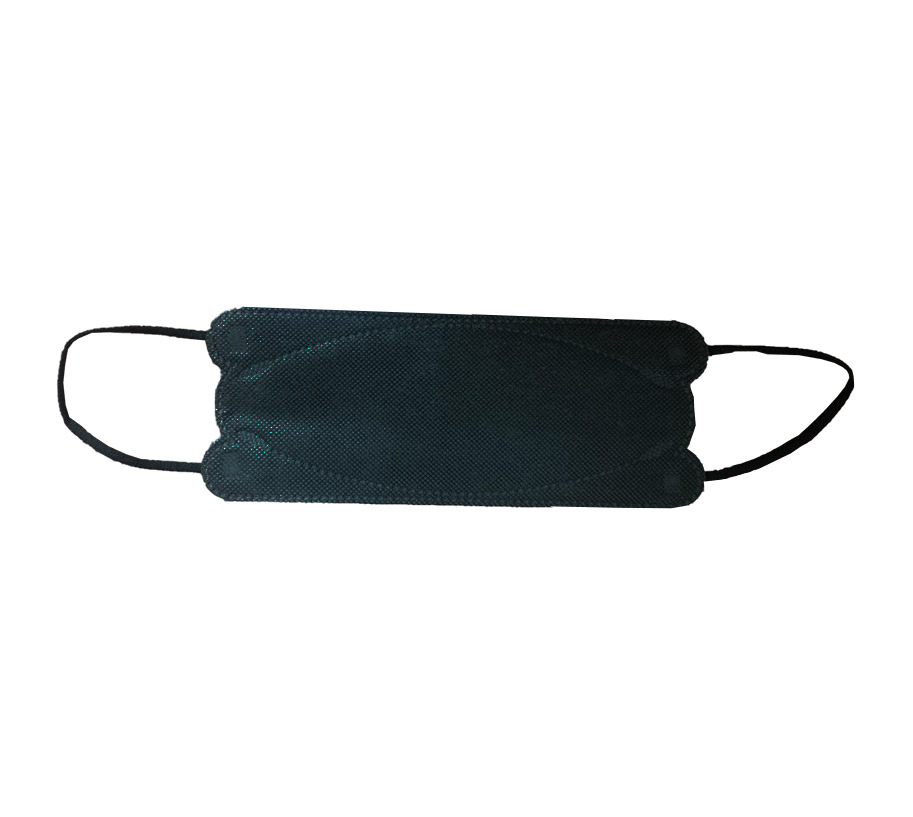
Moisture-Absorbent 100D/36F BLACK NIM Polyester Yarn Material: 99.99% Polyester ...
See Details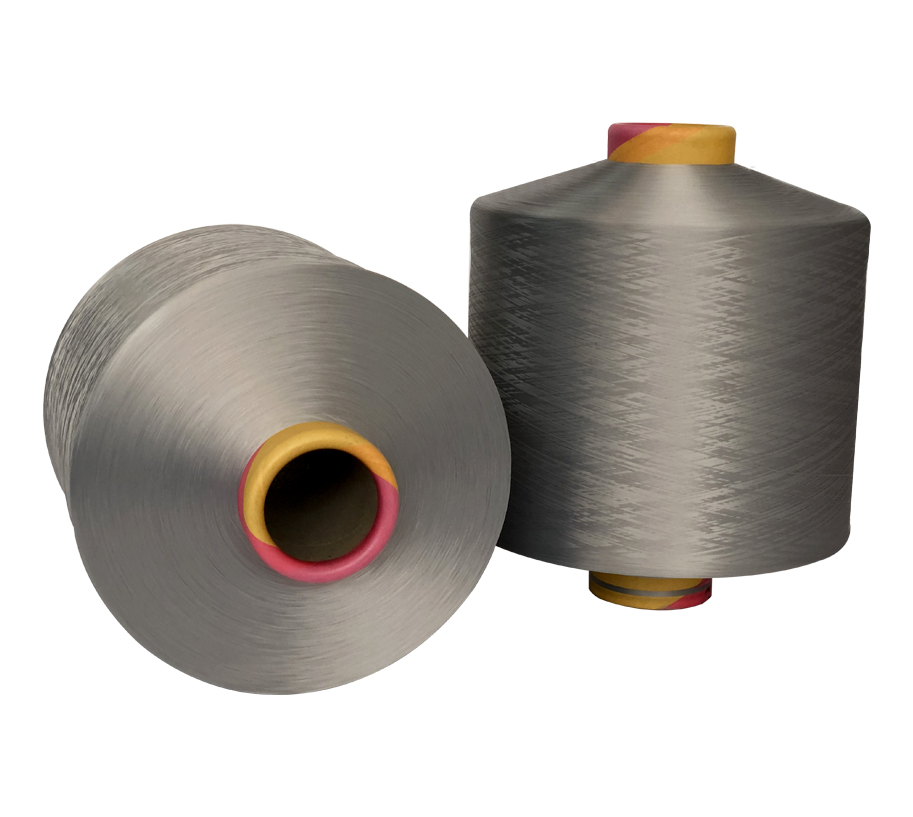
New Style 300d Gray 99.99% Polyester Yarn Eco-friendly OEM DTY Polyester Yarn St...
See Details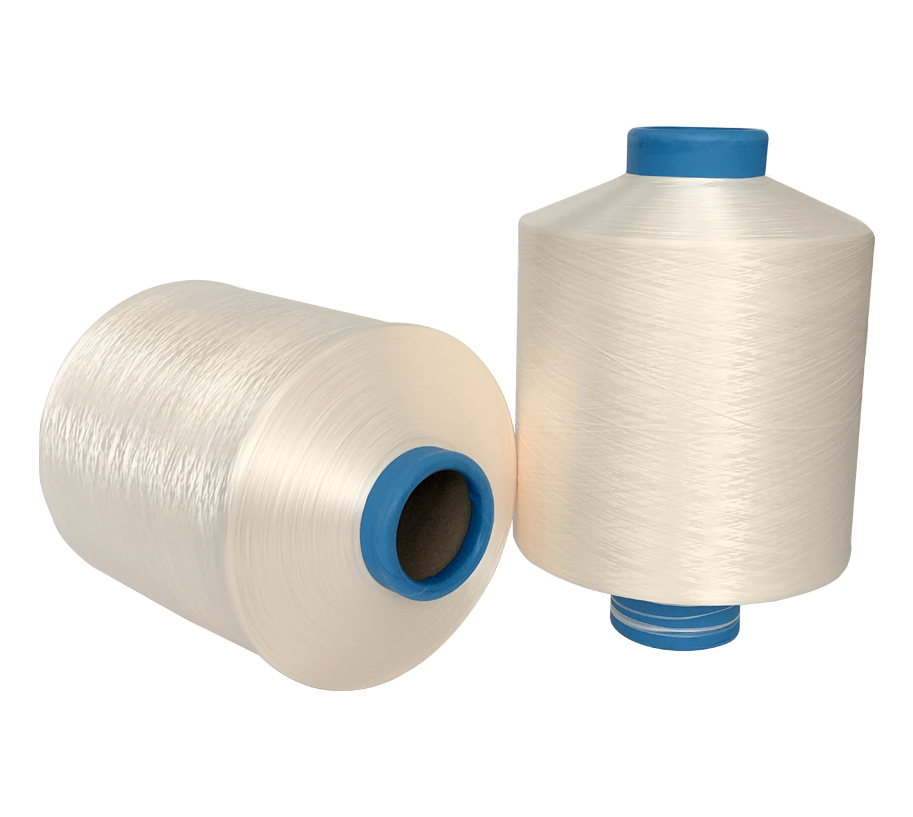
Anti-Bacterial 300D Milk White 99.99% Polyester Yarn for Hand KnittingColor: Mil...
See Details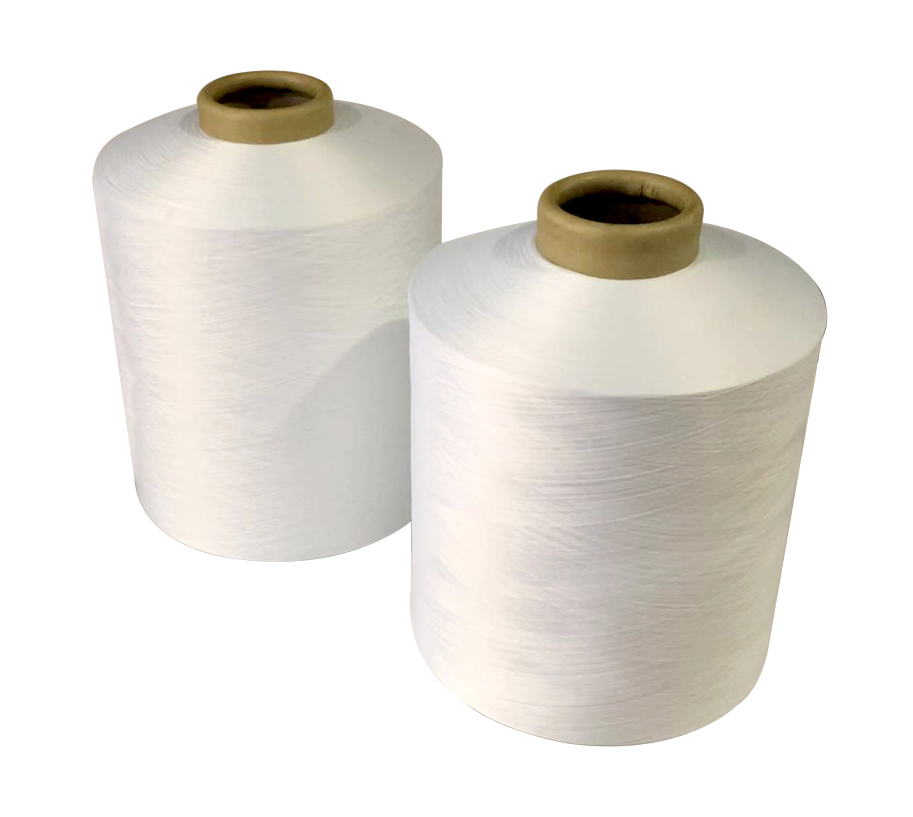
Sustainable 100D/36F RW NIM Polyester Yarn Yarn Count: 100D/36F Material: 99.99%...
See DetailsCopyright © Hangzhou Dingkai Chemical Fibre Co., Ltd. All Rights Reserved.
Wholesale China Polyester DTY Yarns Factory