Call:+86-571-82912975
 https://www.dkyarn.com
 English
 中文简体
中文简体
White/Brown/Green 150D/48F DTY Yarn 99.99% Polyester AA Grade Eco-friendly Yarn ...
See Details

China DTY 150D/48F is a highly versatile polyester draw textured yarn known for its exceptional balance of strength, softness, and durability. It serves as a fundamental material in modern textile manufacturing, specifically engineered to provide a cotton-like feel while maintaining the high tenacity and resilience of synthetic fibers. This specific specification, featuring a medium denier count and a moderate number of filaments, is widely used worldwide to produce garments, home textiles, and specialized industrial fabrics. Its popularity stems from its cost-effectiveness and reliable performance in high-speed knitting and weaving processes.
To fully understand the capabilities of this yarn, it is essential to break down its technical nomenclature. The term DTY stands for Draw Textured Yarn, a type of polyester yarn that has been mechanically processed to introduce crimps, loops, or coils. This texturing process imparts bulk and stretch to the yarn, transforming a flat, rigid filament into a soft, voluminous thread suitable for apparel.
150D (Denier): Denier is the unit of measurement for the linear mass density of fibers. It represents the weight in grams of nine thousand meters of the yarn. A rating of 150D indicates a medium-weight yarn. It is thick enough to offer substantial durability and coverage, yet fine enough to be woven into comfortable, breathable fabrics.48F (Filaments): The letter F denotes the number of individual continuous filaments that make up the yarn bundle. With 48F, the yarn is composed of forty-eight separate strands. A higher filament count generally results in a softer hand feel and a smoother fabric surface, as the overall thickness is distributed across more individual fibers.
The combination of a 150-denier weight distributed across 48 filaments creates an optimal ratio for textile production. This configuration ensures that the resulting fabric is neither overly coarse nor too delicate. The yarn possesses sufficient structural integrity to withstand rigorous mechanical processing, while the individual filaments are fine enough to produce a comfortable drape and a pleasant tactile experience for the end-user.
The production of DTY 150D/48F is a sophisticated multi-stage process that begins with raw polyester chips and ends with a fully textured, ready-to-use yarn. The primary stages involve polymerization, spinning, drawing, and texturing. Understanding this process is crucial for appreciating the consistency and quality of the final product.
The precision of the draw texturing machine determines the yarn's final characteristics, such as its elongation rate, shrinkage, and crimp rigidity. Manufacturers in China utilize advanced high-speed texturing machinery to ensure uniformity across massive production runs, guaranteeing that every bobbin of yarn behaves identically during downstream fabric manufacturing.
The versatility of DTY 150D/48F allows it to be seamlessly integrated into a wide variety of textile products. Its balanced physical properties make it suitable for both woven and knitted structures, catering to different market demands.
| Application Sector | Typical Products | Required Yarn Property |
|---|---|---|
| Activewear & Sports | Tracksuits, athletic shorts, gym leggings | High elasticity and moisture wicking |
| Home Textiles | Upholstery fabrics, bedspreads, curtains | Durability and abrasion resistance |
| Fashion Apparel | Dresses, blouses, lightweight jackets | Soft drape and aesthetic appeal |
| Industrial Use | Luggage linings, shoe uppers | High tensile strength |
In the activewear sector, the natural stretch provided by the texturing process allows for garments that move with the body without restricting motion. For home textiles, the 150D thickness ensures that the fabric can withstand daily wear and tear, while the 48 filaments provide a smooth surface that holds dyes exceptionally well, resulting in vibrant, long-lasting colors.
China has established itself as the global epicenter for synthetic yarn production. When sourcing DTY 150D/48F from this region, buyers benefit from a mature supply chain, massive production capacity, and continuous technological advancements. The infrastructure supporting the textile industry in China is unparalleled, encompassing everything from raw material extraction to finished fabric distribution.
Furthermore, the industry's shift towards automation has significantly reduced the reliance on manual labor, minimizing human error in the texturing process. This leads to a more consistent product, where the physical properties of the yarn remain stable from the first meter to the last.
Maintaining the integrity of DTY 150D/48F requires rigorous quality control protocols. Before the yarn is packaged and shipped, it undergoes a series of physical and chemical tests to ensure it meets international textile standards. These tests are critical, as any deviation in yarn properties can lead to defects in the final fabric, such as barré (visual streaks) or uneven dyeing.
Strength and Elongation: Tensile testing machines measure the force required to break the yarn and its percentage of stretch before breaking. A consistent breaking strength ensures the fabric will not tear during sewing or wear.Boiling Water Shrinkage: The yarn is exposed to boiling water to measure its dimensional stability. Low and uniform shrinkage is vital to prevent fabric distortion during wet processing.
Additionally, the yarn is inspected for intermingling consistency. Intermingling is the process of tying the 48 filaments together at regular intervals using air jets. Proper intermingling prevents the filaments from splitting during weaving or knitting, ensuring smooth machinery operation and a flawless fabric surface.
As the global textile industry moves towards more sustainable practices, the production of DTY 150D/48F is also evolving. Chinese manufacturers are increasingly adopting the use of recycled polyester chips to create what is commonly known as recycled DTY (R-DTY). This process diverts plastic waste, such as PET bottles, from landfills and transforms them into high-quality textile yarn.
The physical properties of recycled DTY are virtually identical to those produced from virgin materials, making it an easy substitution for brands looking to improve their environmental footprint. Furthermore, advancements in waterless dyeing technologies and energy-efficient texturing machines are reducing the overall ecological impact of yarn production. The future of DTY 150D/48F lies in smart manufacturing, where data analytics and real-time monitoring will further optimize quality and reduce waste, solidifying its position as a cornerstone of the modern textile industry.
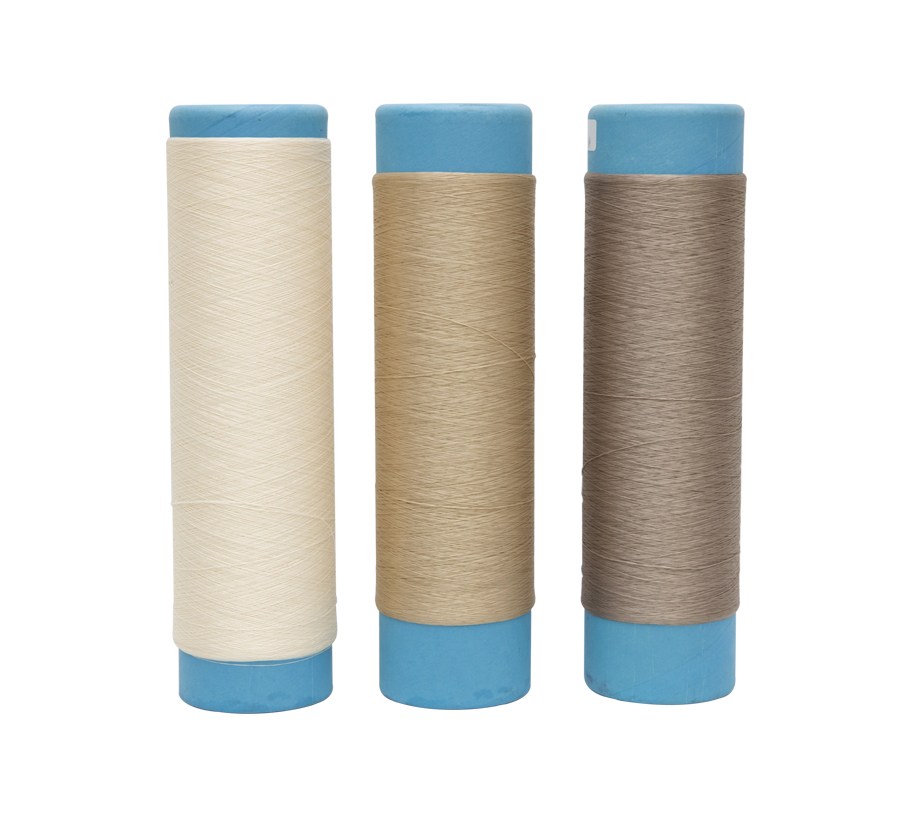
White/Brown/Green 150D/48F DTY Yarn 99.99% Polyester AA Grade Eco-friendly Yarn ...
See Details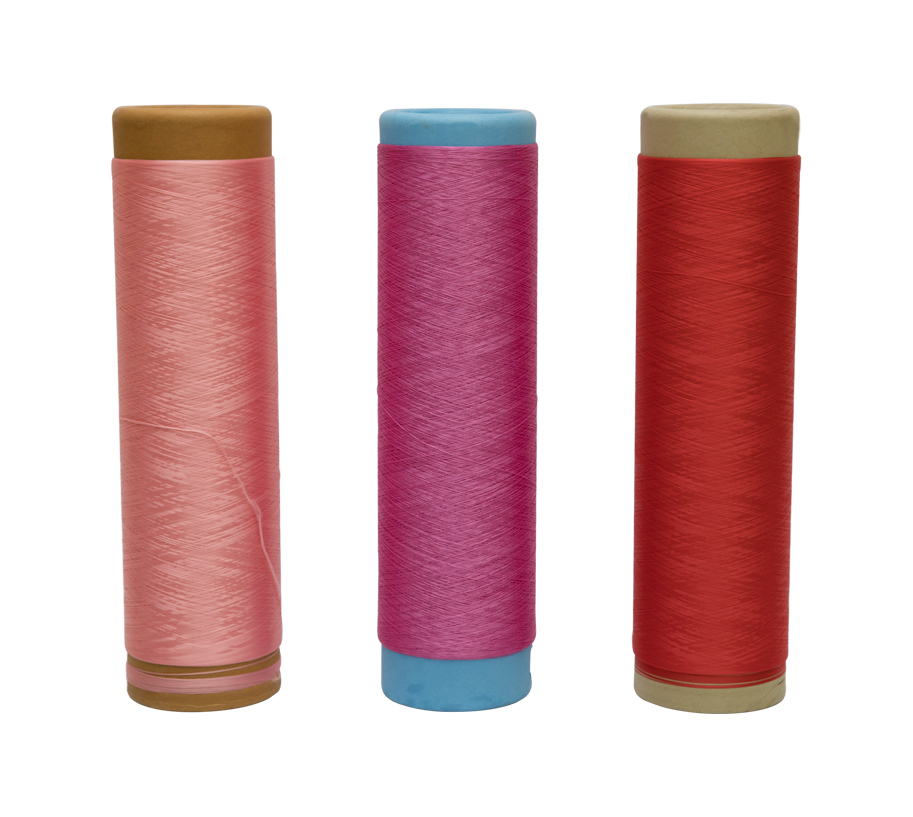
Pink/Rose Red/Red China 150D/48F Dty Polyester Yarn High Strength AA Grade Textu...
See Details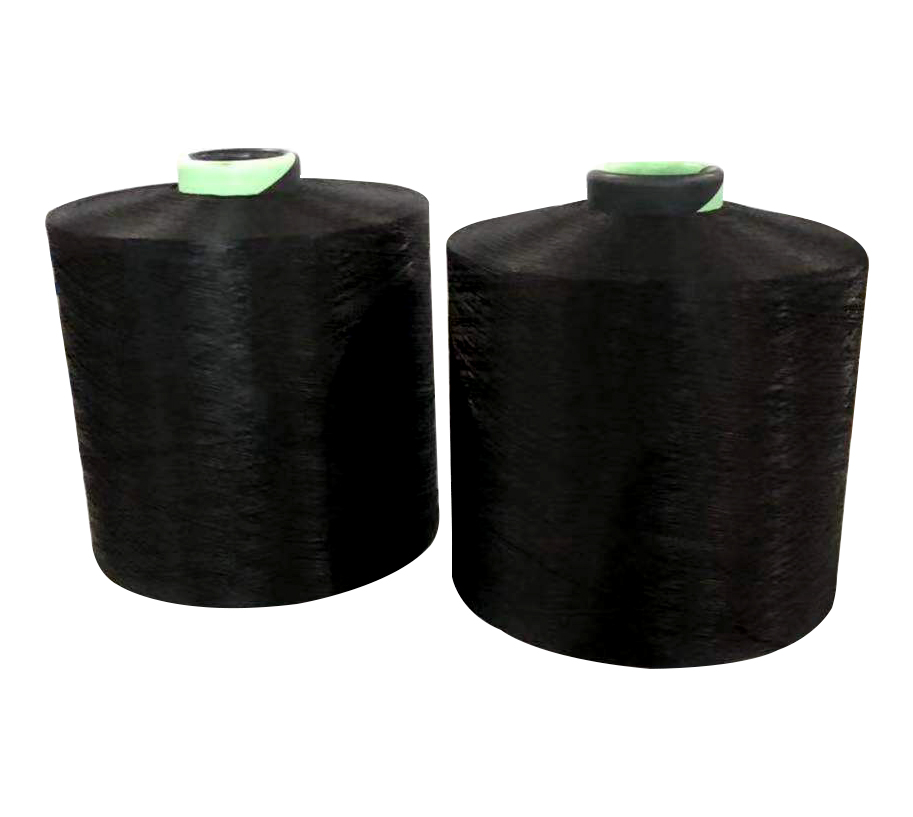
Product Name: DTY 600D/192F HIM Polyester Yarn Size: 600D/192F Twist: S+Z Color:...
See Details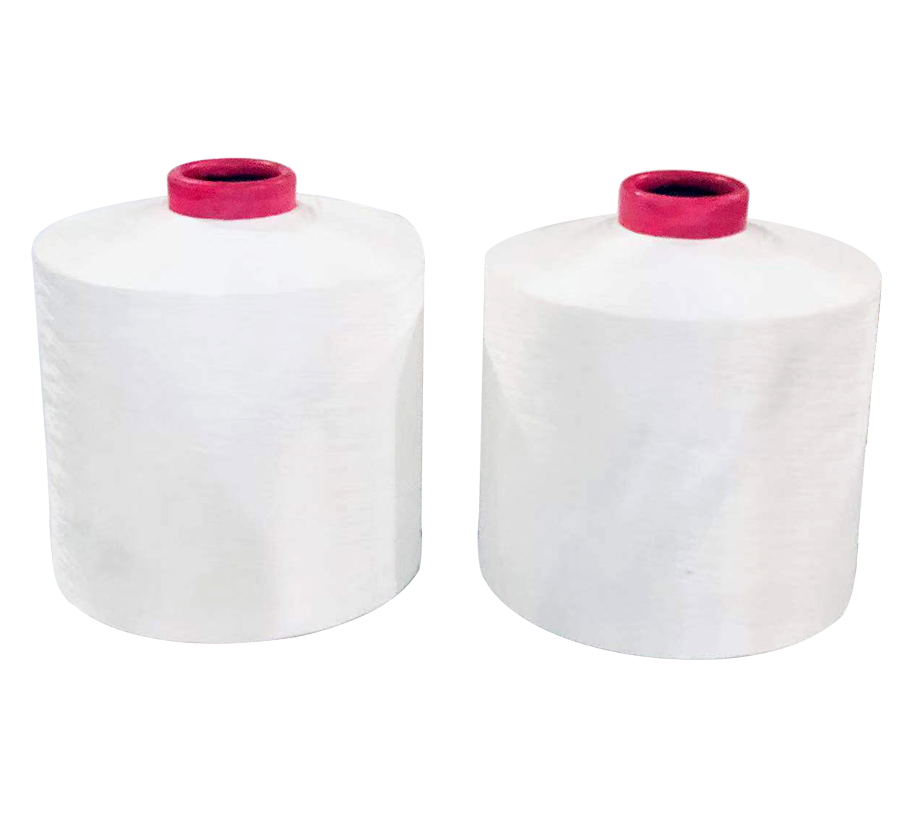
Yarn Count: 600D/192F SD RW HIM Draw Texturing Yarn Size: 600D/192F Twist: S+Z C...
See Details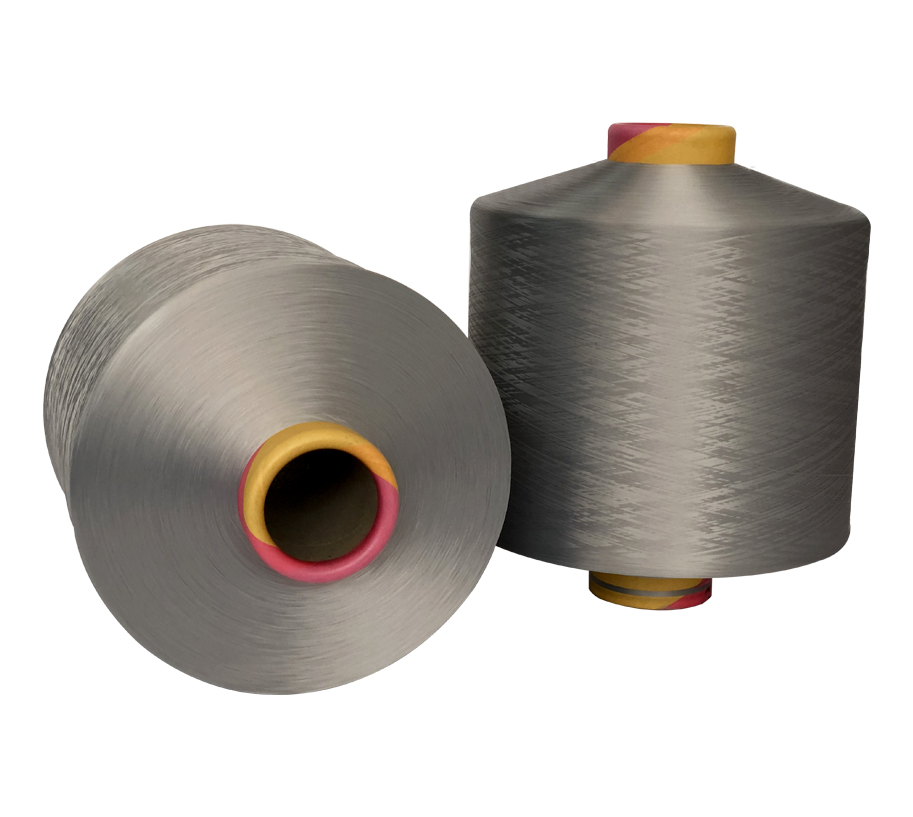
New Style 300d Gray 99.99% Polyester Yarn Eco-friendly OEM DTY Polyester Yarn St...
See Details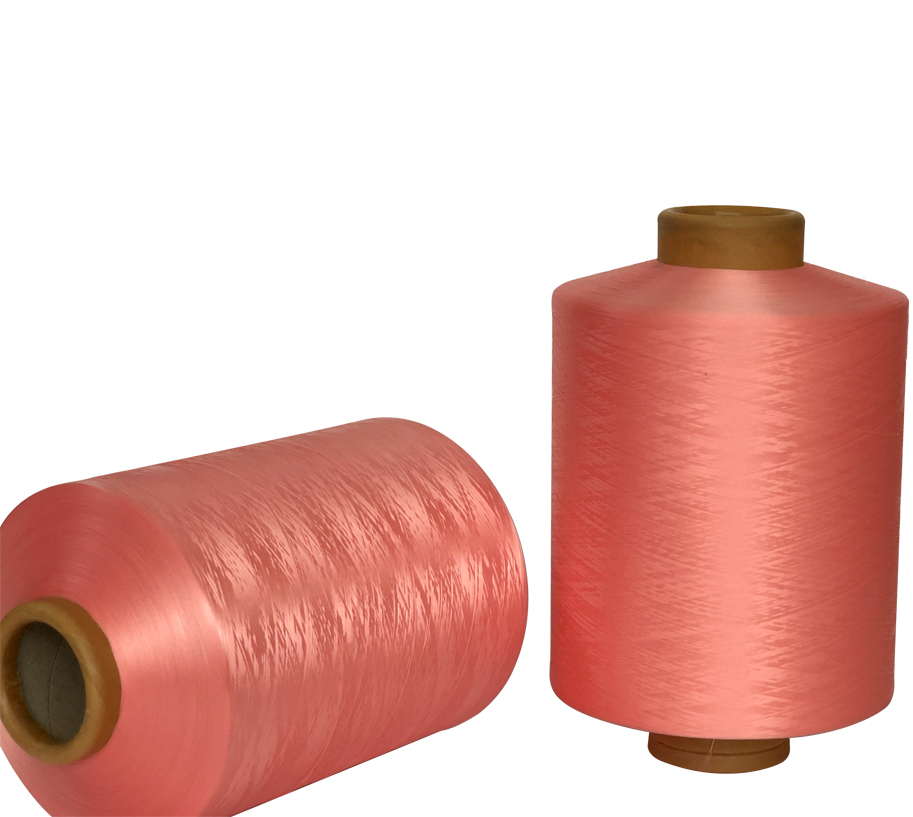
300D Watermelon Red 99.99% Polyester Yarn for Knitting Color: Watermelon Red Mat...
See Details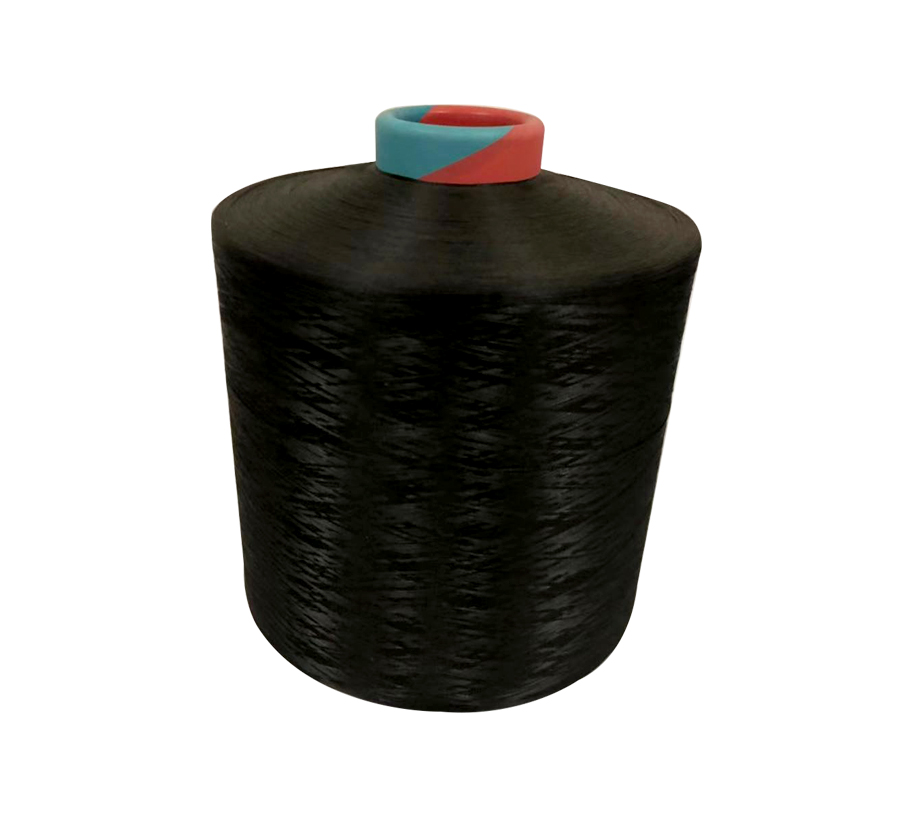
Name: 75D/36F BLACK NIM Polyester Yarn Color: Black Denier: 75D/36F Material: 99...
See DetailsCopyright © Hangzhou Dingkai Chemical Fibre Co., Ltd. All Rights Reserved.
Wholesale China Polyester DTY Yarns Factory