 Call:+86-571-82912975
 https://www.dkyarn.com
 English
 中文简体
中文简体
Navy/Grey 150D/36F DTY Yarn 99.99% Polyester Anti-pilling Yarn for Sewing Materi...
See Details

As sustainability becomes increasingly important in today's global marketplace, the role of polyester raw material in the textile industry is gaining attention. The shift toward more eco-friendly practices within textile manufacturing is driving significant changes in material sourcing, production processes, and waste management. This article explores the impact of polyester raw material sustainability on the textile industry, considering production processes, environmental benefits, and the challenges of sourcing sustainable materials.
The production process of polyester raw material involves several key steps, including polymerization, spinning, and weaving, each with its own environmental implications. While traditional polyester production relies heavily on petroleum-based raw materials, sustainable practices are focusing on recycling and using renewable resources. Innovations in production, such as the use of recycled PET (rPET), are significantly reducing environmental footprints by cutting down on energy consumption and raw material waste.
| Aspect | Traditional Polyester Production | Sustainable Polyester Production |
| Raw Materials | Petroleum-based resources | Recycled PET, bio-based sources |
| Energy Consumption | High | Lower, especially with rPET |
| CO2 Emissions | High | Significantly lower |
| Waste Generation | High | Lower, due to recycling |
In the current textile industry, the demand for eco-friendly polyester raw material for textiles is rising. The use of recycled polyester, derived from bottles or post-consumer products, is a prominent solution. These sustainable fibers help reduce plastic waste, promote a circular economy, and offer environmental benefits. Furthermore, eco-friendly polyester can be recycled multiple times, extending the lifecycle of the material and reducing dependency on virgin polyester.
Finding low-cost polyester raw material suppliers that also prioritize sustainability can be challenging. While many suppliers offer affordable prices, the environmental cost associated with cheap production methods can be significant. Therefore, it is crucial to identify suppliers who are committed to integrating sustainable practices into their production processes without compromising on material quality.
Asia plays a significant role in global polyester raw material sourcing, particularly in countries like China and India. While these regions are major producers of polyester, they also face challenges in adopting sustainable practices. Government regulations and incentives are gradually encouraging manufacturers to adopt eco-friendly production techniques, but significant challenges remain in scaling up these practices.
The impact of sustainable polyester raw material on the future of the textile industry is profound. As global consumers and brands push for greener solutions, the entire supply chain is undergoing transformation. From material sourcing to waste management, businesses that embrace sustainability will gain competitive advantages in the marketplace. However, this requires investment in new technologies, improvements in recycling, and shifts in consumer behavior.
The transition towards sustainable polyester raw material usage in the textile industry is inevitable, driven by both environmental concerns and consumer demand for eco-friendly products. The industry’s future will likely see a shift toward greater adoption of recycled materials, improved production processes, and better waste management strategies. Companies that adopt sustainable practices early will not only contribute to environmental conservation but also position themselves as leaders in the competitive textile market.
Eco-friendly polyester reduces plastic waste, lowers energy consumption, and minimizes CO2 emissions compared to traditional polyester production.
Look for suppliers who prioritize sustainability through certifications and transparent sourcing practices, even if their prices are slightly higher.
Recycled polyester reduces the need for virgin resources, decreases environmental impact, and contributes to a circular economy by enabling reuse.
Asia is a major producer of polyester, and its sourcing practices significantly influence the global supply chain. Adoption of sustainable practices in this region can have a large environmental impact.
Challenges include higher production costs, supply chain transparency, and limited availability of eco-friendly polyester in certain regions.
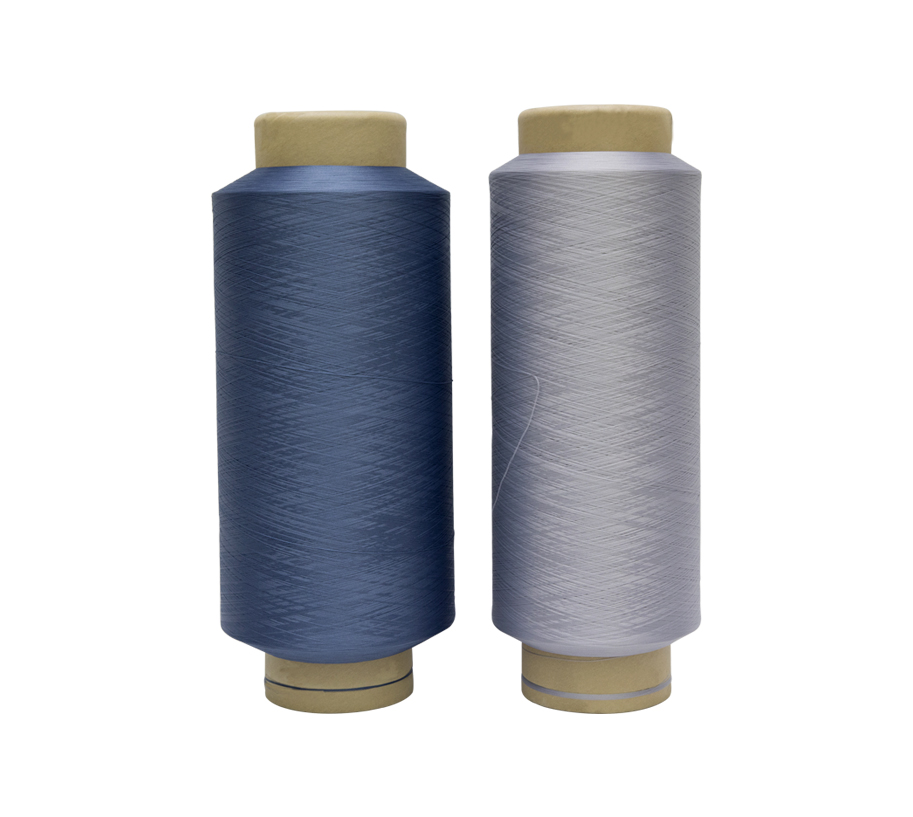
Navy/Grey 150D/36F DTY Yarn 99.99% Polyester Anti-pilling Yarn for Sewing Materi...
See Details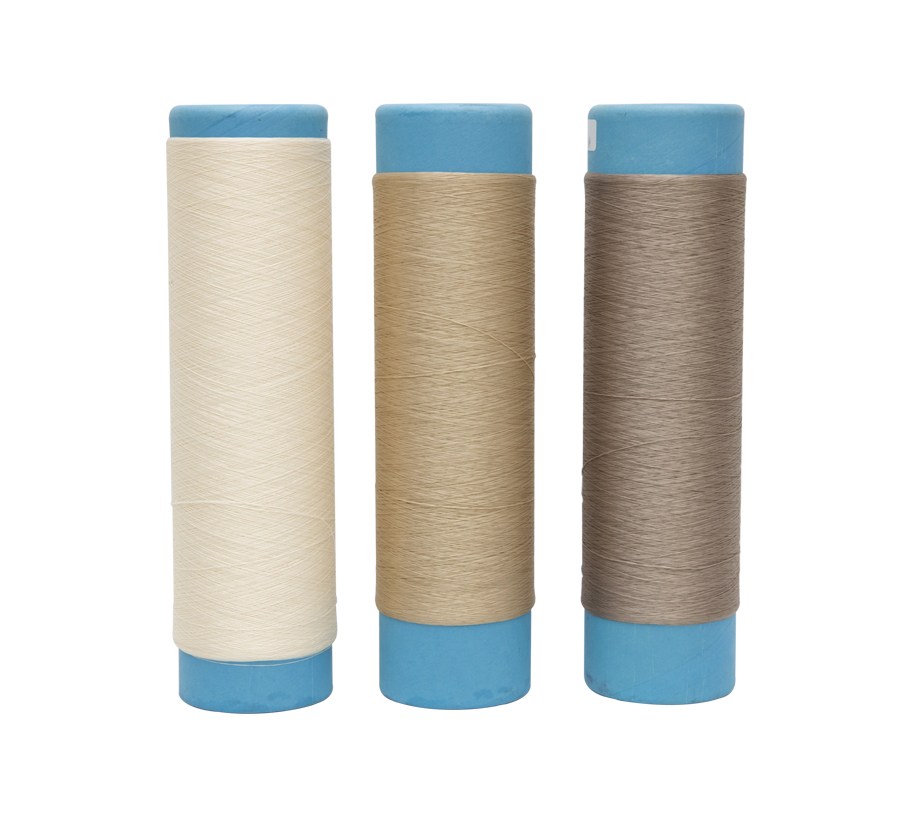
White/Brown/Green 150D/48F DTY Yarn 99.99% Polyester AA Grade Eco-friendly Yarn ...
See Details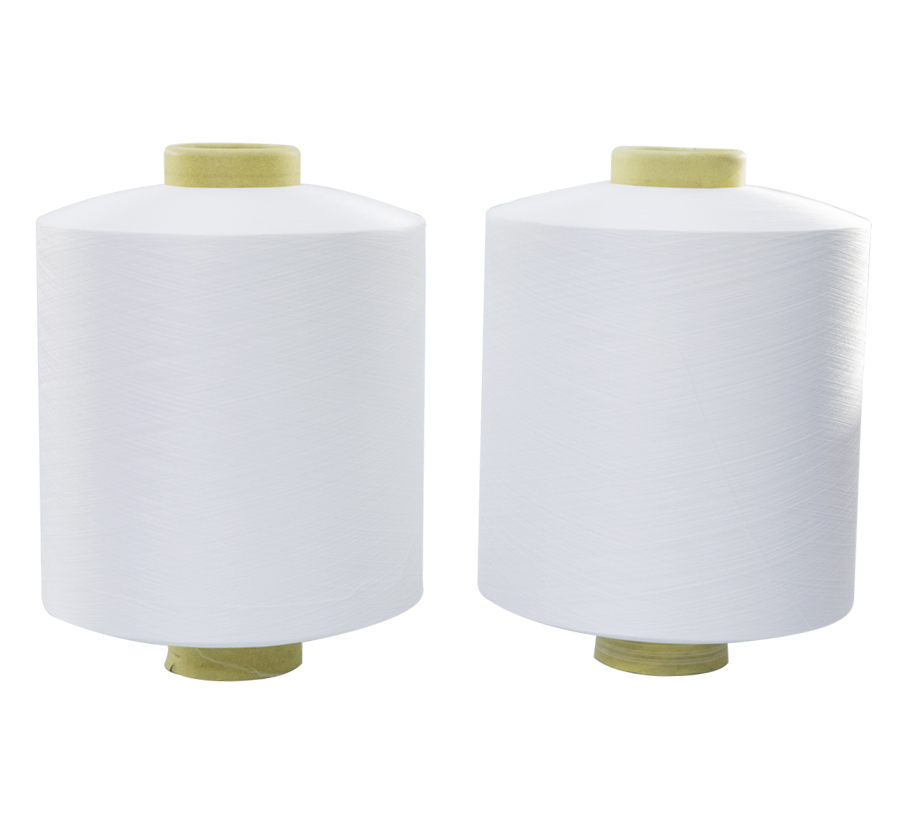
Product Name: DTY 150D/36F HIM Polyester Yarn Size: 150D/36F Twist: S+Z Pattern:...
See Details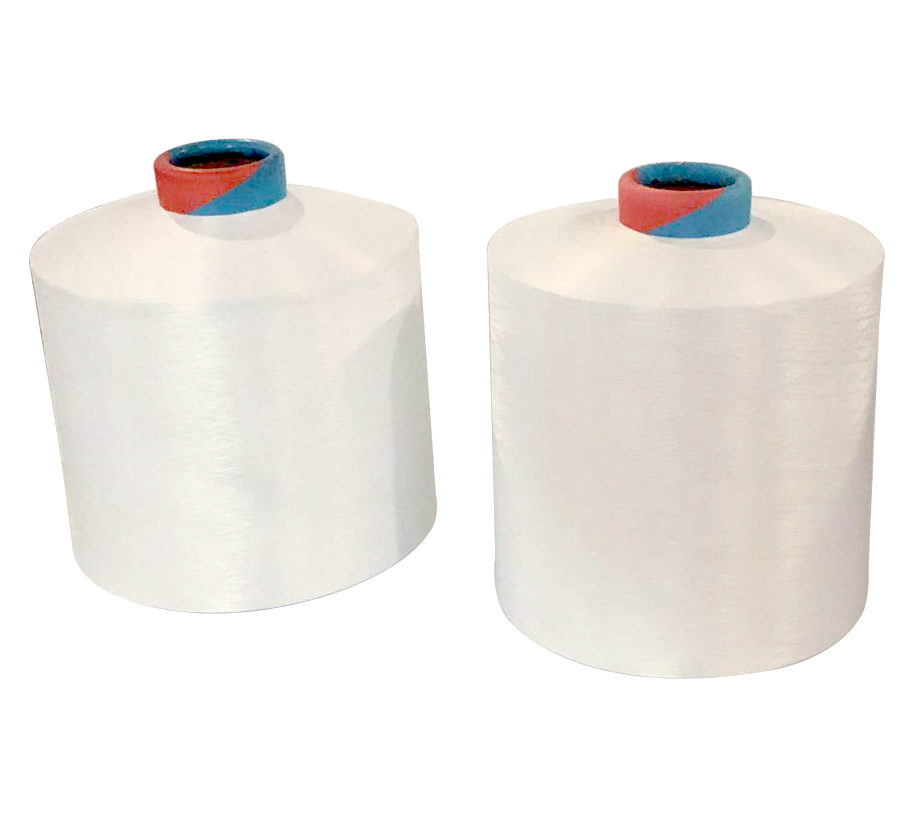
Recycled 150D48F RW HIM Polyester Yarn Type: Polyester Yarn Pattern: Raw Technic...
See Details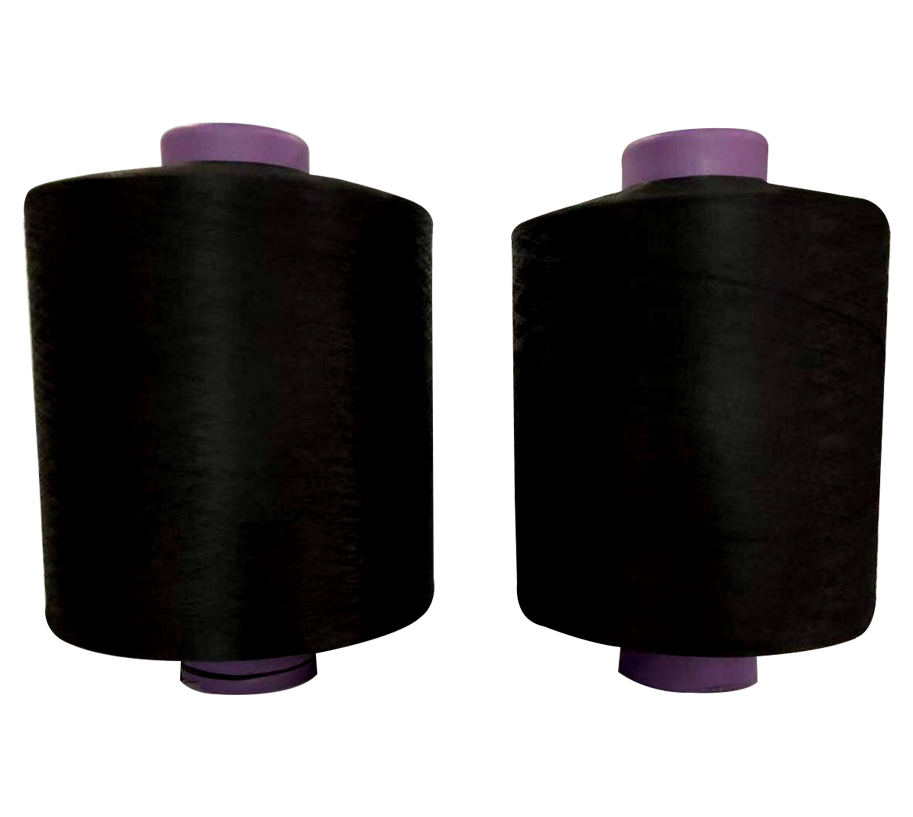
International Quality Standard 300D96F BLACK HIGH ELASTIC Polyester Yarn for Sea...
See Details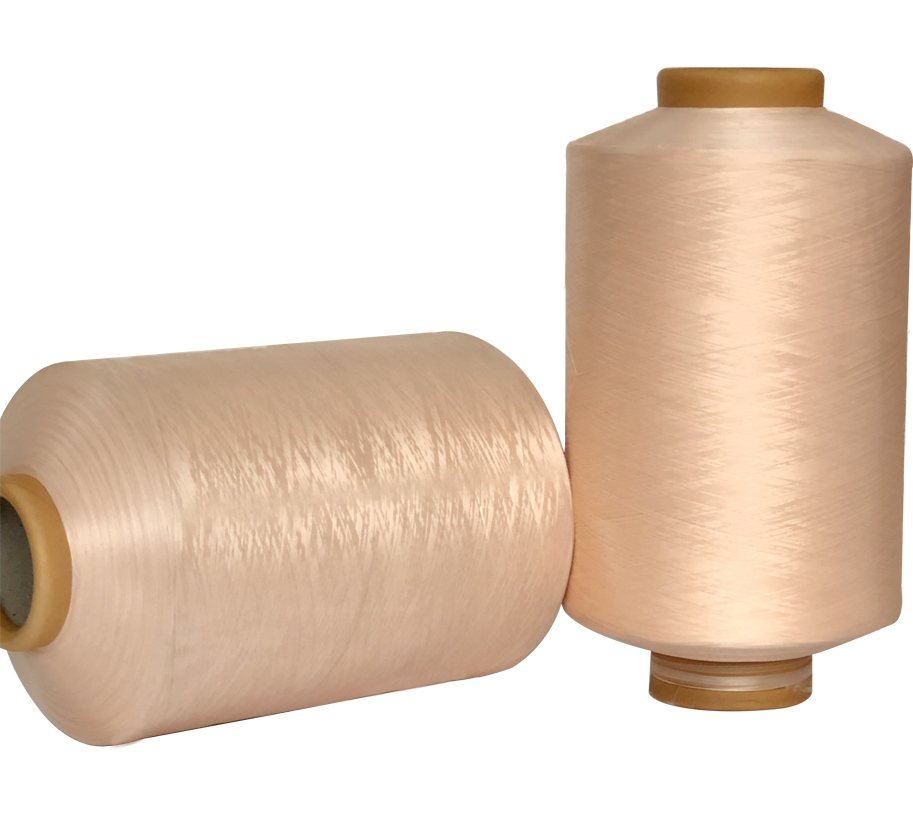
High Strength 300D Orange brown 99.99% Polyester Yarn for Embroidery/KnittingCol...
See Details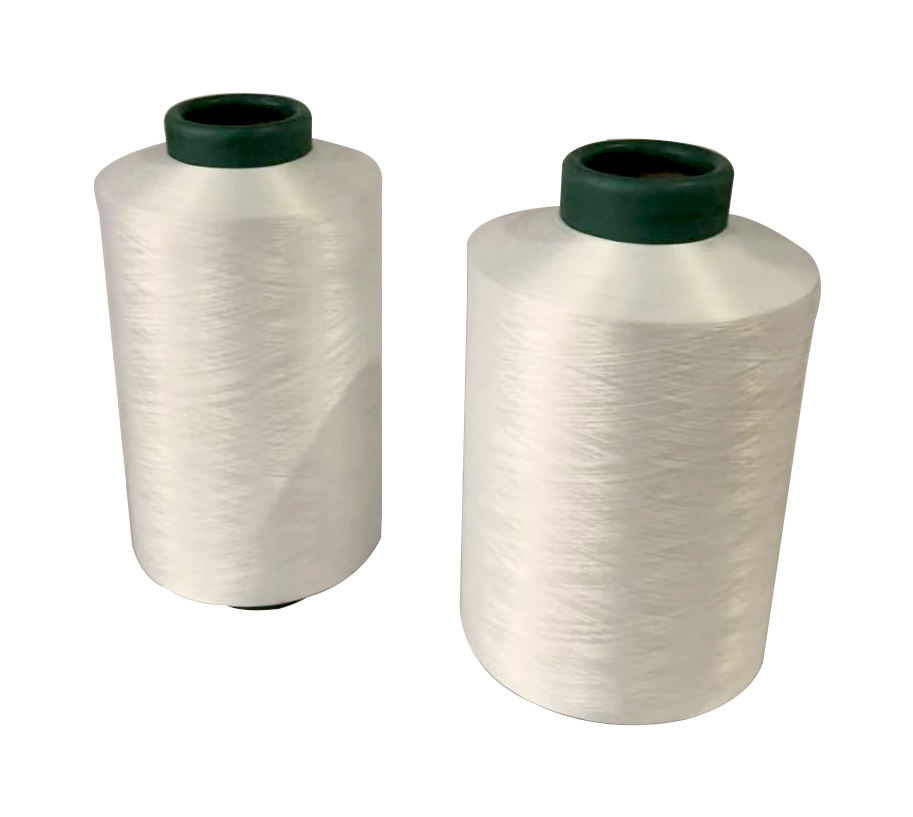
200D/96F RW NIM Polyester Yarn Name: 200D/96F RW NIM Polyester Yarn Color: White...
See Details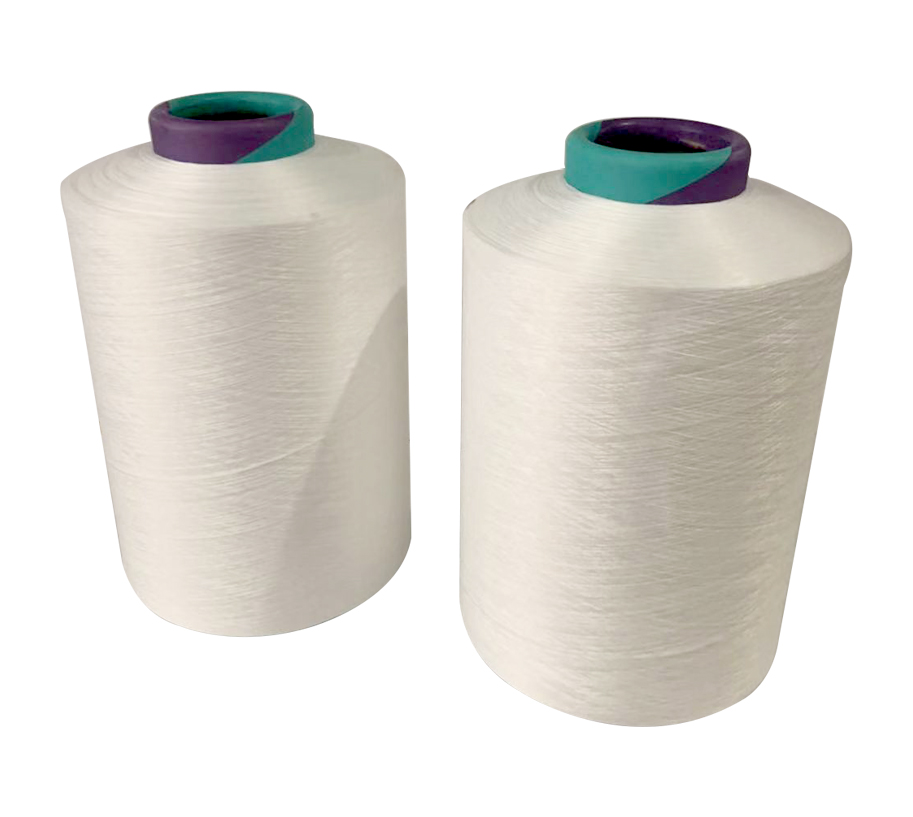
High Tenacity 250D/96F RW NIM Polyester Yarn Yarn Count: 250D/96F Material: 99.9...
See DetailsCopyright © Hangzhou Dingkai Chemical Fibre Co., Ltd. All Rights Reserved.
Wholesale China Polyester DTY Yarns Factory
