Call:+86-571-82912975
 https://www.dkyarn.com
 English
 中文简体
Sustainable 300D/96F RW HIM 99.99% Polyester Yarn for Embroidery Material: 99.99...
See Details

Two cones of 150D/48F polyester DTY, same denier, same colour code, same price per kilo. On the circular knitter, lot A runs eight hours without a stop. Lot B breaks at the needle eleven times before lunch. Nothing on the label explains the gap. Breaking tenacity does.
Yarn strength affects fabric quality because it sets the ceiling on three things a buyer can actually measure: machine stop rate, dye uniformity across the piece, and seam hold in the finished garment. Hand feel and drape can be negotiated in the sample room. Those three cannot be fixed downstream without cost.
Yarn strength is expressed as breaking tenacity, the breaking force divided by linear density, reported in cN/dtex. Absolute breaking force in grams tells you very little, because a 300D yarn naturally breaks harder than a 75D yarn of identical quality.
The test itself is routine. A tensile tester clamps a single filament yarn over a 500 mm gauge length at a constant rate of extension, normally 250 mm/min for polyester filament, and records peak force plus elongation at break. ASTM D2256 and GB/T 14344 both cover the method, and a purchase order should name which one applies, because conditioning and extension rate shift the reported number by several percent.
A second figure matters just as much as the average: the coefficient of variation of strength, or CV, across the tested cones.
A lot at 4.0 cN/dtex with 12 percent CV will break more often on a warp beam than a 3.8 cN/dtex lot at 5 percent CV, because the weak points do the breaking. Ask for both numbers, or the tenacity figure is only half a specification.
Below roughly 3.5 cN/dtex, the damage leaves the test lab and moves into the machine. The first symptom is stop rate: yarn breakage follows the weakest one percent of a package, not the average, so a fall of 0.5 cN/dtex can turn a few stops per shift into dozens.
The second symptom is dye uptake. Broken filaments and abraded yarn surfaces absorb dye differently from intact filament, so the fault appears as a streak after finishing, when the fabric is already expensive and the loom has already run.
| Tenacity band (cN/dtex) | Mill behaviour | Where it fits |
| 4.0 and above | Low stop rate, strong filament coherence, stable dye pickup | Warp knitting, fine-gauge circular work |
| 3.6 to 4.0 | Predictable running behaviour when CV is controlled | Mainstream apparel DTY |
| 3.0 to 3.5 | Tolerable in weft or low-stress knits, risky in warp direction | Filling yarn, coarse gauge |
| Below 3.0 | Visible break rates, hairiness, streaking after dyeing | Not acceptable for critical work |
Texturing costs strength, and that cost is normal. False-twist texturing trades roughly 5 to 15 percent of the tenacity of the feed yarn for bulk, crimp and stretch, with the exact loss set by draw ratio, heater temperature, D/Y ratio and spindle speed.
Intermingling is the second variable, and it is the one buyers most often leave out of the specification. At Hangzhou Dingkai Chemical Fibre Co., Ltd., draw textured yarn is built to three node bands: non-intermingled at 0 to 10 nodes per metre, semi-intermingled at 40 to 50, and high-intermingled at 100 to 120. Denser intermingling gives a more coherent package that resists filament separation through guides and needles, and it usually costs a small amount of elongation and cover.
If a lot runs consistently 0.3 to 0.5 cN/dtex below the sample you approved, the cause usually sits in the texturing line rather than in the polymer. Reviewing the factors that affect yarn strength with the supplier is faster than re-testing the raw chip.
A tenacity figure without an elongation figure is incomplete, because a yarn that is strong but brittle breaks in the needle hook rather than in the yarn body. Polyester DTY below about 18 percent elongation at break loses loop strength in knitting even when tenacity looks excellent on paper.
Tenacity tends to fall as intermingling density and elasticity rise, so the right specification is the one matched to the downstream process, not the highest number on the test report.
Five lines in the order remove most of the ambiguity around yarn strength, and they cost nothing to add.
Grade labels help but do not replace numbers. Hangzhou Dingkai Chemical Fibre Co., Ltd. supplies polyester DTY in Grade A and Grade AA, and its conventional line runs from 75D/36F to 900D/288F in non-intermingled, semi-intermingled and high-intermingled versions, so a tenacity target can be matched to a specific denier and node count rather than to a generic grade name.
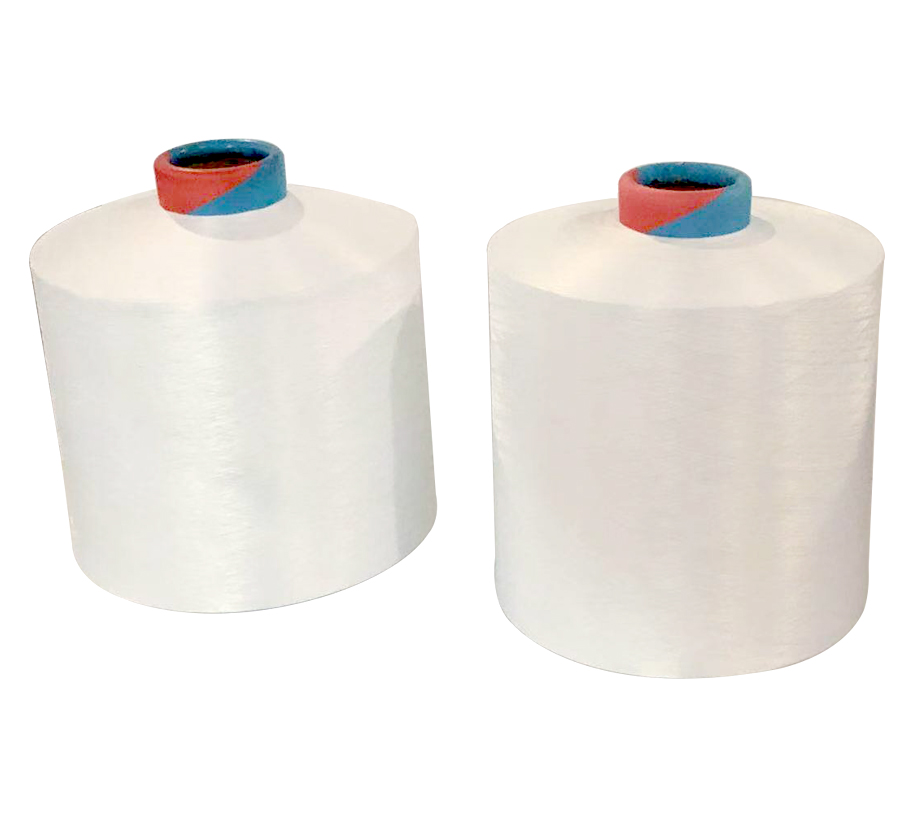 Recycled 150D/48F HIM Polyester DTY YarnGrade AA recycled DTY with high intermingling, listed for socks, underwear, sportswear, swimwear, denim and gloves; useful when specifying denier and node count.View Product →
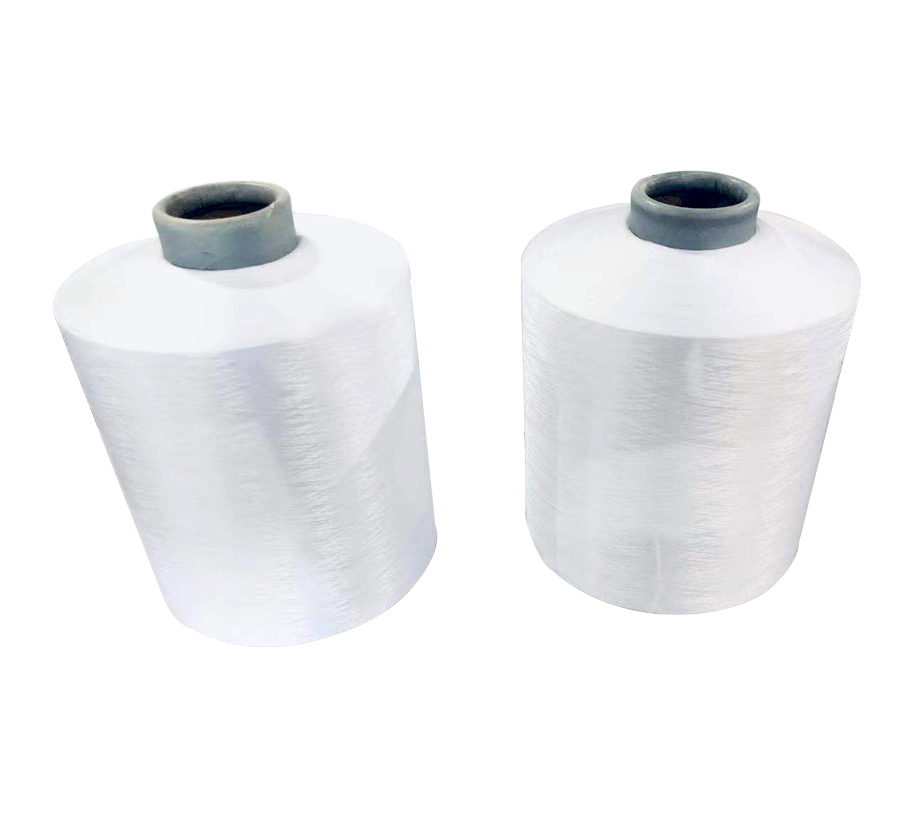 Anti-Bacterial 300D/96F S+Z High-Elastic Polyester YarnGrade AA high-elastic DTY with S+Z twist and listed OEKO certification, offered for embroidery, weaving, knitting, hand knitting and sewing.View Product →
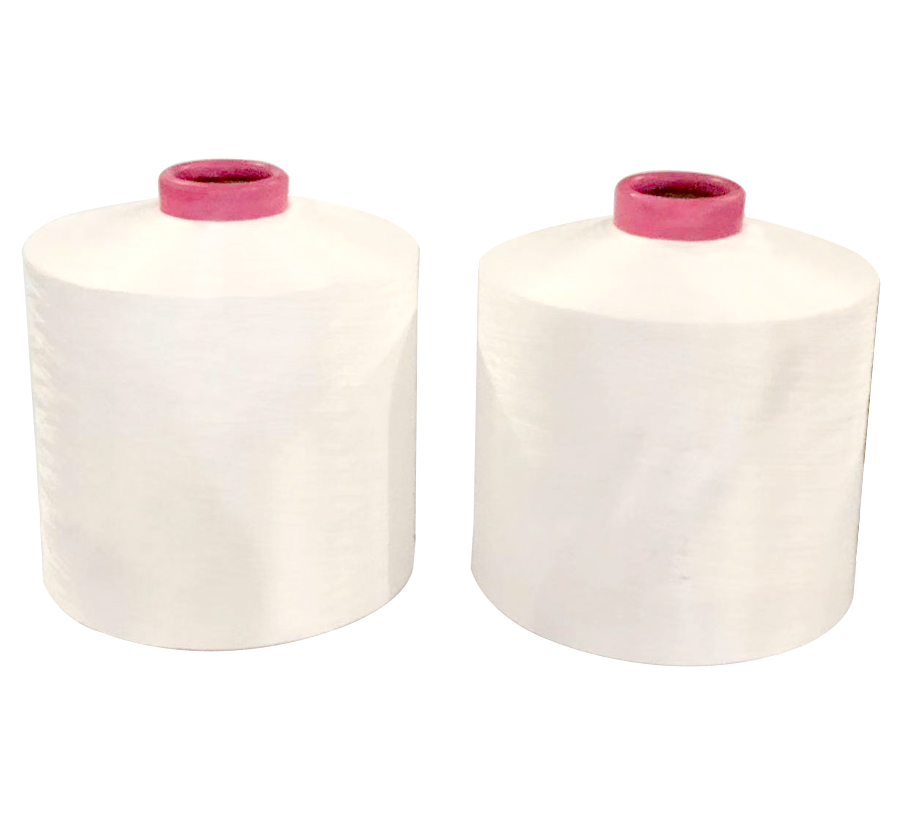 Custom 600D/192F S+Z HIM Polyester YarnGrade AA high-tenacity DTY with high intermingling and S+Z twist, listed for knitting, weaving and non-woven fabrics across apparel and decorative uses.View Product →
Where the fabric brief is already locked, send the tenacity and intermingle targets through the contact page so both numbers are confirmed before the lot is booked.
No. Gains flatten above roughly 4.5 cN/dtex, while the elongation and cover penalties keep rising. Beyond that point money is better spent on holding strength CV low and matching elongation to the knitting process.
Single-end tensile testing to ASTM D2256 or GB/T 14344, usually at a 500 mm gauge length and 250 mm/min extension rate, with cones conditioned before testing. Both the average tenacity and the CV should appear on the certificate.
Partly. A 10 to 15 percent speed reduction lowers stop rate, but it does not repair the broken filaments that cause dye streaks. Slow running hides the problem during production and exposes it in the finishing house.
Under 8 percent is a reasonable ceiling for general apparel, and under 5 percent for warp knitting or fine-gauge circular work. A lot above 10 percent CV should be questioned even when average tenacity looks strong.
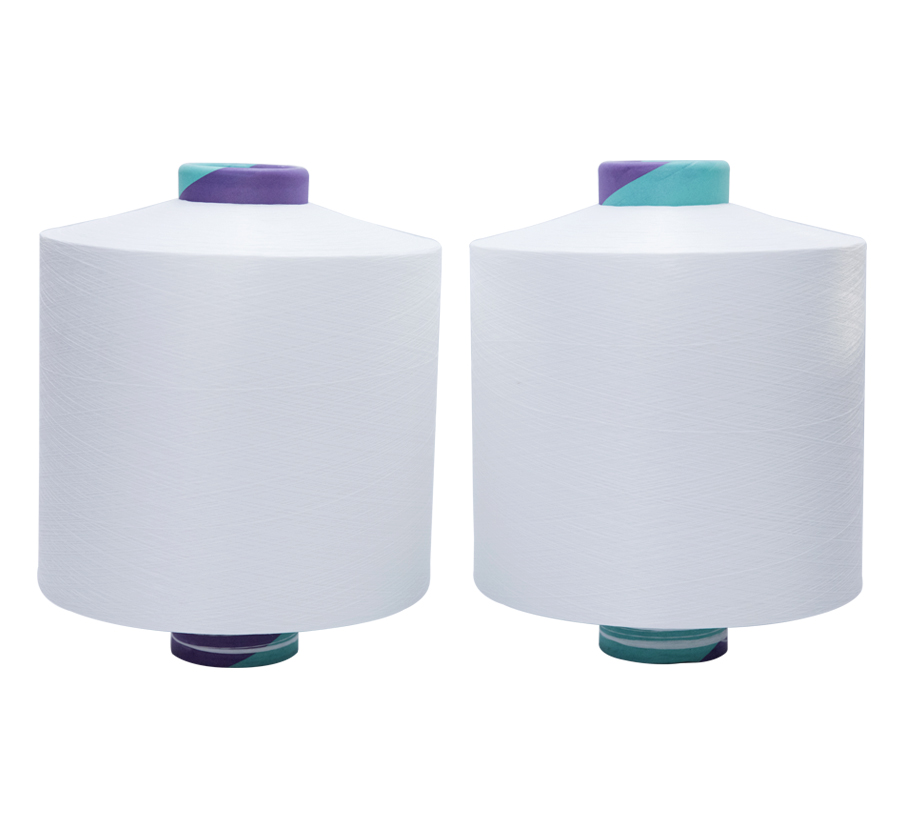
Sustainable 300D/96F RW HIM 99.99% Polyester Yarn for Embroidery Material: 99.99...
See Details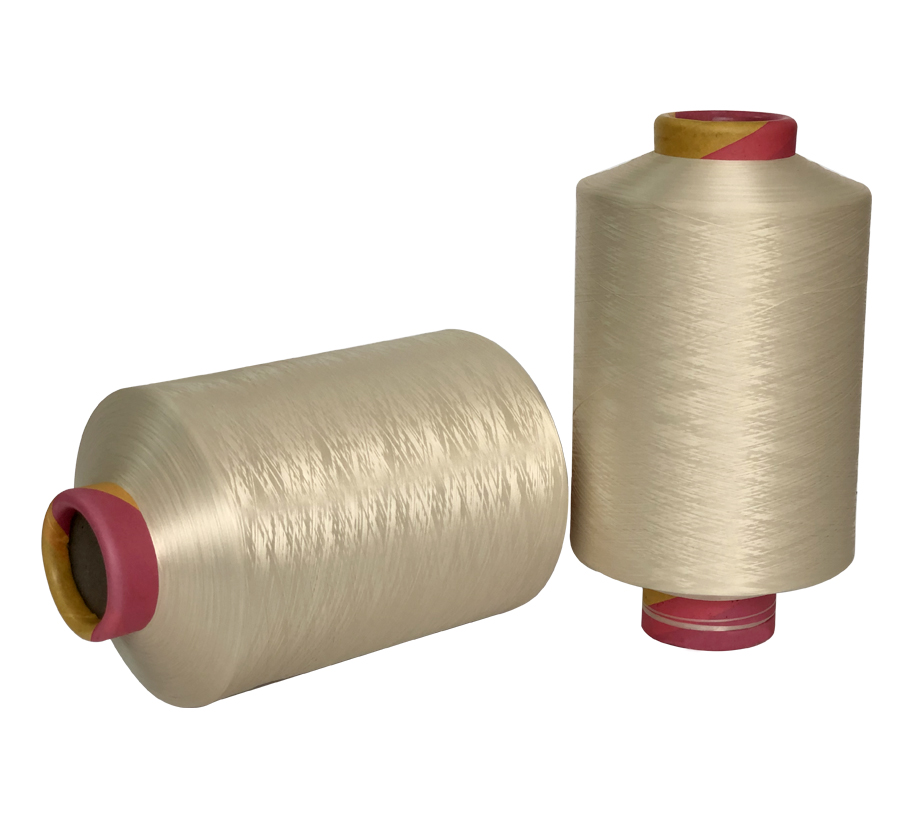
High Tenacity 300D Beige 99.99% Polyester Yarn for Circular/Seamless knitting Ma...
See Details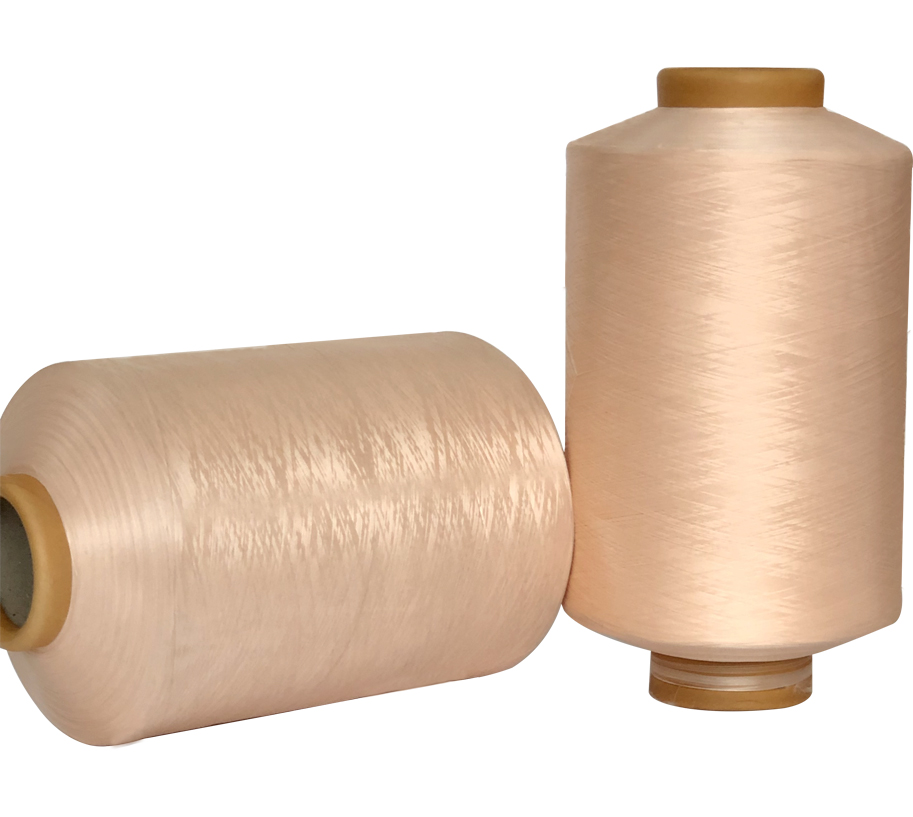
High Strength 300D Orange brown 99.99% Polyester Yarn for Embroidery/KnittingCol...
See Details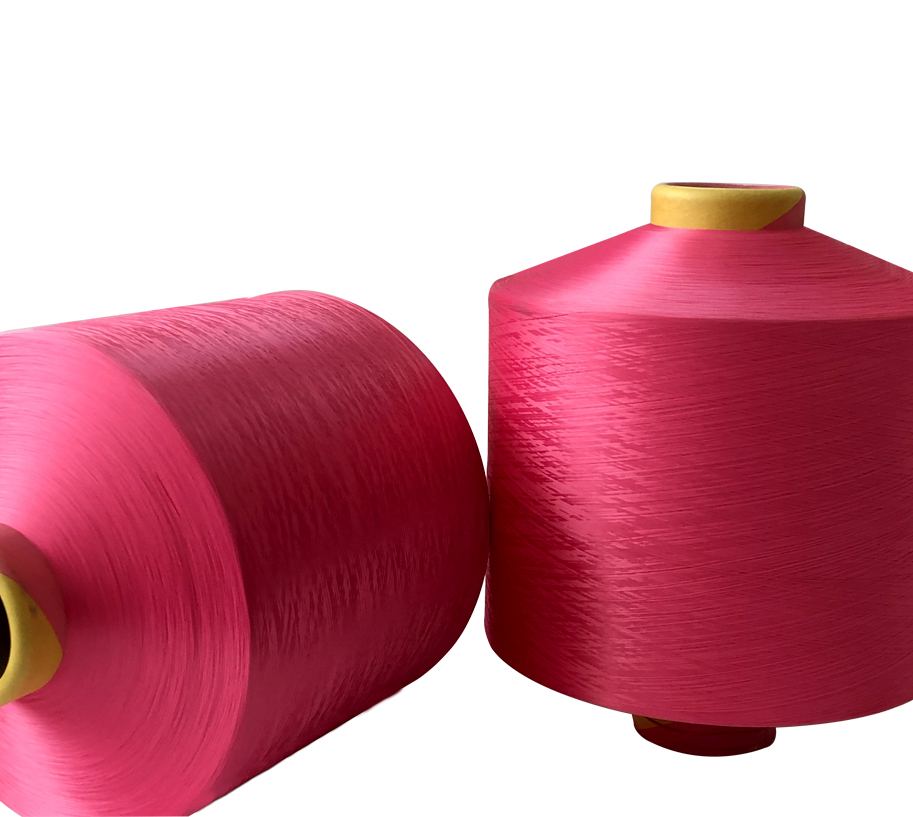
Durable 300D Rose Red 99.99% Polyester Yarn for Weaving & EmbroideryColor: R...
See Details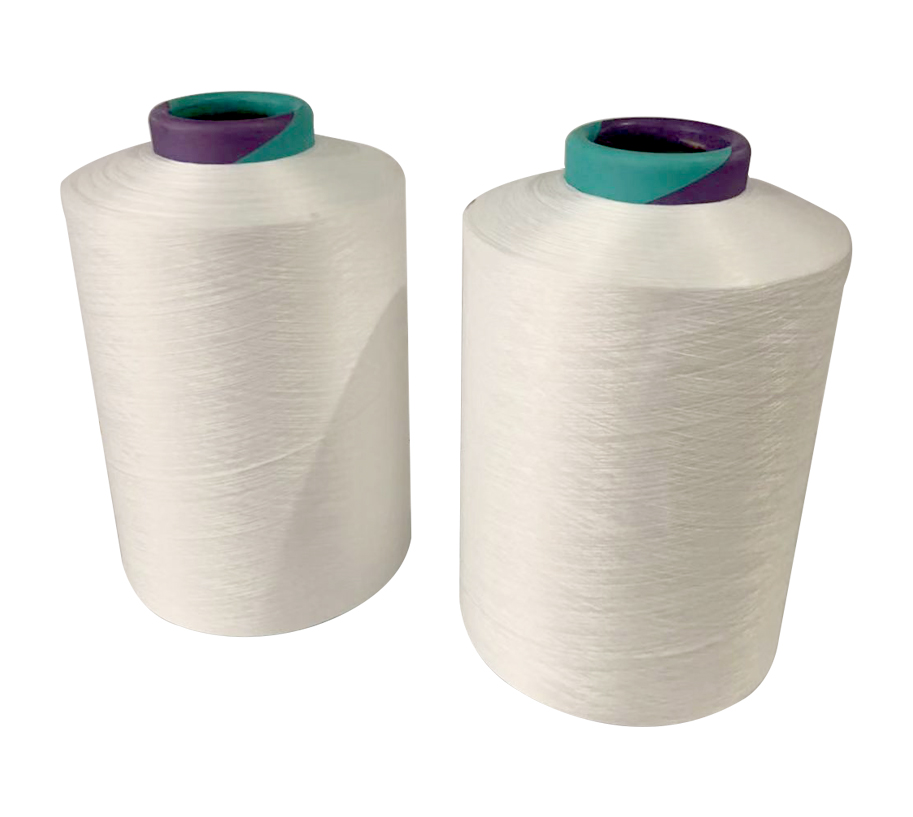
High Tenacity 250D/96F RW NIM Polyester Yarn Yarn Count: 250D/96F Material: 99.9...
See DetailsCopyright © Hangzhou Dingkai Chemical Fibre Co., Ltd. All Rights Reserved.
Wholesale China Polyester DTY Yarns Factory