Call:+86-571-82912975
 https://www.dkyarn.com
 English
 中文简体
中文简体
Product Name: DTY 150D/36F HIM Polyester Yarn Size: 150D/36F Twist: S+Z Pattern:...
See Details

Spandex yarn is an indispensable synthetic elastane fiber that fundamentally transforms modern textiles by providing unparalleled elasticity, exceptional recovery, and lasting comfort. Its ability to stretch repeatedly to several times its original length and return to its exact initial shape without losing structural integrity makes it the critical component in activewear, intimate apparel, and medical textiles. While traditional spandex relies heavily on petroleum-based polyurethane, the future of this yarn lies in bio-based precursors and solvent-free manufacturing processes that maintain its legendary stretch while drastically reducing environmental impact.
The remarkable performance of spandex yarn stems from its unique block copolymer structure. Unlike rigid fibers such as cotton or standard polyester, spandex is composed of at least 85% polyurethane. This polymer structure features a segmented design: hard segments and soft segments. The soft segments are typically made of polyether or polyester polyols, which are responsible for the yarn's incredible flexibility and stretchability. The hard segments are formed by diisocyanates and chain extenders, creating strong bonds that act like molecular anchors, pulling the stretched yarn back to its resting state once tension is released.
This dual nature allows spandex to behave like a highly engineered spring at a microscopic level. When force is applied, the soft segments uncoil and elongate. When the force is removed, the hard segments immediately snap back into their original configuration. This translates to a stretch capacity that routinely exceeds 500% to 700% of its resting length, a metric that completely overshadows natural rubber, which typically maxes out around 300% to 400% stretch and suffers from much faster degradation.
Beyond pure stretch, spandex yarn exhibits excellent resistance to body oils, lotions, and perspiration, which are common culprits in fiber degradation. It is inherently lightweight, meaning that a small percentage of spandex added to a fabric blend can drastically alter the garment's performance without adding noticeable bulk or weight.
The transformation of liquid polyurethane into a wearable, high-performance yarn is a complex, highly controlled industrial process. There are several primary methods used to extrude spandex yarn, each resulting in slightly different physical characteristics suited to specific end-uses.
Dry spinning is the most widely adopted method for producing premium spandex yarn. In this process, the polymer solution is extruded through a spinneret into a heated air column. The solvent evaporates rapidly, leaving behind solid, continuous filaments. This method allows for excellent control over the yarn's denier (thickness) and cross-sectional shape. Yarns produced via dry spinning generally offer the highest tenacity and the most uniform stretch profile, making them the preferred choice for high-end activewear and swimwear where precision is non-negotiable.
Wet spinning involves extruding the polymer solution directly into a liquid coagulation bath, where a chemical reaction solidifies the filaments. While this method is slower and typically yields yarns with slightly lower tenacity compared to dry spinning, it excels in producing extremely fine deniers. These ultra-fine yarns are essential for lightweight sheer hosiery and delicate lingerie, where bulk must be kept to an absolute minimum.
Melt spinning bypasses solvents entirely by melting the polymer and extruding it through the spinneret, cooling it with air to form the yarn. This is widely considered the most environmentally friendly spinning method because it eliminates volatile organic compounds and the need for solvent recovery systems. However, the high heat required can slightly alter the polymer's molecular structure, meaning melt-spun spandex often has a lower maximum elongation and recovery rate compared to dry-spun alternatives.
Spandex yarn is rarely woven or knitted alone. Because it is highly sensitive to heat, light, and friction, it must be protected by being encased within stronger, more durable fibers. The method of integration dictates the final fabric's feel, stretch direction, and durability.
To make spandex processable on standard textile machinery, it is subjected to covering processes. The most common is core-spun yarn, where the spandex filament is fed into the center of a spinning system, and natural or synthetic fibers (like cotton or polyester) are wrapped tightly around it. This yields a yarn that looks and feels entirely like cotton but possesses hidden stretch. Alternatively, bare spandex can be wrapped with continuous filament yarns using air-jet covering or mechanical wrapping. Air covering interlaces the spandex with the outer yarn using high-pressure air, creating a loose, tactile yarn ideal for comfortable leggings, while mechanical wrapping provides a tighter, more secure lock for high-tension applications.
Textile engineers carefully control the placement of spandex during knitting or weaving to dictate how a garment moves. Placing spandex exclusively in the warp direction creates two-way stretch, perfect for garments like jeans that need to stretch vertically for bending but resist horizontal bagging. Integrating spandex into both the warp and weft directions creates four-way stretch, allowing the fabric to expand and recover cross-directionally, a mandatory requirement for compression sportswear and gymnastics apparel.
The versatility of spandex yarn allows it to permeate nearly every sector of the apparel and technical textile industries. Its inclusion ratios vary drastically depending on the required performance, ranging from a mere fraction of a percent in everyday casual wear to significant percentages in specialized gear.
This is arguably the most visible application of spandex. In running tights, cycling jerseys, and compression garments, spandex contents typically range between 15% and 25%. The yarn provides the necessary muscle compression to reduce vibration during high-impact activities, which in turn helps decrease perceived muscle fatigue. Furthermore, the rapid moisture-wicking properties of modern synthetic outer fibers, combined with the structural support of spandex, ensure that these garments maintain their aerodynamic fit even after hours of strenuous use.
In bras, panties, and shapewear, the primary function of spandex is to provide a snug, second-skin fit that adapts to the wearer's body contours. In these applications, ultra-fine denier spandex yarns are utilized to prevent the fiber from being visible through thin outer fabrics. For hosiery, spandex is essential for ensuring that the garment stays up without the need for restrictive, uncomfortable elastic bands at the thigh. A typical pair of sheer pantyhose contains a highly controlled, microscopic percentage of spandex that provides uniform compression from toe to waist.
Beyond fashion, spandex yarn plays a vital role in healthcare. Compression stockings used to treat deep vein thrombosis and chronic venous insufficiency rely on precisely calibrated spandex yarns to deliver graduated pressure—tighter at the ankle and decreasing up the leg. This mechanical pressure assists the veins in pumping blood back to the heart. Spandex is also woven into surgical garments, joint supports, and bandages, where consistent, long-lasting tension is required for therapeutic effectiveness over extended periods.
Despite its impressive mechanical properties, spandex yarn has well-documented weaknesses that must be mitigated through proper textile engineering and consumer education. Understanding these vulnerabilities is crucial for maximizing the lifespan of spandex-integrated fabrics.
Spandex is highly susceptible to heat. Exposure to temperatures exceeding standard body temperature can cause the yarn to yellow, lose its elasticity, or even melt. This makes high-heat ironing and hot water washing particularly destructive. Chlorine is another major antagonist. Swimmers often notice their swimwear losing shape rapidly; this is because chlorine in pools aggressively attacks the polyurethane chains. Prolonged exposure to chlorinated water can reduce the elastic recovery of spandex yarn by a significant margin after just a few dozen hours of immersion. Similarly, high levels of UV radiation can break down the chemical bonds, causing the yarn to become brittle and snap.
To combat these issues, manufacturers employ several strategies. Heat-stabilizing additives are introduced during the polymerization phase to raise the yarn's thermal threshold. For swimwear, spandex yarns are often treated with specialized chlorine-resistant coatings that act as a sacrificial layer, absorbing the chemical attack before it reaches the polyurethane core. From a care perspective, washing spandex garments in cold water, avoiding bleach, and air-drying away from direct sunlight are the most effective ways to preserve the yarn's structural integrity over time.
To fully appreciate the value of spandex yarn, it is helpful to compare it against other materials utilized for stretch in the textile industry. While natural rubber was the original elastic material, and newer synthetic rubbers exist, spandex maintains a dominant position due to a favorable balance of properties.
| Property | Spandex Yarn | Natural Rubber Thread | Elastodiene (Synthetic Rubber) |
|---|---|---|---|
| Maximum Elongation | 500% - 700% | 300% - 400% | 400% - 500% |
| Recovery Force Retention | Excellent | Moderate | Good |
| Resistance to Body Oils | High | Low (Degrades rapidly) | Moderate |
| Lightweight Profile | Extremely Fine | Bulky | Bulky |
| Heat Resistance | Moderate (up to standard wash temps) | Low | Moderate |
As demonstrated in the table, spandex yarn is the only elastomer capable of achieving ultra-fine deniers while maintaining superior stretch and recovery. Rubber threads, both natural and synthetic, are too thick and stiff for applications like sheer hosiery or lightweight athletic wear, and they suffer significantly when exposed to the oils and sweat naturally produced by human skin.
The textile industry is currently undergoing a massive sustainability reckoning, and spandex yarn is at the center of this challenge. Traditional spandex is derived from petroleum-based polyols and diisocyanates, making it a non-renewable, carbon-intensive material. Furthermore, the dry spinning process relies on toxic solvents, which must be captured, distilled, and reused, consuming vast amounts of energy. Finally, spandex is notoriously difficult to recycle. Because it is blended with other fibers at microscopic levels, separating the polyurethane from the surrounding polyester or cotton is economically and technologically unfeasible at scale.
To address the petroleum dependency, chemical engineers are developing spandex yarns utilizing bio-based polyols derived from renewable sources such as castor oil, corn sugar, or other plant-based biomass. These bio-spandex variants aim to retain the exact physical performance metrics of traditional spandex—same stretch, same recovery—while significantly reducing the carbon footprint of the raw material extraction phase. Early iterations of plant-based spandex have demonstrated a reduction in greenhouse gas emissions during production, though scaling these formulations to match the low cost of petroleum-based versions remains an ongoing hurdle.
The shift toward melt spinning is one of the most promising environmental innovations in the spandex sector. By reformulating the polyurethane to be thermoplastic—meaning it can be melted and reshaped without losing its elasticity—manufacturers can completely eliminate the need for hazardous solvents. This transition not only removes toxic chemicals from the factory floor but also dramatically cuts down the energy required for solvent recovery systems, representing a major step toward cleaner textile production.
Solving the end-of-life problem for spandex requires a multi-pronged approach. Mechanical recycling of blended fabrics is severely limited by the presence of spandex, as the elastic yarn jams shredding machinery and degrades the quality of the recycled output. Therefore, the industry is exploring chemical recycling methods. Advanced chemical sorting technologies are being tested to dissolve away the surrounding fibers, leaving the spandex intact for re-polymerization, or vice versa. While these technologies are still largely in the pilot phase, they represent the only viable path toward a truly circular economy for stretch textiles.
The evolution of spandex yarn is moving beyond simple elasticity into the realm of smart and functional textiles. As consumer expectations rise, the yarn is being engineered to do more than just stretch and recover.
Future generations of spandex are being designed with altered cross-sectional shapes—such as hollow or trilobal profiles—that wick moisture away from the skin faster than traditional round filaments. By modifying the surface chemistry of the yarn, manufacturers can create spandex that actively pulls sweat to the outer surface of the fabric where it can evaporate rapidly, enhancing the thermoregulation of the wearer without relying solely on the outer covering yarns.
Activewear inherently suffers from odor buildup due to bacteria thriving in warm, moist environments created by tight-fitting garments. Rather than applying topical antimicrobial sprays that wash away, researchers are incorporating silver ions or other safe antimicrobial agents directly into the polymer matrix of the spandex yarn before it is extruded. This built-in antimicrobial functionality ensures that the stretch core of the fabric remains odor-free for the entire lifespan of the garment, providing a permanent solution rather than a temporary treatment.
Looking further ahead, the integration of shape-memory polymers into spandex yarn structures opens the door to adaptive textiles. Imagine a running tight that provides mild compression during a warm-up jog, but automatically increases its compression force as the body heats up and the muscles require more support during a sprint. This level of dynamic response requires highly sophisticated polymer engineering, bridging the gap between traditional textile manufacturing and advanced materials science. While commercial viability is still on the horizon, the foundational research into these adaptive elastomeric yarns is actively reshaping our understanding of what wearable fabrics can achieve.
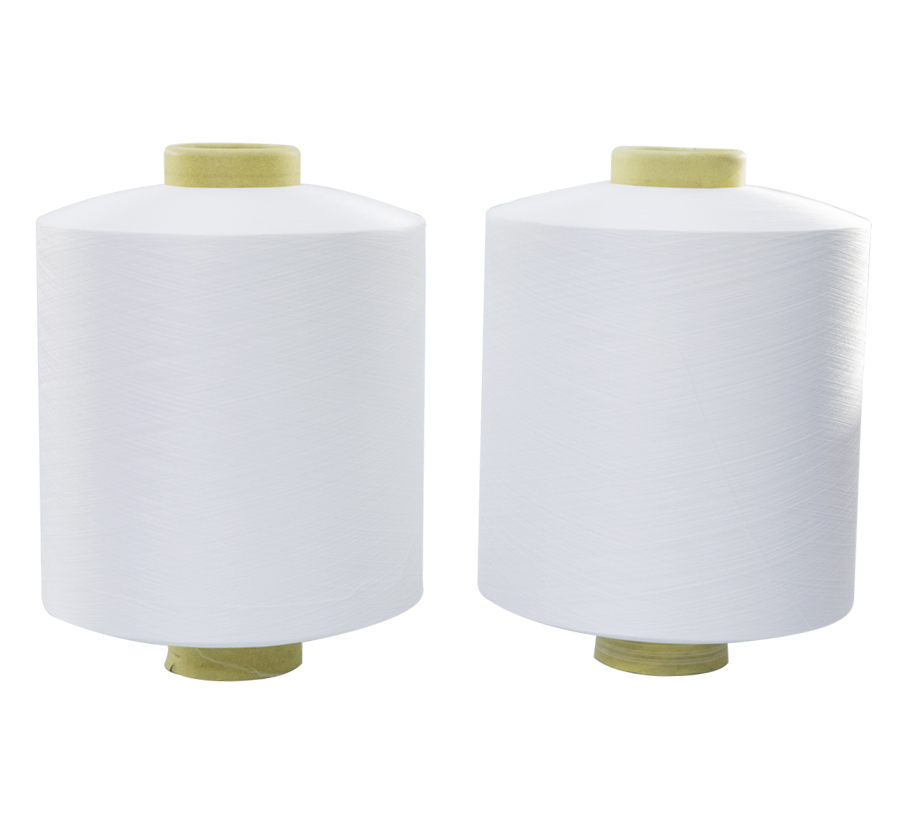
Product Name: DTY 150D/36F HIM Polyester Yarn Size: 150D/36F Twist: S+Z Pattern:...
See Details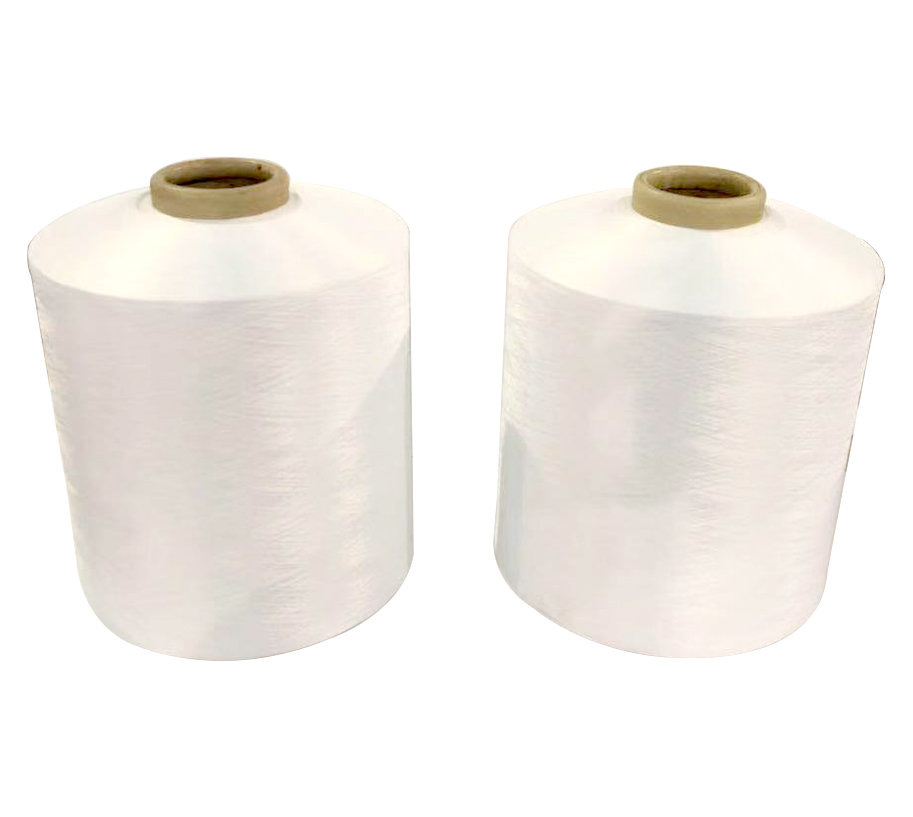
High Tenacity 150D36F RW FLUFFY Polyester Yarn Feature:high elasticity,high tena...
See Details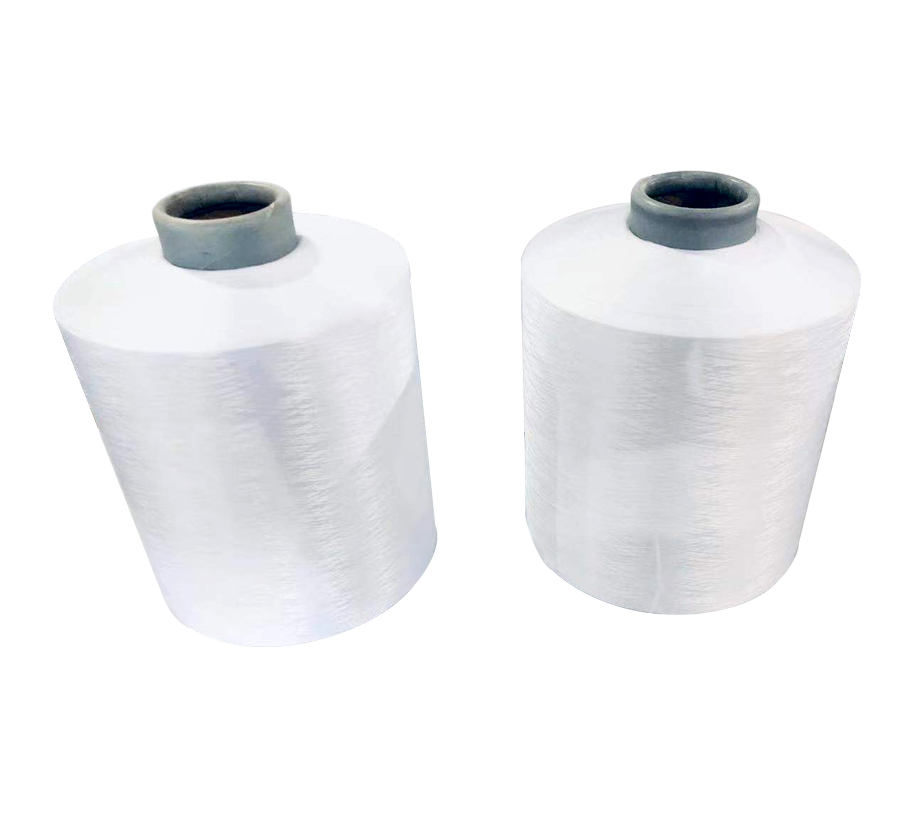
Anti-Bacteria 300D/96F S+Z HIGH ELASTIC Polyester Yarn Yarn Count: 300D/96F Colo...
See Details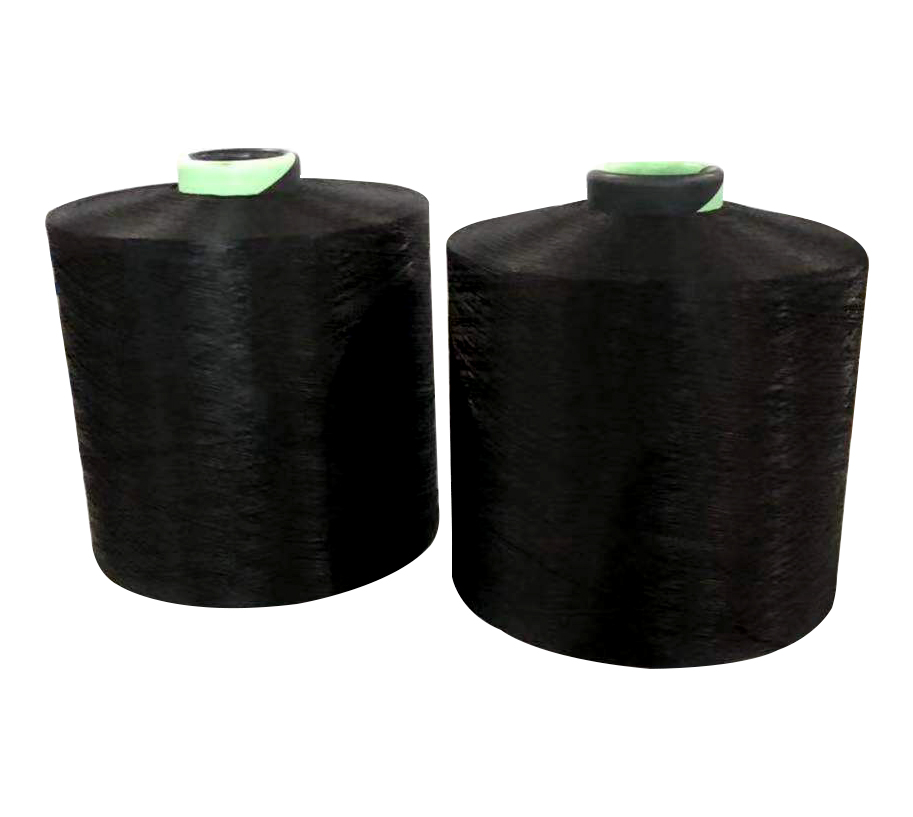
Product Name: DTY 600D/192F HIM Polyester Yarn Size: 600D/192F Twist: S+Z Color:...
See Details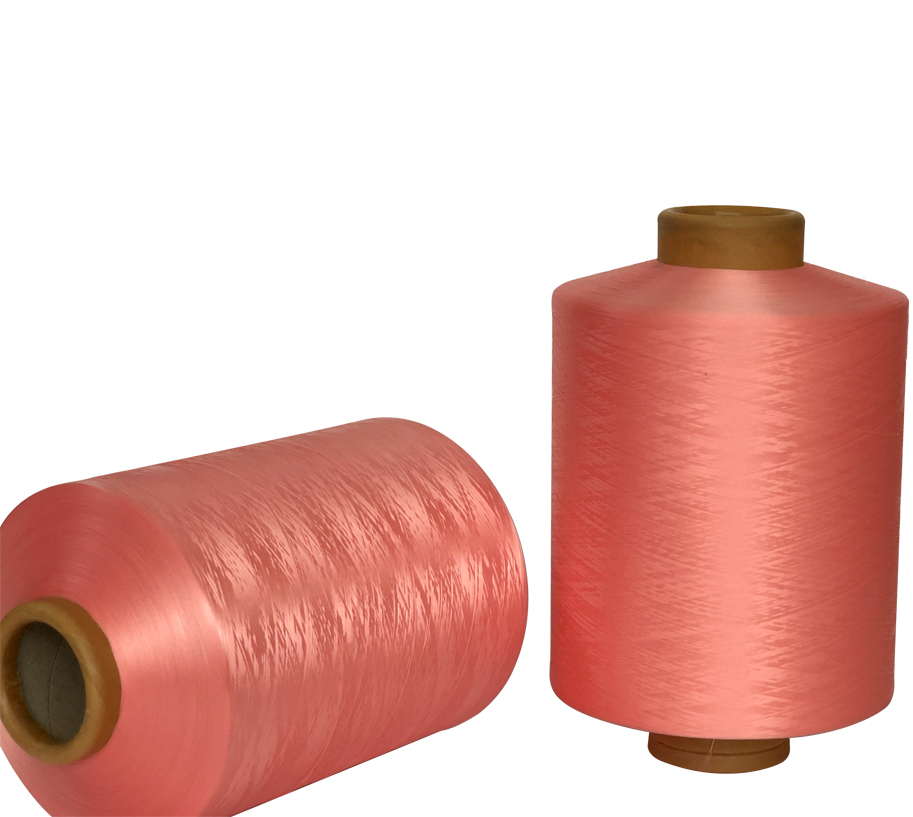
300D Watermelon Red 99.99% Polyester Yarn for Knitting Color: Watermelon Red Mat...
See Details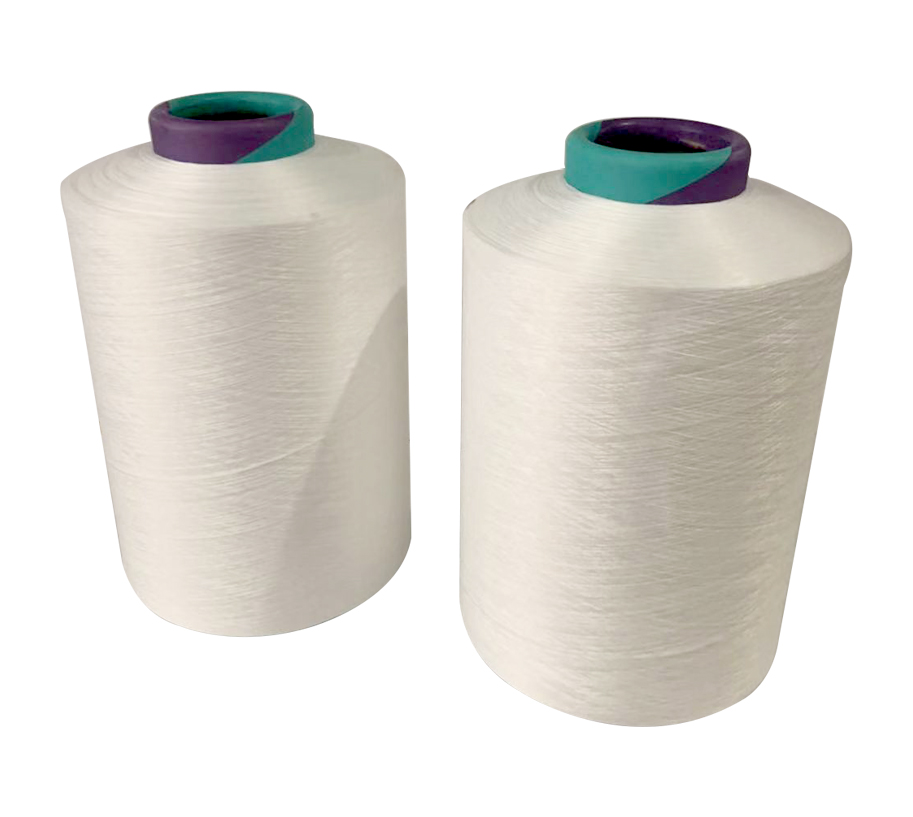
High Tenacity 250D/96F RW NIM Polyester Yarn Yarn Count: 250D/96F Material: 99.9...
See DetailsCopyright © Hangzhou Dingkai Chemical Fibre Co., Ltd. All Rights Reserved.
Wholesale China Polyester DTY Yarns Factory