Call:+86-571-82912975
 https://www.dkyarn.com
 English
 中文简体
中文简体
Sustainable 300D/96F Polyester Color Yarns BLACK NIM Product specifications:300D...
See Details

When selecting a synthetic yarn for apparel, upholstery, or industrial fabrics, Draw Textured Yarn (DTY) delivers the optimal balance of bulk, softness, and stretch recovery. Unlike flat filament yarns, DTY's crimped structure mimics the feel of natural fibers while retaining polyester's durability. For applications requiring comfort, elasticity, and resistance to pilling, DTY is the proven industry standard. Over 60% of global polyester filament yarn production is now converted into DTY, confirming its dominance in sectors like activewear, automotive textiles, and home furnishings.
Draw Textured Yarn (DTY) is a continuous filament yarn that has been simultaneously drawn and textured through a high-speed, heat-setting process. This transforms partially oriented yarn (POY) into a yarn with permanent crimp, volume, and elasticity. The key innovation lies in the false-twist texturing method, which creates coils and loops that remain after the twisting force is removed.
Flat filament yarns are smooth, slippery, and lack breathability. Texturing introduces air spaces, improves moisture wicking, and adds a tactile softness. For example, a typical 150-denier DTY yarn has 30-40% higher bulk volume than its flat equivalent, directly translating to better insulation and drape in fabrics.
The production of DTY involves a two-step or integrated process. Understanding this helps manufacturers predict yarn behavior in downstream knitting or weaving.
Partially Oriented Yarn (POY) is fed into a false-twist texturing machine. The yarn is twisted, heated to around 180-200°C, then cooled and untwisted. The heat sets the crimp permanently. Modern machines operate at speeds of 600-1,000 meters per minute, ensuring high output.
Simultaneously, the yarn is drawn (stretched) to align polymer chains. Drawing ratio typically ranges from 1.4 to 1.7. The heat-setting phase locks in the crimp, giving DTY its signature elasticity. Without proper heat-setting, the yarn would revert to a flat state after mechanical stress.
DTY is not a single product but a family of yarns with tunable properties. The following characteristics are most critical for fabric engineers and buyers.
For specialized uses, variants like high-elasticity DTY (HEDTY) can achieve stretch rates up to 45%, while low-shrinkage DTY keeps thermal deformation below 3% at 150°C.
To make an informed selection, compare DTY with Flat POY and Air Textured Yarn (ATY) across four practical metrics.
| Property | DTY (Draw Textured) | Flat POY | ATY (Air Textured) |
|---|---|---|---|
| Hand feel | Soft, cotton-like | Hard, slippery | Hairy, wool-like |
| Elastic recovery | Excellent (90-95%) | Poor (under 60%) | Moderate (70-80%) |
| Production speed | 600-1000 m/min | 3000-5000 m/min | 400-600 m/min |
| Typical applications | Activewear, socks, car seats | Industrial fabrics, webbing | Outerwear, upholstery |
As shown, DTY excels where comfort and stretch are non-negotiable. ATY offers a more natural, dry hand but at lower throughput, while POY remains a cost-effective choice for rigid applications.
DTY's versatility allows it to replace both natural fibers and other synthetics in many markets. Below are the top four application areas with real-world usage patterns.
DTY is the backbone of sportswear fabrics like jerseys, leggings, and base layers. Its moisture-wicking capability keeps athletes dry. A typical running shirt made from 100% DTY polyester weighs 30% less than a cotton equivalent while offering four-way stretch. Many cycling jerseys use fine-denier DTY (50D to 75D) for a second-skin fit without restriction.
Car seat covers, headliners, and door panels frequently use DTY due to its abrasion resistance and UV stability. DTY withstands interior temperatures up to 85°C without significant shrinkage. Over 70% of new vehicle seat fabrics incorporate DTY in some form, often combined with solution-dyed yarns for colorfastness.
From sofa covers to decorative cushions, DTY provides a soft hand and resists pilling. High-traffic upholstery uses heavier deniers (300D to 600D) with a matte finish to hide dirt and wear. Tests show DTY upholstery fabrics retain 85% of their original appearance after 15,000 double rubs, exceeding commercial standards.
DTY is preferred for sock knitting because it offers stretch, moisture control, and shape retention. Most athletic socks blend DTY with spandex or cotton. A 70-denier DTY sock yarn provides comfortable compression without cutting off circulation.
Not all DTY yarns perform identically. To match the yarn to your end-use, evaluate three main parameters: denier, filament count, and luster.
More filaments per denier create a softer, silkier fabric. For example, a 150D/48F DTY has a standard hand, while 150D/144F feels much smoother and drapes better. However, high-filament yarns cost more to produce. A 150D/288F DTY can be 20-30% more expensive than 150D/48F, but the tactile difference justifies the cost for luxury activewear.
Even experienced mills encounter issues with DTY. Recognizing these patterns prevents costly defects.
For critical applications like automotive seating, always specify interlaced DTY (where filaments are mechanically entangled) to prevent snagging during weaving.
The DTY industry continues to evolve. Two notable developments are micro-denier DTY (filaments under 0.5 denier per filament) for ultra-soft fabrics, and recycled DTY made from post-consumer PET bottles. Recycled DTY now performs identically to virgin yarn, with some mills achieving closed-loop recovery rates above 90%.
Additionally, bi-component DTY (combining two polymers) is gaining ground. These yarns offer latent stretch or self-crimping properties, reducing the need for elastane. For example, a PET/PTT bi-component DTY can achieve 30-40% natural stretch, appealing to eco-conscious brands.
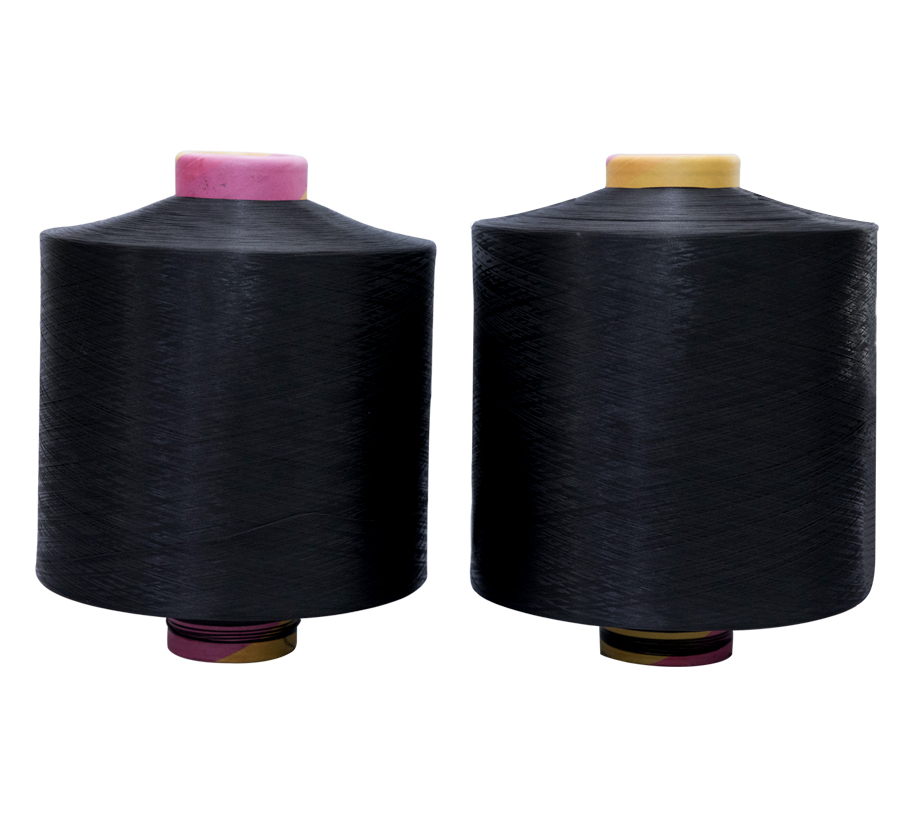
Sustainable 300D/96F Polyester Color Yarns BLACK NIM Product specifications:300D...
See Details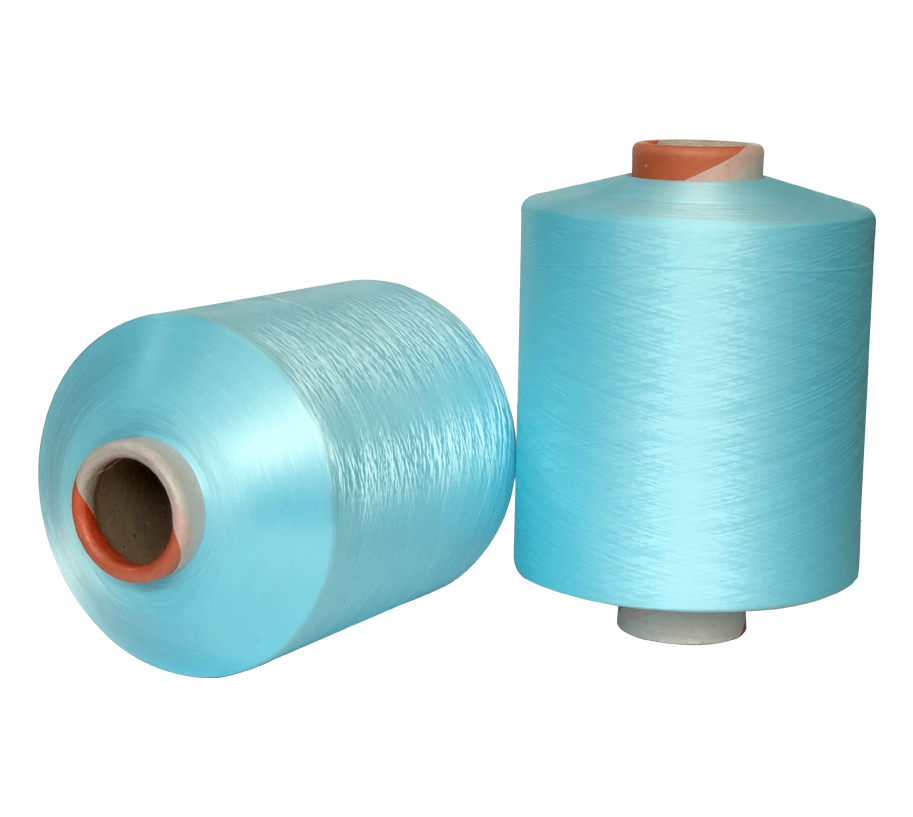
High Elastic 300D Magnolia Blue 99.99% Polyester Yarn for Weaving and KnittingCo...
See Details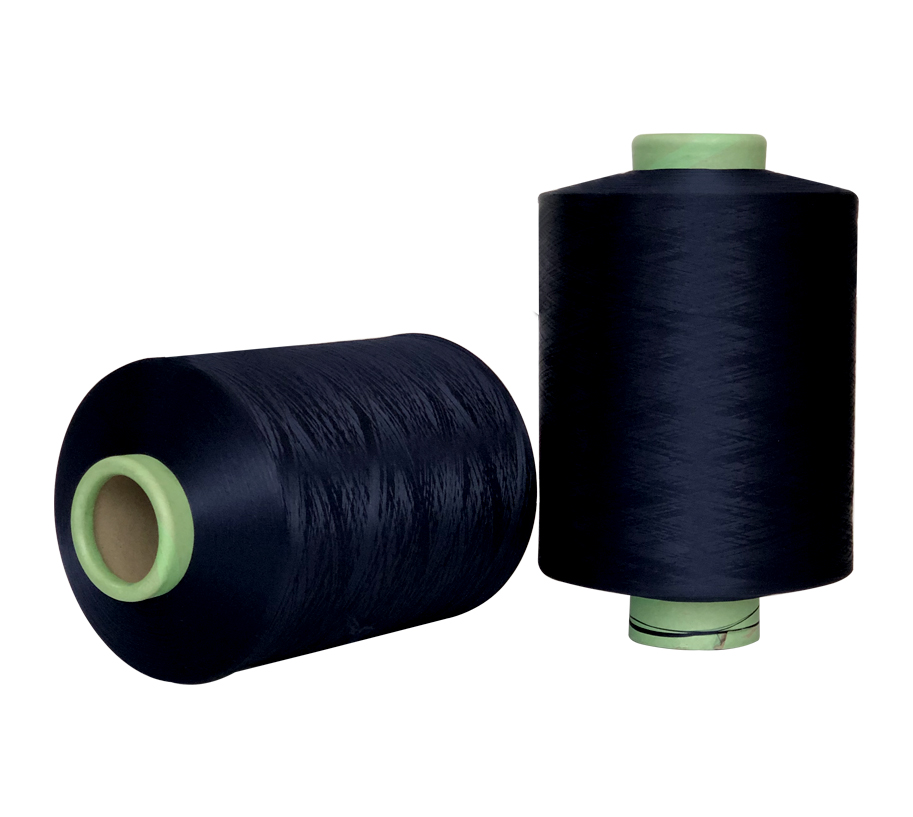
Eco-Friendly 300D Navy 99.99% Polyester Yarn for Sewing & WeavingColor: Navy...
See Details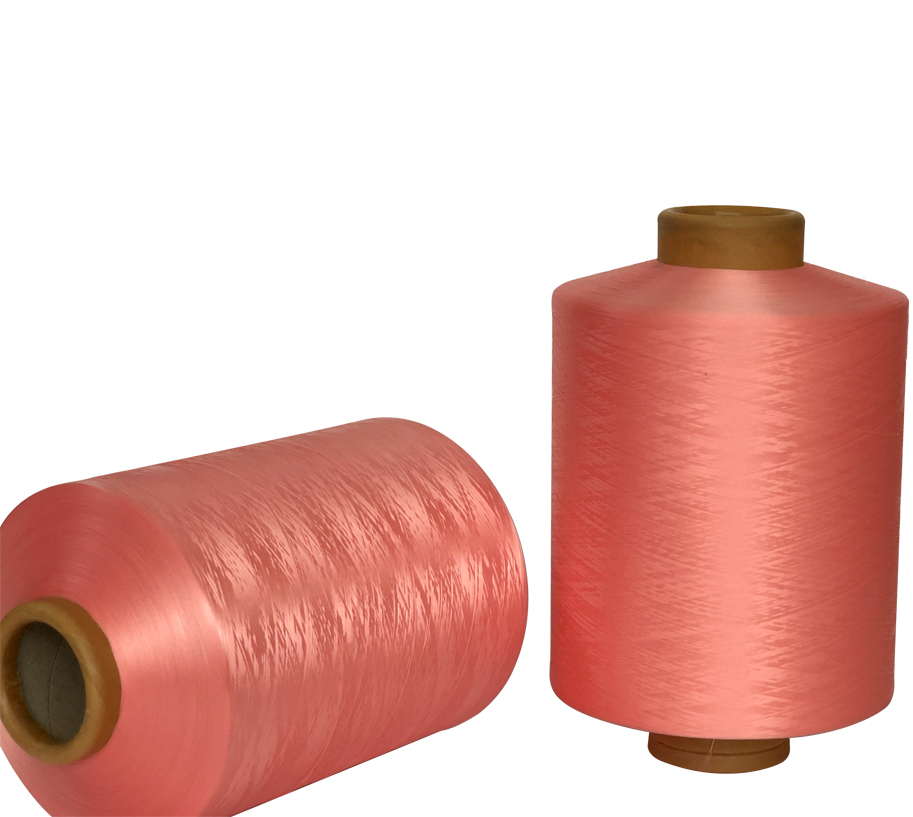
300D Watermelon Red 99.99% Polyester Yarn for Knitting Color: Watermelon Red Mat...
See Details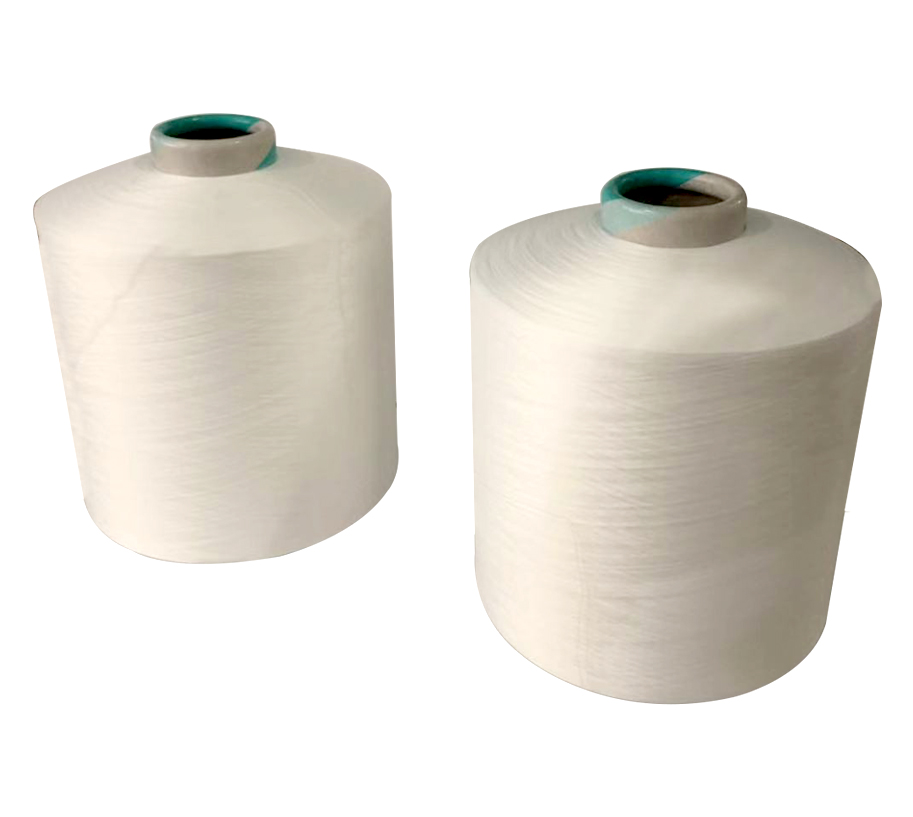
Anti-Bacteria 75D36F RW NIM(WHIT LITTLE INTEREMINGLE) Polyester Yarn Yarn Count:...
See Details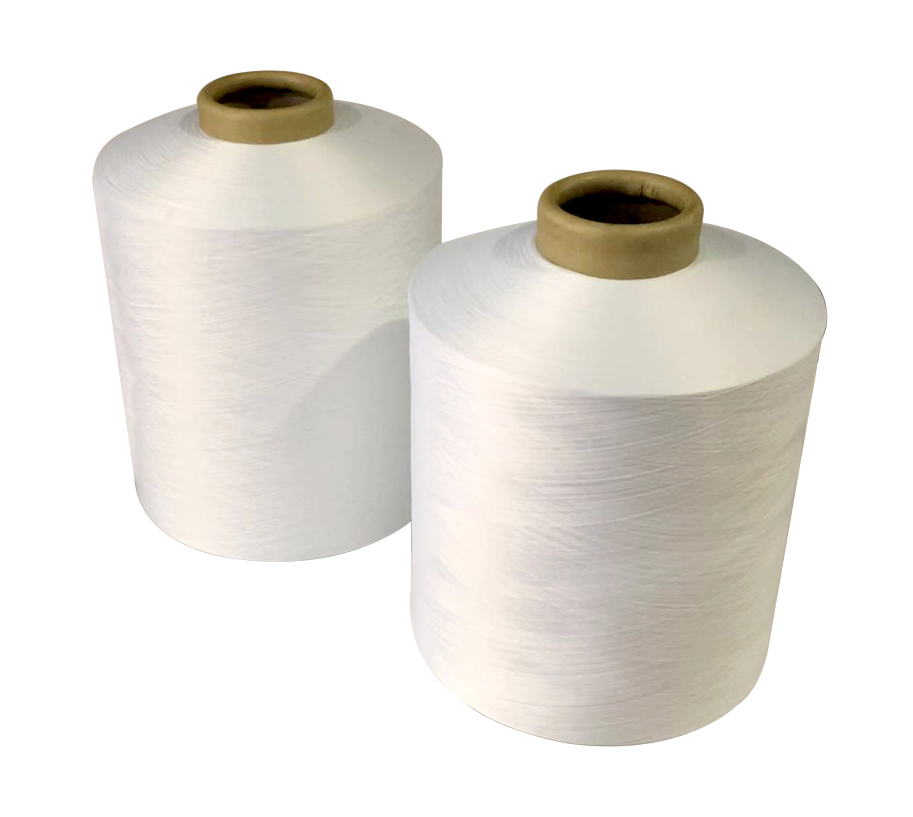
Sustainable 100D/36F RW NIM Polyester Yarn Yarn Count: 100D/36F Material: 99.99%...
See Details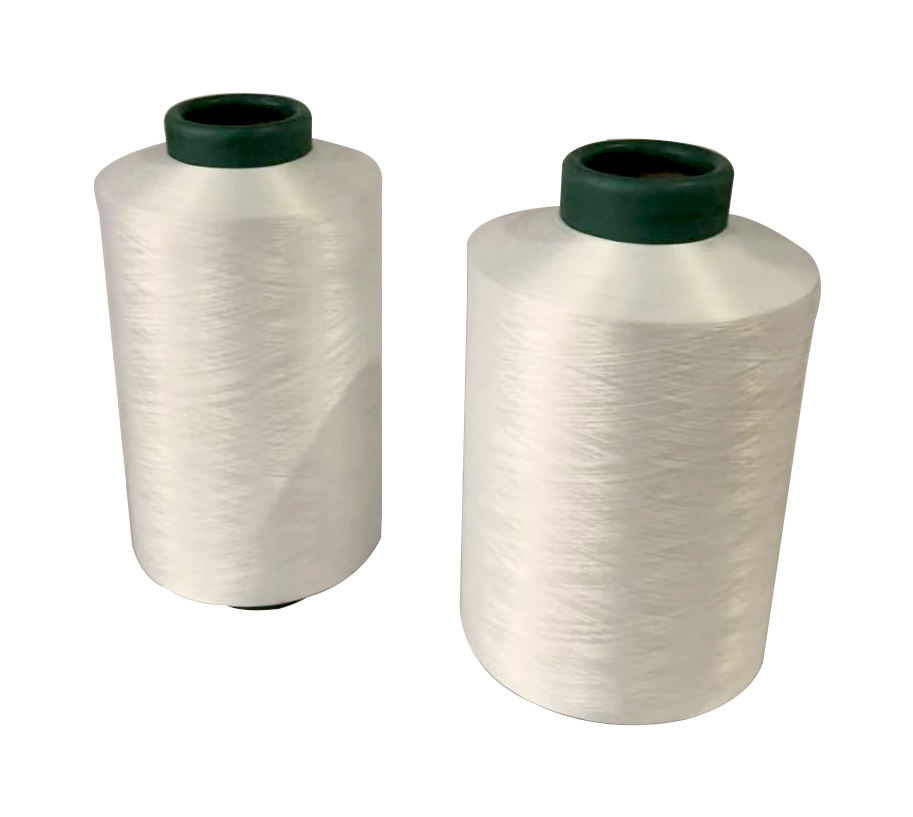
200D/96F RW NIM Polyester Yarn Name: 200D/96F RW NIM Polyester Yarn Color: White...
See DetailsCopyright © Hangzhou Dingkai Chemical Fibre Co., Ltd. All Rights Reserved.
Wholesale China Polyester DTY Yarns Factory