 Call:+86-571-82912975
 https://www.dkyarn.com
 English
 中文简体
中文简体
Breathable Brown Black 300D/96F DTY Yarn High-Intermingled 99.99% Polyester Yarn...
See Details

Polyester draw textured yarn (DTY) has become the foundation material for modern comfort textiles worldwide. By applying sophisticated drawing and texturing processes to polyester filament, manufacturers transform basic polymer into yarn that delivers exceptional elasticity, luxurious softness, and reliable durability. Polyester DTY powers the athleisure revolution, enables affordable sportswear that performs like premium products, and provides home textile manufacturers cost-effective solutions that consumers perceive as luxury—all while maintaining industrial-scale production economics that keep prices competitive.
Polyester draw textured yarn is engineered by processing partially oriented yarn (POY) through two critical transformation stages: drawing and texturing. Drawing aligns polyester polymer chains to maximize molecular strength. Texturing introduces controlled crimps and coils into filament structure, creating bulkiness and elasticity that smooth filament cannot achieve. The result is yarn that delivers paradoxical benefits—simultaneously strong yet soft, stable yet flexible, affordable yet luxurious-feeling.
This engineered approach enables manufacturers to produce comfort textiles at scale. Fabric constructed from polyester DTY stretches with body movement and recovers perfectly, eliminating the sagging that consumers perceive as cheap. Textured structure creates soft hand feel that luxury brands command premium pricing for. Cost-per-meter remains economical because polyester base material is abundant and processing is mature. Manufacturers specifying polyester DTY deliver consumer-perceived luxury performance at production economics that enable competitive retail pricing.
Polyester draw textured yarn comes in extensive specifications to match different fabric requirements. Understanding key variables helps align yarn selection with application demands and production economics.
| Specification | Typical Range | Performance Impact |
| Denier (yarn weight) | 75D to 600D+ | Higher denier = thicker yarn, heavier fabric, more durable; lower denier = delicate, lightweight |
| Filament Count | 34F to 288F | More filaments = softer, smoother fabric; fewer filaments = coarser texture, higher strength |
| Luster (brightness) | Semi-dull, bright, full-dull | Bright = glossy appearance; semi-dull = contemporary look; full-dull = matte, luxurious feel |
| Twist Level | 250–400 TPM | Higher twist = stronger, firmer yarn; lower twist = bulkier, softer fabric |
| Color Options | 100+ standard + custom | Pre-dyed yarn enables immediate production; custom dyes support exclusive collections |
Understanding how polyester DTY is manufactured clarifies why quality varies between suppliers. The production process demands precise parameter control across multiple stages to ensure final yarn meets strength, elasticity, and consistency specifications.
Consistency Determines Brand Reputation: Batch variation in polyester DTY creates visible differences in finished garments. If one batch has higher shrinkage than the next, the resulting garments from different production runs show different sizing and appearance—damaging brand reputation. Premium suppliers invest in advanced process controls, continuous monitoring, and frequent quality testing that guarantee consistent DTY across all production batches—essential for brands maintaining product quality standards across multiple production runs.
Polyester DTY enables performance apparel that stretches with body movement and recovers between movements. Athletes perceive unlimited freedom of motion—essential for yoga wear, running garments, and fitness clothing.
Fashion brands specify polyester DTY for softness and drape that consumers perceive as premium quality. Cost-effective production enables competitive retail pricing while maintaining healthy brand margins.
Blankets, bedding, and upholstery fabrics made from polyester DTY deliver softness and durability that justifies home décor pricing. Dimensional stability ensures consistent sizing across production runs.
Car seat fabrics and interior trim benefit from polyester DTY durability and color fastness. Abrasion resistance and dimensional stability support demanding automotive performance requirements.
Polyester DTY provides mechanical performance for technical applications where reliability and consistency are non-negotiable—reinforcement materials, specialized fabrics, and functional textiles.
Polyester draw textured yarn has captured 40%+ of global textile fiber markets because it solves multiple competing requirements simultaneously. Consumers demand softness—DTY delivers. Brands need profitability—DTY enables competitive economics. Manufacturers need consistency—DTY suppliers can guarantee batch-to-batch uniformity. Retailers need durability—DTY fabrics survive 50+ wash cycles. Athletes need flexibility—DTY elasticity provides unlimited stretch and recovery.
Alternative materials fail to deliver this combination. Natural fibers offer softness but lack elasticity and durability. High-performance synthetics provide strength but sacrifice comfort. Commodity polyester yarns cost less but lack the textured structure that creates luxury perception. Polyester DTY occupies the optimal position—delivering consumer-perceived luxury performance at production economics that enable global scale manufacturing.
Specify whether your application requires maximum stretch (yoga wear, leggings), luxury softness (premium apparel), durability emphasis (home textiles), or technical performance (industrial). Polyester DTY specifications should be optimized for your specific application—oversized deniers waste material; undersized deniers fail to meet durability requirements.
Match yarn specifications to fabric construction. Finer deniers with higher filament counts produce soft, smooth fabrics suitable for fashion. Heavier deniers with lower filament counts create bulky, warm fabrics for home textiles. Polyester DTY from different suppliers with identical deniers may show different performance due to twist level, crimp characteristics, and luster variations—request samples and compare performance on your equipment.
Request documented testing showing elongation percentage and recovery rates, and shrinkage specifications under your anticipated consumer care conditions (hot water, machine washing, tumble drying). Quality polyester DTY shows <2% shrinkage; budget alternatives show 5%+ shrinkage that creates fit and sizing inconsistencies.
Verify that yarn specifications work with your specific knitting or weaving equipment. Different DTY deniers and twist levels require different tension settings and processing speeds. Request technical guidance from suppliers and conduct trial production runs before bulk orders to validate performance and identify necessary equipment adjustments.
Leading polyester DTY suppliers maintain advanced production equipment, strict quality control systems, and documentation proving batch-to-batch consistency. Confirm that suppliers can customize deniers, colors, and specifications for OEM requirements, maintain stable pricing, and provide technical support for production troubleshooting.
The polyester DTY industry continues advancing toward higher-performance, more sustainable solutions. Recycled polyester DTY is becoming commercially viable at scale, enabling sustainable brands to deliver luxury comfort with environmental responsibility. High-performance DTY variants enhance elasticity, improving recovery capability beyond current standards. Functional DTY combining comfort with moisture management, temperature regulation, or antimicrobial properties represents emerging opportunities for next-generation performance textiles. Digital customization and on-demand production technologies promise to democratize access to custom colors and specifications for smaller manufacturers.
Polyester DTY is textured filament with crimps and coils, providing stretch and softness. FDY is smooth fully drawn filament with higher strength but less elasticity. DTY is preferred for apparel and comfort textiles; FDY is used for woven fabrics and industrial applications requiring flat, uniform surfaces.
Fabrics constructed from polyester DTY typically stretch 20–40% depending on construction, twist level, and filament count. Recovery is excellent—fabric returns to original size after stretching when processing parameters are optimized correctly.
Quality polyester DTY shows minimal shrinkage (<2%) when heat-set properly. Budget alternatives or improperly heat-set yarn may show 5%+ shrinkage that creates sizing inconsistencies. Always request shrinkage test data from suppliers under your anticipated consumer care conditions.
Yes. Polyester DTY accepts commercial dyes excellently and is available in 100+ standard colors. Custom colors are available through dyeing services. Work directly with suppliers to select from standard palettes or develop exclusive custom dye specifications before yarn production.
Standard minimums typically start at 500kg–2 tons depending on supplier, specifications, and whether ordering standard or custom configurations. Suppliers with established inventory may offer smaller minimums for standard deniers and colors. Discuss volume requirements directly with suppliers to understand their capabilities and pricing structures.
Store polyester DTY in climate-controlled environments at 18–24°C with 40–60% relative humidity. Avoid direct sunlight, extreme temperatures, and compression under heavy weight. Ideal storage uses cardboard spools or plastic cones in ventilated areas—avoid sealed plastic bags which can trap moisture.
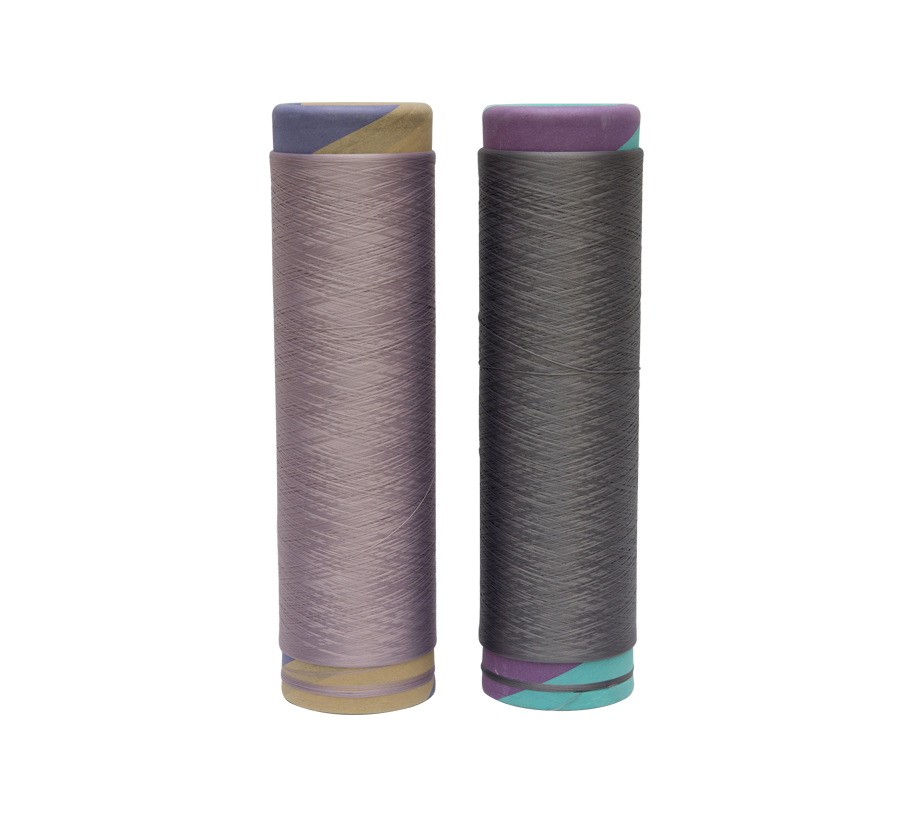
Breathable Brown Black 300D/96F DTY Yarn High-Intermingled 99.99% Polyester Yarn...
See Details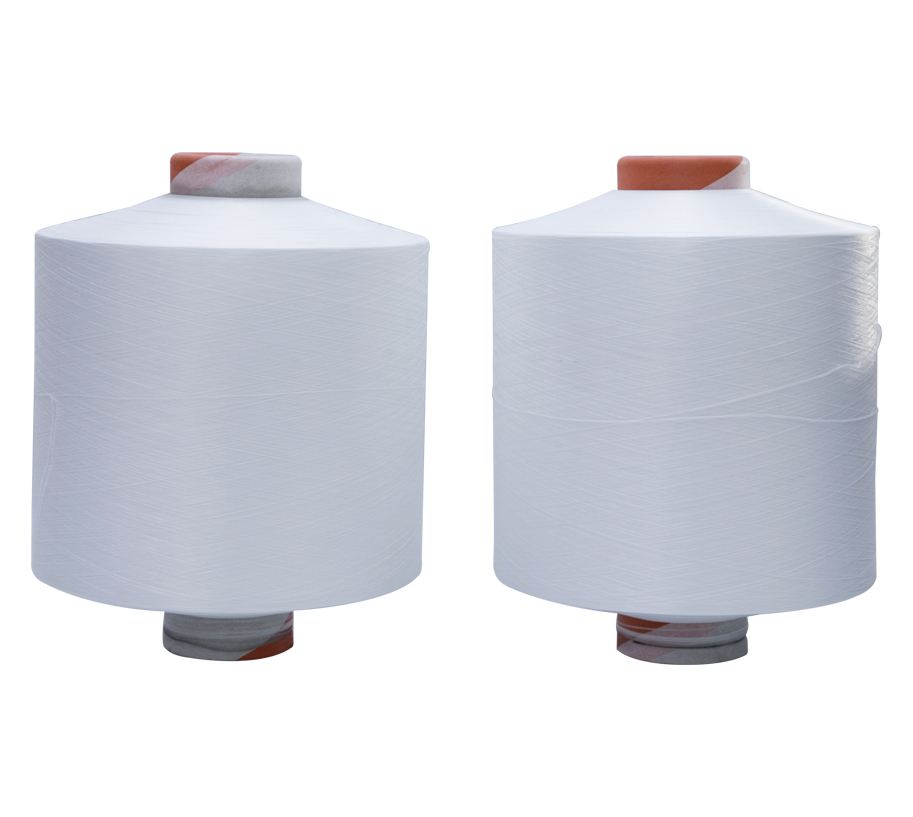
Recycled 150D48F RW HIM Polyester Yarn Type: Polyester Yarn Pattern: Raw Technic...
See Details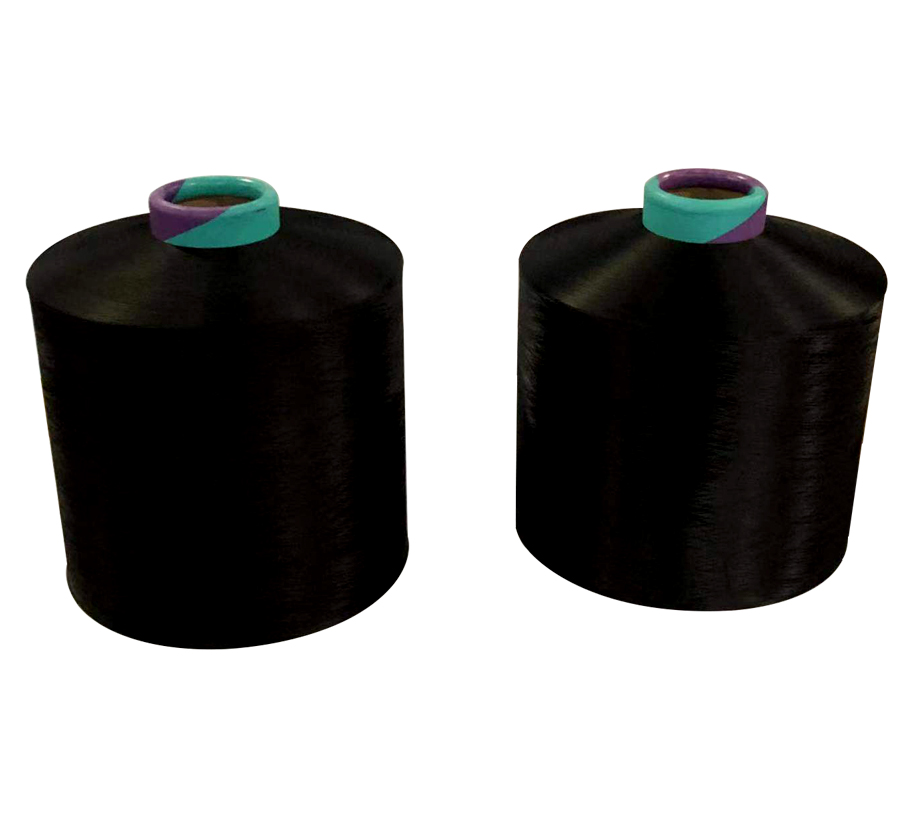
Moisture-Absorbent 100D/36F BLACK NIM Polyester Yarn Material: 99.99% Polyester ...
See Details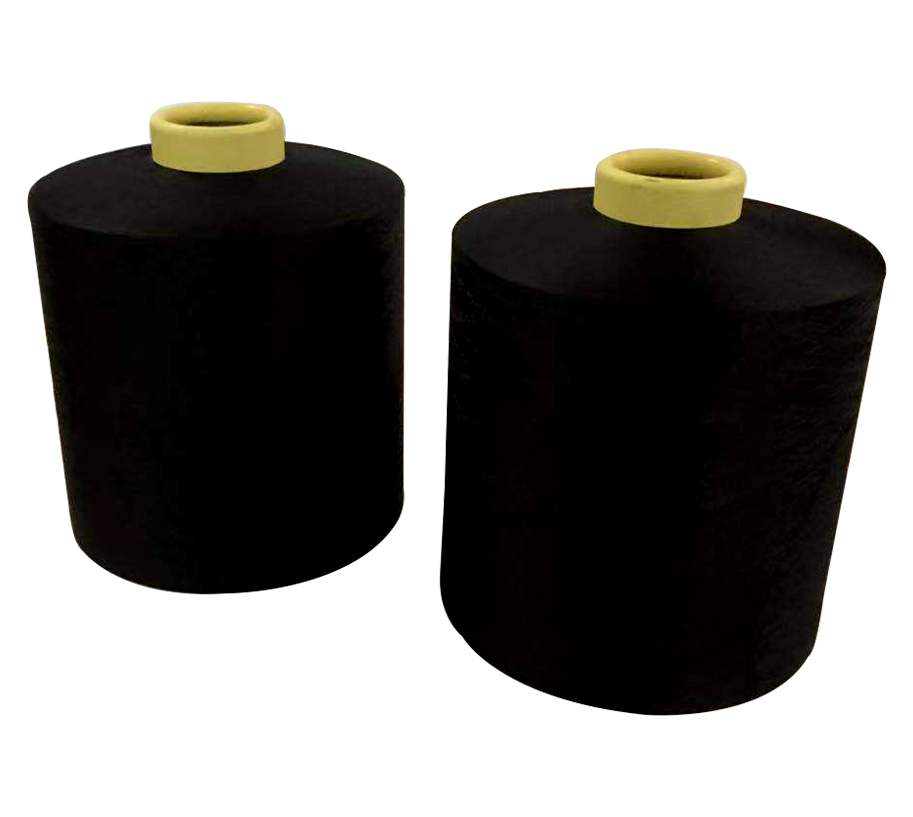
Product Name: DTY 150D/36F HIM Polyester Yarn Size: 150D/36F Twist: S+Z Pattern:...
See Details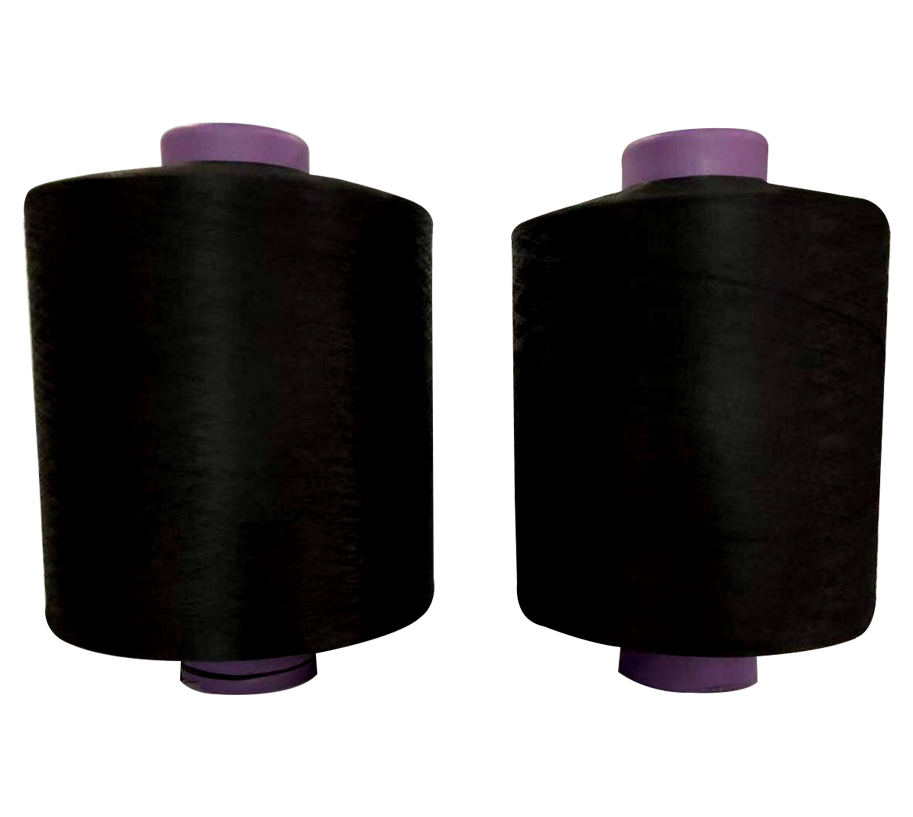
International Quality Standard 300D96F BLACK HIGH ELASTIC Polyester Yarn for Sea...
See Details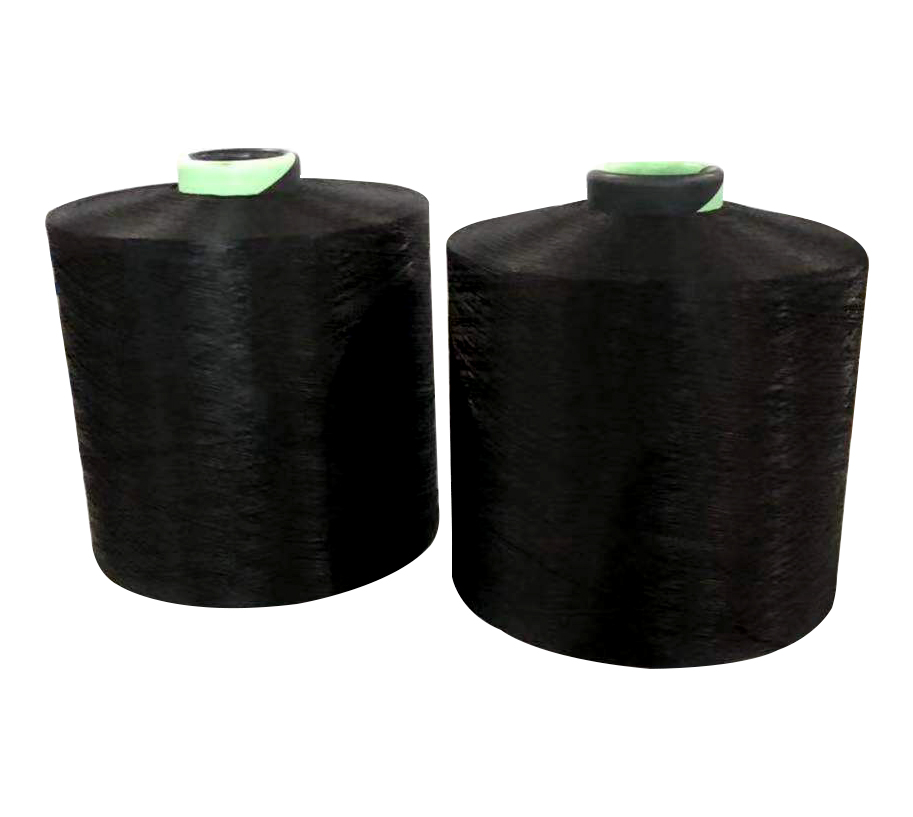
Product Name: DTY 600D/192F HIM Polyester Yarn Size: 600D/192F Twist: S+Z Color:...
See Details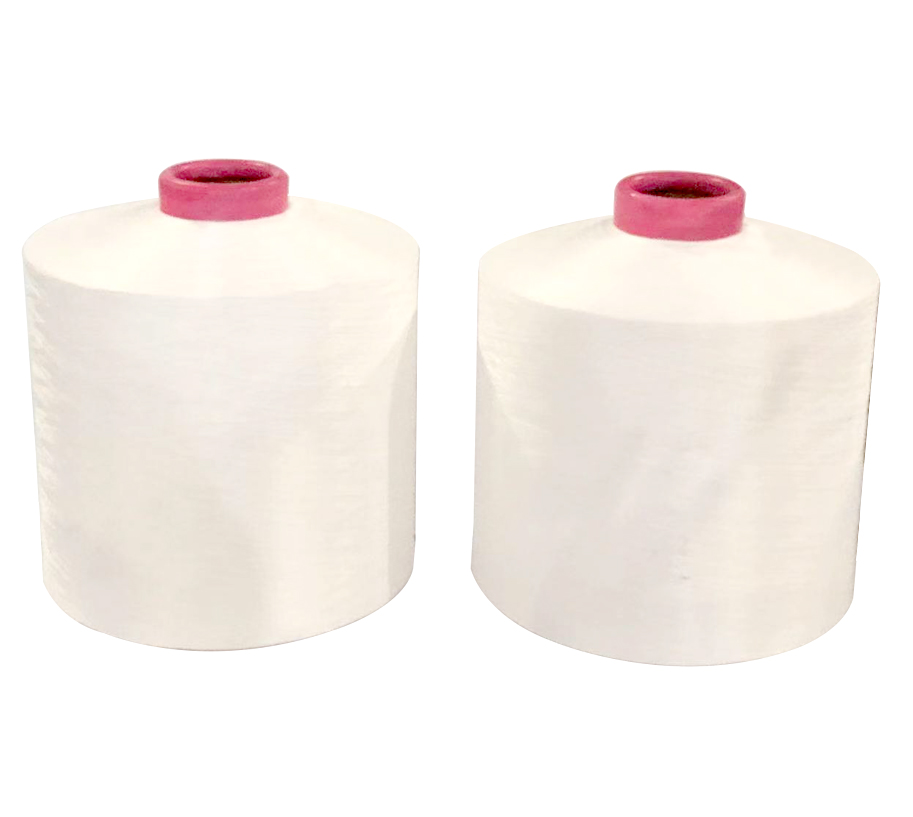
High Tenacity 600D/192F RW S+Z HIM Polyester Yarn Yarn Count: 600D/192F Color: R...
See Details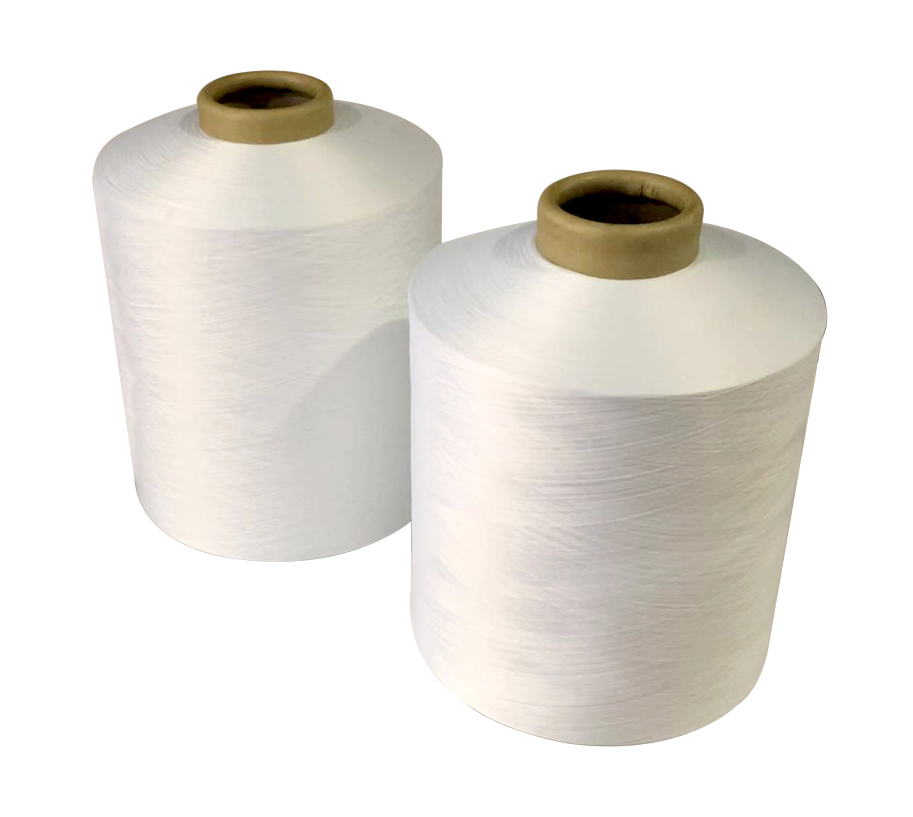
Sustainable 100D/36F RW NIM Polyester Yarn Yarn Count: 100D/36F Material: 99.99%...
See DetailsCopyright © Hangzhou Dingkai Chemical Fibre Co., Ltd. All Rights Reserved.
Wholesale China Polyester DTY Yarns Factory
