 Call:+86-571-82912975
 https://www.dkyarn.com
 English
 中文简体
中文简体
Pink/Rose Red/Red China 150D/48F Dty Polyester Yarn High Strength AA Grade Textu...
See Details

High intermingle yarn fundamentally solves the operational challenges of filament yarns by replacing traditional chemical sizing with physical entanglement. This structural innovation ensures that synthetic filaments remain cohesive during high-speed weaving and knitting without relying on sticky, environmentally harmful substances. By securing the yarn structure at the fiber level, it drastically reduces fraying, breaking, and shedding, which leads to significantly higher manufacturing efficiency and superior fabric quality. The intermingling process creates discrete tie-points along the yarn length, maintaining the strength and elasticity of the filament while providing the workability usually associated with spun staple fibers. For modern textile manufacturing, adopting this technology translates directly into smoother production runs, fewer machine stoppages, and cleaner, more durable end-products.
To appreciate the advantages of high intermingle yarn, one must first understand how it is engineered. Unlike twisted yarns that rely on mechanical spiral binding, intermingled yarn utilizes high-pressure air to force filaments together. During the production phase, the multifilament yarn is passed through a specialized air jet nozzle. Compressed air is injected at high velocities, creating intense turbulence inside the channel. This turbulence causes the individual filaments to separate and violently entangle with one another, forming tight, discrete nodes known as intermingling points or nip points.
The compressed air process is highly controllable, allowing manufacturers to adjust the frequency and tightness of the intermingling points. By modifying the air pressure and the yarn speed, producers can engineer the exact level of cohesion required for a specific downstream application. The sections between these tight nodes remain loose and parallel, preserving the natural luster, drape, and hand-feel of the filament. This balance between structural security and aesthetic flexibility is what makes the technology so versatile.
Traditional twisting relies on spiral winding to bind filaments. While effective, twisting alters the physical geometry of the yarn, often increasing its stiffness, reducing its stretch recovery, and modifying its reflective properties. Intermingling, by contrast, secures the filaments without changing the fundamental linear geometry. The yarn retains the softness and brilliance of a flat filament while gaining the processing safety of a bound structure. This makes it particularly valuable for applications requiring a soft hand or high sheen, such as satin weaves or delicate knits.
The unique structural properties of this yarn make it indispensable across multiple textile sectors. Its ability to resist fraying under extreme tension allows it to excel in demanding manufacturing environments.
In modern, high-speed rapier and air-jet looms, the weft and warp yarns are subjected to violent, rapid movements. Untreated flat filaments would easily split, causing machine stops and fabric defects. High intermingle yarn provides the necessary cohesion to survive this mechanical stress. Because it does not require chemical sizing to stay together, it is frequently utilized as a warp yarn, reducing the need for costly and polluting sizing and desizing processes.
Beyond fashion and home textiles, this yarn is a cornerstone of technical fabrics. In automotive interiors, industrial filters, and heavy-duty tarpaulins, dimensional stability and abrasion resistance are paramount. The tight entanglement nodes prevent filament migration, ensuring that the fabric maintains its structural integrity even under intense friction or load-bearing conditions.
Fabrics used in furniture demand a combination of durability and tactile comfort. High intermingle yarn allows manufacturers to produce dense, wear-resistant upholstery fabrics that still feel supple to the touch. The yarn's resistance to pilling and shedding ensures that sofas and chairs maintain their aesthetic appeal over years of use.
Adopting this specialized yarn yields tangible operational and qualitative improvements. The advantages permeate every stage of the supply chain, from the weaving loom to the final garment.
Not all intermingled yarns are created equal. The performance of the yarn is dictated by the density and consistency of its entanglement points, usually measured as "intermingle points per meter." Understanding these classifications is critical for selecting the right yarn for a specific textile application.
| Classification | Entanglement Points per Meter | Primary Application |
|---|---|---|
| Low Intermingle | Sparse | Texturizing and bulked yarns |
| Standard Intermingle | Moderate | Conventional knitting and weaving |
| High Intermingle | Dense | High-speed warping and technical fabrics |
Quality control is vital when assessing these yarns. Two primary defects can compromise the material's integrity. The first is "missing intermingling," where the air jet fails to form a node, leaving a vulnerable gap where the filament can fray. The second is "over-entanglement," where the node is too tight or too large, creating a localized stiff spot in the fabric that can disrupt dye absorption and distort the weave pattern. Consistent, uniform nodes are the hallmark of premium high intermingle yarn.
The textile industry is under increasing pressure to reduce its ecological footprint, and high intermingle yarn offers a direct pathway to more sustainable manufacturing. The most significant environmental benefit stems from the elimination of the sizing process.
In traditional weaving, sizing agents—often based on polyvinyl alcohol or starch—are applied to warp yarns to protect them during weaving. After the fabric is woven, these chemicals must be washed off in a desizing process. This requires massive volumes of hot water and harsh detergents, resulting in highly polluted wastewater. By utilizing high intermingle yarn, manufacturers can bypass the sizing and desizing phases entirely, drastically cutting water consumption and chemical discharge.
Beyond water conservation, skipping the sizing and desizing stages yields substantial energy savings. Heating water for desizing and running the drying ovens consumes vast amounts of electricity and natural gas. Furthermore, the reduction in yarn breakage means looms operate more efficiently, wasting less raw material and requiring less energy per meter of finished cloth. This streamlined workflow aligns with modern goals for leaner, greener industrial operations.
Maximizing the potential of this yarn requires engineers to carefully calibrate the intermingling parameters to match the intended fabric structure. The density of the weave, the type of loom, and the desired hand-feel all dictate the optimal yarn specification.
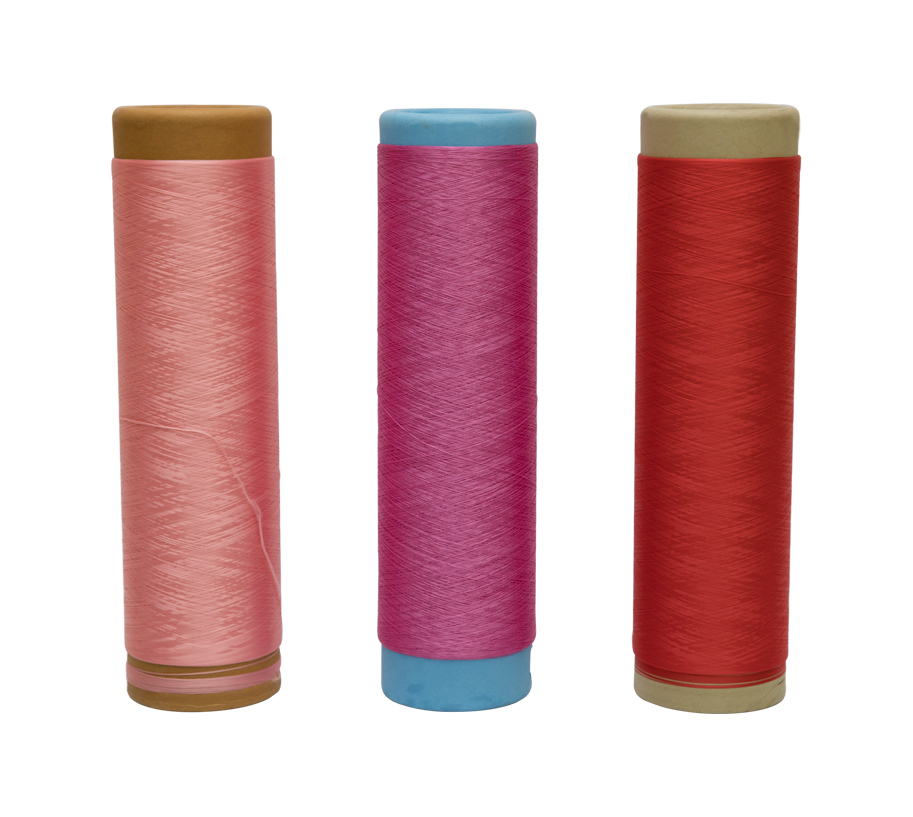
Pink/Rose Red/Red China 150D/48F Dty Polyester Yarn High Strength AA Grade Textu...
See Details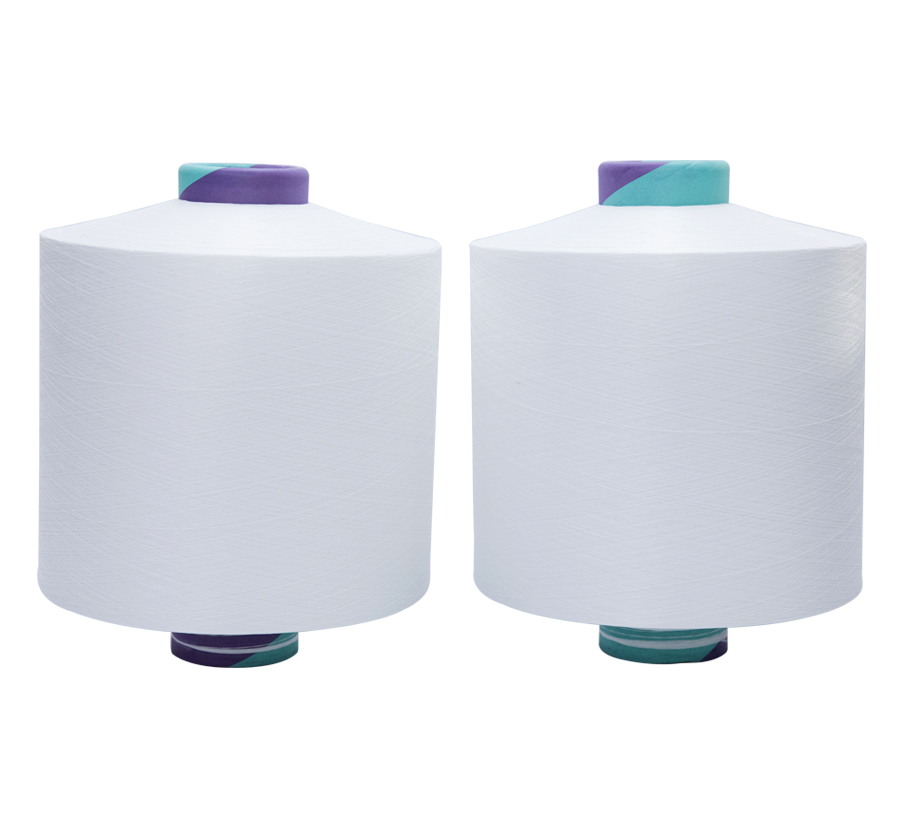
Sustainable 300D/96F RW HIM 99.99% Polyester Yarn for Embroidery Material: 99.99...
See Details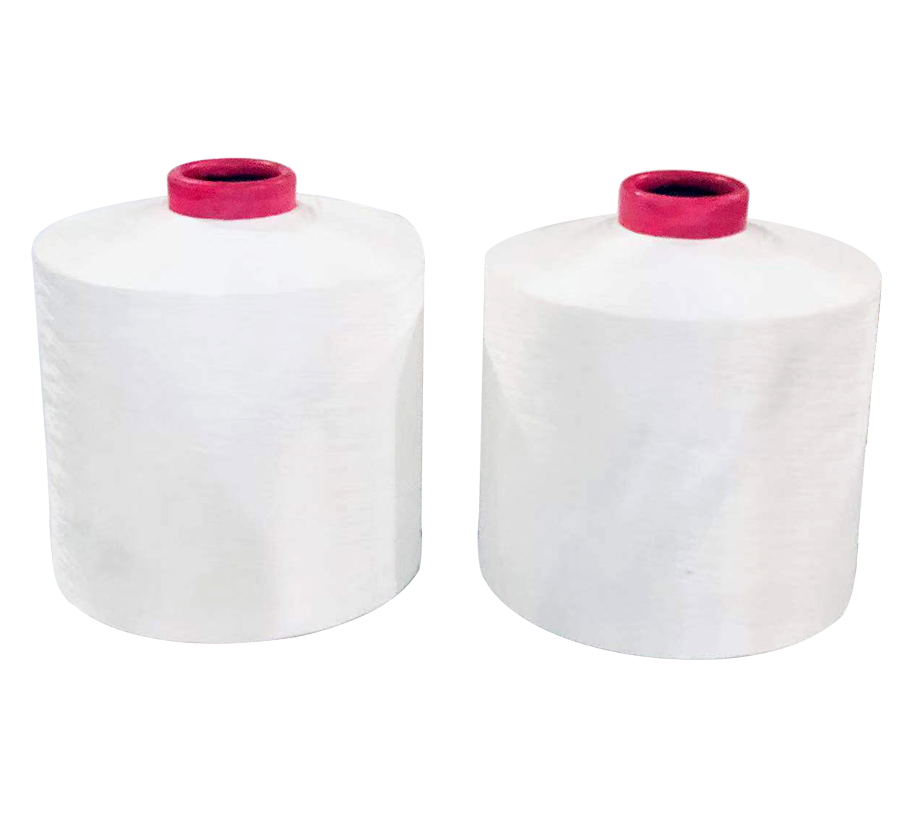
Yarn Count: 600D/192F SD RW HIM Draw Texturing Yarn Size: 600D/192F Twist: S+Z C...
See Details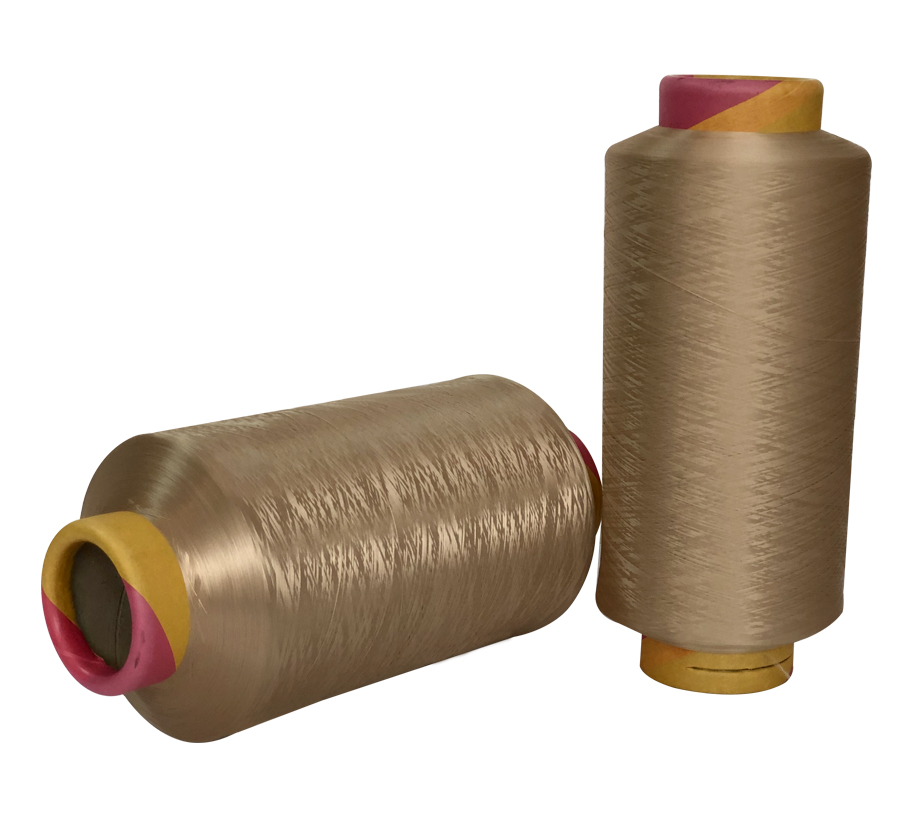
High Temperature-Resistant 300D Brown 99.99% Polyester Yarn for Hand Knitting an...
See Details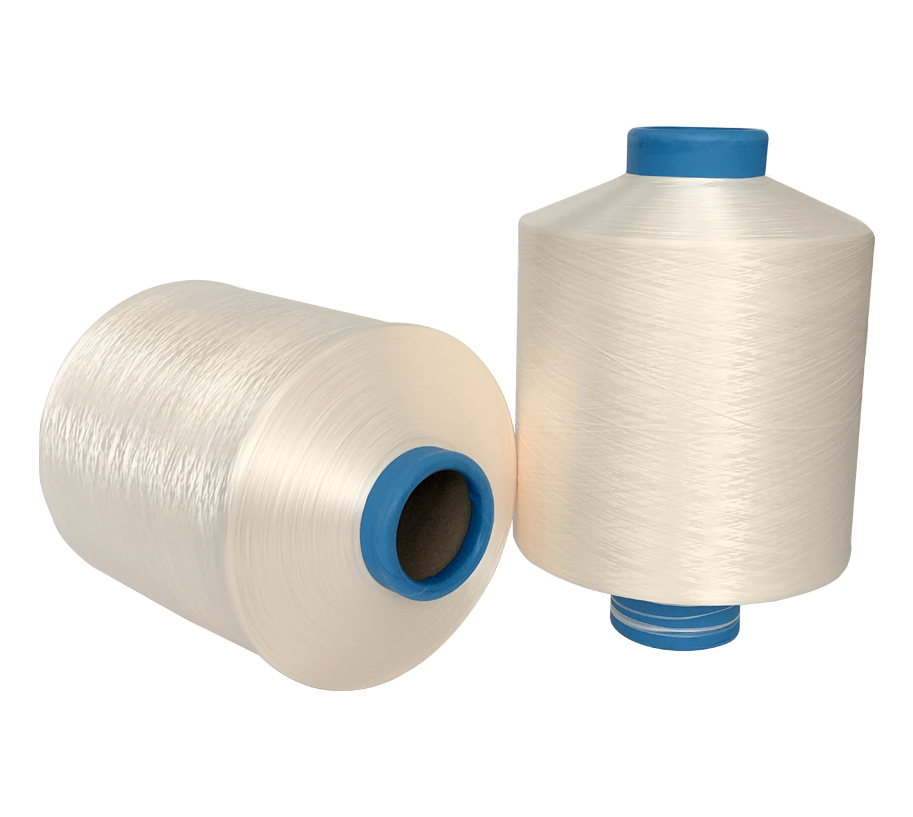
Anti-Bacterial 300D Milk White 99.99% Polyester Yarn for Hand KnittingColor: Mil...
See Details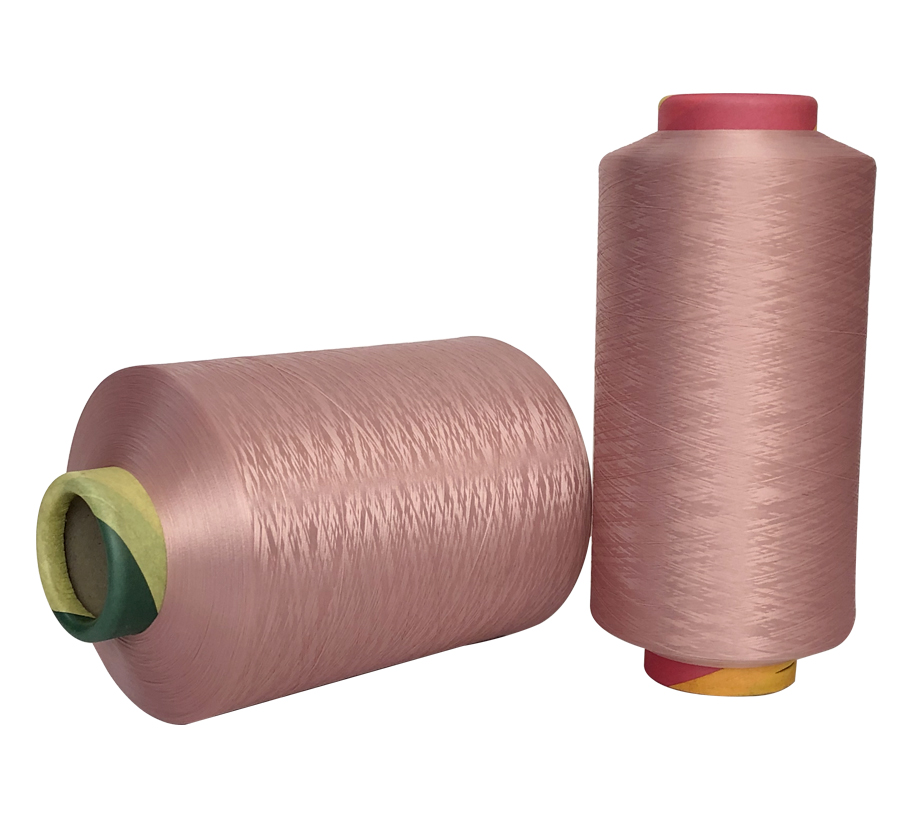
300D Rubber Red 99.99% Polyester Yarn for Knitting & Weaving Color: Rubber R...
See Details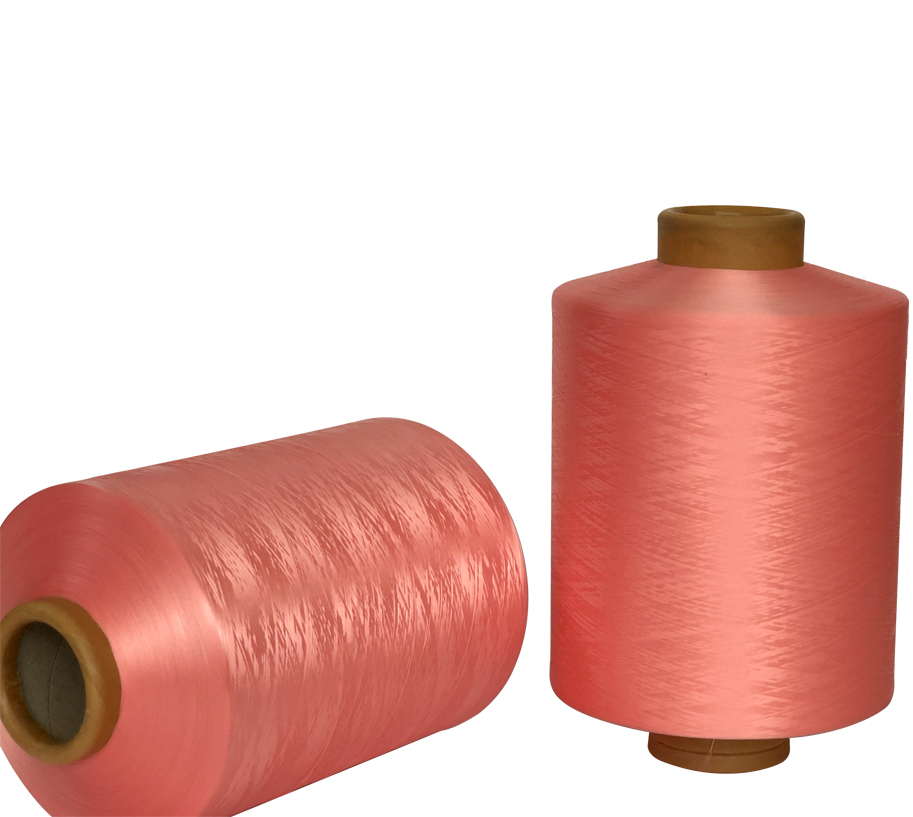
300D Watermelon Red 99.99% Polyester Yarn for Knitting Color: Watermelon Red Mat...
See Details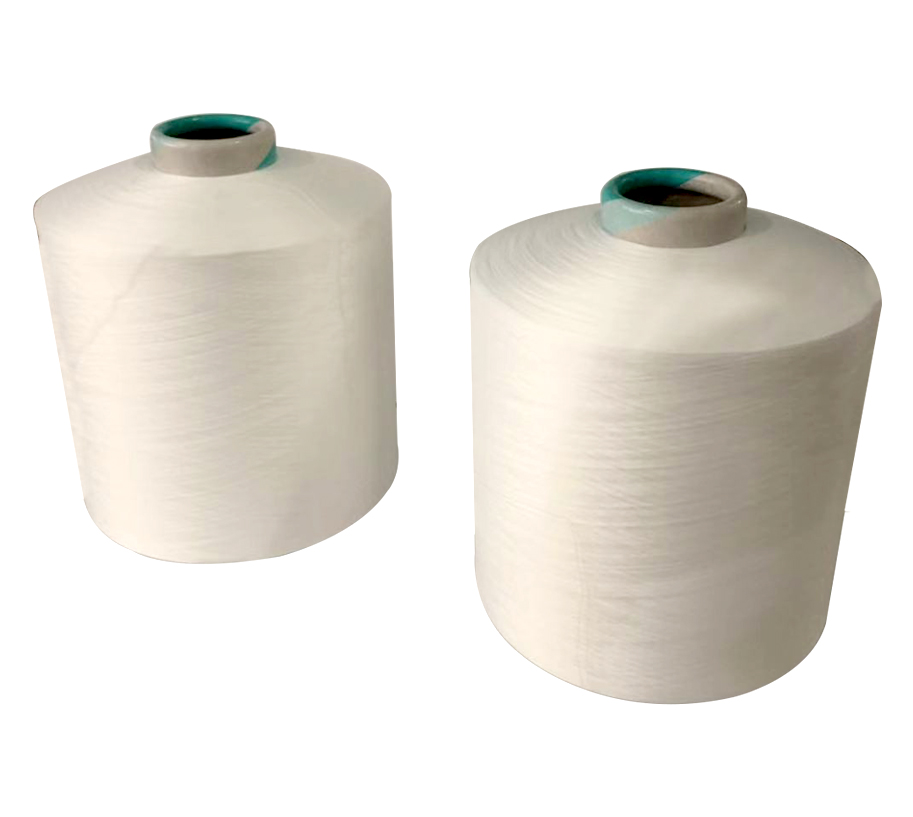
Anti-Bacteria 75D36F RW NIM(WHIT LITTLE INTEREMINGLE) Polyester Yarn Yarn Count:...
See DetailsCopyright © Hangzhou Dingkai Chemical Fibre Co., Ltd. All Rights Reserved.
Wholesale China Polyester DTY Yarns Factory
