Call:+86-571-82912975
 https://www.dkyarn.com
 English
 中文简体
中文简体
Navy/Grey 150D/36F DTY Yarn 99.99% Polyester Anti-pilling Yarn for Sewing Materi...
See Details

Polyester alone accounts for roughly 54 percent of the fiber used in textiles worldwide, according to Textile Exchange market data, which means more than half of everything woven or knitted on the planet begins as a single synthetic strand. Yet buyers keep asking a deceptively simple question: what is fiber as it pertains to textiles?
The answer has commercial weight. Fiber choice decides whether a fabric pills after five washes, whether a sportswear panel dries in ten minutes, and whether a warp beam runs a full shift without broken filaments. This guide defines fiber the way mills and trading desks use the term, maps the three fiber families, links properties to fabric behavior, and shows where these decisions surface in a real yarn specification.
Fiber is the smallest functional unit of any textile: a thin, flexible strand that is twisted, interlaced, or bonded with other strands to build yarn and, eventually, fabric. Spin fibers and you get yarn; weave or knit yarn and you get fabric. Every performance claim made downstream, from colorfastness to seam strength, traces back to what that strand is and how evenly it was made.
A textile fiber is a natural or man-made strand whose length is at least 100 times its diameter, flexible enough to be spun or processed into yarn, and usable as the base material for woven, knitted, or nonwoven fabric.
Fibers reach the spinning plant in two length formats, and the format changes the character of the cloth.
Short lengths, roughly 25 to 40 millimeters for cotton, twisted together into spun yarn. The surface is softer and matte, with more hairiness and a higher tendency to pill.
Continuous strands that can run for kilometers without a break. The surface is smooth and often lustrous, with high strength and clean, efficient weaving.
Fineness is measured in denier, the weight in grams of 9,000 meters of strand, so lower numbers mean finer fiber. A code such as 150D/48F adds the filament count: 48 filaments bundled together, each about 3.1 denier. This is how fiber engineering becomes a purchase order line, and suppliers such as Hangzhou Dingkai Chemical Fibre Co., Ltd., a polyester DTY yarn manufacturer in Hangzhou, China, publish full matrices of these codes across their ranges.
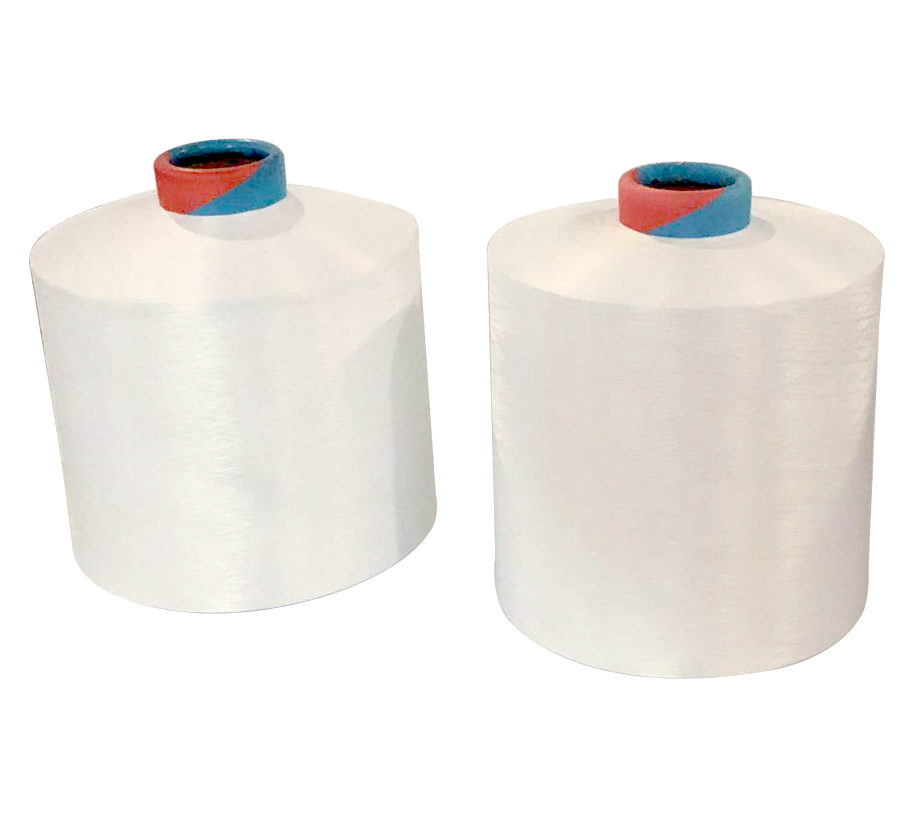 150D/48F RW HIM Polyester DTY YarnThis drawn textured polyester yarn illustrates how denier and filament count, like 150D/48F, translate into purchase order codes. With high evenness and recycled content, it suits knitting and weaving for socks, underwear, sportswear, denim, and similar apparel applications.View Product →
Nearly every commercial fiber fits into one of three families, and the family predicts price range, comfort profile, and care behavior before you open a single datasheet.
| Fiber family | Typical fibers | Source | Character | Common uses |
| Natural cellulosic | Cotton, linen | Seed bolls, flax stalks | Breathable, absorbent, wrinkles easily | Shirts, denim, bed linen |
| Natural protein | Wool, silk | Fleece, silkworm cocoons | Warm, resilient, luxurious hand | Knitwear, suiting, scarves |
| Regenerated | Viscose, lyocell, acetate | Dissolved wood pulp | Soft drape, dyes deeply, weaker when wet | Dresses, linings, blends |
| Synthetic | Polyester, nylon, spandex | Petroleum-based polymers | Strong, quick-drying, colorfast, stable | Sportswear, home textiles, industrial fabric |
The production mix explains why synthetic yarns dominate industrial sourcing conversations.
Trade documents often group the synthetic side under the term chemical fiber, which simply separates man-made strands from natural ones such as silk and cotton; confirming this distinction early prevents confused quotations later.
Elasticity is engineered the same way. Spandex, also sold as elastane, is a synthetic fiber built for stretch and supplied in yarn form across a fineness range from 15D for sheer knitwear to 1120D for dense, heavy-duty elastic fabrics.
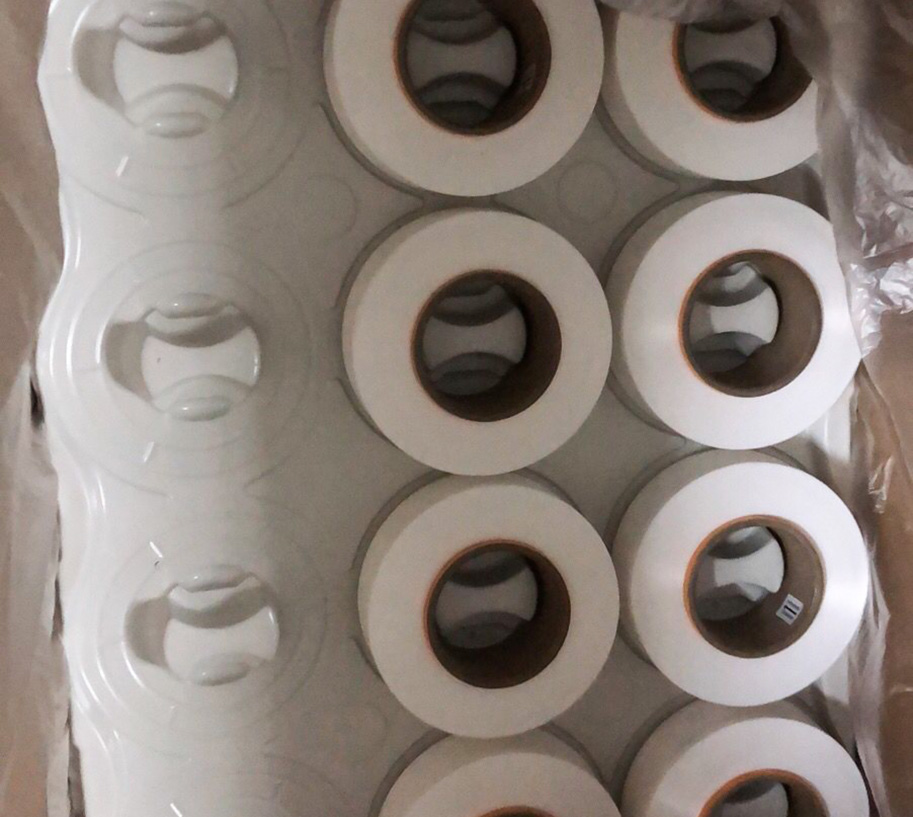 Spandex Yarn in 15D to 1120D Fineness RangeSpandex, or elastane, is engineered for stretch and supplied across a wide fineness range, from 15D for sheer knitwear up to 1120D for dense heavy-duty elastic fabrics. This range shows how elasticity is specified in yarn form before garment production begins.View Product →
Silk is the only filament that nature spins by itself. Every other continuous filament in modern textiles is extruded, drawn, and often textured by machine.
Fiber sets the ceiling on what a fabric can do; spinning, knitting, and finishing adjust the result but cannot rewrite it. Five properties carry most of the weight.
Cotton regains about 8.5 percent of its weight in moisture, while polyester absorbs under 0.5 percent. That single gap explains fast-drying sportswear, wrinkle resistance, and the entire logic of blends: the comfort of absorbent fibers combined with the dimensional stability of synthetics.
Fiber becomes a purchasable product at the yarn stage, and the yarn data sheet is where fiber engineering turns into contract terms. Draw texturing (DTY) adds crimp and bulk to smooth polyester filament through false twisting, so the finished yarn feels fuller, stretches slightly, and knits into softer fabric. Intermingling is the second lever: air jets periodically tie the filament bundle with nodes, and node density is specified in nodes per meter.
A node is a heat-set tie point that locks filaments together. Node density decides whether a warp beam runs a full shift without filament separation, which is why serious buyers write NIM, SIM, or HIM into the order.
Color is the third lever. Dope-dyed yarn adds pigment inside the polymer before extrusion, locking shade into the fiber itself; a 300D/96F navy yarn produced this way keeps its color through sunlight and repeated washing without ever entering a dye bath.
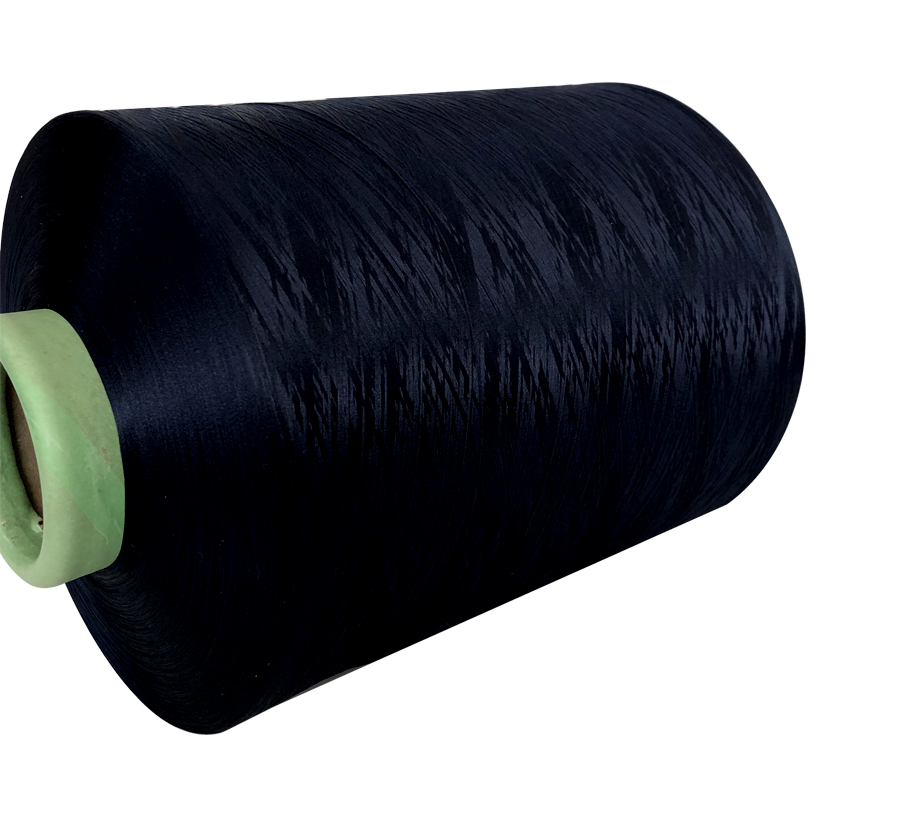 300D Navy Dope-Dyed Polyester Filament YarnDope dyeing adds pigment before extrusion, locking navy color into the fiber without a dye bath, so shade survives sunlight and repeated washing. This 300D continuous filament DTY yarn offers high strength, anti-pilling performance, and over 1000 customizable colors.View Product →
Match the fiber to the end use first and the specification second, because the cheapest quote usually fails on the second pass through this list.
"A specification without tolerances is only a suggestion; a Grade A yarn with a written node range is a contract."
When shortlisting suppliers, compare physical samples rather than catalog claims, and request current specification sheets through the Dingkai contact page before committing to trial quantities.
Fiber is the raw strand; fabric is the finished sheet. Fibers are spun into yarn, and yarn is interlaced into fabric. Properties migrate upward: a strong, low-moisture fiber such as polyester produces strong, fast-drying fabric.
Polyester is the fiber material, a polymer extruded into filaments. It becomes yarn when those filaments are bundled, drawn, and textured, with DTY as one common yarn form. Fabric labels name the fiber, while purchase orders name the yarn with its denier, filament count, and intermingle code.
There is no single winner. Cotton and regenerated cellulosics feel cooler because they absorb moisture; polyester moves sweat off the skin and dries quickly, which is why athletes prefer it; blends split the difference. Match the fiber to climate, activity level, and wash routine.
The first number is total denier, the second is the filament count, so 300D/96F means 96 filaments at roughly 3.1 denier each. HIM stands for high intermingle, approximately 100 to 120 nodes per meter. Add a color code and a grade, and the description becomes enforceable.
The short version: fiber is the first decision in textiles, not a technical footnote. Define the strand correctly, and the fabric, the application, and the cost all follow.
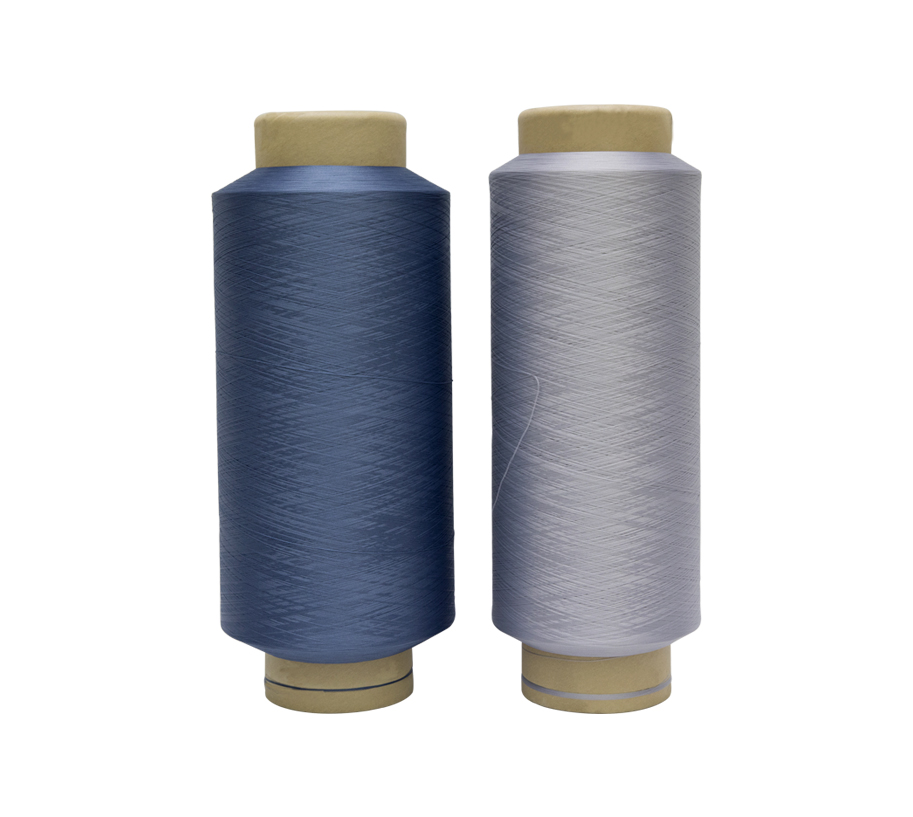
Navy/Grey 150D/36F DTY Yarn 99.99% Polyester Anti-pilling Yarn for Sewing Materi...
See Details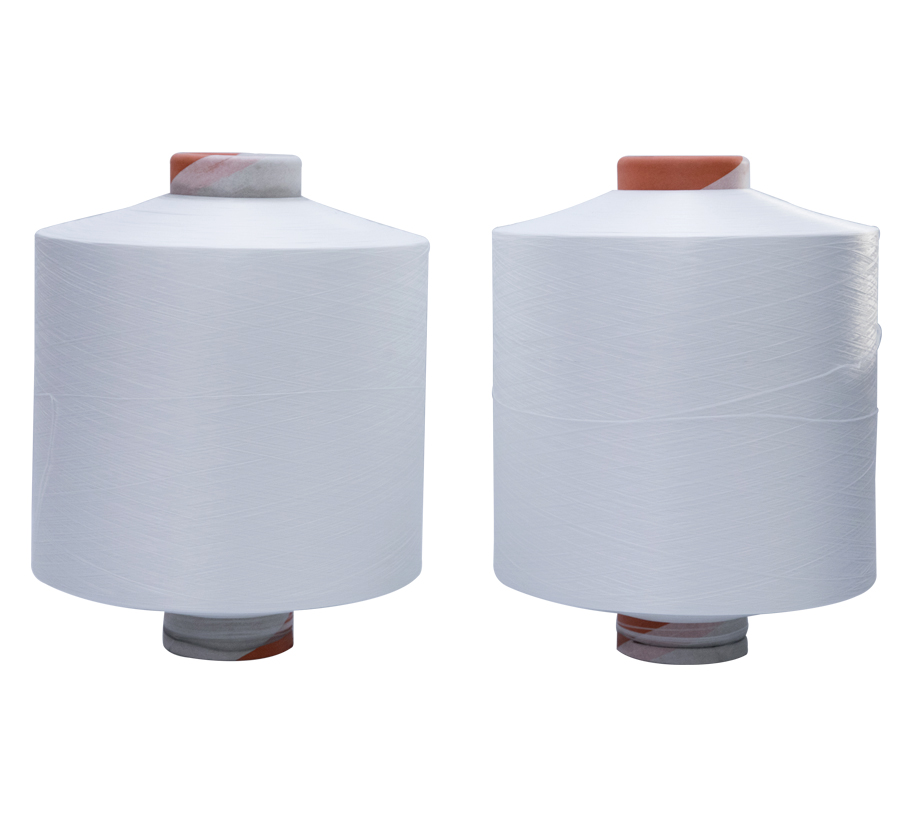
Functional White High elastic polyester yarn Eco-friendly high stretch Yarn for ...
See Details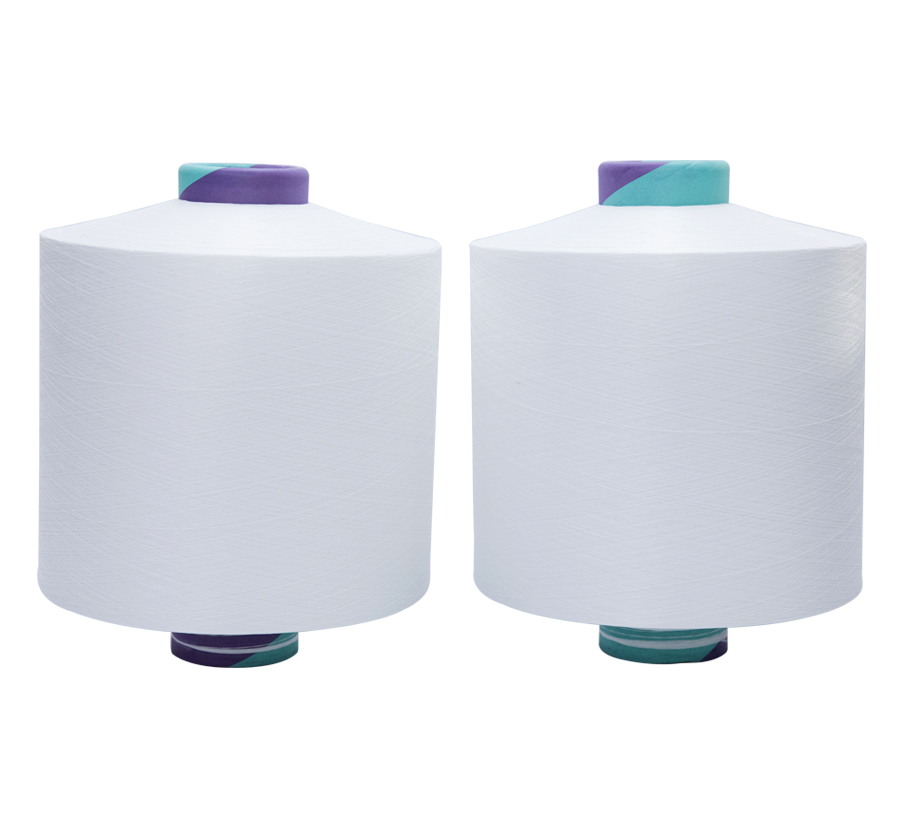
Sustainable 300D/96F RW HIM 99.99% Polyester Yarn for Embroidery Material: 99.99...
See Details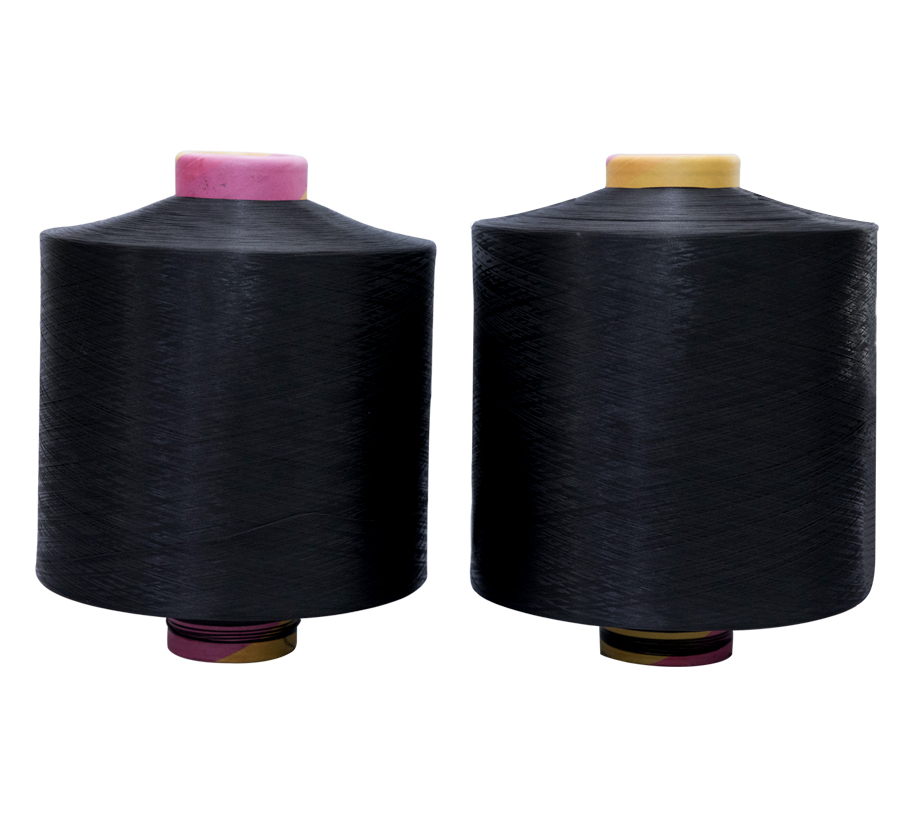
Sustainable 300D/96F Polyester Color Yarns BLACK NIM Product specifications:300D...
See Details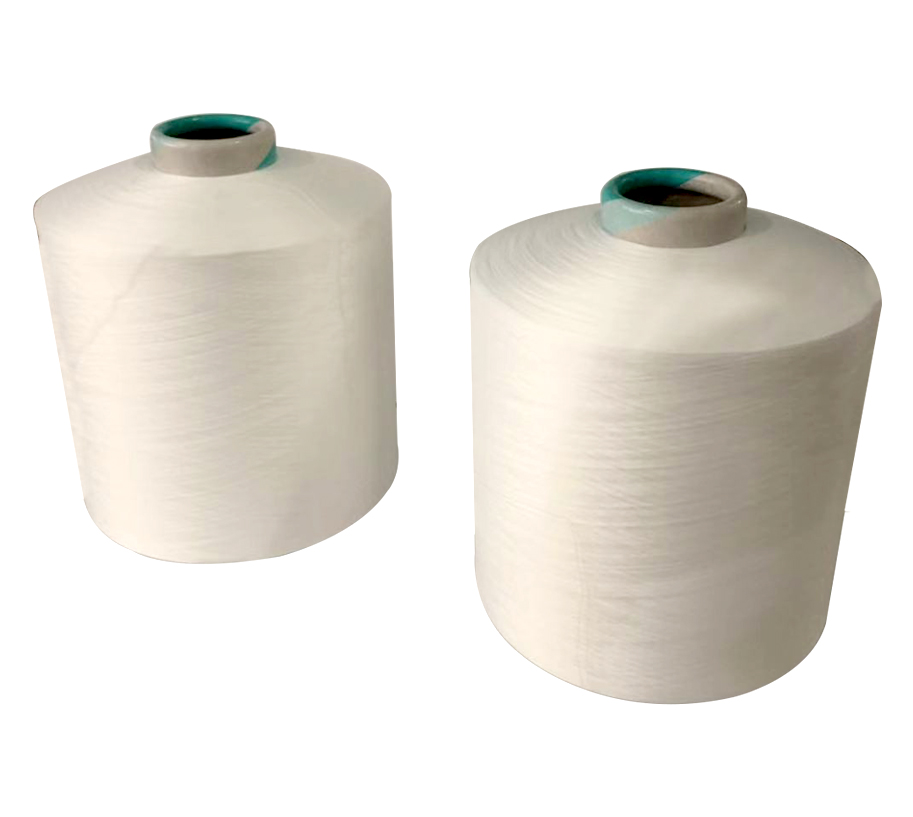
Anti-Bacteria 75D36F RW NIM(WHIT LITTLE INTEREMINGLE) Polyester Yarn Yarn Count:...
See DetailsCopyright © Hangzhou Dingkai Chemical Fibre Co., Ltd. All Rights Reserved.
Wholesale China Polyester DTY Yarns Factory