Call:+86-571-82912975
 https://www.dkyarn.com
 English
 中文简体
中文简体
Moisture-Absorbent 100D/36F BLACK NIM Polyester Yarn Material: 99.99% Polyester ...
See Details

Polyester color yarn is a high-performance dyed textile material made from polyester fiber as the primary raw material, featuring stable color fastness, excellent durability, cost efficiency, and wide adaptability. It has become one of the most widely used color yarn varieties in the global textile industry, meeting the production needs of apparel, home textiles, industrial fabrics, and decorative textiles simultaneously. Compared with natural fiber color yarn and other synthetic fiber color yarn, it balances quality, cost, and processing performance perfectly, and its market demand maintains continuous growth year by year.
In practical applications, polyester color yarn eliminates the post-dyeing link of grey fabrics, reduces production energy consumption and sewage discharge, and shortens the production cycle by a considerable margin. Its uniform color, high color saturation, and good resistance to washing, sunlight, and friction make it ideal for mass and customized textile production. For manufacturers and end-users, polyester color yarn delivers both economic benefits and functional value, which is irreplaceable in the modern textile supply chain.
The core raw material of polyester color yarn is polyester staple fiber or filament, a synthetic fiber formed by polycondensation of purified terephthalic acid and ethylene glycol. This raw material has a dense molecular structure, which lays a solid foundation for the dyeing and forming of colored yarn. During production, polyester fibers are pre-treated to improve dye absorption efficiency, ensuring that color molecules can firmly bind to the fiber interior.
Most high-quality polyester color yarns are blended with a small proportion of functional additives to enhance specific properties, such as antistatic agents, anti-pilling agents, or flame retardants. These additives do not affect the color presentation and durability of the yarn but greatly expand its application scenarios in special textiles.
These characteristics are determined by the molecular structure of polyester fibers and are further optimized during the dyeing and spinning process of color yarn. Unlike undyed grey yarn, polyester color yarn completes the coloring process at the fiber stage, so the color distribution is more uniform and the performance consistency is higher.
Solution dyeing is a high-end production process for polyester color yarn, which adds color masterbatch to the polyester melt before fiber forming. The color molecules are integrated into the fiber molecular chain, making the color extremely durable. This process has the highest color fastness among all dyeing methods, and the produced color yarn can resist strong sunlight and industrial cleaning agents.
The advantages of this process are obvious: almost no sewage discharge, environmental protection and energy saving, stable color batch, and suitable for mass production of solid color yarn. The disadvantage is that the color adjustment cycle is long, making it more suitable for conventional color systems rather than highly customized small-batch colors.
Stock dyeing refers to dyeing polyester loose fibers first and then spinning them into yarn. This process can achieve rich and delicate color effects, including heathered colors, mixed colors, and gradient colors. The fiber dyeing is sufficient and uniform, and the yarn has a soft hand feel and full color.
This process is flexible and suitable for small-batch and multi-color customized production, widely used in fashion apparel and decorative textiles. It has moderate production cost and short color switching cycle, which is the most widely used process in the current market.
Yarn dyeing is to spin grey yarn first and then dye the formed yarn through special dyeing equipment. This process has low early investment and simple operation, suitable for small and medium-sized textile enterprises. The dyed yarn has a bright color and can meet the needs of conventional textile products.
Compared with the first two processes, yarn dyeing has relatively lower color fastness and a slight risk of uneven dyeing. It is mostly used in the production of medium and low-grade textiles and conventional knitted products.
| Production Process | Color Fastness | Production Flexibility | Environmental Impact |
|---|---|---|---|
| Solution Dyeing | Highest | Low | Minimal |
| Stock Dyeing | High | High | Low |
| Yarn Dyeing | Medium | Medium | Medium |
According to the form of polyester fiber used, polyester color yarn can be divided into staple fiber color yarn and filament color yarn. Staple fiber color yarn is made by cutting polyester fiber into short segments and spinning, with a soft hand feel, strong wool feeling, suitable for knitted sweaters, casual wear, and home textile fabrics. Filament color yarn is made of continuous polyester filament, with a smooth surface, high strength, and good luster, mainly used in woven apparel fabrics, linings, and industrial textiles.
The two types of color yarn have obvious differences in application fields. Staple fiber color yarn focuses on comfort and appearance, while filament color yarn focuses on strength and durability. Manufacturers will select the appropriate fiber form according to the final product positioning.
Yarn count represents the thickness of the color yarn, and twist represents the tightness of the fiber entanglement. Polyester color yarn has a full range of yarn counts, from ultra-fine yarn for lightweight shirts to thick yarn for carpets and blankets. Medium yarn count products account for the highest proportion in market consumption, covering most daily textile needs.
High-twist polyester color yarn has a stiff fabric and good wrinkle resistance, suitable for summer apparel and decorative fabrics; low-twist color yarn has a soft hand feel and strong warmth retention, suitable for winter sweaters and plush products. The twist design directly affects the visual effect and physical performance of the final fabric.
Functional polyester color yarn is a rapidly developing category in recent years. With the upgrading of consumer demand, the application proportion in outdoor, medical, and protective textiles is increasing year by year, becoming a new growth point of the color yarn industry.
The most significant advantage of polyester color yarn is its excellent color performance. After professional testing, the color fastness to sunlight, washing, and friction of conventional products meets international textile standards, and high-end products can meet the testing requirements of commercial and industrial textiles. After 50 times of standard washing, the color difference change is extremely small, maintaining the original appearance of the product.
This advantage solves the common fading problem of dyed fabrics in the market, especially for dark and bright color products. Polyester color yarn can maintain color saturation for a long time, improving the service life and aesthetic degree of textiles.
Using polyester color yarn can directly carry out weaving and knitting production without fabric dyeing, shortening the entire production cycle. For textile enterprises, this reduces the equipment investment and labor cost of the dyeing workshop, and also reduces the risk of fabric scrapping caused by dyeing defects.
In mass production, the qualified rate of products made of polyester color yarn is significantly higher than that of post-dyed products. The comprehensive production cost is reduced, and the market competitiveness is enhanced. At the same time, the stable quality of color yarn reduces the after-sales problems caused by color differences and fading, reducing the operating pressure of brands and manufacturers.
With the global emphasis on textile environmental protection, polyester color yarn shows obvious sustainable advantages. The solution dyeing and stock dyeing processes reduce water consumption and sewage discharge by a large margin compared with traditional fabric dyeing. The water consumption in the production process is reduced by more than half, and the discharge of pollutants is greatly reduced.
In addition, recycled polyester fiber is widely used in the production of polyester color yarn, using recycled plastic bottles and waste textiles as raw materials, realizing the recycling of resources. Recycled polyester color yarn has the same performance as virgin fiber color yarn, meeting the environmental protection needs of global consumers and enterprises.
Polyester color yarn has good spinnability and weaving performance, suitable for all kinds of mainstream textile equipment, including circular knitting machines, warp knitting machines, shuttleless looms, and computerized flat knitting machines. It has low requirements for equipment parameters, no easy breakage or winding during processing, and high production efficiency.
This adaptability makes polyester color yarn applicable to small workshops and large intelligent production lines, which is one of the important reasons why it can be popularized globally.
Apparel is the largest application field of polyester color yarn, covering casual wear, sportswear, fashion wear, children's wear, underwear, and professional wear. Staple fiber polyester color yarn is mostly used in sweaters, T-shirts, and casual pants, with soft hand feel and good color expression; filament color yarn is used in shirts, dresses, and suit linings, with smooth surface and elegant luster.
Sportswear brands prefer polyester color yarn with quick-drying and moisture-wicking functions, which can keep the human body dry during exercise. Professional protective clothing uses flame-retardant and anti-static polyester color yarn to ensure the safety of wearers. The diversification of apparel styles promotes the continuous innovation of polyester color yarn in color, function, and structure.
Home textiles are another major application market of polyester color yarn, including bedding, curtains, sofas, carpets, tablecloths, and plush toys. These products have high requirements for color fastness and durability, which perfectly match the performance of polyester color yarn.
Curtains and sofa fabrics made of polyester color yarn resist sunlight fading, and carpets have good abrasion resistance. Bedding products have rich colors and styles, meeting the decorative needs of different home styles. At the same time, polyester color yarn is easy to clean and quick-drying, bringing convenience to family daily use.
In industrial textiles, polyester color yarn is used in automotive interiors, luggage fabrics, filter materials, and safety equipment. Its high strength and corrosion resistance meet the strict performance requirements of industrial products. Automotive seat fabrics and interior decorations use high color fastness polyester color yarn to maintain long-term use without fading or aging.
In commercial decorative textiles, polyester color yarn is widely used in hotel fabrics, office partition fabrics, and exhibition decorative fabrics. The color is stable and durable, suitable for high-frequency use and cleaning in public places, with high cost performance.
Polyester color yarn is also popular in the handmade market, such as crochet, knitting, embroidery, and textile crafts. Its rich color system, moderate hardness, and good moldability make it ideal for handmade enthusiasts. The finished products are colorful and durable, meeting the creative and practical needs of handmade products.
For high-end products, additional testing of functional indicators is required, such as UV protection rate, antibacterial rate, flame retardant grade, etc. Qualified polyester color yarn must pass standardized testing to ensure stability in subsequent processing and use.
Regular manufacturers implement full-process quality control from raw material procurement to finished product packaging. Polyester fiber raw materials are tested for strength, fineness, and purity; dyes and additives use environmentally friendly materials that meet standards. During the dyeing process, real-time monitoring of temperature, time, and dye concentration ensures color consistency.
After spinning, the color yarn undergoes appearance inspection, strength testing, and color fastness testing. Finished products are packaged with moisture-proof and dust-proof treatment to ensure that the quality is not affected during storage and transportation. Strict quality control is the key to ensuring the performance of polyester color yarn.
The future development of polyester color yarn is closely linked to green environmental protection. Recycled polyester raw materials will be more widely used, and the proportion of recycled color yarn in the market will increase year by year. At the same time, waterless dyeing, low-carbon dyeing, and other new processes will replace traditional processes, further reducing energy consumption and environmental impact.
Environmentally friendly dyes and additives without harmful substances will become standard configurations, and polyester color yarn products will fully meet global environmental certification requirements, adapting to the consumption trend of green textiles.
Functional innovation will continue to drive the upgrading of polyester color yarn. New products with temperature adjustment, negative ion release, self-cleaning, and photochromic functions will be launched one after another, expanding the application boundary of color yarn. Intelligent polyester color yarn combined with electronic technology will be used in wearable devices, medical monitoring textiles, and other emerging fields.
The functional product segment will become the fastest growing sector of the polyester color yarn market, bringing higher added value to the industry.
Driven by the global apparel, home textile, and industrial textile markets, the demand for polyester color yarn will maintain steady growth. Its advantages of cost performance, durability, and environmental protection make it irreplaceable in the textile industry. Emerging economies have increased demand for medium and high-grade textiles, further expanding the market space.
With the advancement of production technology and the optimization of industrial chains, the production efficiency of polyester color yarn will be further improved, and product quality will be upgraded. The industry will develop in the direction of intensification, intelligence, and greening, and the overall market scale will continue to expand.
Polyester color yarn is a high-performance, widely applicable, and economically advantageous textile material, with core advantages of stable color, high durability, environmental protection, and processing efficiency. It covers multiple fields such as apparel, home textiles, industry, and handcrafts, and is an indispensable key material in the global textile industry.
For enterprises, selecting the appropriate production process, specification, and function of polyester color yarn according to product positioning can improve production efficiency, reduce costs, and enhance product competitiveness. For consumers, textiles made of polyester color yarn have the characteristics of color durability, easy care, and long service life, with high practical value.
In the future, with the continuous promotion of green environmental protection and functional innovation, polyester color yarn will usher in broader development space, playing a more important role in the global textile industry and promoting the sustainable development of the entire industry.
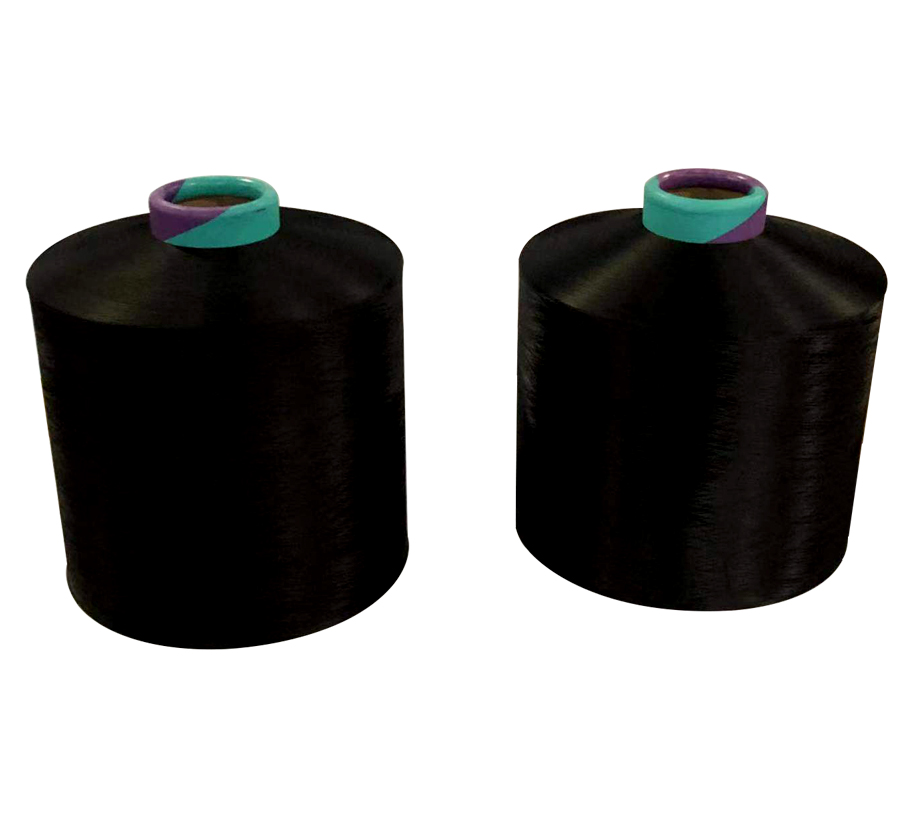
Moisture-Absorbent 100D/36F BLACK NIM Polyester Yarn Material: 99.99% Polyester ...
See Details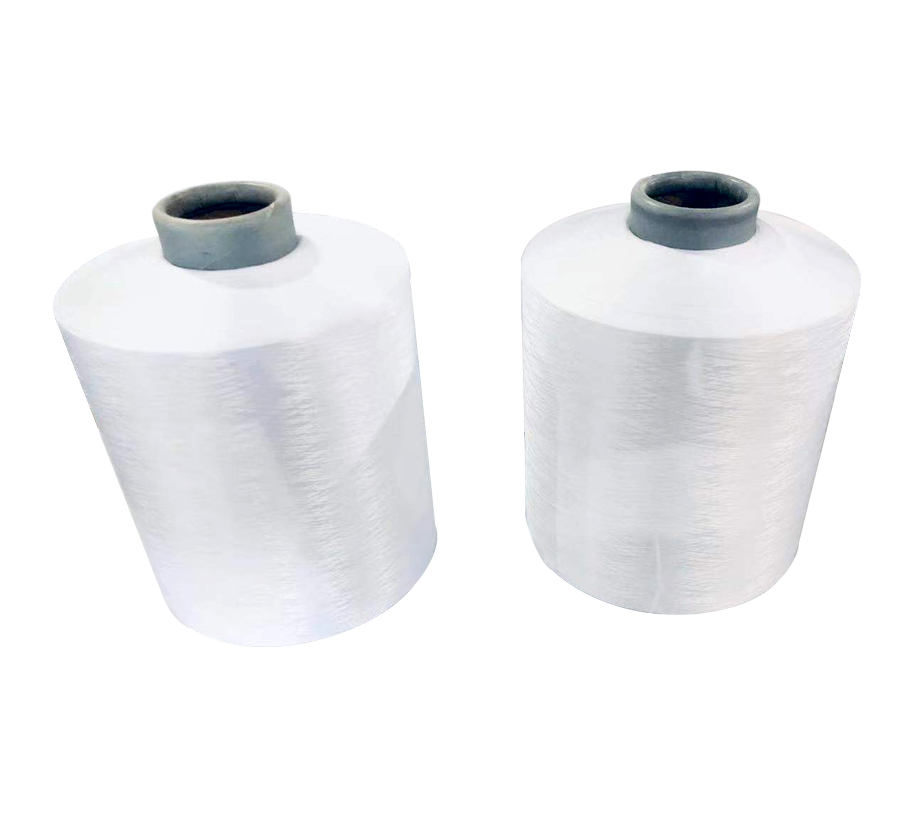
Anti-Bacteria 300D/96F S+Z HIGH ELASTIC Polyester Yarn Yarn Count: 300D/96F Colo...
See Details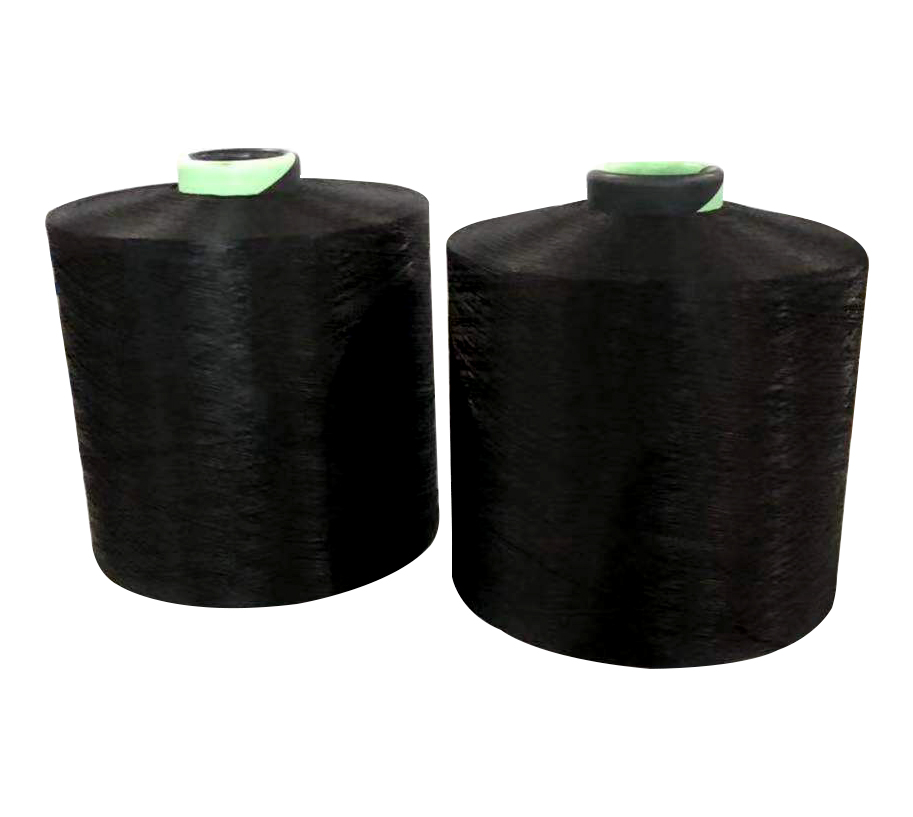
Product Name: DTY 600D/192F HIM Polyester Yarn Size: 600D/192F Twist: S+Z Color:...
See Details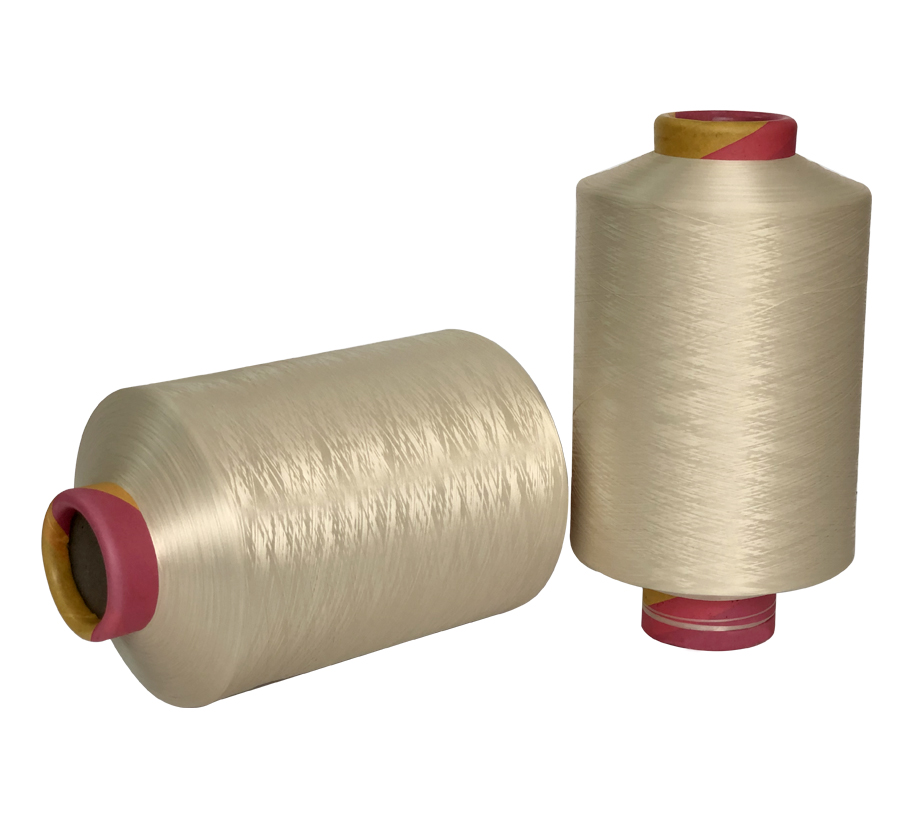
High Tenacity 300D Beige 99.99% Polyester Yarn for Circular/Seamless knitting Ma...
See Details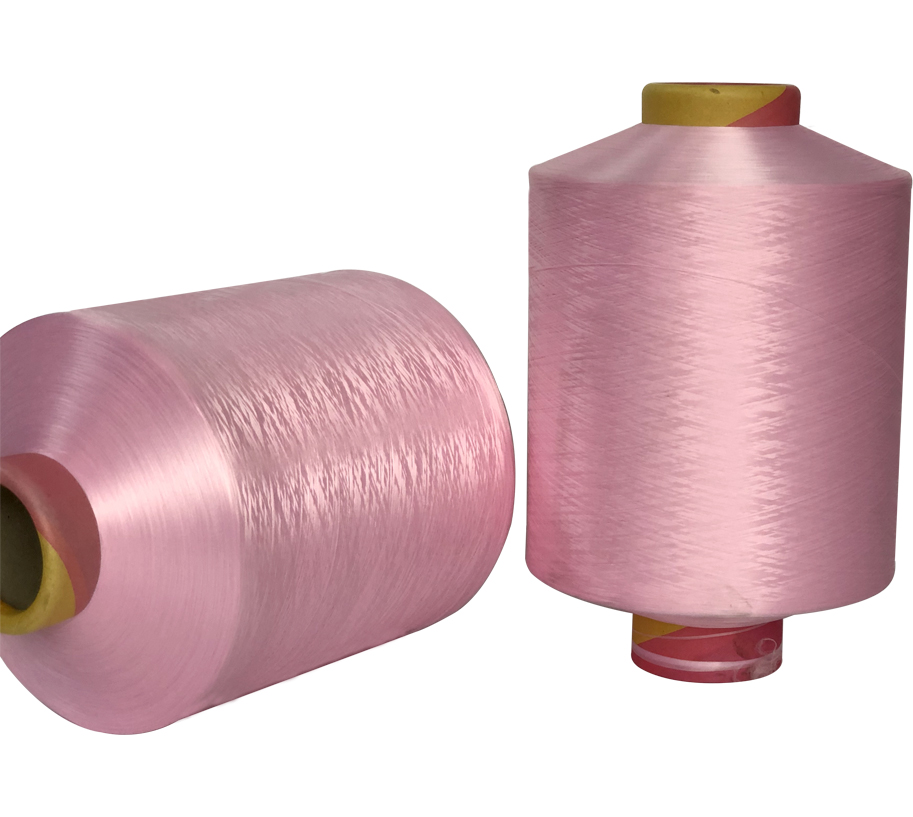
300D Pink High Elastic Polyester Yarn for Hand Knitting & SewingColor: Pink ...
See Details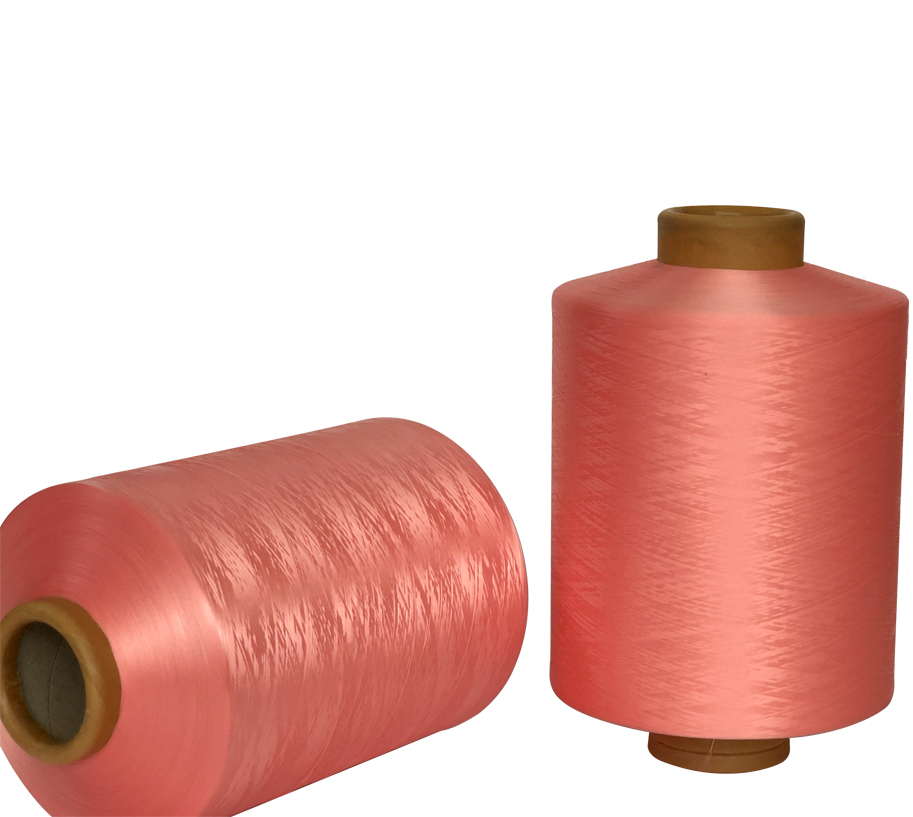
300D Watermelon Red 99.99% Polyester Yarn for Knitting Color: Watermelon Red Mat...
See DetailsCopyright © Hangzhou Dingkai Chemical Fibre Co., Ltd. All Rights Reserved.
Wholesale China Polyester DTY Yarns Factory