Call:+86-571-82912975
 https://www.dkyarn.com
 English
 中文简体
中文简体
Yellow Orange China 300D/96F Dty Polyester Yarn Eco-friendly Recycle Dty Yarn Fo...
See Details

A garment that loses its shape after ten washes was almost certainly built on the wrong stretch yarn. Yarn with spandex combines an elastane core with an outer fiber layer, and the ratio between the two determines whether a fabric snaps back into shape or slowly sags out of it. Choosing correctly means matching spandex percentage and fiber pairing to the exact stress the finished fabric will face.
Yarn with spandex is a composite yarn built by core-spinning, wrapping, or covering spandex filament together with fibers such as polyester, nylon, or cotton. The spandex core supplies elastic recovery; the outer fiber supplies strength, softness, dyeability, and surface appearance. Neither fiber alone could deliver both properties at once, which is why the two are always paired rather than substituted.
Specification order matters more than brand name when sourcing yarn with spandex for a production line.
Elastic recovery, not maximum stretch, is the number that predicts whether a garment still fits after a season of wear.
Yoga wear, running apparel, and cycling gear need repeated stretch recovery through intense movement.
Seamless garments rely on fine-denier spandex blends for close, comfortable fit.
Compression garments depend on controlled, consistent pressure across the fabric.
Jeans and dresses use lower spandex ratios for comfort without losing structure.
Most performance sportswear fabrics use a spandex content between 8 percent and 18 percent, depending on compression level required.
No. Recovery rate and fiber pairing matter more than raw percentage; a poorly spun high-ratio yarn can still lose shape quickly.
Yes, though dye uptake and temperature settings must be adjusted since spandex and the outer fiber absorb color differently.
Yes. Recycled polyester or nylon can be combined with spandex cores to produce lower-impact stretch yarn without sacrificing recovery performance.
 |
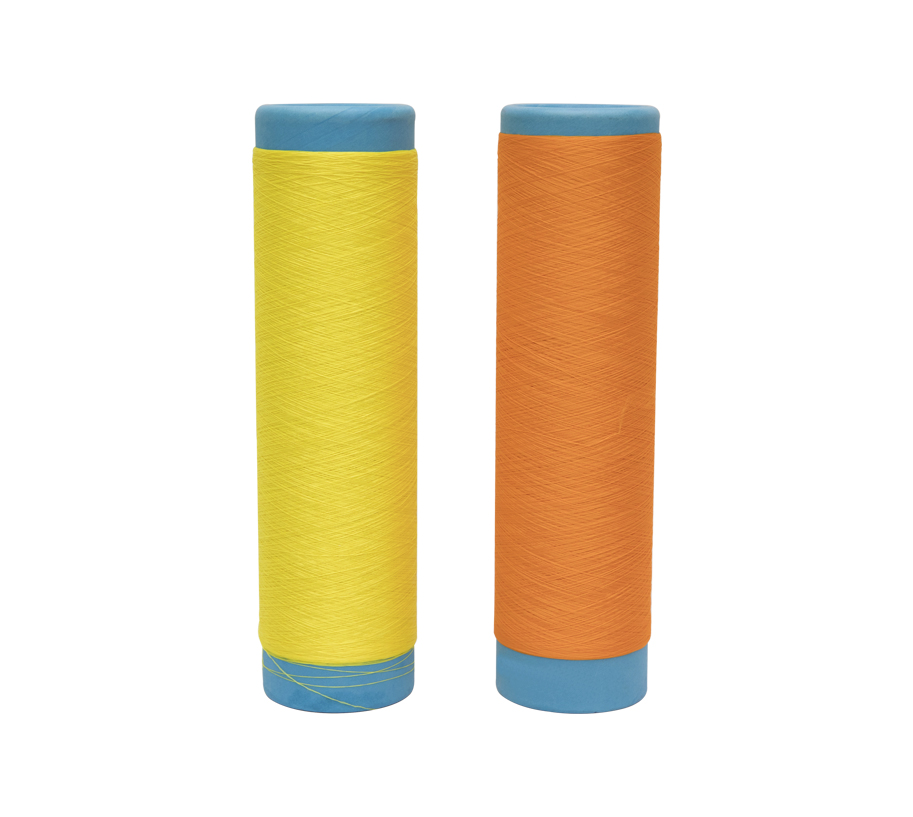
Yellow Orange China 300D/96F Dty Polyester Yarn Eco-friendly Recycle Dty Yarn Fo...
See Details
Recycled 150D48F RW HIM Polyester Yarn Type: Polyester Yarn Pattern: Raw Technic...
See Details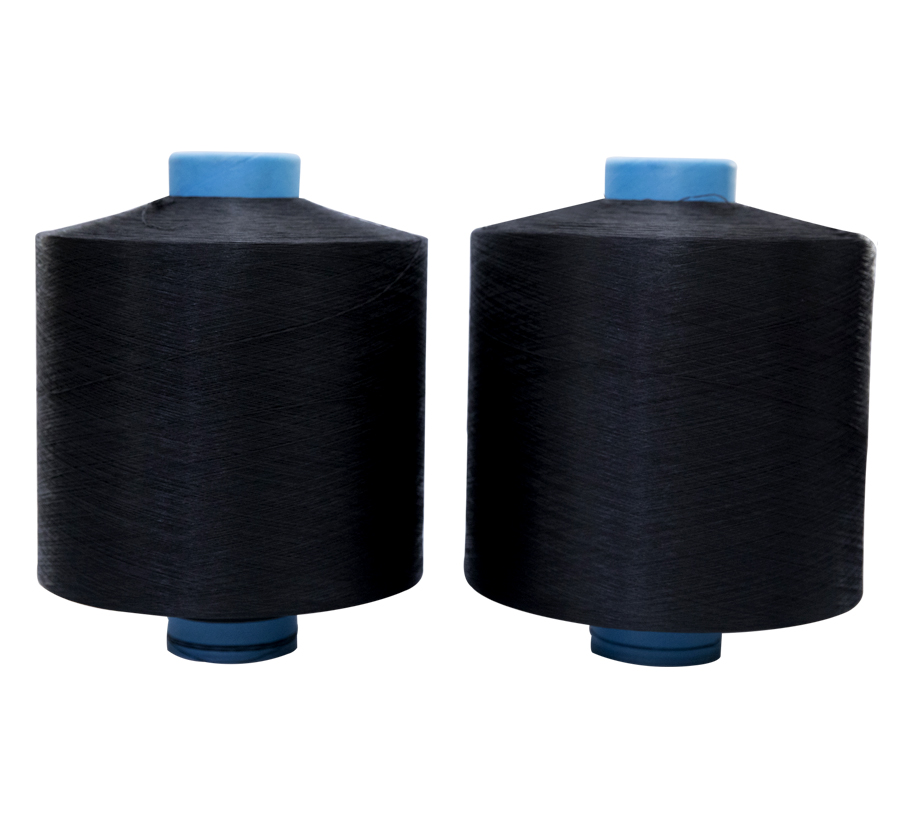
Yarn Type: Polyester High Elastic Yarn Size: 450D/192F Material: 99.99% Polyeste...
See Details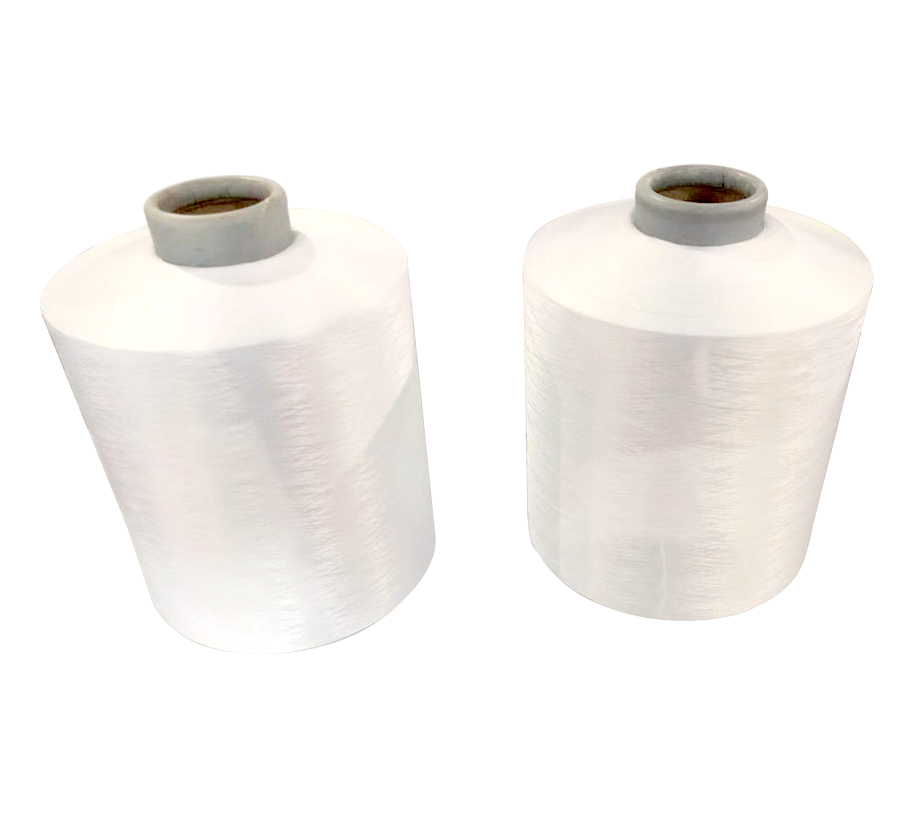
Sustainable 300D/96F RW NIM Polyester Sd Yarn Yarn Count: 300D/96F Color: white ...
See Details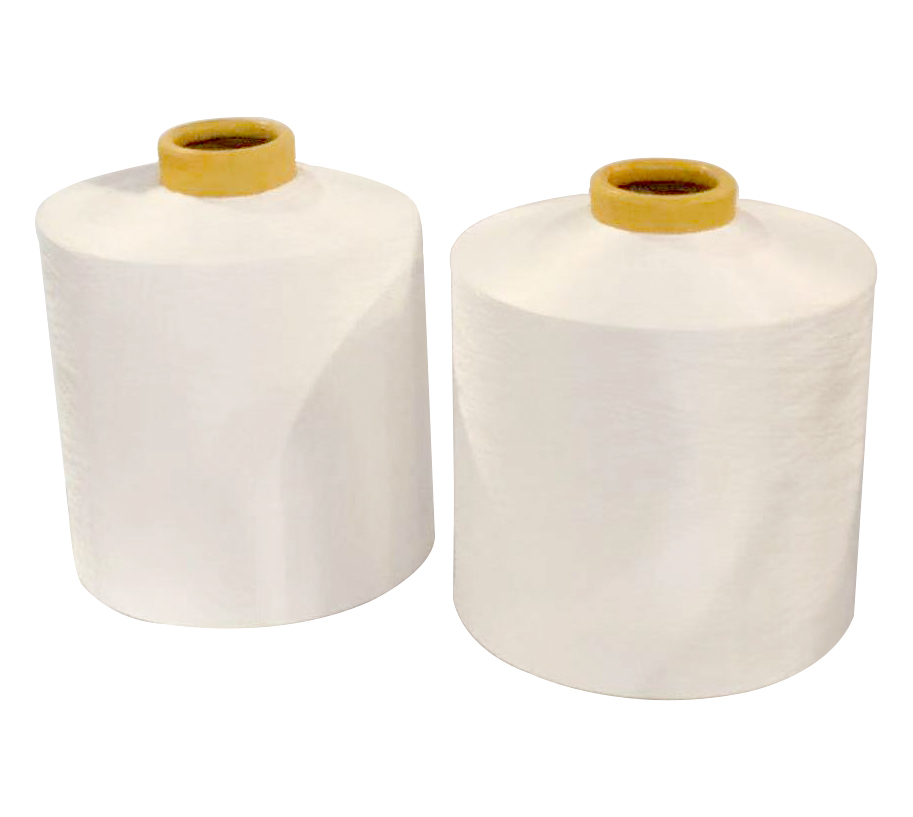
Yarn Type: High Intermingle Yarn Size: 450D/192F Twist: S+Z Color: White Pattern...
See Details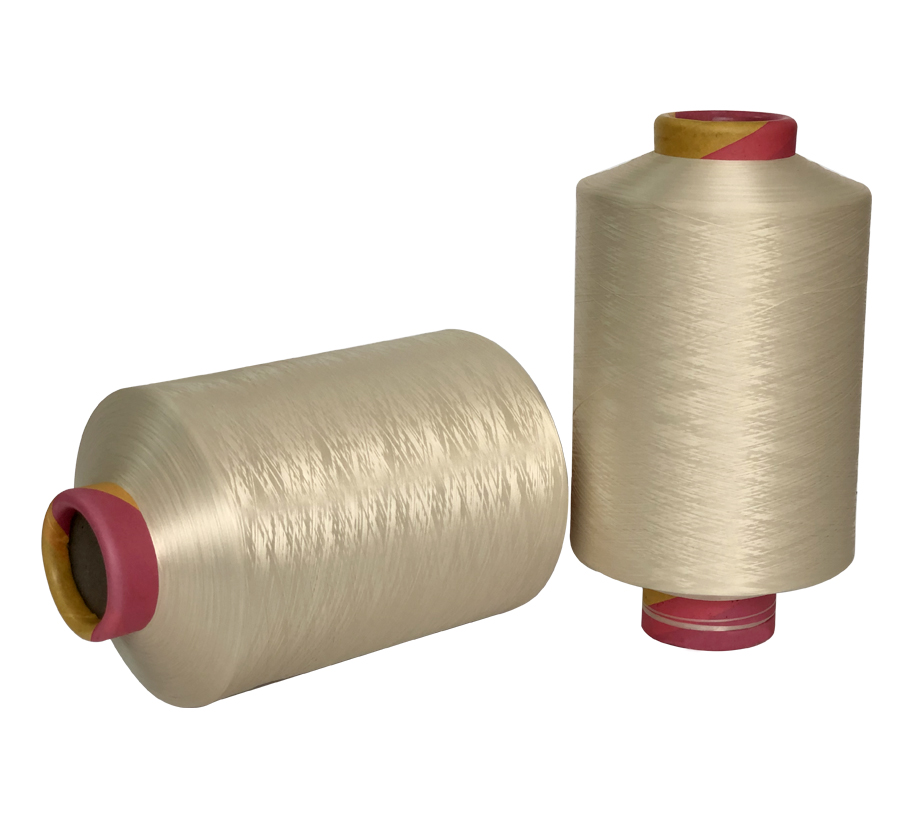
High Tenacity 300D Beige 99.99% Polyester Yarn for Circular/Seamless knitting Ma...
See Details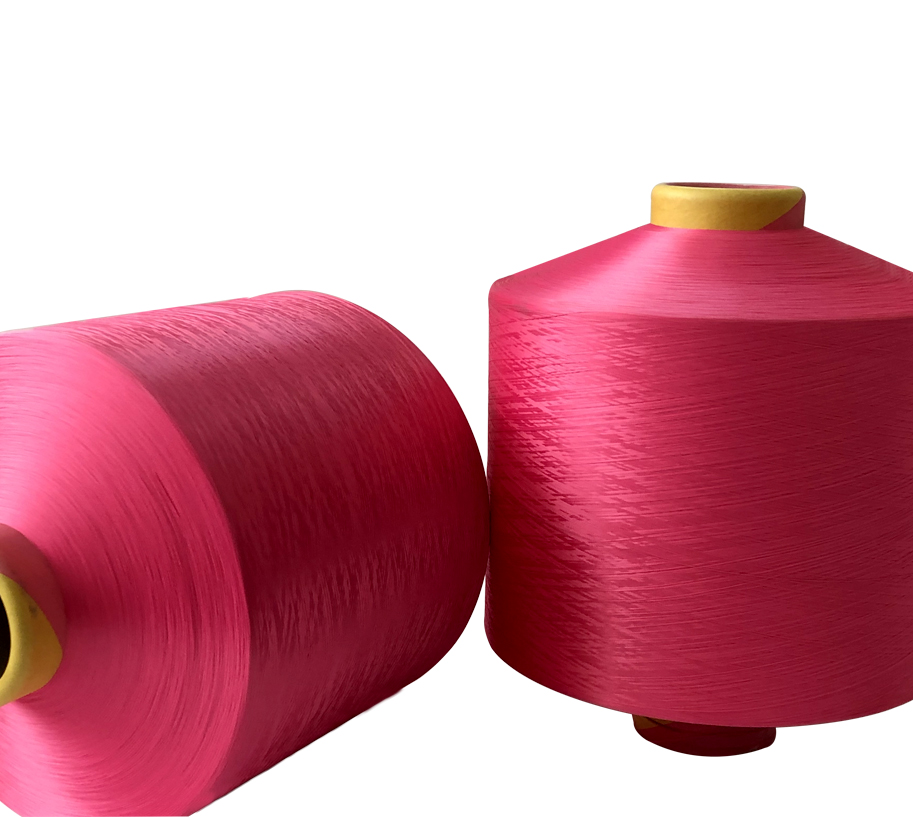
Durable 300D Rose Red 99.99% Polyester Yarn for Weaving & EmbroideryColor: R...
See DetailsCopyright © Hangzhou Dingkai Chemical Fibre Co., Ltd. All Rights Reserved.
Wholesale China Polyester DTY Yarns Factory