Call:+86-571-82912975
 https://www.dkyarn.com
 English
 中文简体
中文简体
Pink/Rose Red/Red China 150D/48F Dty Polyester Yarn High Strength AA Grade Textu...
See Details

Spandex yarn is an indispensable component in the contemporary textile industry, fundamentally transforming the way clothing fits and functions by providing exceptional elasticity and recovery that natural fibers simply cannot match. Without this synthetic fiber, the vast majority of modern comfort wear, athletic apparel, and form-fitting garments would not exist in their current state. Its ability to stretch significantly—often between 500% to 700% of its original length—and then return to its original shape without distortion makes it the backbone of comfort and performance fabrics. Unlike rubber, which was historically used for elasticity, spandex yarn is lighter, more durable, and can be spun into much finer filaments, allowing it to be blended seamlessly with other fibers to create fabrics that are both strong and soft against the skin.
To understand why spandex yarn performs so well, one must look at its chemical structure. Known generically as elastane, spandex is a segmented polyurethane synthetic fiber. It is composed of a long-chain polymer known as a polyether glycol or polyester glycol, which provides the soft, flexible, rubbery characteristics, combined with a short, rigid urethane segment. This unique structure creates a "block copolymer," where the rigid segments provide strength and anchor points, while the flexible segments allow for stretching. This molecular arrangement is what grants the material its remarkable snap-back properties.
The performance of spandex yarn is defined by several key characteristics that set it apart from other textile materials:
The quality and specific application of spandex yarn often depend on the manufacturing process used. There are several methods of production, but the most prevalent are dry spinning and melt spinning, each offering distinct advantages regarding cost, texture, and performance capability. Understanding these methods helps in selecting the right type of yarn for specific end-uses, whether it be high-end swimwear or durable compression garments.
This is the most common method for producing high-quality spandex yarn. In this process, the polymer solution is extruded through a spinneret into a heated chamber where a solvent is evaporated by hot gas. As the solvent evaporates, the solid fibers form. Dry-spun yarns generally have a smoother surface and better physical properties, including higher tenacity and elongation. This method allows for the production of finer deniers, making it ideal for lightweight applications like sheer hosiery and thin lingerie where a soft hand feel is paramount.
Melt spinning involves melting the polymer and extruding it through the spinneret, where it cools and solidifies. This method is generally more cost-effective and environmentally friendly because it does not require solvents. However, melt-spun spandex often has a slightly different hand feel and may not achieve the same level of elasticity as dry-spun varieties. It is frequently used in applications where extreme stretch is less critical but durability and cost-efficiency are prioritized, such as in bulkier athletic wear or upholstery fabrics.
The versatility of spandex yarn allows it to be utilized across a broad spectrum of sectors, but its impact is most profoundly felt in the apparel industry. It is rarely used alone; instead, it is almost always blended with other fibers such as cotton, polyester, or nylon to combine the best properties of each material. The percentage of spandex content usually varies from 2% to 30%, depending on the level of compression and stretch required.
In the realm of athletic performance, spandex is non-negotiable. Fabrics containing high percentages of this yarn provide the necessary compression to support muscle groups during physical activity, reducing fatigue and improving circulation. The moisture-wicking properties often associated with modern performance fabrics are enhanced by the stretch architecture provided by spandex, allowing garments to move in sync with the athlete rather than restricting motion. From competitive swimwear to running tights, the freedom of movement is a direct result of this fiber's inclusion.
The intimate apparel industry relies heavily on spandex to achieve the fit and support that consumers demand. In shapewear, the yarn provides the high-recovery tension needed to smooth and silhouette the body without causing discomfort. Furthermore, the ability to create ultra-fine deniers allows for the production of lightweight, breathable lingerie that maintains its shape after repeated washing and wearing. Without the recovery properties of spandex, undergarments would quickly bag out at the knees or elbows, leading to a poor fit and reduced garment lifespan.
Even in rigid fabrics like denim, the addition of a small amount of spandex—often just 2% to 4%—has revolutionized comfort. This addition allows "stretch denim" to contour to the body, providing a more customized fit and greater ease of movement compared to traditional 100% cotton denim. This innovation has extended the wearability of jeans for various body types and occasions, bridging the gap between rugged durability and modern comfort expectations.
The specific characteristics of the final fabric are largely determined by the ratio of spandex to other fibers. Designers and manufacturers carefully select these ratios to balance stretch, support, and breathability. Higher concentrations of spandex result in firmer compression and greater stretch, while lower concentrations offer subtle flexibility for added comfort without significant shaping effects.
| Garment Type | Typical Spandex Content | Primary Function |
|---|---|---|
| Jeans / Casual Trousers | 2% - 4% | Comfort and range of motion |
| T-Shirts / Knit Tops | 5% - 10% | Shape retention and fit |
| Compression Leggings | 15% - 25% | Muscle support and high elasticity |
| Swimwear / Competitive Gear | 25% - 40% | Maximium stretch and water fit |
While spandex yarn is incredibly durable, it is not invincible. Proper care is essential to maintain the elastic properties of garments over time. The primary enemies of spandex are high heat and chlorine, which can break down the polymer chains, leading to loss of elasticity and "bagging" of the fabric.
To prolong the life of spandex-blended garments, it is generally recommended to wash them in warm or cool water rather than hot water. Hot water can cause the fibers to relax and lose their shape. Additionally, avoiding the use of chlorine bleach is crucial, as it aggressively attacks the fiber structure. When it comes to drying, air drying is the preferred method. If a tumble dryer must be used, it should be set to a low heat or delicate setting. High heat in the dryer can melt or permanently deform the elastic fibers, rendering the garment unable to snap back to its original shape.
As the textile industry moves towards sustainability, the production of spandex yarn is also evolving. Traditional spandex is a synthetic material derived from non-renewable resources, and its production can involve solvent-heavy processes. However, manufacturers are increasingly developing bio-based spandex and utilizing more eco-friendly production techniques to reduce the environmental footprint. This includes the use of partially renewable raw materials, such as those derived from corn or castor oil, to replace portions of the petroleum-based polymers.
Furthermore, recycling technologies for blended fabrics are improving. One of the historical challenges with spandex is its difficulty in being separated from other fibers like cotton or polyester during the recycling process. Innovations in chemical recycling are beginning to address this, allowing for the recovery of valuable raw materials from old spandex-blended garments. These advancements ensure that the benefits of this incredible fiber can be enjoyed without compromising the environmental goals of the future fashion industry.
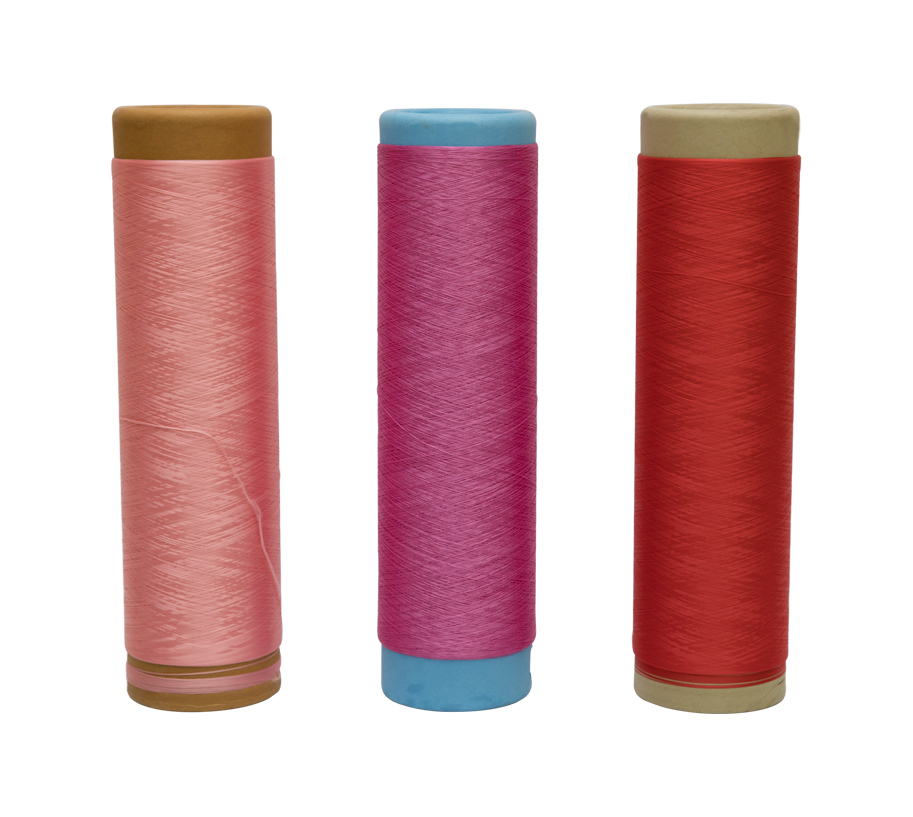
Pink/Rose Red/Red China 150D/48F Dty Polyester Yarn High Strength AA Grade Textu...
See Details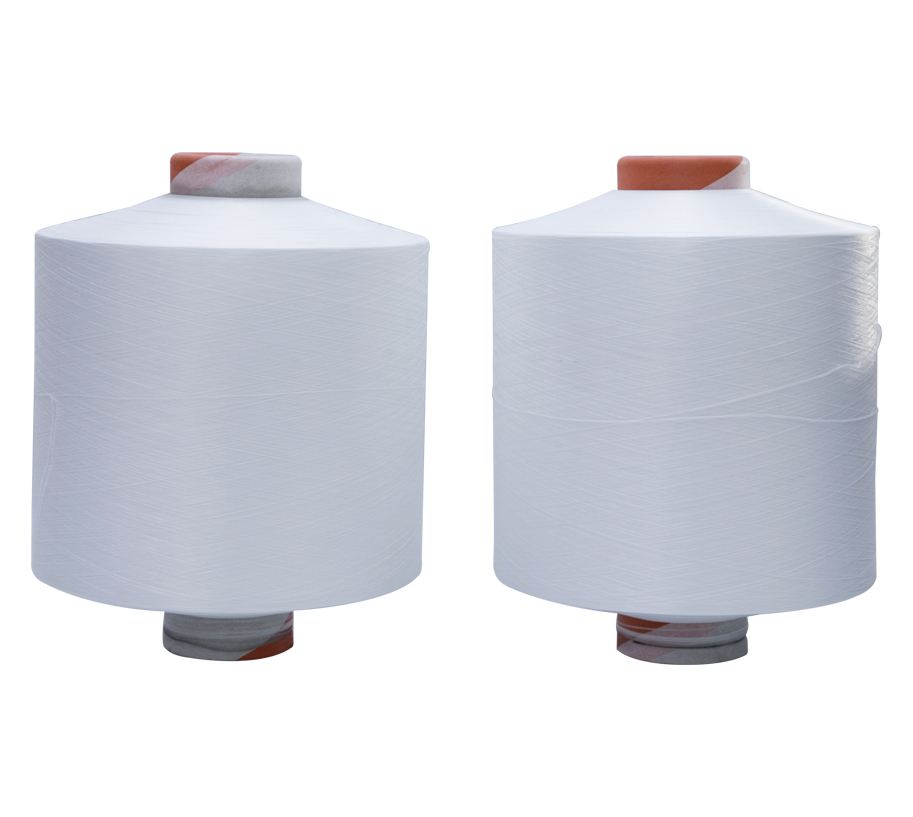
Recycled 150D48F RW HIM Polyester Yarn Type: Polyester Yarn Pattern: Raw Technic...
See Details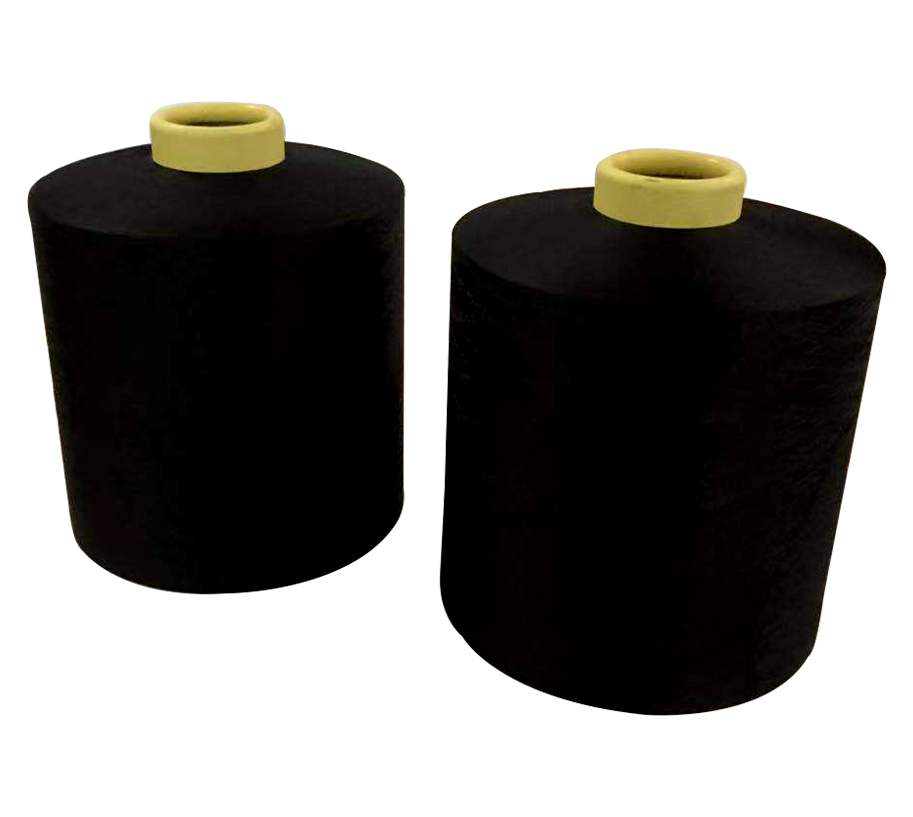
Product Name: DTY 150D/36F HIM Polyester Yarn Size: 150D/36F Twist: S+Z Pattern:...
See Details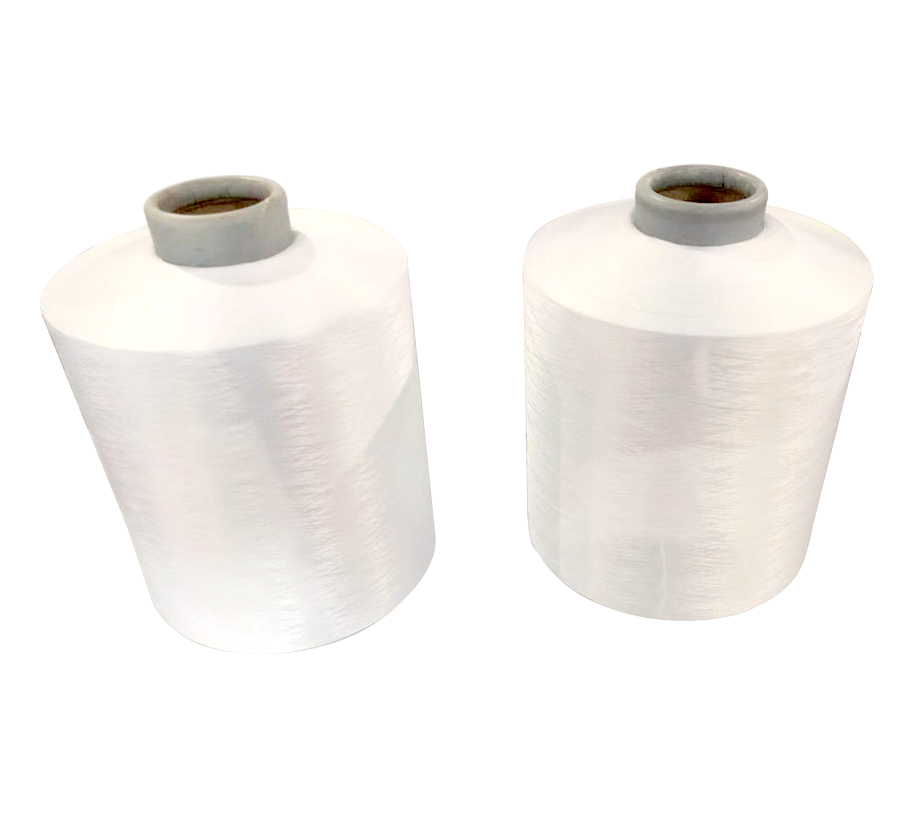
Sustainable 300D/96F RW NIM Polyester Sd Yarn Yarn Count: 300D/96F Color: white ...
See Details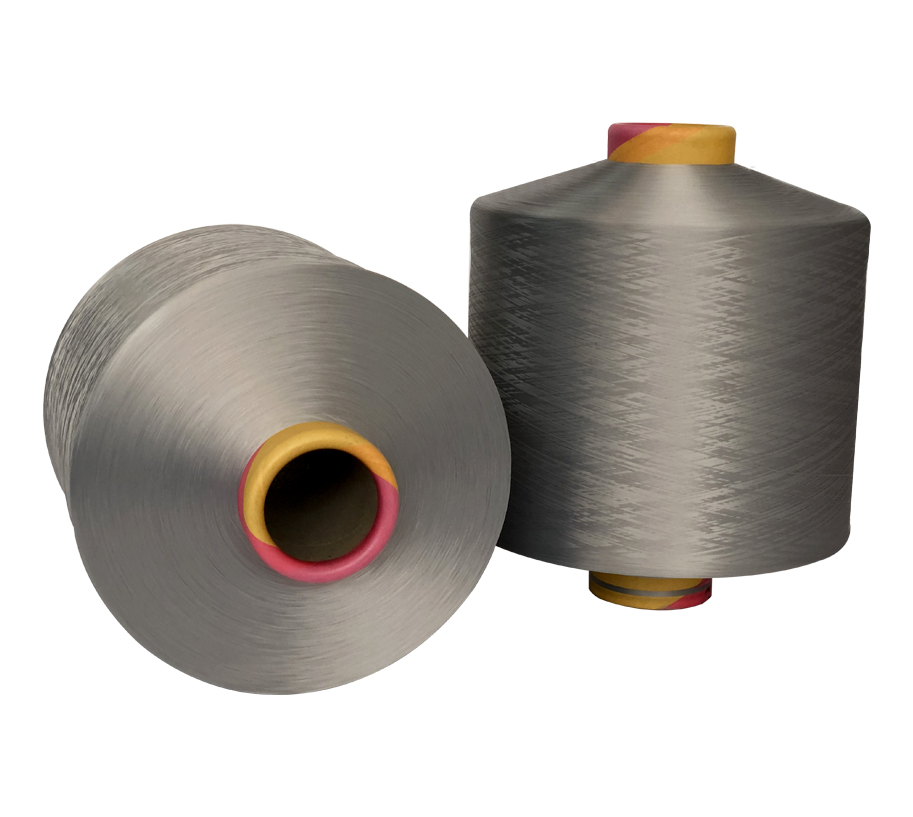
New Style 300d Gray 99.99% Polyester Yarn Eco-friendly OEM DTY Polyester Yarn St...
See Details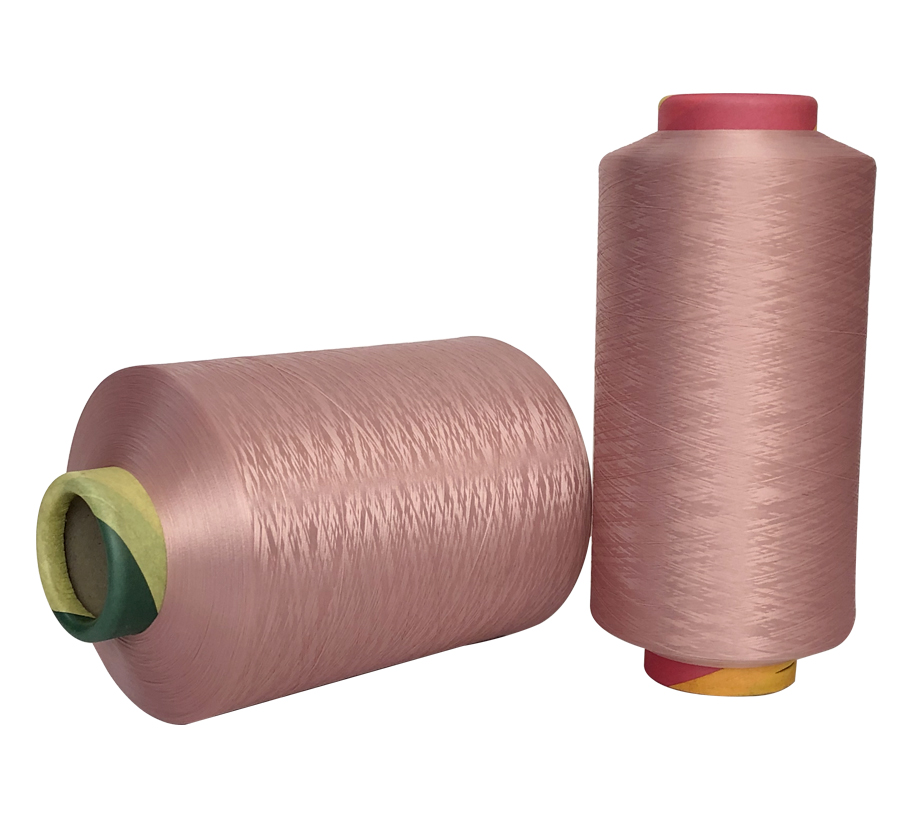
300D Rubber Red 99.99% Polyester Yarn for Knitting & Weaving Color: Rubber R...
See Details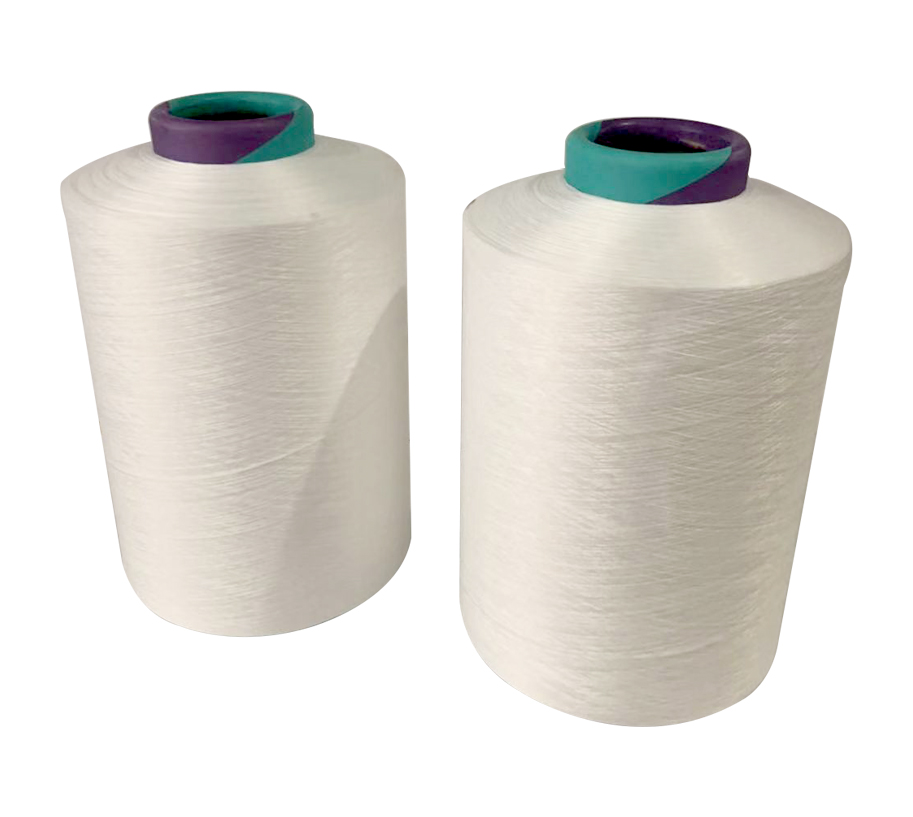
High Tenacity 250D/96F RW NIM Polyester Yarn Yarn Count: 250D/96F Material: 99.9...
See DetailsCopyright © Hangzhou Dingkai Chemical Fibre Co., Ltd. All Rights Reserved.
Wholesale China Polyester DTY Yarns Factory