 Call:+86-571-82912975
 https://www.dkyarn.com
 English
 中文简体
中文简体
Pink/Rose Red/Red China 150D/48F Dty Polyester Yarn High Strength AA Grade Textu...
See Details

Draw Textured Yarn (DTY) represents a pivotal advancement in synthetic fiber technology, offering an optimal balance of aesthetic appeal and mechanical performance. Unlike partially oriented yarn (POY) or fully drawn yarn (FDY), DTY undergoes a specialized texturizing process that imparts crimp, bulk, and high stretch recovery. This treatment converts smooth filament bundles into yarns that possess properties remarkably similar to natural fibers, such as wool or cotton, while retaining the inherent strength, durability, and chemical resistance of polyester or nylon polymers. Consequently, DTY is the preferred material for high-performance apparel, home furnishings, and technical industrial textiles. It is indispensable in any sector requiring fabrics that combine elasticity with long-term resilience. Understanding the engineering behind DTY allows manufacturers to select the right yarn specifications to enhance fabric hand feel, dyeing uniformity, and overall garment durability.
To fully appreciate the utility of Draw Textured Yarn, one must understand its place in the synthetic fiber production chain. DTY is typically produced from Polyester or Nylon chips. The manufacturing process begins with the melting of polymer chips, which are then extruded through spinnerets to form filaments. In its immediate state, this is known as Partially Oriented Yarn (POY). POY has low strength and high elongation, making it unstable for direct use in weaving or knitting. To transform POY into DTY, the yarn undergoes a two-step process involving drawing and texturing.
The draw texturizing process involves simultaneously stretching the POY to align the polymer molecules (increasing tenacity) and introducing a crimp or curl to the filaments. This is usually achieved using a friction disk or a pin-type texturing machine within a heated chamber. The application of heat and mechanical stress sets the deformation into the fiber structure. The result is a yarn that is not only strong but also bulky and elastic. This structural transformation is what distinguishes DTY from other filament yarns, providing it with a distinct "hand" or tactile quality that is highly sought after in the textile market.
The popularity of DTY stems from its unique set of mechanical properties, which can be engineered during the production phase to suit specific end-use requirements. These properties ensure that fabrics made from DTY maintain their shape and appearance over extended periods of use.
During the drawing process, the polymer chains are oriented along the fiber axis. This orientation significantly increases the tensile strength of the yarn, making it capable of withstanding high stress without breaking. Furthermore, synthetic polymers like polyester are inherently resistant to abrasion. Fabrics woven or knitted from DTY exhibit superior resistance to wear and friction, making them ideal for high-usage applications such as sportswear, outdoor furniture, and luggage.
The texturizing process introduces a helical crimp to the filaments. When tension is applied, this crimp straightens out, allowing the yarn to extend. Upon release of the tension, the crimp reverts to its original state, providing excellent elastic recovery. This property is crucial for comfort clothing, as it allows the garment to move with the wearer and return to its original shape, preventing bagging or sagging after prolonged use.
DTY has a much higher volume per unit weight compared to flat yarns like FDY. This bulkiness translates to a better cover factor, meaning fewer yarns are required to cover a given area of fabric. This not only improves the aesthetic fullness of the fabric but also contributes to insulation properties, as the trapped air within the bulky structure provides thermal warmth.
While standard polyester is hydrophobic, the capillary action created by the textured structure of DTY can be engineered to facilitate moisture wicking. This draws perspiration away from the skin to the outer surface of the fabric where it can evaporate. This performance characteristic is vital for active wear and performance textiles.
Not all DTY is created equal; the specifications can be altered to create different visual and tactile effects. Understanding these variations is key for textile engineers and designers when selecting materials for specific collections.
The versatility of DTY allows it to permeate every segment of the textile market. Its adaptability means it can be used in delicate sheer fabrics as well as heavy-duty industrial coverings.
In the fashion industry, DTY is ubiquitous. It is the primary component in stretch fabrics used for leggings, swimwear, and active wear. The combination of stretch and recovery ensures that these garments fit snugly without restricting movement. Additionally, DTY is widely used in woven fabrics for shirts, trousers, and blouses. The bulk and texture of the yarn provide a natural drape and a soft, cotton-like feel, which is essential for everyday comfort. High-twist DTY is also utilized in suiting fabrics to provide a crisp, structured hand while maintaining breathability.
The home textile sector relies heavily on DTY for upholstery, curtains, and bed linens. The yarn's abrasion resistance and tensile strength are critical for upholstery fabrics that must withstand constant friction and weight. Furthermore, DTY holds dye exceptionally well, allowing for vibrant, long-lasting colors that resist fading from sunlight exposure—a crucial property for curtains and draperies. The bulkiness of the yarn also contributes to the "fullness" of the fabric, giving furniture a plush, expensive appearance.
Beyond consumer goods, DTY plays a vital role in technical applications. Its high strength-to-weight ratio makes it suitable for manufacturing seat belts, safety nets, and geotextiles used in soil stabilization. In the automotive industry, DTY fabrics are used for car seat covers and interior trims due to their durability and ease of maintenance. The chemical resistance of the polymer also ensures that these industrial fabrics can withstand harsh environmental conditions without degrading.
To make informed decisions, it is helpful to contrast Draw Textured Yarn with its primary counterparts: Partially Oriented Yarn (POY) and Fully Drawn Yarn (FDY). While they may share the same raw chemical composition, their physical structures and applications differ significantly.
| Attribute | DTY (Draw Textured Yarn) | POY (Partially Oriented Yarn) | FDY (Fully Drawn Yarn) |
|---|---|---|---|
| Production Stage | Final stage (Textured) | Intermediate stage | Final stage (Flat) |
| Texture & Appearance | Crimped, Bulky, Wool-like | Smooth, Low orientation | Smooth, Flat, Bright |
| Elongation | Moderate to High (Stretchable) | Very High (Unstable) | Low (Stable) |
| Tenacity (Strength) | High | Low | Very High |
| Primary Application | Apparel, Upholstery, Sewing Thread | Feed for DTY/FDY production | Weaving, warp yarns, linings |
One of the significant advantages of DTY is its affinity for dyeing and finishing processes. The texturizing process creates microscopic pores and increases the surface area of the filaments. This structural change allows dye molecules to penetrate the fiber more efficiently compared to flat yarns. As a result, DTY fabrics exhibit excellent color depth and uniformity.
Furthermore, DTY is highly receptive to various finishing treatments. For example, "wicking" finishes can be applied to enhance moisture transport for sportswear, while "anti-pilling" finishes can be used to prevent the formation of fuzz balls on the fabric surface during washing. The yarn's elasticity also allows for heat setting, a process where the fabric is treated with steam at high temperatures to stabilize its dimensions and prevent shrinkage in future washes. This dimensional stability is a critical quality parameter for garment manufacturers.
As the textile industry faces increasing pressure to adopt sustainable practices, the production of DTY is also evolving. Traditionally, DTY has been produced from virgin polyester, which is derived from petroleum. However, there is a growing shift towards Recycled Polyester (rPET) DTY. This yarn is made from recycled plastic bottles, reducing dependency on fossil fuels and minimizing plastic waste. The physical properties of rPET DTY are comparable to virgin DTY, making it a viable eco-friendly alternative.
Future trends in DTY technology focus on bio-based polymers and biodegradable synthetic fibers. Researchers are developing texturing techniques suitable for PLA (Polylactic Acid) fibers, which are derived from renewable resources like corn starch. Additionally, advancements in texturing machinery aim to reduce energy consumption during production, thereby lowering the carbon footprint of the yarn. As consumer demand for sustainable yet high-performance textiles grows, the innovation cycle for DTY will continue to accelerate, solidifying its position as a cornerstone of modern textile engineering.
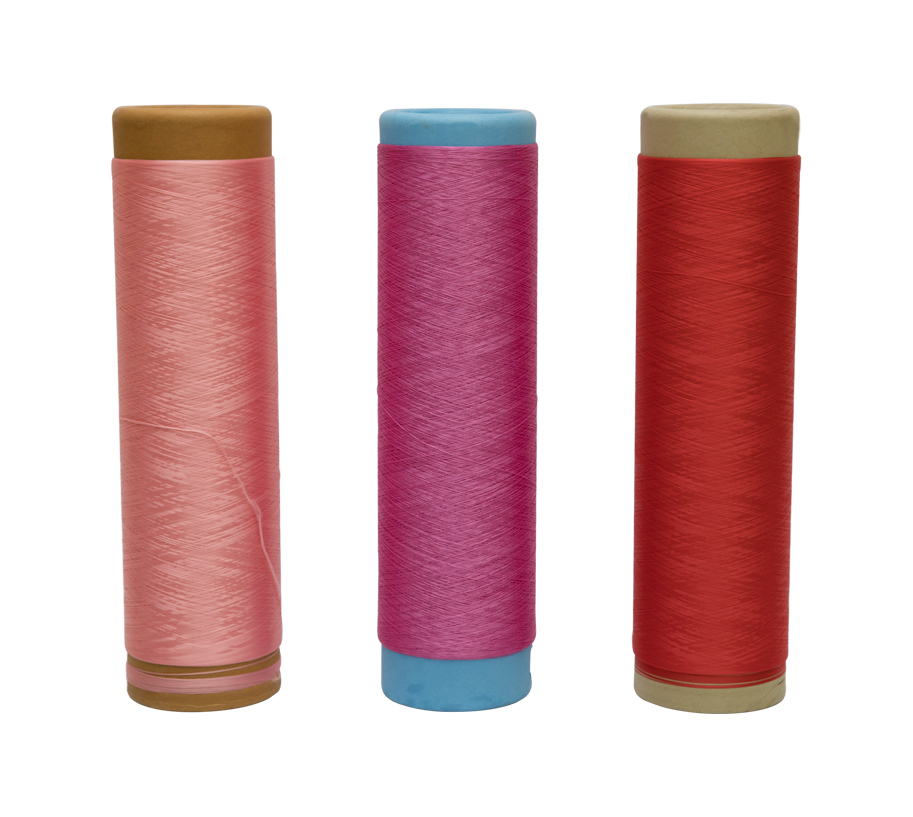
Pink/Rose Red/Red China 150D/48F Dty Polyester Yarn High Strength AA Grade Textu...
See Details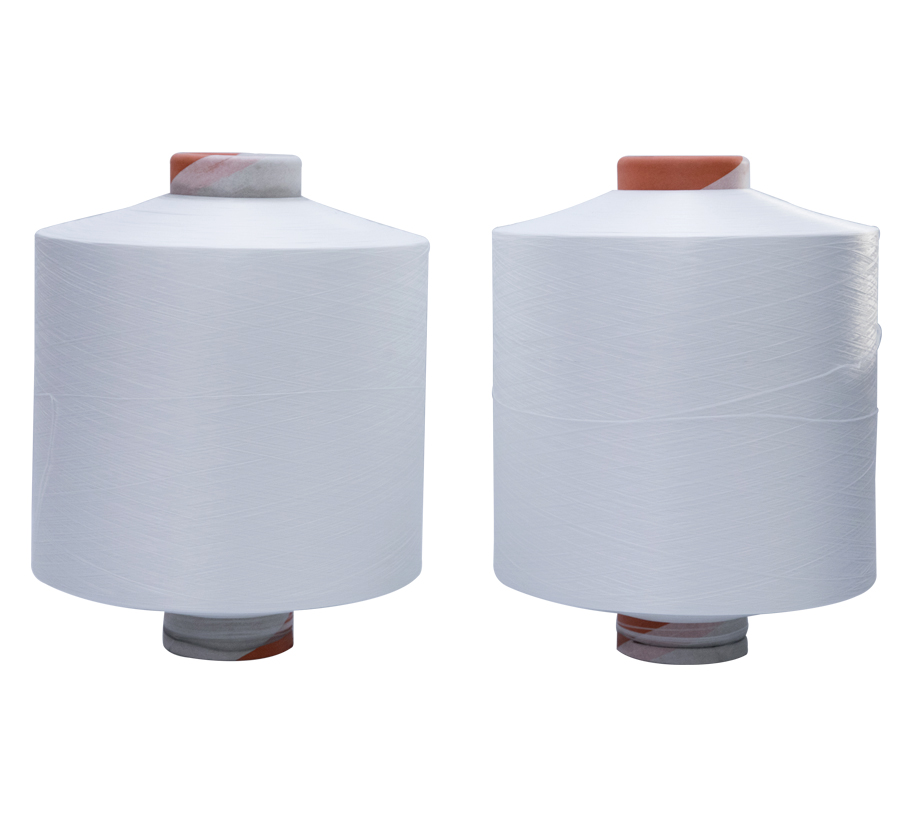
Functional White High elastic polyester yarn Eco-friendly high stretch Yarn for ...
See Details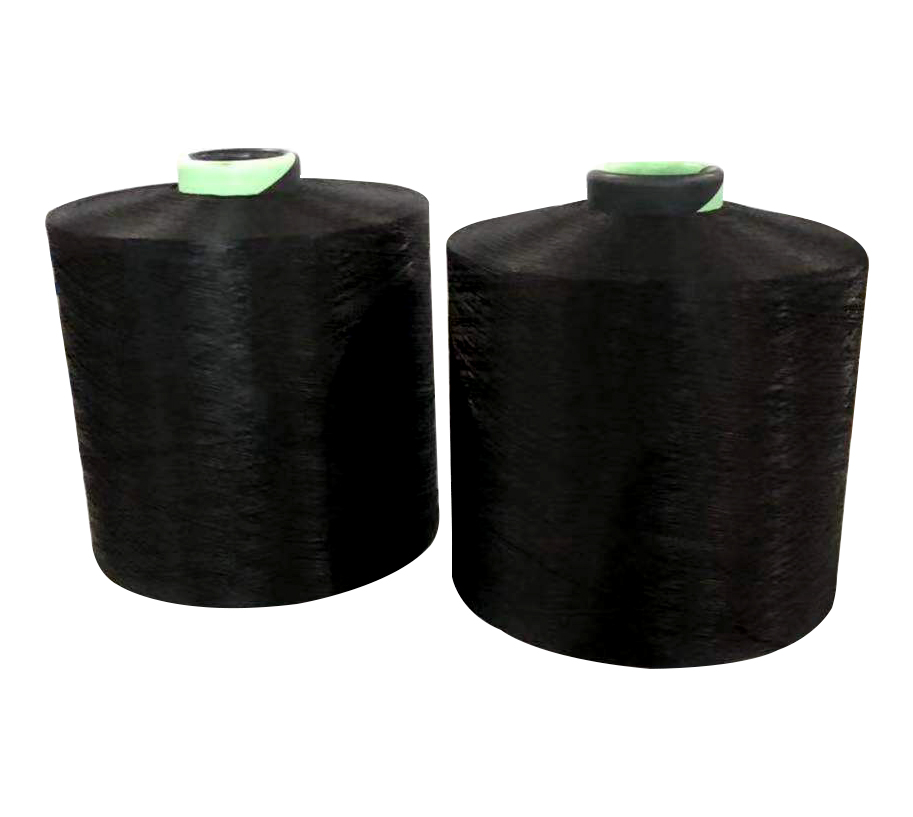
Product Name: DTY 600D/192F HIM Polyester Yarn Size: 600D/192F Twist: S+Z Color:...
See Details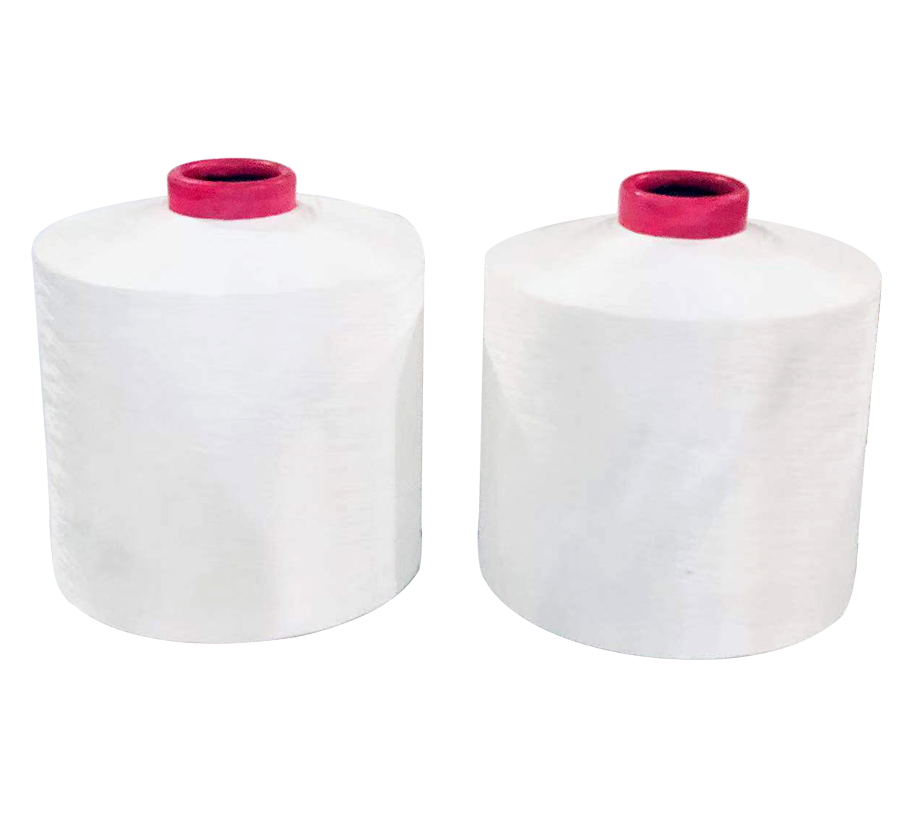
Yarn Count: 600D/192F SD RW HIM Draw Texturing Yarn Size: 600D/192F Twist: S+Z C...
See Details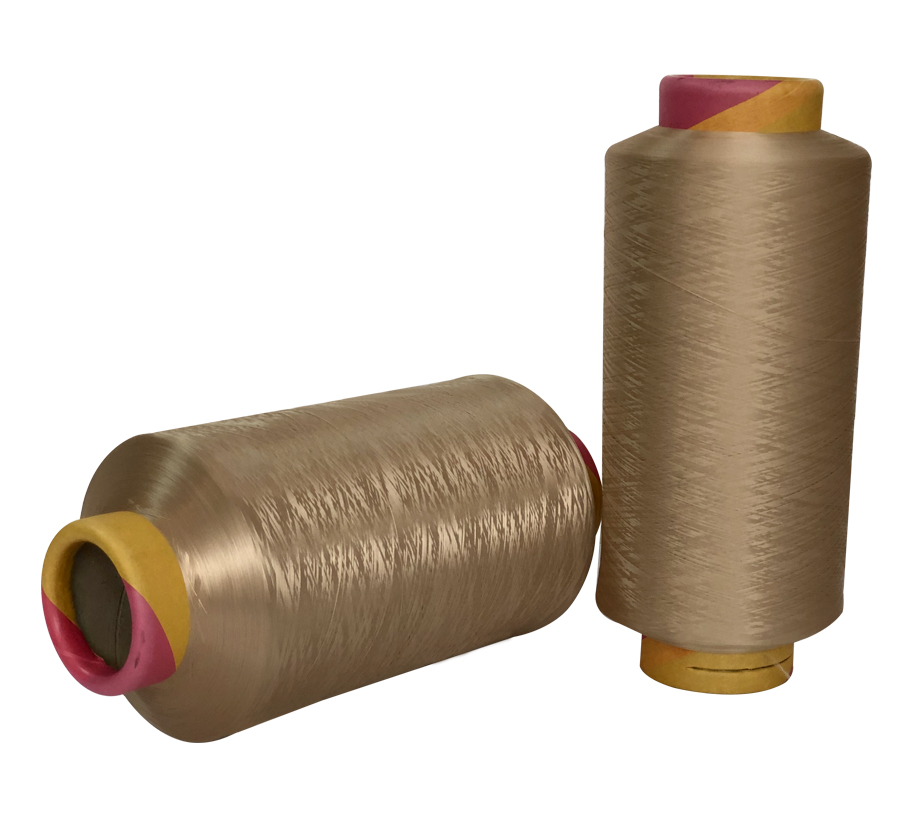
High Temperature-Resistant 300D Brown 99.99% Polyester Yarn for Hand Knitting an...
See Details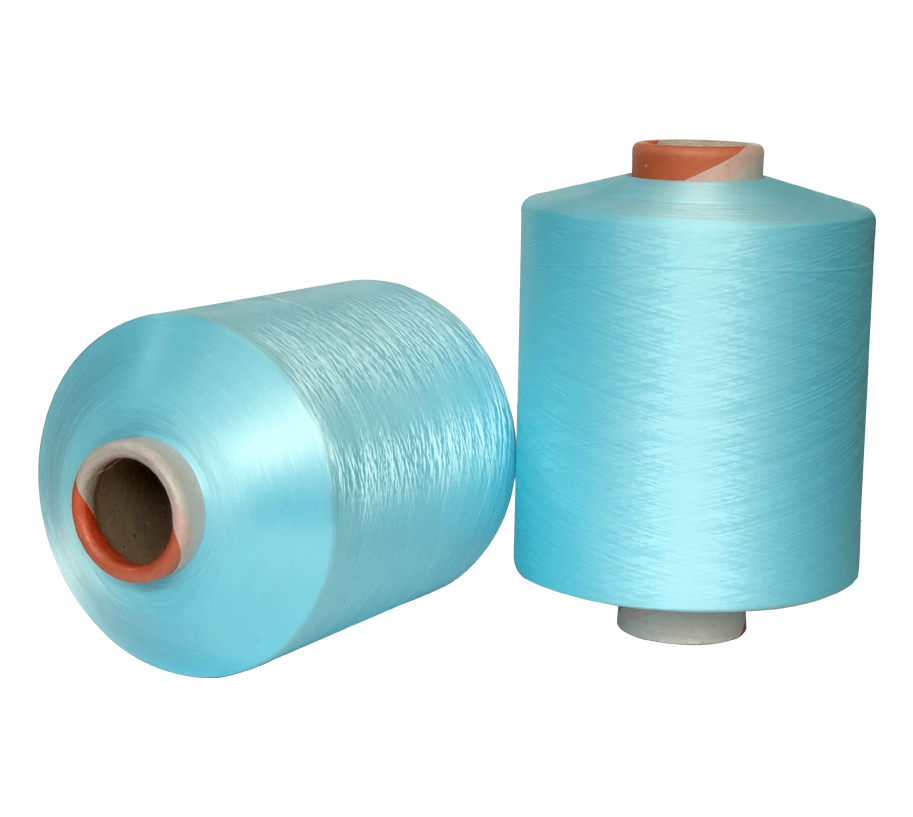
High Elastic 300D Magnolia Blue 99.99% Polyester Yarn for Weaving and KnittingCo...
See Details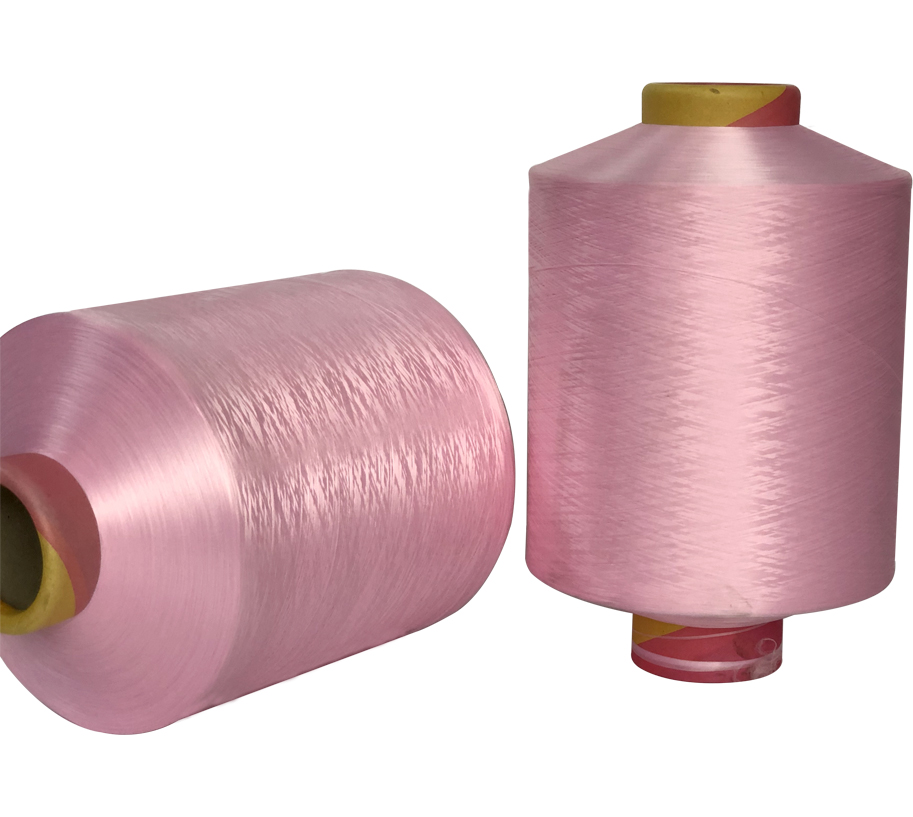
300D Pink High Elastic Polyester Yarn for Hand Knitting & SewingColor: Pink ...
See Details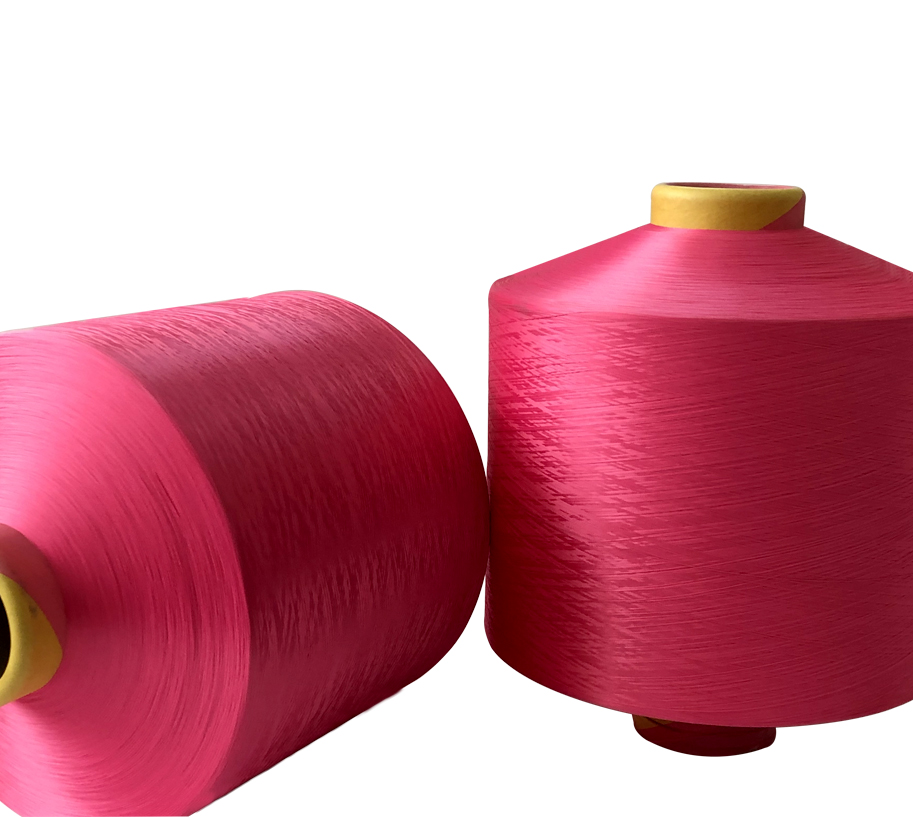
Durable 300D Rose Red 99.99% Polyester Yarn for Weaving & EmbroideryColor: R...
See DetailsCopyright © Hangzhou Dingkai Chemical Fibre Co., Ltd. All Rights Reserved.
Wholesale China Polyester DTY Yarns Factory
