 Call:+86-571-82912975
 https://www.dkyarn.com
 English
 中文简体
中文简体
Pink/Rose Red/Red China 150D/48F Dty Polyester Yarn High Strength AA Grade Textu...
See Details

Draw texturing yarn is a mainstream modified filament textile material processed through stretching and texturing integrated technology, which combines the soft touch of short fiber yarn and the high strength characteristics of long filament. This type of yarn owns excellent elasticity, bulkiness and air permeability, and can adapt to diversified weaving and knitting production demands. It occupies an indispensable position in daily clothing, home textiles and industrial fabric fields, and its market application scale keeps steady expansion with the upgrading of textile processing technology.
Draw texturing yarn refers to the finished yarn obtained by carrying out stretching treatment on original filament first, then implementing crimping and texturing shaping under specific temperature and mechanical force. The internal fiber structure of the yarn changes obviously after processing, the straight fiber arrangement turns into irregular curled state, fundamentally improving the single performance defect of original smooth filament. Different from ordinary textured yarn, draw texturing yarn completes stretching and texturing procedures on one set of continuous production equipment, simplifying processing flow and stabilizing yarn quality uniformity.
High-quality original filament is selected as the basic raw material, raw materials need to pass surface inspection and tension test to eliminate defective filaments with uneven thickness, broken wires and surface impurities. Raw material storage environment maintains constant temperature and dry state, avoiding fiber damp deformation which affects subsequent processing effect. Qualified original filaments are arranged neatly on the yarn rack to prepare for continuous feeding work.
The raw filament is conveyed into the stretching area through traction equipment, appropriate stretching ratio is set according to target yarn specifications, fiber molecular chain stretches and rearranges under mechanical traction force to enhance yarn tensile resistance. After stretching, the yarn enters the texturing box, thermal setting and mechanical crimping act simultaneously, regular curled structures form inside the yarn body. Reasonable temperature control is the key to stable crimp shaping, improper temperature will lead to loose crimp or brittle fiber.
The textured yarn passes through cooling area to fix internal curled structure, reducing elastic retraction amplitude in later use. Then surface tension adjustment and fuzzy trimming are carried out to make yarn surface smooth and uniform. Finally finished yarn is wound into standard yarn rolls, finished products will be sampled and tested for basic indexes before leaving production lines.
| Processing Link | Core Control Factor | Influence On Yarn Performance |
|---|---|---|
| Stretching Process | Stretching Multiple | Determine yarn strength and fineness |
| Texturing Process | Heating Temperature | Decide crimp degree and elasticity |
| Cooling Shaping | Cooling Speed | Affect structural stability |
Thanks to internal dense curled structure, draw texturing yarn can quickly rebound to original state after being stretched and squeezed. Fabrics woven from this yarn will not produce permanent wrinkles after frequent wearing and folding, maintaining neat appearance for a long time. Elastic performance fits snug wearing demands of casual clothes, sportswear and tight fitting garments, bringing comfortable wrapping experience.
Numerous tiny gaps form between curled fibers inside the yarn, these air isolation layers effectively block heat loss. Compared with ordinary smooth filament yarn, the warm keeping effect of draw texturing yarn fabric gets obvious promotion. Meanwhile good bulkiness makes fabric fluffy and soft, avoiding stiff and hard touching feeling of pure filament products, greatly improving wearing comfort level.
The fiber molecular structure becomes tighter after stretching treatment, the integral wear resistance and tensile bearing capacity of yarn are enhanced effectively. In daily washing and long-term use, the fabric is not easy to wear and pill, and the overall size rarely shrinks or stretches out of shape. Practical detection shows that qualified draw texturing yarn fabric can keep stable shape after dozens of conventional washing cycles, meeting long service life requirements of textiles.
Interlaced curled gaps inside yarn facilitate air circulation inside fabric, effectively discharge sweat and hot gas generated by human body. Moderate hygroscopic property absorbs surface sweat rapidly and disperses moisture outward, preventing damp and sticky wearing feeling. Such performance makes the yarn suitable for making summer breathable clothes and daily close-fitting textiles.
This yarn is widely used to produce various daily wearing garments. Sportswear relies on its elasticity and wear resistance to adapt to body movement changes; casual sweaters and hoodies utilize fluffy hand feeling to promote wearing comfort; leggings and elastic underclothes take advantage of elastic fitting feature to create comfortable close-fitting effect. In addition, it is also applied to decorative parts of coats and lining fabrics, enriching garment texture and practical performance.
Home textile products have high demands on softness, warm retention and washability, which perfectly match the performance characteristics of draw texturing yarn. Knitted blankets, sofa covers, bed sheets and pillow cases all adopt this yarn as raw material in large quantities. The finished home textiles are soft to touch, not easy to deform after cleaning, and have good anti-fouling and air permeable effects, creating comfortable indoor living dressing atmosphere.
In industrial production scenario, draw texturing yarn is made into protective fabrics, binding belts and filter auxiliary materials. Its high strength and anti-tearing property satisfy the use intensity requirements of industrial fabrics; stable chemical property adapts to complex use environment. Meanwhile it can be processed into car interior fabrics, possessing wear resistance and anti-fading ability to cope with frequent friction in vehicle use process.
It is advised to choose mild neutral detergent for cleaning, avoid using strong alkaline cleaning products which will damage fiber curled structure. Control water temperature within normal room temperature range, overheating water will cause yarn shrinkage and elasticity decline. Gentle washing mode is preferred, excessive rubbing and powerful stirring are forbidden to prevent fabric pilling and loose texture.
Natural ventilation drying is the optimal choice, long-time exposure under strong sunlight will lead to fiber aging and fabric fading. If ironing treatment is needed, set medium and low temperature gear, place isolation cloth between iron and fabric surface, avoid high temperature direct pressing destroying yarn internal structure and original fluffy hand feeling.
Fully dry fabrics before storage to prevent mildew and peculiar smell growth in damp environment. Fold and place reasonably, do not bear long-term heavy pressure, so as to avoid permanent flattening of fluffy curled structure. Keep storage space dry and ventilated, regularly take out fabrics for ventilation maintenance to extend service life.
With the continuous progress of textile production technology, draw texturing yarn will develop towards high functionality and environmental protection direction. More environmentally friendly raw materials and low-energy processing techniques will be popularized, reducing production resource consumption and environmental impact. Functional modified yarn with anti-static, anti-bacterial and ultraviolet resistant properties will keep emerging, expanding product application boundaries. At the same time, combined with personalized textile design demands, diversified color and texture draw texturing yarn products will enrich market supply, maintaining steady development momentum in the whole textile raw material industry.
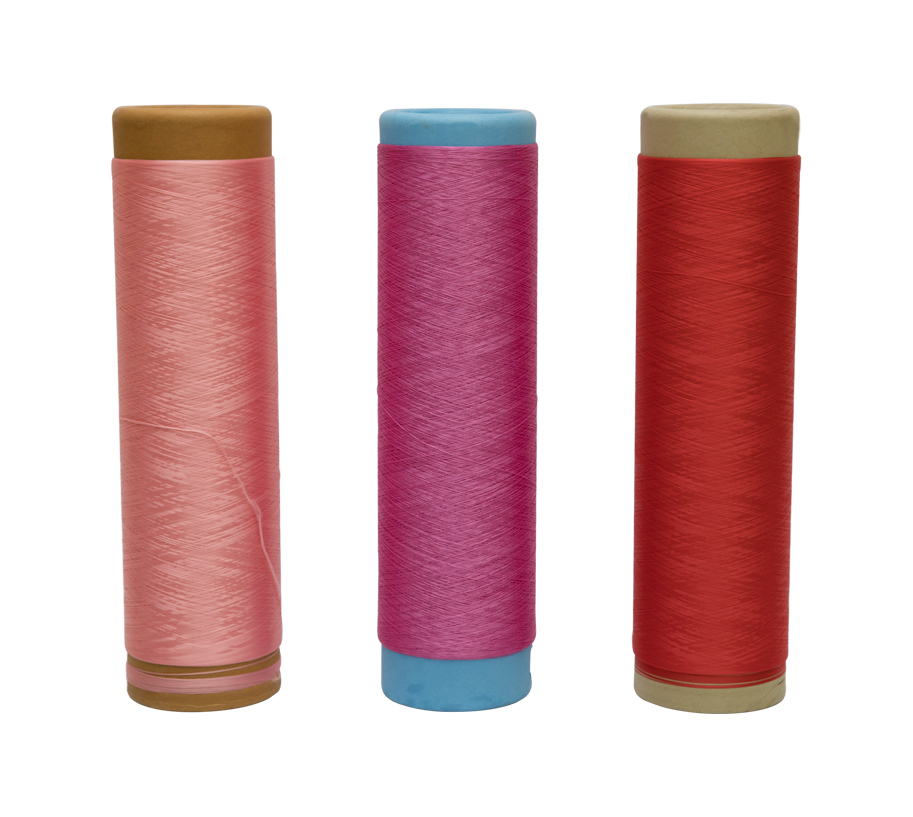
Pink/Rose Red/Red China 150D/48F Dty Polyester Yarn High Strength AA Grade Textu...
See Details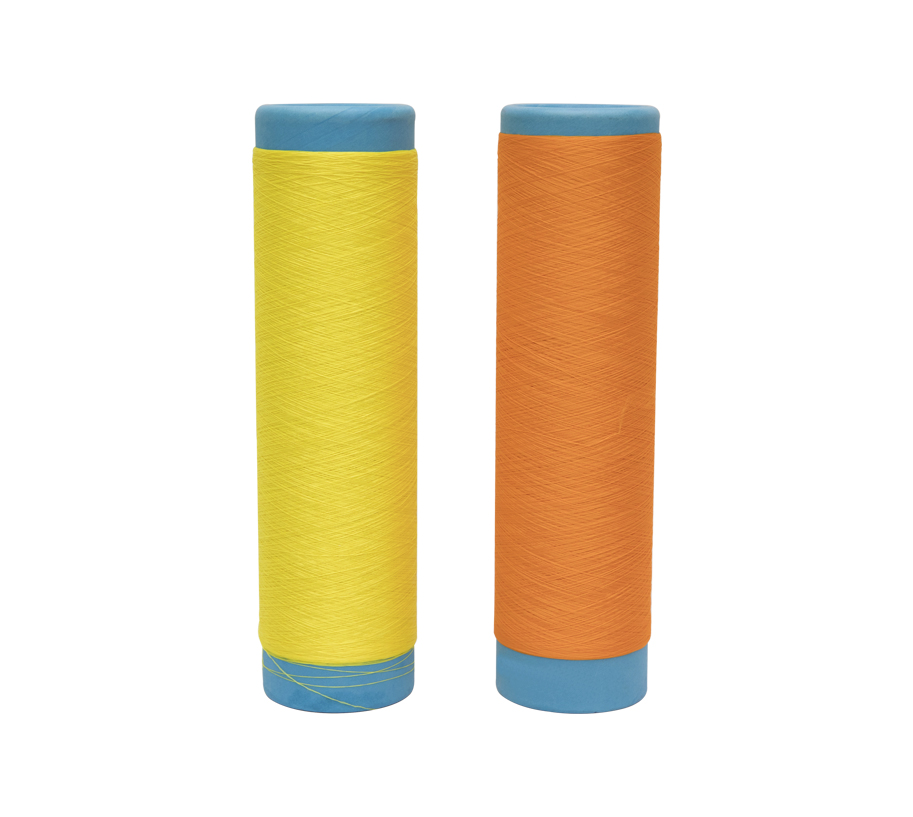
Yellow Orange China 300D/96F Dty Polyester Yarn Eco-friendly Recycle Dty Yarn Fo...
See Details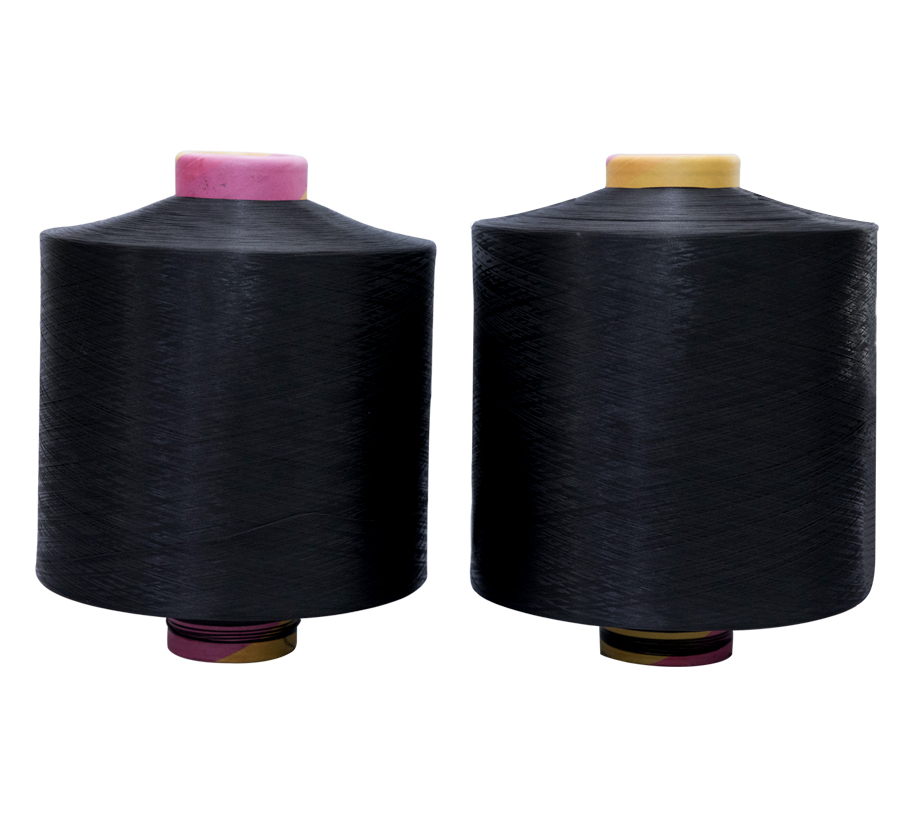
Sustainable 300D/96F Polyester Color Yarns BLACK NIM Product specifications:300D...
See Details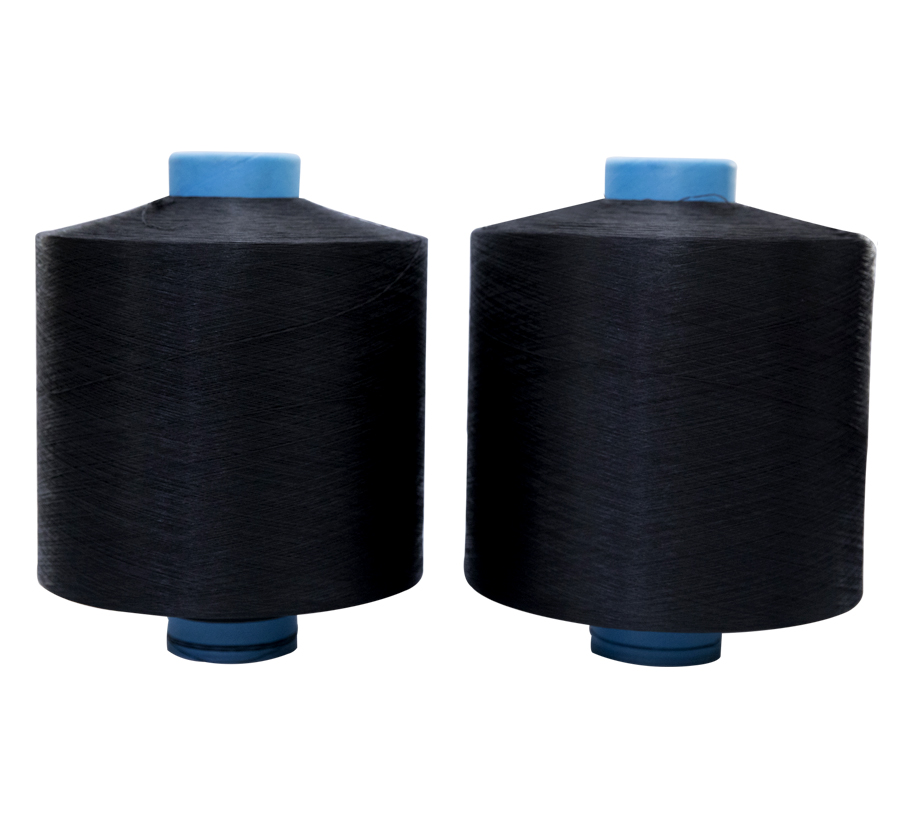
Yarn Type: Polyester High Elastic Yarn Size: 450D/192F Material: 99.99% Polyeste...
See Details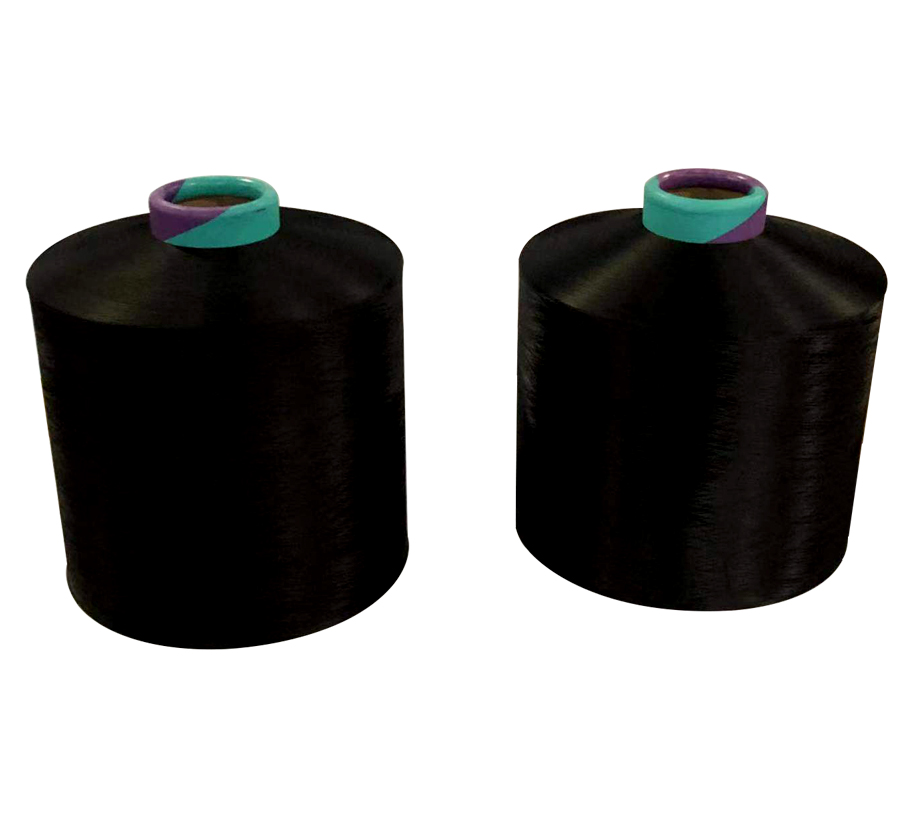
Moisture-Absorbent 100D/36F BLACK NIM Polyester Yarn Material: 99.99% Polyester ...
See Details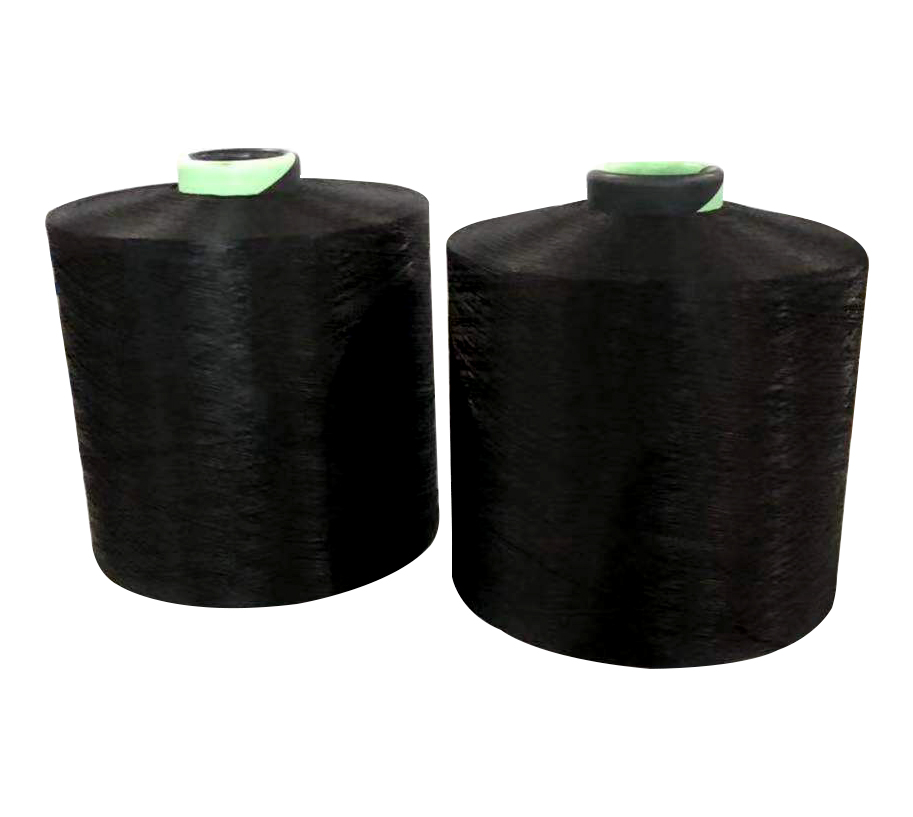
Product Name: DTY 600D/192F HIM Polyester Yarn Size: 600D/192F Twist: S+Z Color:...
See Details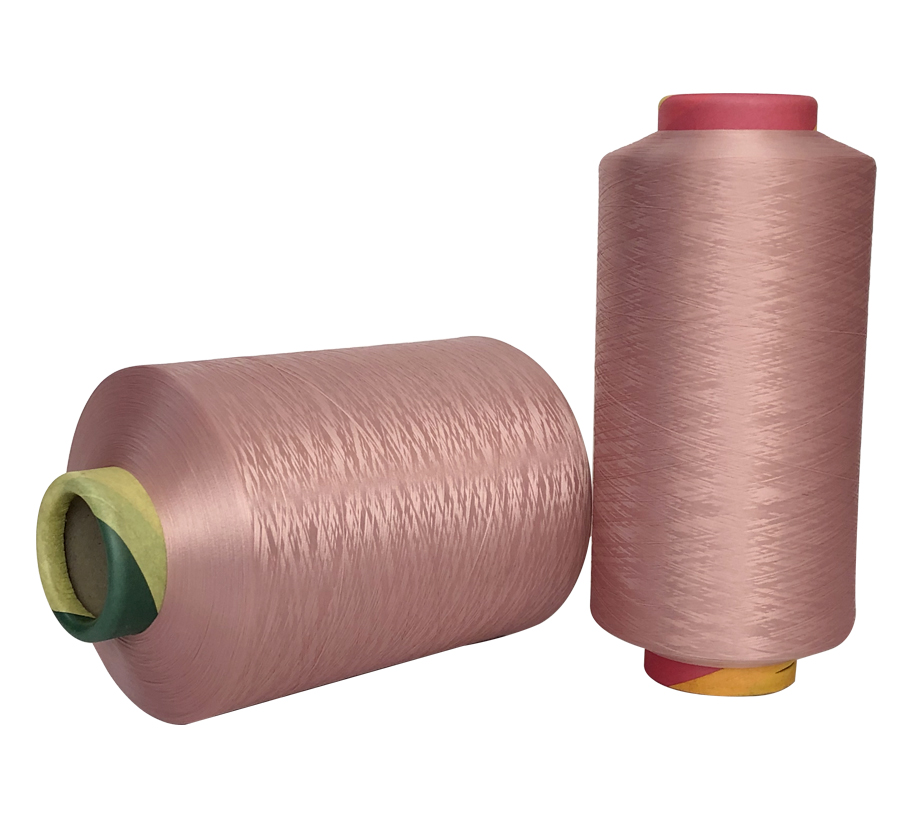
300D Rubber Red 99.99% Polyester Yarn for Knitting & Weaving Color: Rubber R...
See Details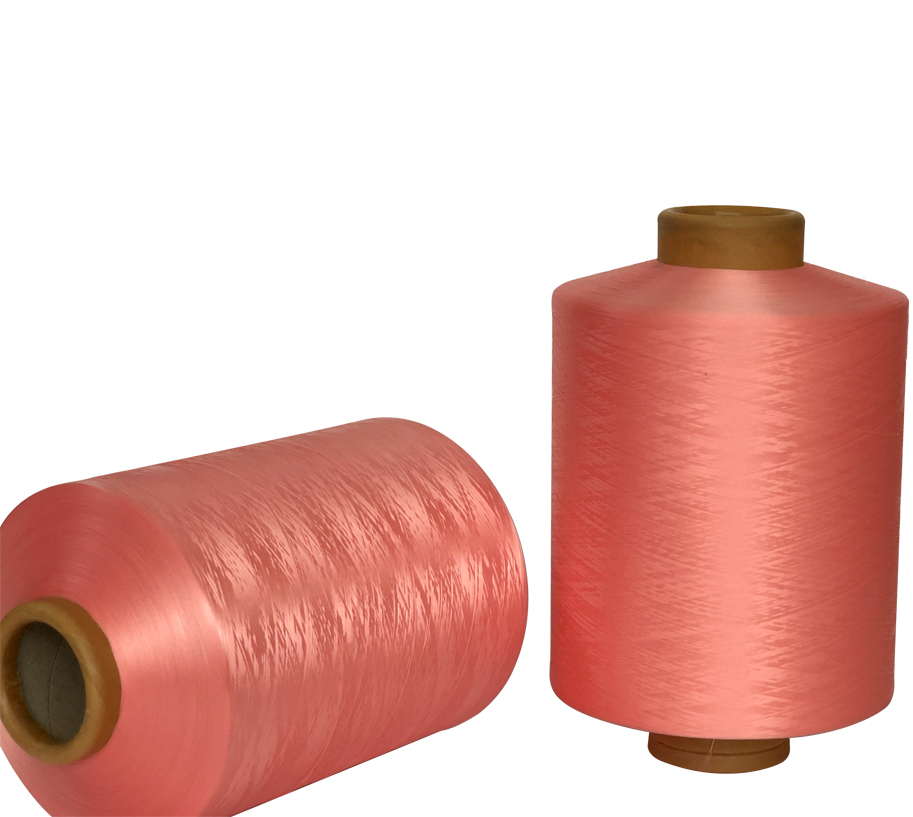
300D Watermelon Red 99.99% Polyester Yarn for Knitting Color: Watermelon Red Mat...
See DetailsCopyright © Hangzhou Dingkai Chemical Fibre Co., Ltd. All Rights Reserved.
Wholesale China Polyester DTY Yarns Factory
