 Call:+86-571-82912975
 https://www.dkyarn.com
 English
 中文简体
Pink/Rose Red/Red China 150D/48F Dty Polyester Yarn High Strength AA Grade Textu...
See Details

Improving yarn efficiency on a draw-texturing floor is mostly a job of removing breaks, not adding spindles. Clearing one filament break on a 600D/192F polyester DTY line takes five to eight minutes: stop the spindle, doff, re-thread, re-tie, check tension, restart. Repeat that forty times a shift across twenty-two machines and the real cost is machine hours that were already paid for.
Most of the gain available this quarter sits in three variables an operator can still influence: intermingle density, specification fit against the downstream machine, and draw-texturing setpoints. Mills that move from break-chasing to specification-led buying typically recover four to nine percentage points of machine utilisation inside one quarter, with no new capital equipment.
Yarn efficiency
The ratio of saleable output to available machine hours, after subtracting unscheduled breaks, doff-related idle time, second-grade fabric and wet-processing rejects. It is a machine-hour measure, not a subjective opinion about yarn quality.
Efficiency losses on a polyester DTY fed knitting or weaving floor concentrate in five places, and filament breaks are only the largest of them. Measuring the loss shape first is what separates a fix from a guess.
Typical loss profile of lost machine hours on a mixed 150D-300D polyester DTY floor
Two numbers matter when you build this chart yourself: breaks per 1,000 kg of yarn consumed, and idle minutes per doff. A floor running mixed specifications without a review usually sits above ten breaks per 1,000 kg on the fine-count machines. That is a specification problem wearing an operator's uniform.
Second-grade fabric deserves separate attention because it rarely shows up as a stop. Uneven intermingle, inconsistent elongation and package-to-package tension differences appear later as barré, needle lines and rejected rolls, so the cost lands on the fabric inspector instead of the spinner.
Intermingle density decides how tightly the filaments in a DTY yarn are bound together, and it is the specification variable that most directly controls break rate on high-speed downstream machines. Air-jet intermingling creates periodic nodes along the yarn; more nodes mean better cohesion, fewer filament spreads, and fewer stops at the needle or the weft accumulator.
Those bands are the ones published by Hangzhou Dingkai Chemical Fibre Co., Ltd., a polyester DTY manufacturer based in Hangzhou, China, which states Grade A and Grade AA as its standard yarn grades. The practical takeaway is that node density is adjustable at the texturing stage, so it can be written into a purchase specification rather than argued about after a complaint about the difference between NIM, SIM and HIM yarn arrives.
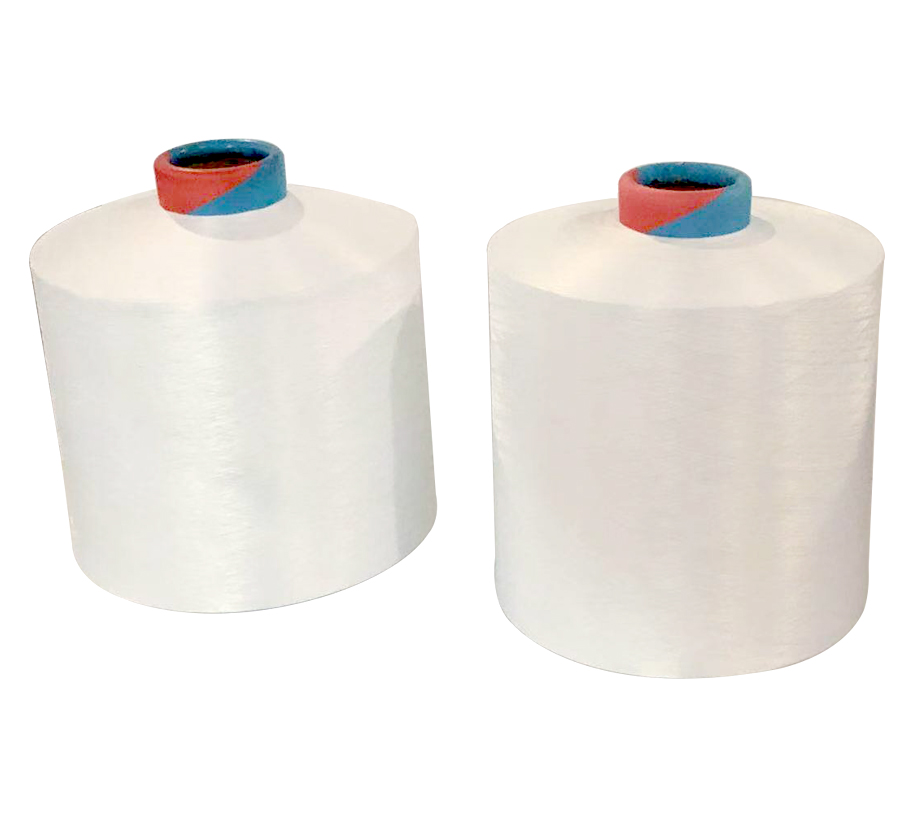 Recycled 150D/48F HIM Polyester DTY YarnView this Grade AA recycled polyester DTY for high-intermingle specifications, useful when testing node density against stop counts on a single machine group.View Product →
Start the trial on a single machine group with a 150D/48F high-intermingle raw white yarn and hold every other variable constant. If stop counts fall, the specification was the variable, not the crew.
The spread between the best and worst specification on a normal floor is roughly a factor of three, which is why the purchasing decision and the efficiency number are the same decision. The table below is a planning benchmark, not a promise; replace each row with your own four-week machine log before you commit volumes.
| Specification | Typical break rate per 1,000 kg | Efficiency action |
| 75D/36F NIM | 12 to 18 | Move to semi-intermingled or reduce machine speed on fine-gauge machines |
| 150D/48F RW HIM | 3 to 7 | Use as the control yarn that other specifications are measured against |
| 300D/96F RW NIM | 8 to 12 | Reserve for slower picks and constructions that need bulk rather than cohesion |
| 600D/192F optical white SZ HIM | 4 to 8 | Audit package build and creel tension, since most stops here are tension spikes |
Note the pattern rather than the digits. Fine counts with low intermingle sit at the top of the table; coarser counts with dense intermingle sit at the bottom. When a mill reports that its efficiency dropped after a supplier change, this table is usually the fastest way to prove why.
Buying yarn on price alone reliably raises the cost per saleable kilogram, because the savings on the invoice are smaller than the losses on the floor. The comparison below is the same yarn budget viewed two ways.
Stretch constructions add a second feed that many mills manage as an afterthought. A single elastane range covering 15D to 1120D removes one supplier handover, one set of packaging differences and one changeover window from the weekly plan, which matters more to uptime than the small price difference between two elastane grades.
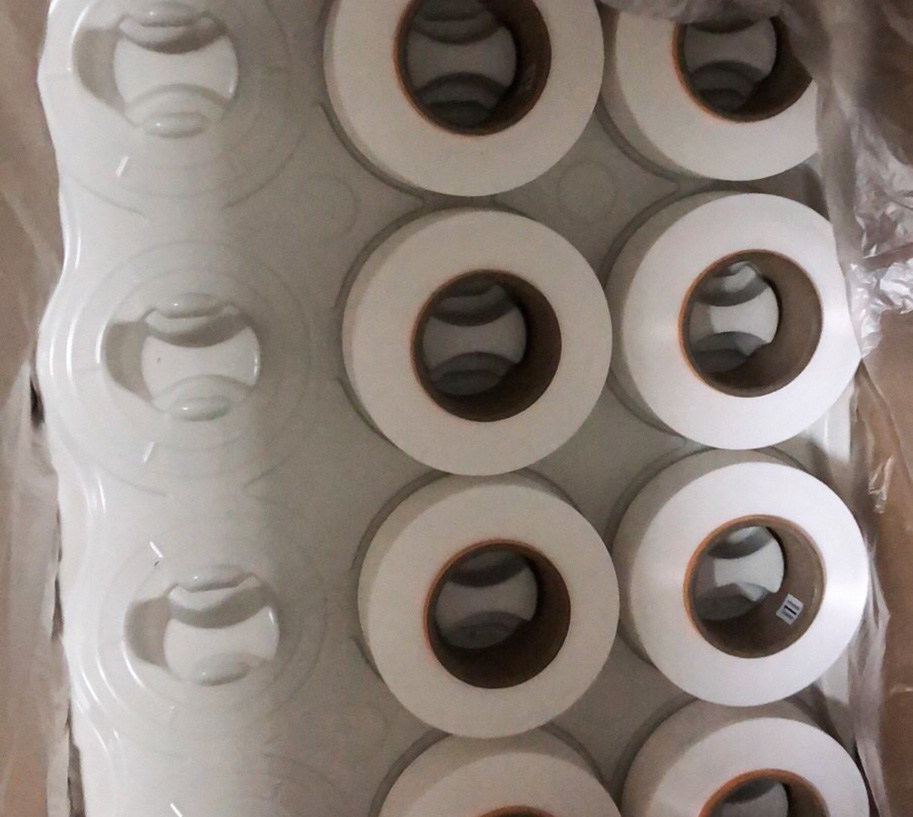 15D-1120D Spandex Yarn Range for Stretch ConstructionsThis broad elastane range can combine stretch feed planning with yarn purchasing, helping reduce supplier handovers and tension-setting improvisation in stretch fabric production.View Product →
Write both feeds into one purchase document. When yarn and elastane arrive under a single specification sheet, the creel operator stops improvising tension settings, and improvisation is where most of the unexplained stops originate.
Solution-dyed polyester color yarn removes dyeing from the critical path, and a removed process step is the largest single efficiency gain available to a mill that currently dyes its own greige fabric. The pigment is introduced during polymer spinning instead of being applied to finished fabric, so the colour arrives already inside the filament.
The operational consequences are concrete. There is no dye lot to schedule, no dyeing vessel to fill, no shade approval loop, and no re-dye cycle to absorb when a shade misses. Color yarn also removes the reject category that wet processing creates, which is why mills running 300D/96F network color yarns can quote shorter lead times on the same equipment.
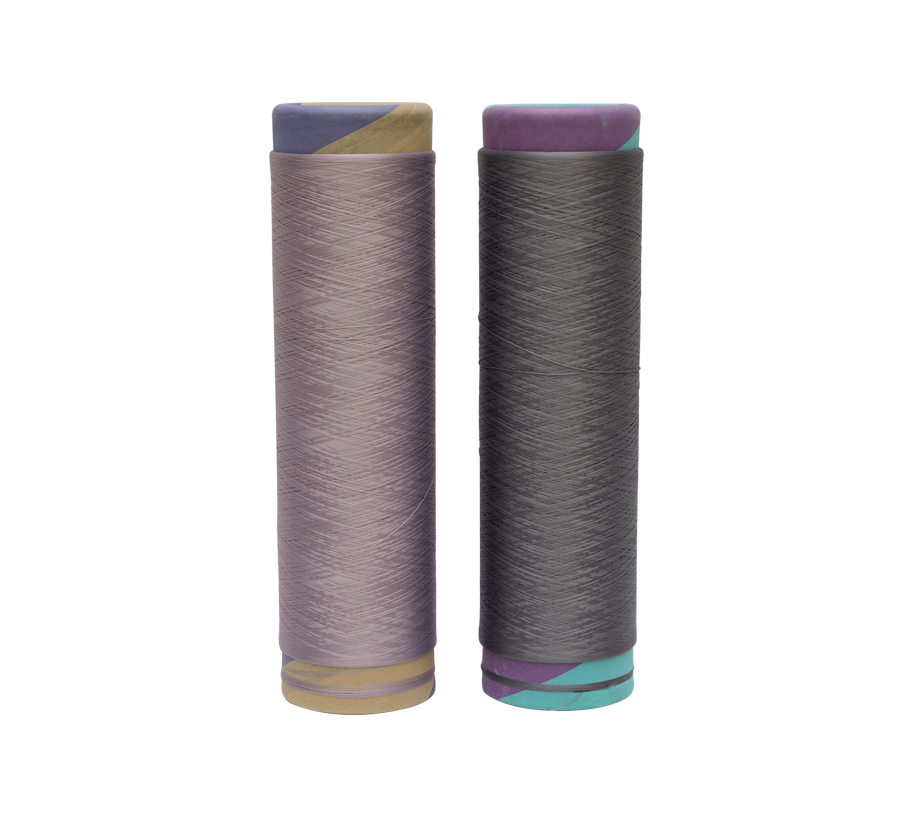 Custom 300D/96F Color DTY Polyester YarnFor mills comparing in-house dyeing with ready color, this high-intermingled 300D/96F DTY supports knitting, weaving, and shorter lead-time planning without dye-lot scheduling.View Product →
For a floor that currently buys greige yarn and sends fabric out for dyeing, the comparison is not color yarn against raw white yarn. It is color yarn against raw white yarn plus dyeing, drying, re-dye risk and the working capital tied up in fabric waiting for a shade match.
Setpoints on the texturing machine determine whether a good specification actually reaches the downstream machine in good condition. Three of them account for most of the variation between machines running identical raw materials.
A draw ratio set too low leaves residual elongation that shows up as fabric growth and needle stress; too high and filament breaks appear at the spindle. The usable window is narrow, and it shifts when the POY supply changes, so re-check it after every incoming lot of partially oriented yarn rather than once per quarter.
Temperature stability matters more than the absolute setting. A heater drifting a few degrees produces packages with different crimp and different shrinkage inside the same doff, which then behaves like two separate yarns on the knitting machine.
Node density is set physically by air pressure and thread path. If a mill orders HIM yarn but runs low pressure to gain speed, the delivered yarn behaves like NIM at the needle and the specification is quietly void.
A mill can move from anecdote to a measured efficiency gain in one quarter using existing staff and existing machines. The sequence matters, because replacing yarn before measuring the loss shape produces a result nobody can defend.
Record kilograms consumed and unscheduled stops for every machine and every specification. No changes, no trials, no opinions. Four weeks of clean data is enough for the rest of the plan to be arithmetic rather than argument.
Sort the log by breaks per 1,000 kg. In most mills, fewer than five specifications generate the majority of lost machine hours, and two of them are usually fine-count yarns bought on price.
Move a single machine group from the worst specification to a semi-intermingled or high-intermingled equivalent. Keep raw material source, machine speed and shift pattern unchanged so the comparison holds.
Write intermingle density, elongation and oil content into the purchase specification, and report breaks per 1,000 kg on the monthly production review alongside output and cost.
For 150D-class yarn running on high-speed circular knitting machines, four to eight breaks per 1,000 kg consumed is a workable target. Above ten, the cause is almost always intermingle density or package build rather than operator skill, and the fix belongs in the purchase specification.
HIM yarn carries a modest premium because it consumes more interlace air and runs at slightly lower texturing speed, but the premium is normally repaid inside a month through lower stop rates. Compare cost per 1,000 kg of saleable fabric, never cost per kilogram of yarn on the invoice.
Log two numbers by hand for four weeks: kilograms consumed and unscheduled stops, per machine, per shift. Multiply stops by the observed clear time, divide by available machine minutes, and the loss percentage appears. Most mills find that 60 to 70 percent of lost time traces back to fewer than five specifications.
Sometimes, if the current supplier can adjust the specification. Intermingle density, elongation and oil content are all controllable texturing parameters, so they can be renegotiated rather than replaced. Where the answer is no, the practical route is a head-to-head trial on one machine group with a second DTY source; Hangzhou Dingkai Chemical Fibre Co., Ltd. handles that kind of qualification trial through its contact page.
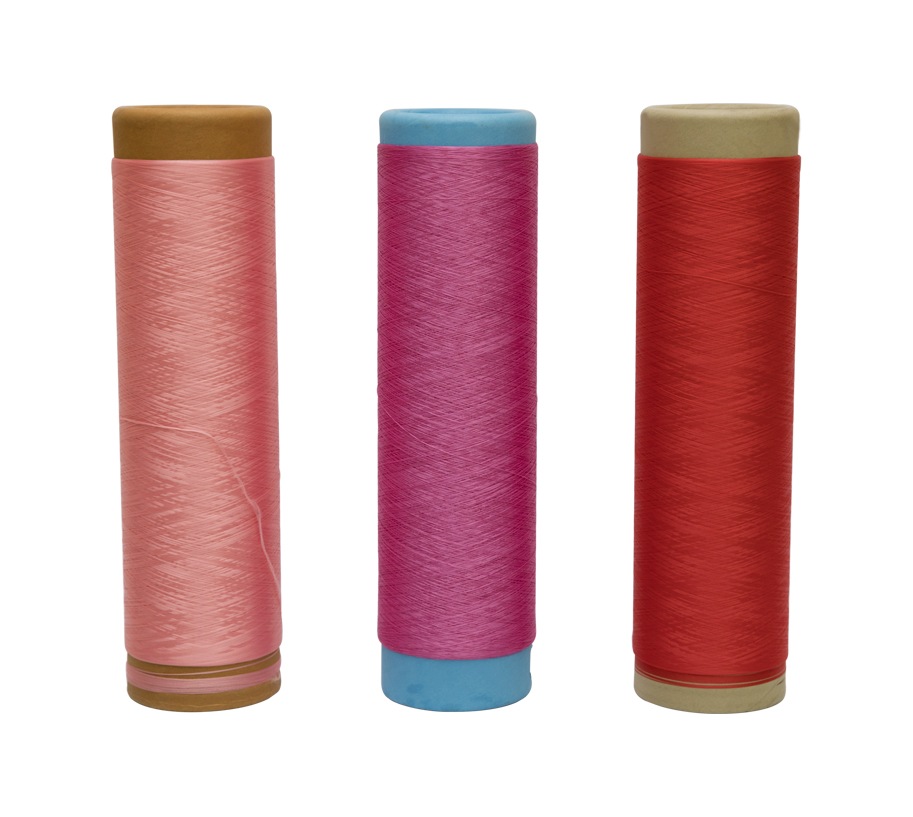
Pink/Rose Red/Red China 150D/48F Dty Polyester Yarn High Strength AA Grade Textu...
See Details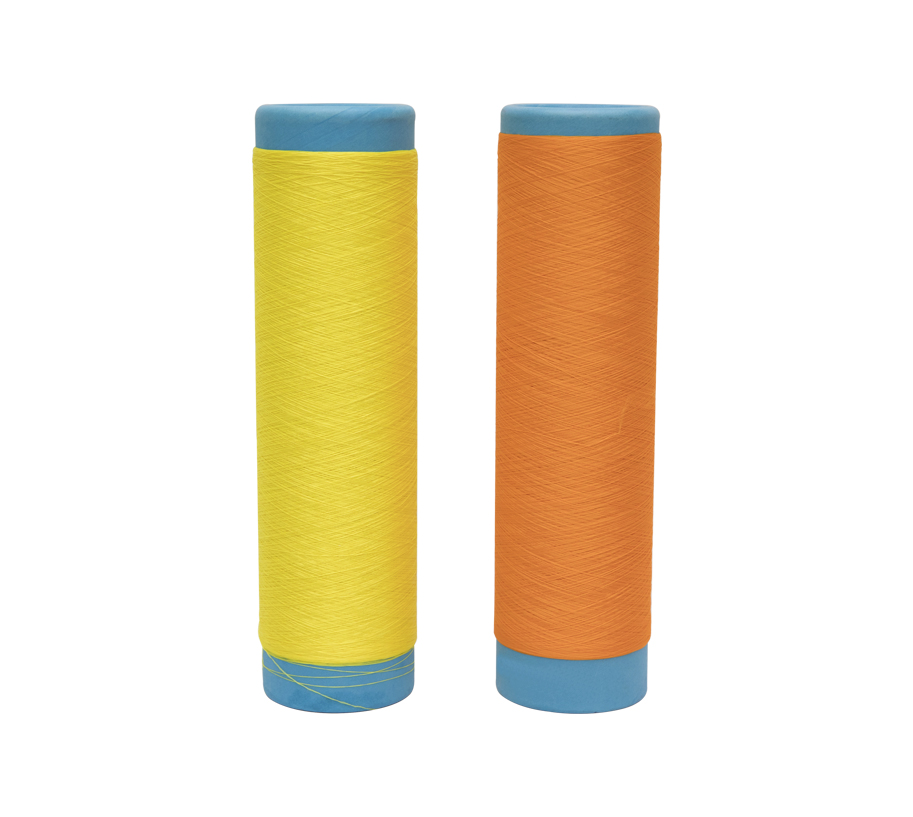
Yellow Orange China 300D/96F Dty Polyester Yarn Eco-friendly Recycle Dty Yarn Fo...
See Details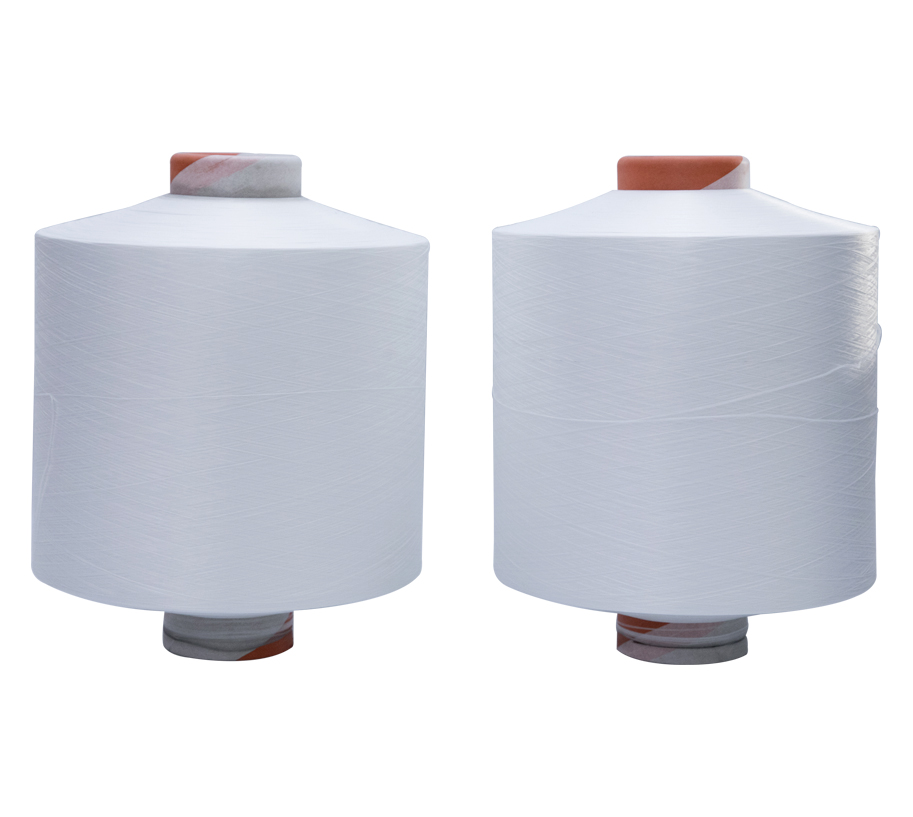
Functional White High elastic polyester yarn Eco-friendly high stretch Yarn for ...
See Details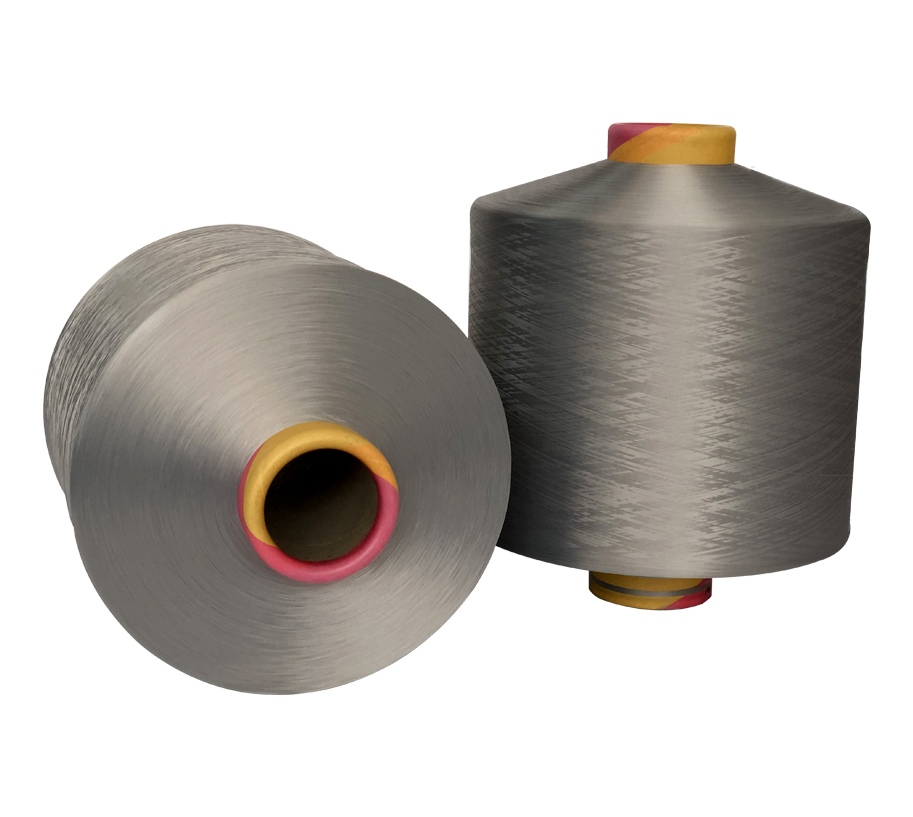
New Style 300d Gray 99.99% Polyester Yarn Eco-friendly OEM DTY Polyester Yarn St...
See Details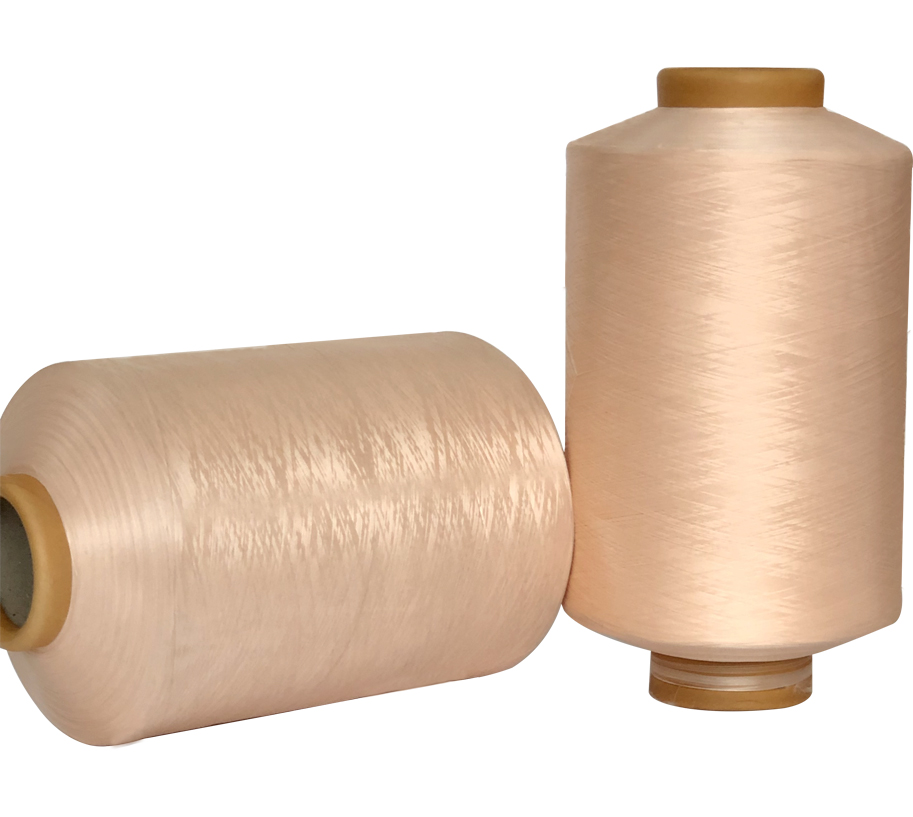
High Strength 300D Orange brown 99.99% Polyester Yarn for Embroidery/KnittingCol...
See Details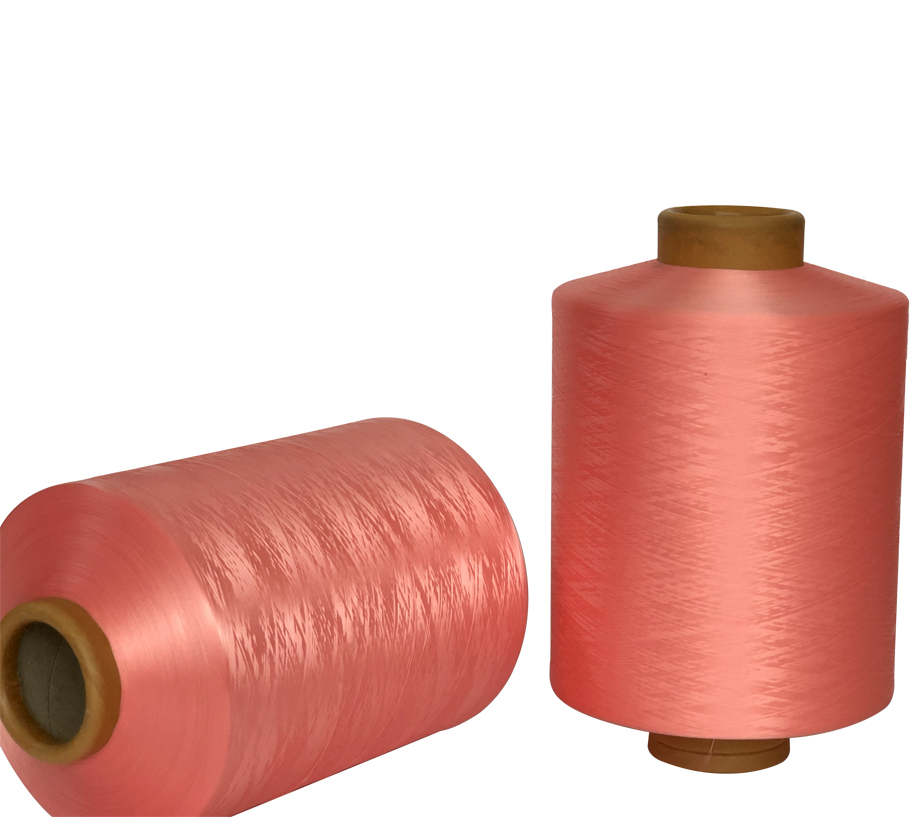
300D Watermelon Red 99.99% Polyester Yarn for Knitting Color: Watermelon Red Mat...
See Details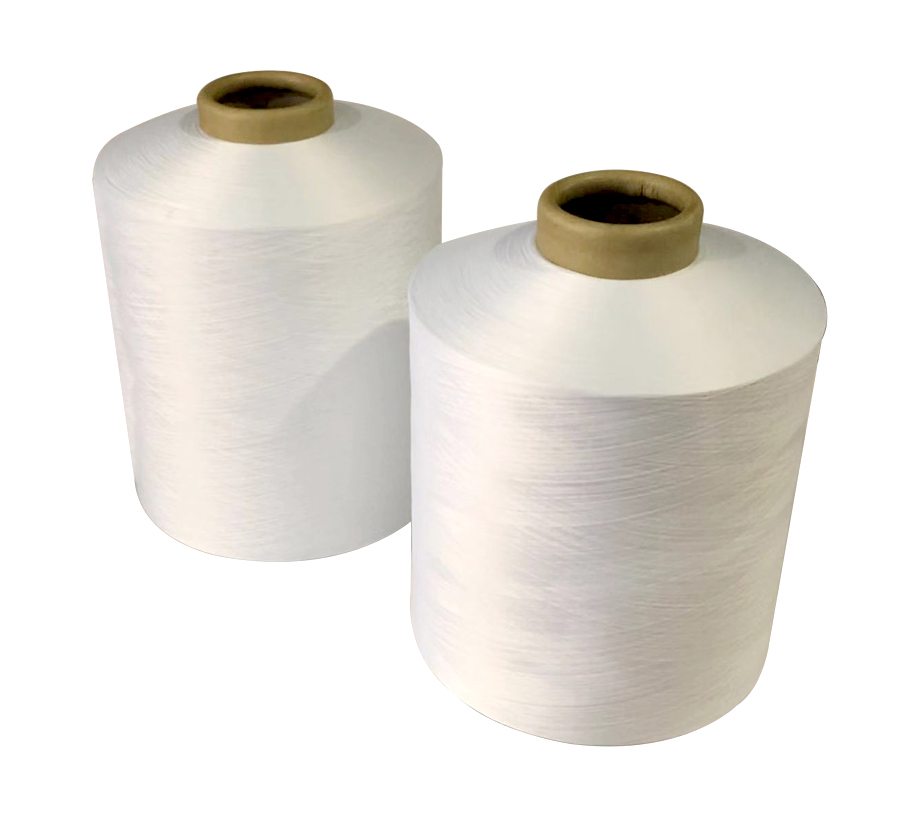
Sustainable 100D/36F RW NIM Polyester Yarn Yarn Count: 100D/36F Material: 99.99%...
See Details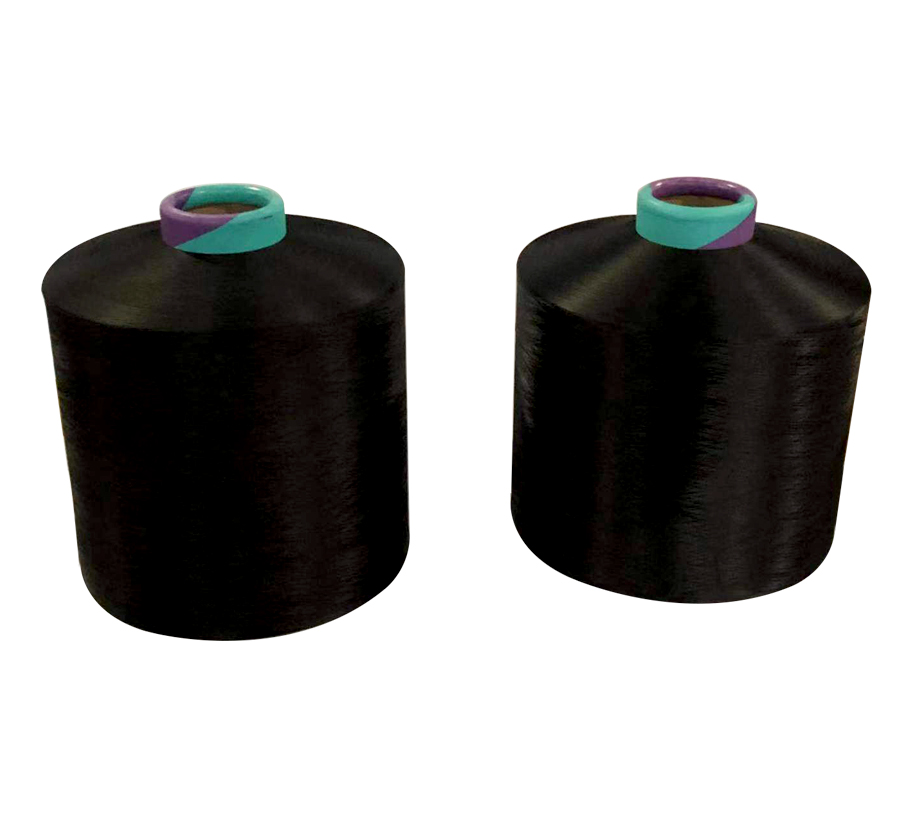
High quality 150D/48F BLACK NIM Polyester Yarn Color: Black Denier: 150D/48F Mat...
See DetailsCopyright © Hangzhou Dingkai Chemical Fibre Co., Ltd. All Rights Reserved.
Wholesale China Polyester DTY Yarns Factory
