Call:+86-571-82912975
 https://www.dkyarn.com
 English
 中文简体
中文简体
Product Name: DTY 150D/36F HIM Polyester Yarn Size: 150D/36F Twist: S+Z Pattern:...
See Details

The answer is a firm no, and the distinction has commercial weight. Cotton is a natural fiber: it grows as seed hair on plants of the Gossypium genus and is picked, ginned, and spun with no polymerization step. Synthetic fibers such as polyester, nylon, acrylic, and spandex are built industrially from petroleum-derived polymers. Hangzhou Dingkai Chemical Fibre Co., Ltd. works in the second family: since 2007 we have produced polyester DTY, or draw textured yarn, at a 15,000-square-meter plant near Hangzhou for buyers in more than 30 countries. Keeping the two families straight prevents wrong care labels, shrinkage surprises, and mismatched dyeing budgets.
Cotton is a natural cellulose fiber harvested from the boll, the seedpod of the cotton plant. Each fiber is a single elongated plant cell, which explains the irregular twists and soft hand feel that synthetics imitate. Ginned cotton is roughly 90 percent cellulose, a carbohydrate polymer built by the plant itself, with small amounts of waxes, pectins, and moisture making up the balance.
Staple length varies by variety: upland cotton runs about 25 to 30 millimeters, while extra-long-staple types exceed 33 millimeters and spin into finer, smoother yarns. The plant origin drives what buyers feel downstream: 8.5 percent standard moisture regain, breathable comfort, natural biodegradability, and water-borne reactive dye chemistry.
A synthetic fiber is any filament created by chemical synthesis: petroleum-derived monomers are polymerized into long molecular chains, extruded through spinnerets, and drawn into yarn. Four members dominate the textile trade:
Rayon and viscose are the classic trap: man-made but not synthetic. They are regenerated cellulosic fibers, dissolved from wood pulp and re-extruded, so classifiers place them between the two families. A listing sold as "synthetic cotton" is almost always polyester or a blend, because genuine cotton cannot be synthesized in a reactor.
Synthetics also carry engineered parameters cotton never has. A 300D/96F yarn means 300 denier, or grams per 9,000 meters, across 96 filaments, and intermingle density can be ordered at 0 to 10 nodes per meter (NIM), 40 to 50 (SIM), or 100 to 120 (HIM). The conventional polyester yarn range shows how those specifications fit together.
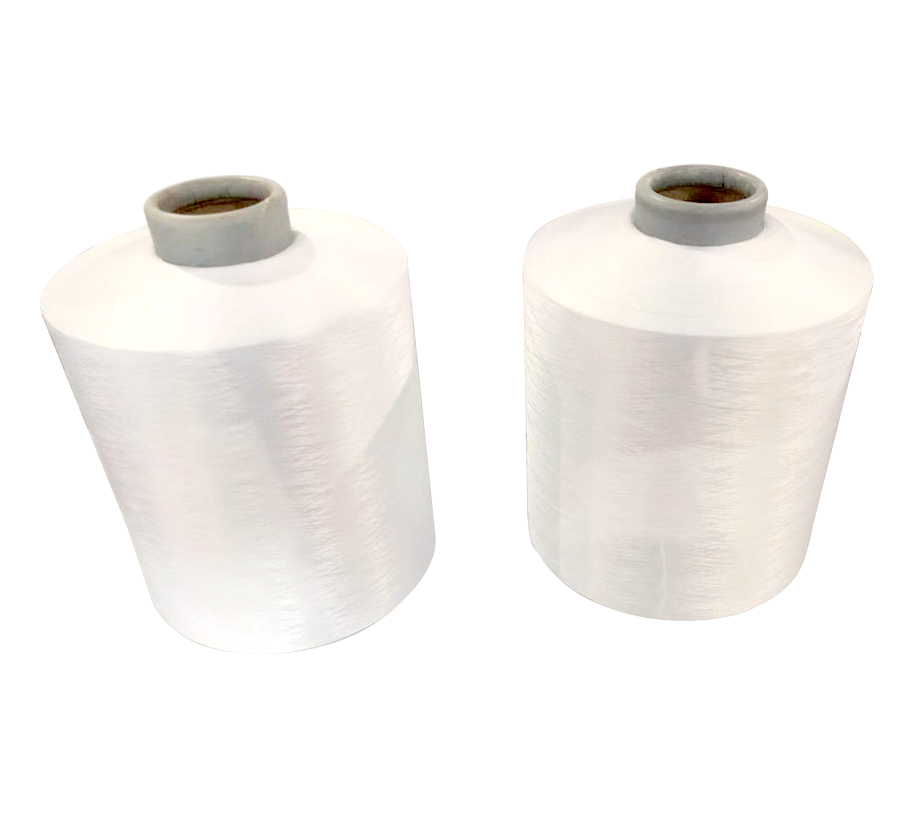 300D/96F RW NIM Polyester SD YarnThis conventional polyester filament illustrates how denier, filament count, and intermingle density combine in practice, with tenacity of at least 3.30 cn/dtex and controlled crimp contraction for sourcing comparisons.View Product →
The commercial differences concentrate in four areas: moisture, heat, strength, and end-of-life behavior. Three numbers settle most sourcing arguments before they start.
| Property | Cotton, natural fiber | Polyester, synthetic fiber |
| Origin | Seed hair grown in the cotton boll | Polymerized from petroleum-based monomers |
| Chemistry | About 90 percent cellulose, a plant-built carbohydrate | PET, a man-made polyester polymer |
| Moisture regain | 8.5 percent standard | 0.2 to 0.4 percent |
| Heat behavior | Tolerates hot ironing; scorches before melting | Melts near 250 degrees Celsius; needs gentle irons |
| End of life | Biodegrades in soil within months | Persists for years; sheds microfibers in washing |
| Dye route | Water-borne reactive dyes | Disperse dyes, or color added in the melt |
Read the table as a checklist, not a verdict. Moisture regain explains why cotton feels cooler in humid heat; the melting point explains the gentler ironing polyester demands; the dye route explains why color approval runs differently for each fiber.
Polyester dominates world fiber production at roughly 54 percent, while cotton, the largest natural fiber, holds about 21 percent. Total output has run above 110 million tonnes per year, and recycled feedstock still covers only around 14 percent of polyester volume.
For a yarn buyer, the split carries a practical message: synthetic capacity, lead times, and specification flexibility run structurally deeper, while cotton pricing follows agricultural weather and harvest cycles.
Blending does not change what cotton is. A poly-cotton yarn places natural and synthetic fibers side by side, so the fabric inherits properties from both families. The classic construction is 65 percent polyester with 35 percent cotton; a CVC blend, short for chief value cotton, flips the ratio above 50 percent cotton for a more natural hand.
Stretch styles add a small spandex content, often 2 to 5 percent, knitted into the fabric. Spandex is unmistakably synthetic, and its elastic recovery gives leggings and fitted knits their shape retention.
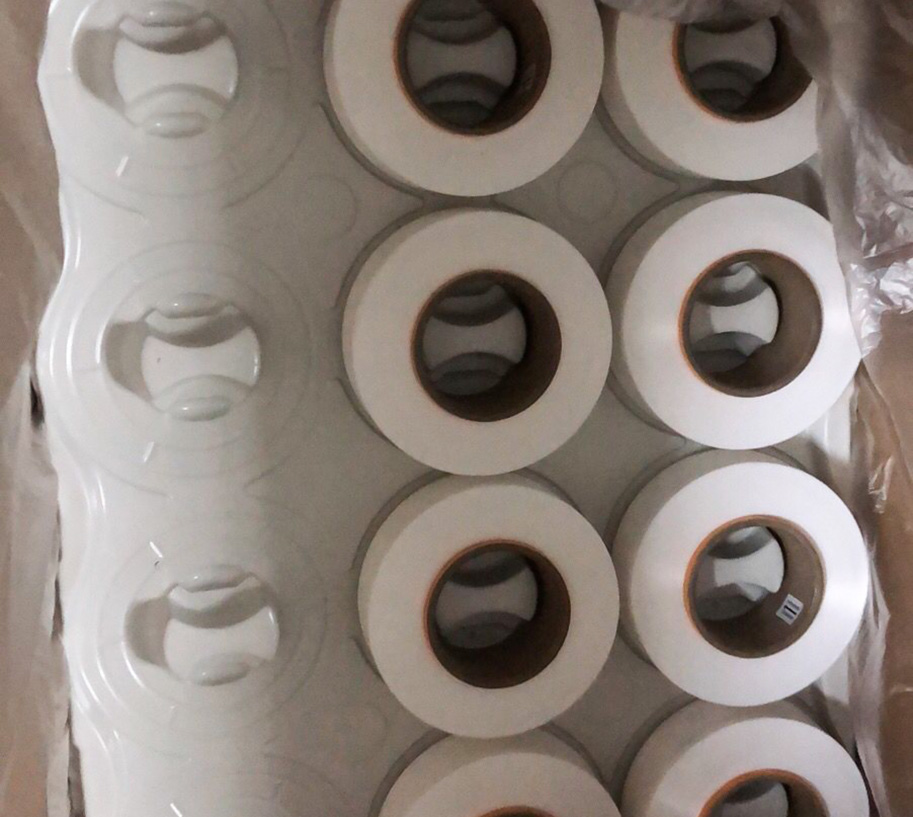 15D-1120D Spandex Yarn for Stretch FabricsAvailable in fine to coarse counts, this spandex yarn provides the elastic recovery behind fitted knits and leggings, matching the 2 to 5 percent stretch content described for shape-retaining garments.View Product →
Cotton takes color after spinning, in water-borne reactive dyeing; polyester can take color before the filament exists, by adding pigment into the polymer melt. That second route, dope dyeing or colored spinning, locks the shade into the fiber and delivers high colorfastness with far less water and salt than cotton dyeing consumes.
Color applied after yarn or fabric formation.
Reactive dyeing needs water, salt, and fixation.
Shade depth stays flexible per batch.
Pigment added before extrusion.
Colorfastness built into the polymer itself.
Suited to repeat orders of one shade.
Care labels diverge for the same reason. Cotton wrinkles and can shrink in hot washes; polyester holds shape, dries quickly, and asks only for moderate ironing.
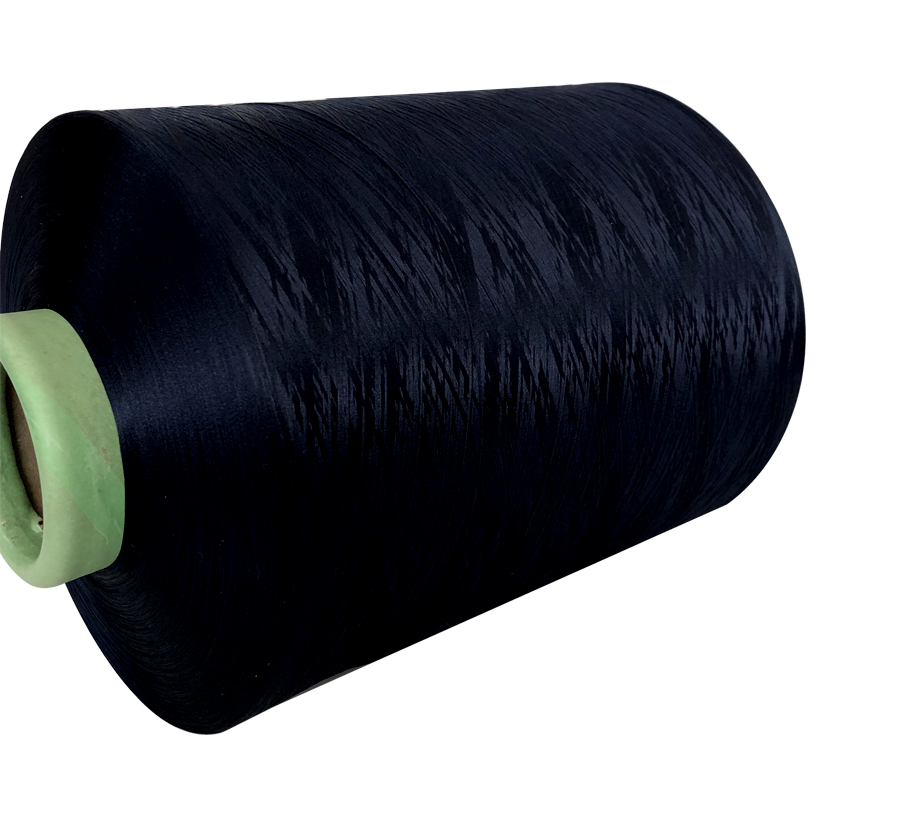 300D Navy Polyester DTY YarnA dope-dyed navy filament in 300 denier, offered with NIM, SIM, or HIM intermingling and over 1000 colors, showing how colored polyester locks in shade with high fastness and low water use.View Product →
A burn test separates the two families in under a minute: cotton burns like paper and leaves soft ash, while polyester melts into a hard bead with a chemical odor.
Pull a few millimeters of yarn from a seam allowance or offcut, twist them into a tight fringe, and grip it with metal tweezers.
Touch the tip to a flame over a non-flammable surface in a ventilated space, and watch whether the fiber burns steadily or shrinks and melts away.
Cotton ignites easily, smells like burning paper, keeps a glowing ember, and crumbles into soft gray ash. Polyester shrinks from the flame, melts, and hardens into a round black bead with a sharp chemical smell.
Cotton is a natural cellulose fiber grown on the cotton plant; it is never synthetic. Polyester, nylon, acrylic, and spandex are the synthetic fibers, polymerized from petroleum-based feedstocks.
Neither label fits exactly. Rayon and viscose are regenerated cellulosic fibers, man-made but processed from plant cellulose, so they sit outside the true synthetic category.
Polyester filament yarns deliver higher, more consistent tenacity and better abrasion resistance, while cotton gains a little strength when wet. High-wear applications therefore lean on polyester or poly-cotton blends.
Consistency and economics. Polyester offers stable pricing, engineered specifications such as denier, filament count, and intermingle density, and dope-dyed color options, while cotton quality and price follow each harvest.
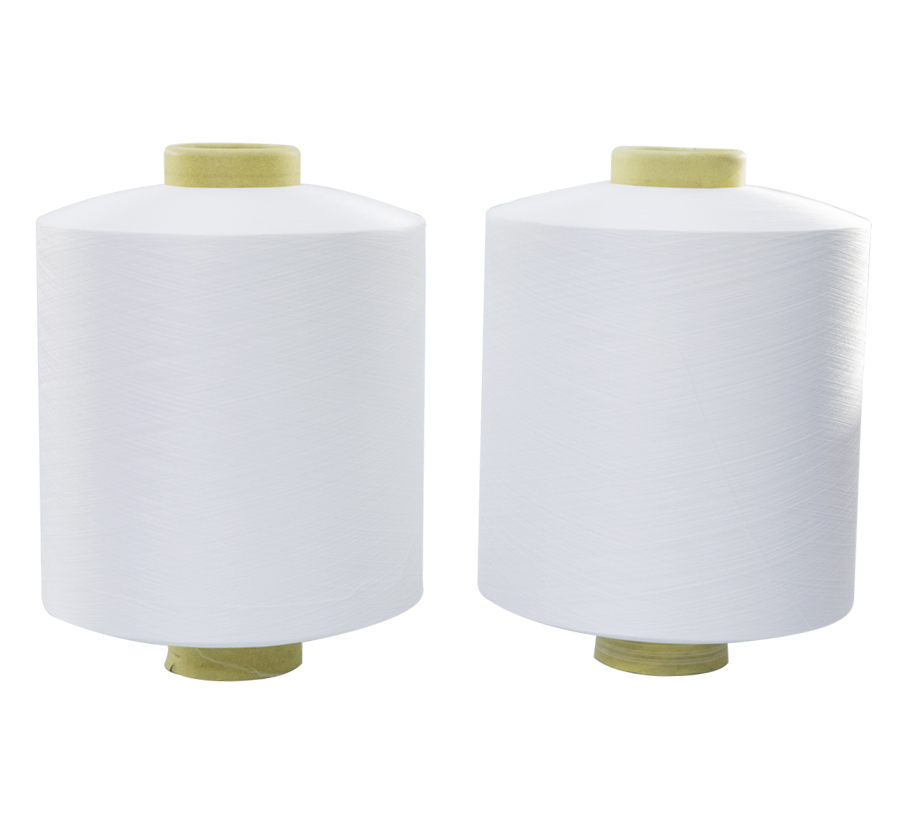
Product Name: DTY 150D/36F HIM Polyester Yarn Size: 150D/36F Twist: S+Z Pattern:...
See Details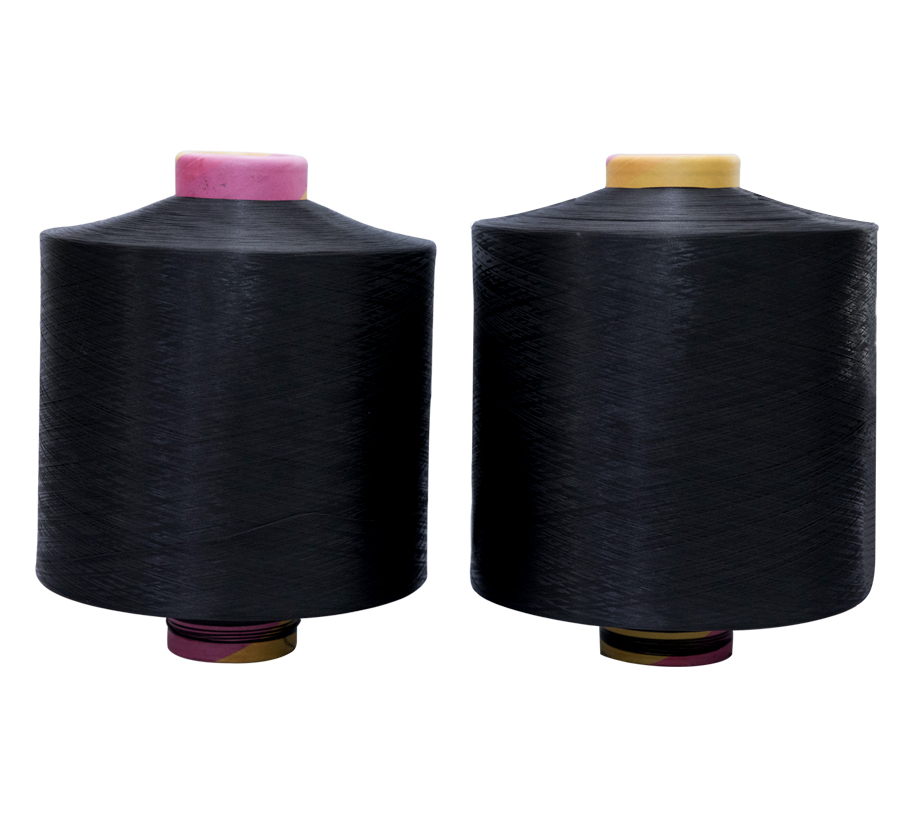
Sustainable 300D/96F Polyester Color Yarns BLACK NIM Product specifications:300D...
See Details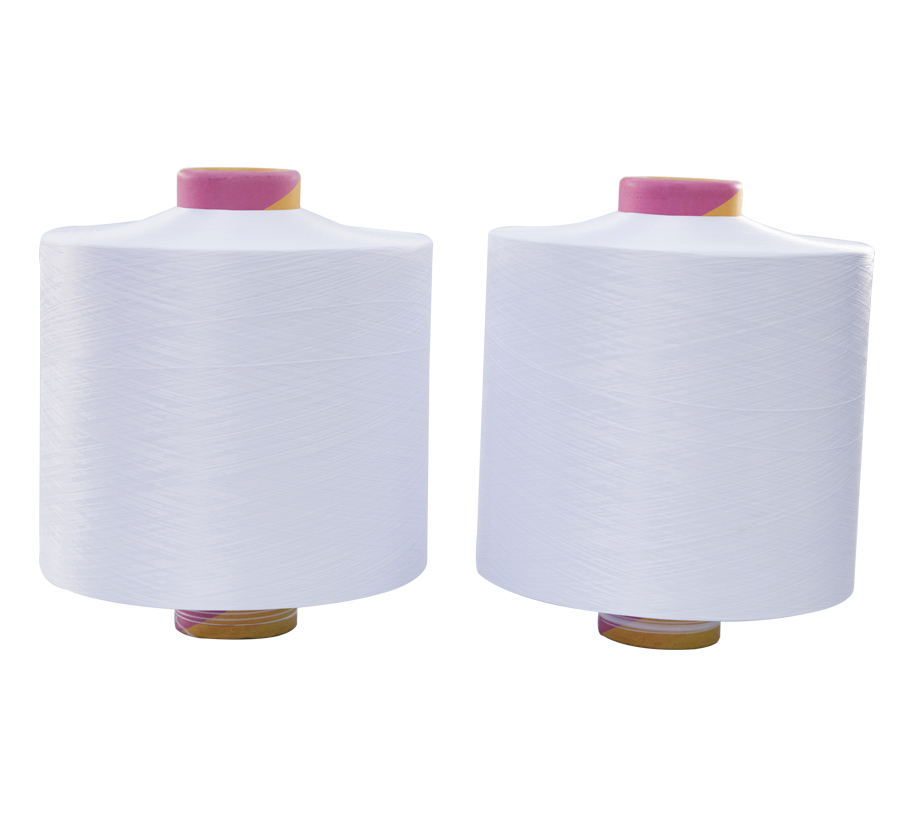
300D/96F OPTICAL WHITE NIM Polyester Yarn Name: 300D/96F OPTICAL WHITE NIM Polye...
See Details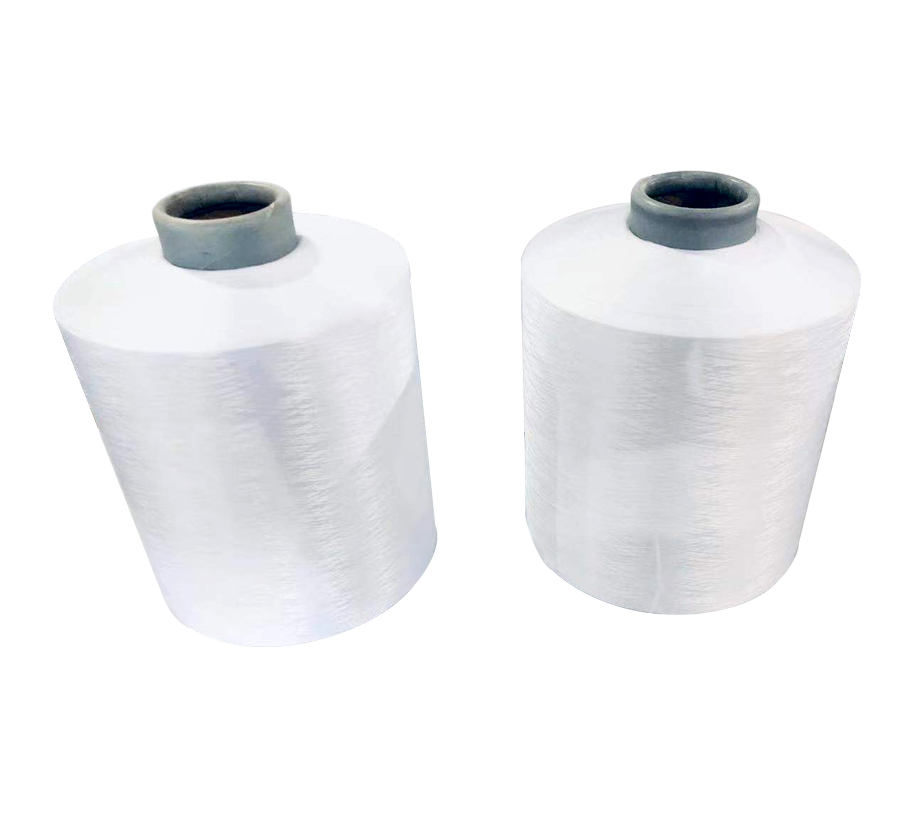
Anti-Bacteria 300D/96F S+Z HIGH ELASTIC Polyester Yarn Yarn Count: 300D/96F Colo...
See Details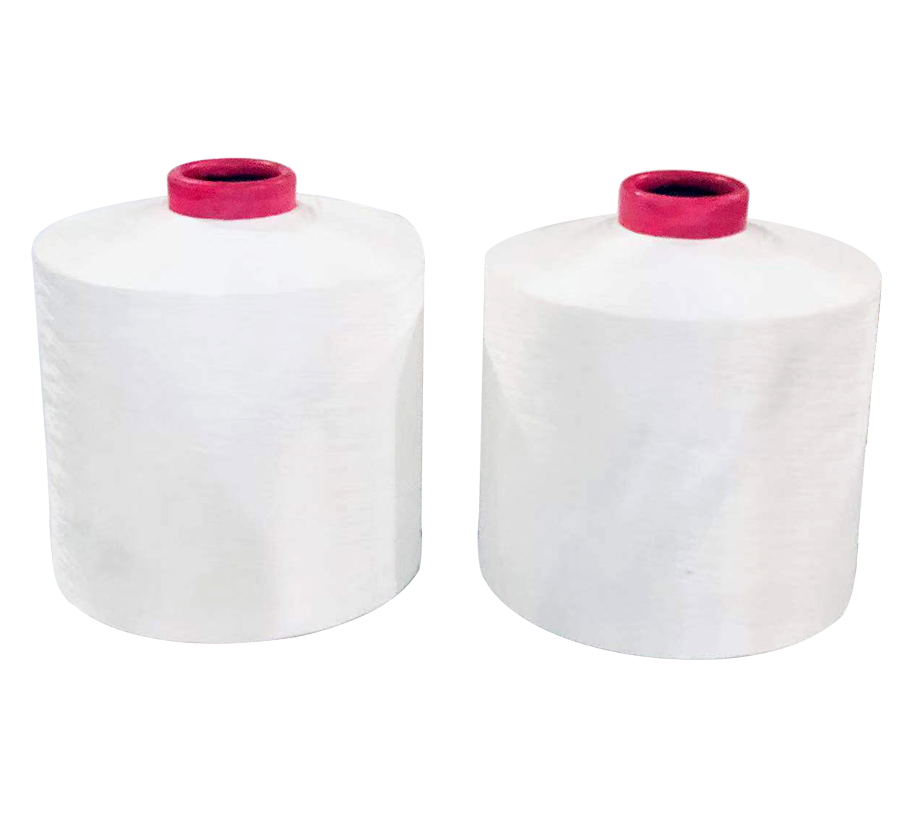
Yarn Count: 600D/192F SD RW HIM Draw Texturing Yarn Size: 600D/192F Twist: S+Z C...
See Details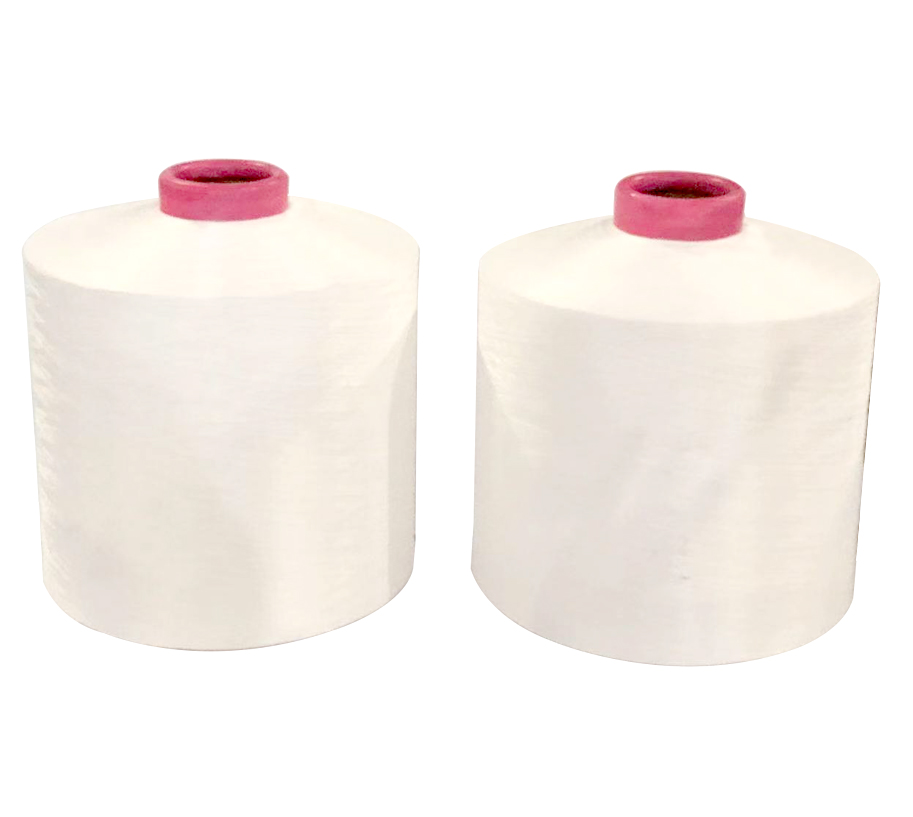
High Tenacity 600D/192F RW S+Z HIM Polyester Yarn Yarn Count: 600D/192F Color: R...
See Details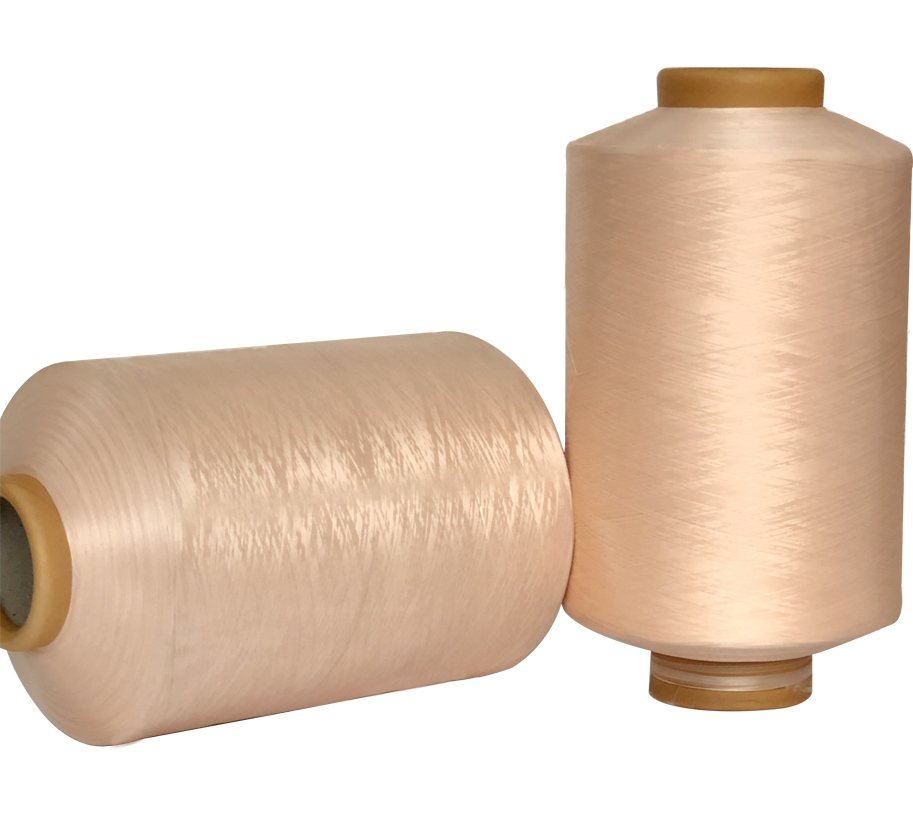
High Strength 300D Orange brown 99.99% Polyester Yarn for Embroidery/KnittingCol...
See DetailsCopyright © Hangzhou Dingkai Chemical Fibre Co., Ltd. All Rights Reserved.
Wholesale China Polyester DTY Yarns Factory