Call:+86-571-82912975
 https://www.dkyarn.com
 English
 中文简体
中文简体
Breathable Brown Black 300D/96F DTY Yarn High-Intermingled 99.99% Polyester Yarn...
See Details

In the modern textile industry, the development of functional yarns is progressing at an unprecedented pace. Polyester high elastic yarn, as an innovative fiber material combining high elasticity and durability, is becoming a popular choice in the textile, apparel, and functional fabric fields. With consumers' increasing demands for comfort, durability, and fashion, the application value and market prospects of polyester high elastic yarn are attracting more and more attention from the industry.
The core advantage of polyester high elastic yarn lies in its unique chemical structure and spinning process. By introducing highly elastic segments into the polyester molecular chain, the yarn maintains strength while possessing excellent tensile recovery. This characteristic makes it superior in terms of the stretch, fit, and wearing comfort of textiles, meeting the high-performance requirements in sportswear, casual wear, and functional fabrics.
The core of polyester high elastic yarn lies in its polymer structure. High elastic polyester yarn is typically polymerized from polyethylene terephthalate (PET) and specific elastic monomers, forming a unique structure in the molecular chain that contains both rigid and flexible segments. Rigid segments impart excellent strength and abrasion resistance to the yarn, while flexible segments provide high elasticity and good resilience. This dual characteristic allows polyester high-elasticity yarn to withstand repeated stretching during textile use and quickly return to its original shape, extending the lifespan of garments.
Polyester high-elasticity yarn also has advantages in dyeability, heat resistance, and chemical resistance. High-temperature dyeing and finishing processes do not significantly affect its elasticity, allowing it to maintain stable performance during subsequent processing. This not only improves production efficiency but also provides designers with more creative possibilities for fabrics.
The performance of polyester high-elasticity yarn depends not only on the raw materials but also on the textile process. Spinning methods, twist control, and finishing processes directly affect the yarn's elasticity, luster, and hand feel. High-elasticity yarn spinning typically employs stretch control technology, precisely controlling the fiber stretch ratio to achieve ideal elasticity and flexibility while maintaining high strength.
Weaving or knitting processes also significantly impact the final fabric's performance. The density of the fabric structure, the yarn arrangement, and the distribution ratio of elastic yarns all affect the fabric's elasticity, fit, and wearing comfort. Professional textile manufacturers typically optimize the yarn arrangement and weaving density based on the fabric's end use to maximize the functional advantages of high-elasticity yarn.
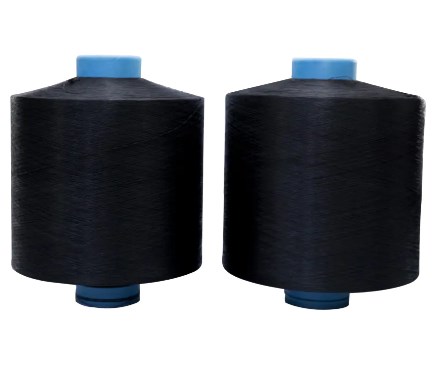
In the apparel industry, the application of polyester high-elasticity yarn primarily focuses on enhancing the wearing experience and functionality of clothing. High-elasticity yarn gives fabrics excellent resilience and fit, allowing garments to closely conform to the body's curves while maintaining freedom of movement. This characteristic is particularly prominent in sportswear, yoga wear, and functional outerwear, not only improving wearing comfort but also enhancing the garment's durability.
Meanwhile, polyester high-elasticity yarn also demonstrates unique advantages in casual and fashion apparel. The fabric's surface luster and crispness give garments a more textured and three-dimensional feel, while high elasticity ensures that garments are not easily deformed during daily wear. Combined with modern design concepts, polyester high-elasticity yarn not only meets functional needs but also provides more possibilities for clothing innovation.
As environmental protection becomes increasingly important in the textile industry, polyester high-elasticity yarn has demonstrated its potential for sustainable development. Some high-elasticity polyester yarns are produced using recycled polyester materials, achieving resource recycling and reducing environmental impact. Simultaneously, its high durability and long lifespan reduce the frequency of garment replacement, which is beneficial to environmental protection.
Researchers are exploring ways to improve polymerization processes and finishing techniques to enable polyester high-elasticity yarns to achieve lower energy consumption and less chemical use while maintaining performance. This direction not only aligns with the trend of green textile development but also helps companies gain a differentiated competitive advantage in the market.
With the increasing demand for high-quality, functional clothing, the market potential for polyester high-elasticity yarn continues to expand. Sportswear, functional fabrics, and new textile sectors all place higher demands on high-performance elastic yarns. In the future, polyester high-elasticity yarn is expected to play a greater role in emerging fields such as smart textiles, functional fabrics, and personalized customization.
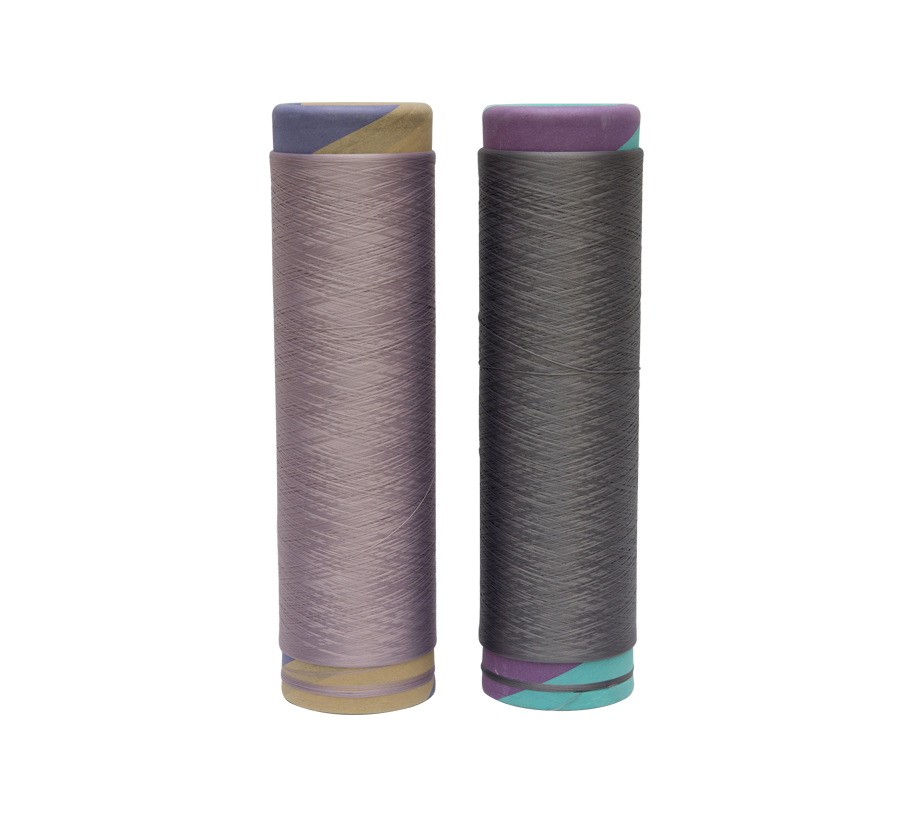
Breathable Brown Black 300D/96F DTY Yarn High-Intermingled 99.99% Polyester Yarn...
See Details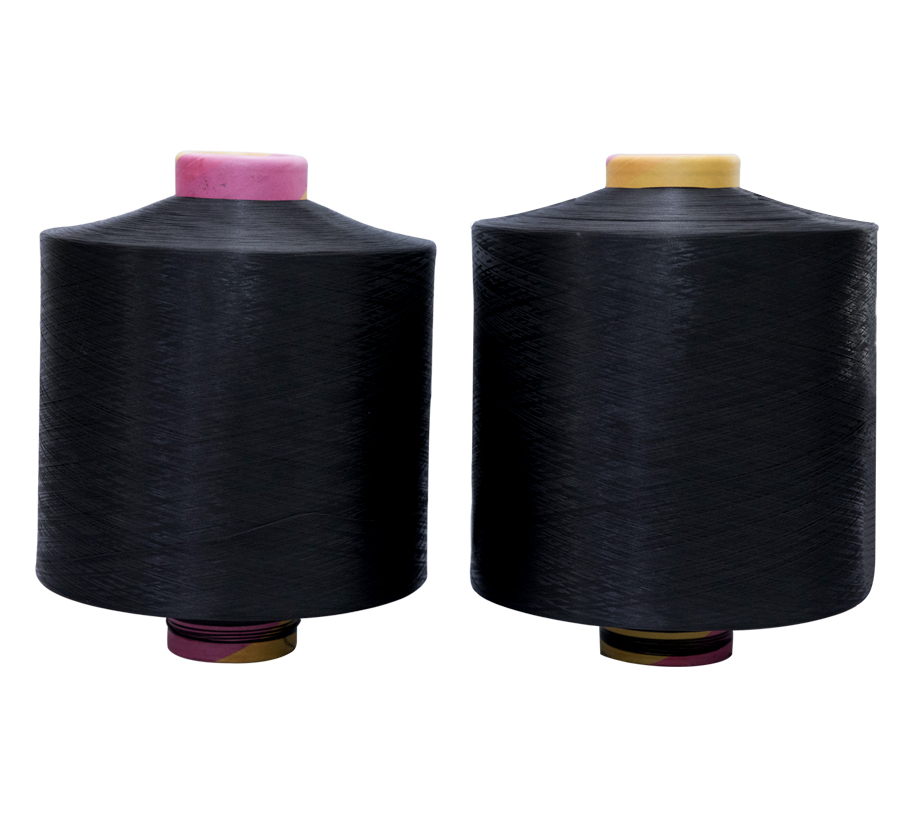
Sustainable 300D/96F Polyester Color Yarns BLACK NIM Product specifications:300D...
See Details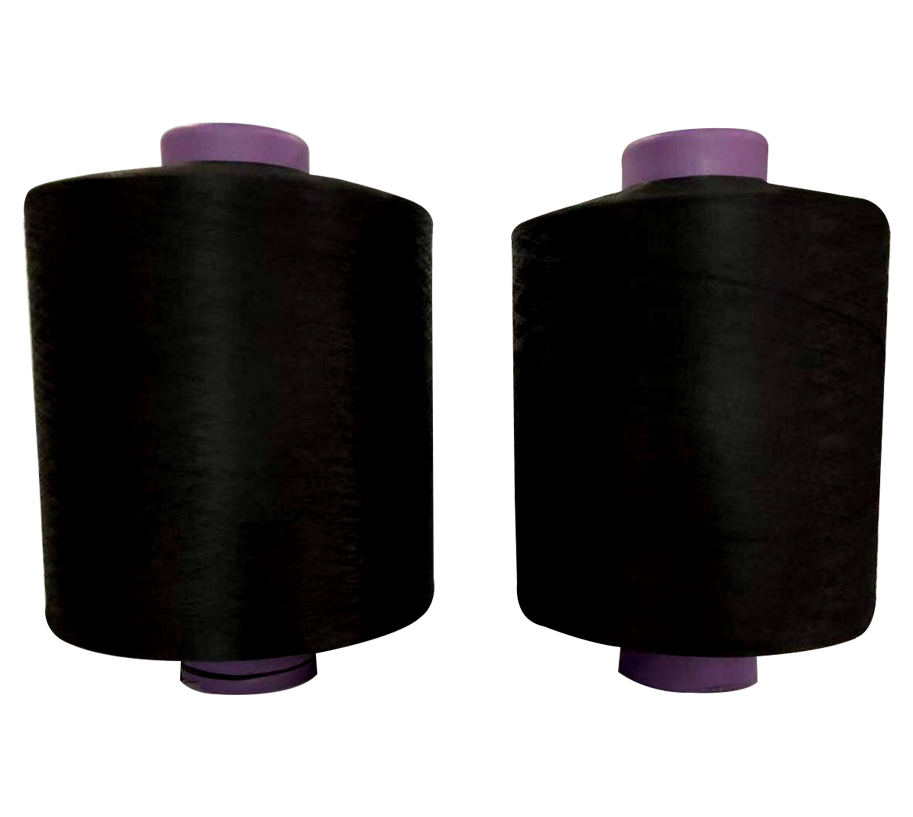
International Quality Standard 300D96F BLACK HIGH ELASTIC Polyester Yarn for Sea...
See Details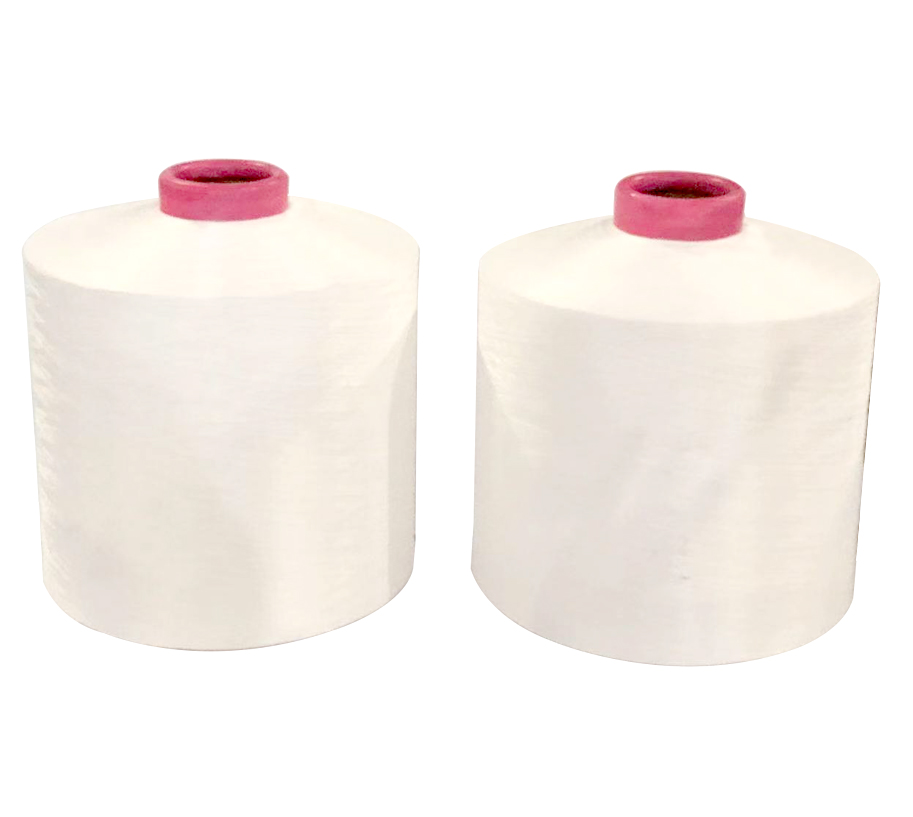
High Tenacity 600D/192F RW S+Z HIM Polyester Yarn Yarn Count: 600D/192F Color: R...
See Details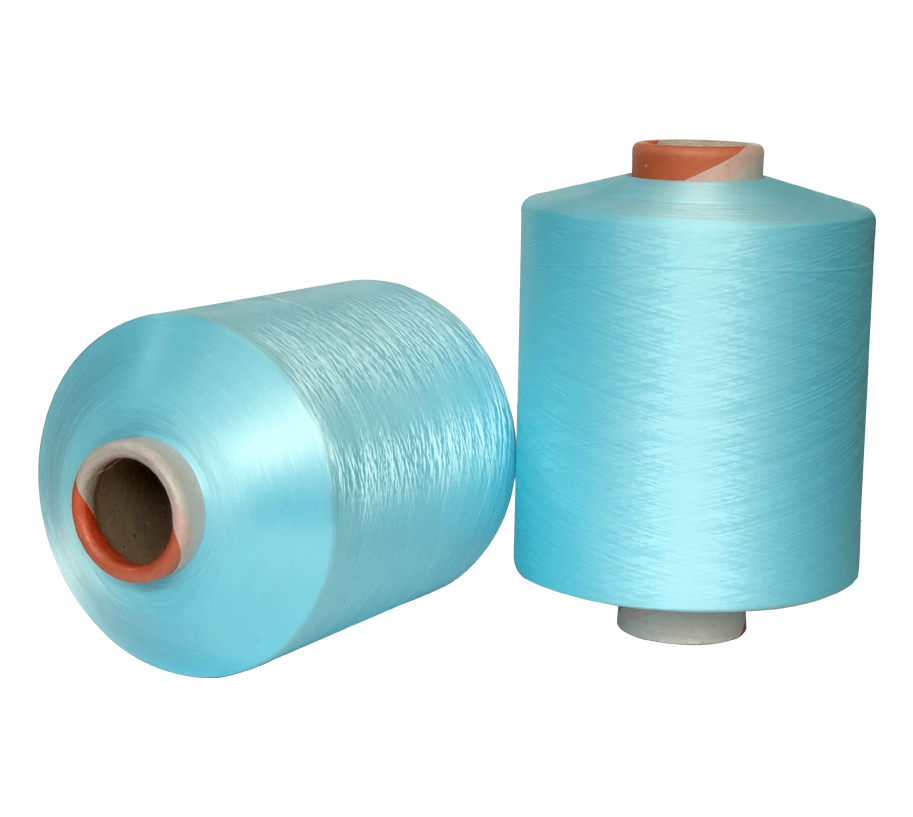
High Elastic 300D Magnolia Blue 99.99% Polyester Yarn for Weaving and KnittingCo...
See Details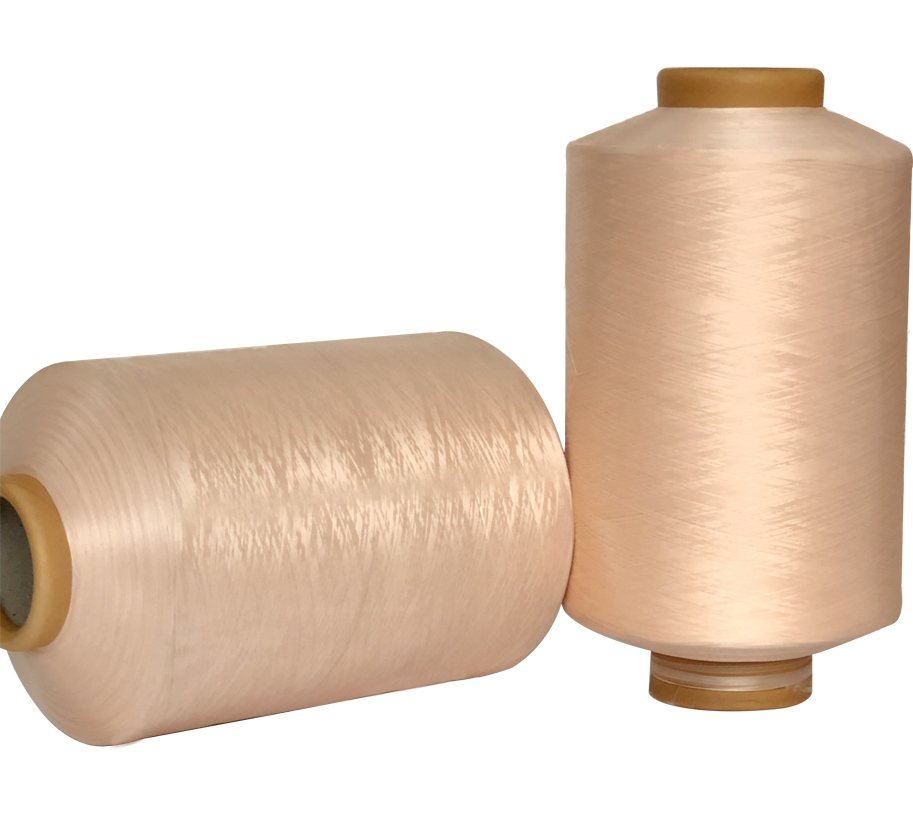
High Strength 300D Orange brown 99.99% Polyester Yarn for Embroidery/KnittingCol...
See Details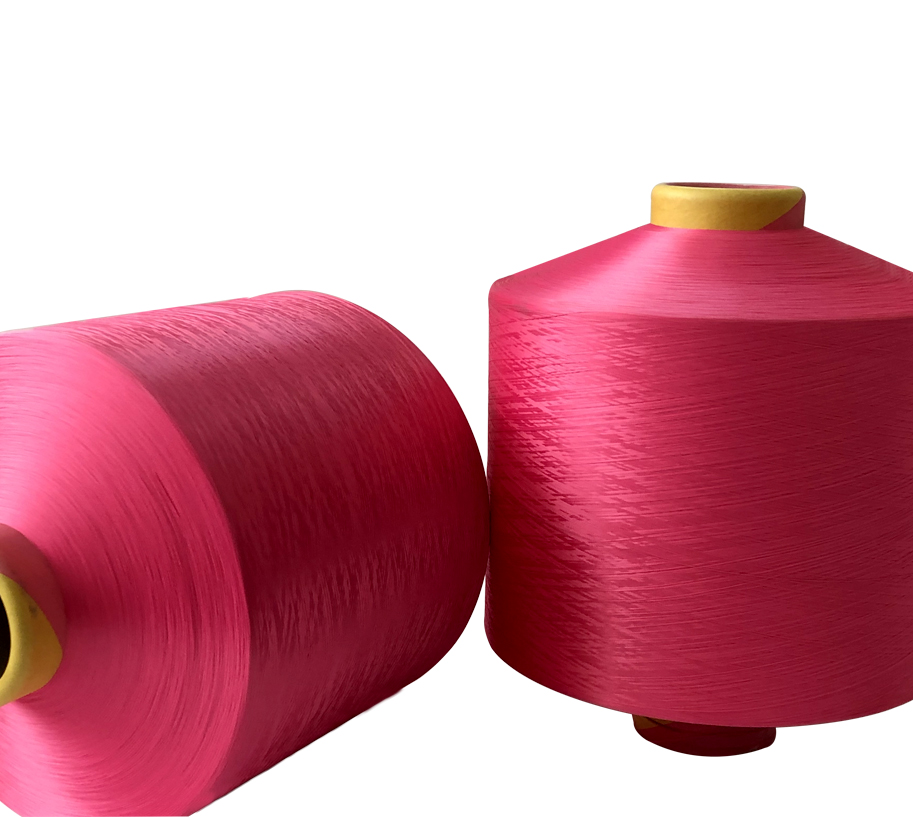
Durable 300D Rose Red 99.99% Polyester Yarn for Weaving & EmbroideryColor: R...
See DetailsCopyright © Hangzhou Dingkai Chemical Fibre Co., Ltd. All Rights Reserved.
Wholesale China Polyester DTY Yarns Factory