Call:+86-571-82912975
 https://www.dkyarn.com
 English
 中文简体
中文简体
White/Brown/Green 150D/48F DTY Yarn 99.99% Polyester AA Grade Eco-friendly Yarn ...
See Details

The definitive conclusion about polyester color yarn is that it represents the most efficient, durable, and cost-effective solution for modern textile manufacturing. Unlike traditional yarn that requires a separate dyeing process after weaving or knitting, this material has its color integrated directly into the fiber during the extrusion phase. This fundamental difference eliminates the most environmentally damaging and expensive steps in traditional textile production. Polyester color yarn drastically reduces water consumption, energy usage, and chemical waste while simultaneously delivering superior color fastness, consistent batch-to-batch quality, and exceptional physical strength. For any textile operation focused on scalability, sustainability, and long-term profitability, transitioning to or utilizing this yarn is not merely an option—it is a strategic necessity.
To fully appreciate the value of this material, one must understand how it differs from conventional textile inputs. Traditional fabric production generally follows a linear path: spinning raw fibers into white or grey yarn, knitting or weaving that yarn into raw fabric, and then immersing the fabric in large dye baths. This post-production dyeing process is resource-intensive and inherently prone to color inconsistencies.
Polyester color yarn bypasses the dye bath entirely. The colorant is introduced at the very beginning of the manufacturing cycle. When the raw polyester chip—which is essentially a thick, clear plastic derived from petroleum—is melted down, masterbatch color pellets are added to the melt. This colored liquid polymer is then forced through tiny holes in a spinneret, solidifying instantly into continuous colored filaments. These filaments are then stretched, textured, and spun into the final yarn. Because the color is locked inside the polymer matrix at a molecular level, it becomes an inseparable part of the fiber itself.
It is important to draw a clear line between solution-dyed polyester color yarn and package-dyed yarn. In package dyeing, conventional white yarn is wound onto perforated spools and placed in a pressure vessel where dye is forced through the yarn under high temperature. While this achieves color on the yarn stage rather than the fabric stage, it still relies on massive amounts of water, disperse dyes, and thermal energy to force the color molecules into the fiber. True polyester color yarn uses no water in its coloring process, representing a completely different technological approach.
The creation of this yarn is a marvel of chemical engineering and precision manufacturing. It requires strict control over temperatures, pressures, and timing to ensure the color is dispersed perfectly throughout the polymer.
The process begins with pure polyester chips. These chips are dried extensively in dehumidifying hoppers to remove any residual moisture. If moisture remains when the chips are melted, it can cause hydrolysis, which degrades the molecular weight of the polymer and results in weak, brittle yarn. Simultaneously, the color masterbatch—consisting of highly concentrated pigments dispersed in a carrier resin—is carefully weighed and blended with the natural chips in precise ratios.
The blended chips are fed into an extruder, a heated barrel containing a large screw. As the screw turns, it pushes the chips forward through progressively hotter zones. By the time the polymer reaches the end of the extruder, it has transformed into a highly viscous, homogeneously colored liquid. This liquid is pumped through a filter pack to remove any impurities and then forced through the spinneret. The spinneret can have dozens or hundreds of microscopic holes, shaping the liquid into fine filaments.
As the filaments emerge, they are cooled by quenching air and gathered into a bundle. At this stage, the polymer molecules are unaligned, meaning the yarn has very little strength. The yarn is passed through a series of heated rollers spinning at different speeds—a process known as drawing. This stretching aligns the polymer chains along the axis of the fiber, dramatically increasing tensile strength and elasticity. Finally, for applications requiring stretch and bulk—such as knitwear—the yarn may be passed through a texturing machine, which introduces crimps and loops into the filaments using heat and mechanical distortion.
The physical properties of polyester color yarn offer tangible benefits that directly impact the end-user's experience and the manufacturer's bottom line. These advantages go far beyond simply avoiding the dyeing process.
Because the pigment is trapped inside the polymer matrix, the color cannot be easily stripped away by external agents. Conventional dyes sit mostly near the surface of the fiber, making them susceptible to leaching. Polyester color yarn exhibits outstanding resistance to washing, rubbing, and perspiration. Furthermore, it possesses remarkable light fastness. While traditional dyed polyester may fade after prolonged exposure to ultraviolet radiation, polyester color yarn can withstand intense sunlight for extended periods without noticeable degradation, making it the definitive choice for outdoor applications like awnings, patio furniture, and automotive interiors.
The drawing process used in manufacturing imparts high tensile strength to the yarn. It resists breaking under heavy loads, making it suitable for industrial fabrics, seatbelts, and heavy-duty webbing. Additionally, the smooth surface of the synthetic filaments gives the yarn excellent abrasion resistance. Fabrics woven from this yarn can withstand constant friction without pilling or surface wear, extending the usable life of the final product significantly compared to natural fibers or spun synthetics.
Polyester is highly resistant to stretching and shrinking. Unlike cotton, which may shrink dramatically when washed in hot water, or wool, which can felt and shrink under agitation, polyester color yarn maintains its original dimensions. This dimensional stability is crucial for tailored garments, technical textiles, and any application where precise tolerances are required. The fabric will retain its shape and fit throughout its entire lifecycle.
The textile industry is one of the largest industrial polluters globally, primarily due to the dyeing and finishing processes. Polyester color yarn offers a pragmatic pathway to significantly reduce this environmental footprint while simultaneously improving economic margins.
Traditional dyeing of polyester requires immense amounts of water to carry the disperse dye, as well as large quantities of thermal energy to bring the dye bath to high temperatures and pressure. By comparison, the solution dyeing process used for polyester color yarn consumes practically no water and requires only the energy necessary to melt the polymer. Adopting solution-dyed yarns can reduce water usage in the coloration phase by nearly entirely, while cutting energy consumption by a substantial margin. This alleviates the strain on local water tables and reduces the volume of highly toxic dye effluent that must be treated before being discharged.
Eliminating the dyeing stage removes an entire step from the supply chain. Manufacturers no longer need to maintain expensive dyeing machinery, hire specialized dye technicians, or purchase large volumes of chemical dyes and auxiliaries. Furthermore, the turnaround time from raw material to finished fabric is drastically shortened. This speed allows manufacturers to respond much faster to market demands. There is also a significant waste reduction. Traditional dyeing often results in off-shade batches that must be heavily discounted or discarded. Because polyester color yarn is produced to an exact color specification from the very first filament, the reject rate is exceptionally low.
To understand where polyester color yarn fits into the broader textile landscape, it is helpful to compare it directly against other common yarn types across several critical performance metrics.
| Feature | Polyester Color Yarn | Conventionally Dyed Polyester | Natural Cotton Yarn |
|---|---|---|---|
| Color Application Stage | Extrusion (Melt Phase) | Post-production (Dye Bath) | Post-production (Dye Bath) |
| Water Consumption | Near Zero | Very High | Very High |
| Light Fastness | Excellent | Moderate to Good | Poor to Moderate |
| Wash Fastness | Excellent | Good | Moderate |
| Batch Consistency | Extremely High | Variable (Requires re-dyeing) | Variable |
| Moisture Absorption | Very Low | Very Low | High |
The unique combination of durability, color stability, and low moisture absorption makes this yarn suitable for a diverse array of applications, spanning from high fashion to heavy industry.
This is arguably the most natural fit for polyester color yarn. Products in this category face constant exposure to sun, rain, wind, and physical stress. The yarn is heavily utilized in the production of:
In these environments, traditional dyed fabrics would quickly fade and degrade. The inherent UV resistance and waterproof nature of the polyester fiber, combined with the indestructible color of solution dyeing, ensure a lifespan that far exceeds alternative materials.
The automotive industry demands exacting standards for its interior components. Fabrics used for car seat covers, headliners, and door panels must resist intense sunlight streaming through windshields, resist abrasion from passengers entering and exiting, and withstand rigorous cleaning chemicals. Polyester color yarn meets these stringent automotive testing standards effortlessly, providing a consistently colored, durable surface that does not rub off onto passengers' clothing or fade unevenly over the life of the vehicle.
While natural fibers dominate high-end fashion, polyester color yarn holds a massive share in the activewear, sportswear, and casual apparel segments. Its low moisture absorption means it wicks sweat away from the body and dries very quickly. When textured into a bulked yarn, it provides the stretch and softness necessary for comfortable garments. Furthermore, for athletic uniforms—such as soccer jerseys or running gear—the ability to hold a vibrant, non-fading color season after season, despite frequent harsh washing, is a critical selling point.
Carpets, rugs, curtains, and upholstery fabrics benefit immensely from the abrasion resistance and color fastness of this yarn. In a household setting, furniture and carpets endure constant friction, sunlight from windows, and frequent cleaning. Polyester color yarn ensures that a burgundy sofa remains burgundy, and a patterned carpet retains its contrast, without the dye transferring onto clothing or lighter adjacent fabrics.
While the benefits are substantial, manufacturers must approach the sourcing of polyester color yarn with a clear understanding of their specific needs and the limitations of the material.
Because the color is added during the polymer extrusion phase, changing colors is not as simple as mixing a new dye batch. Setting up an extruder for a new color requires purging the system of the previous color, which results in material waste and machine downtime. Consequently, suppliers enforce strict Minimum Order Quantities for custom colors to make the setup costs economically viable. Buyers must plan their color palettes well in advance and commit to larger volumes per color, reducing their ability to react to sudden, short-term color trends in the fashion market.
Creating a heathered or melange look—a fabric that appears to have a subtle, multi-tonal speckled effect—is more challenging with solution dyeing. In traditional methods, this is easily achieved by blending different colored fibers before spinning. With polyester color yarn, achieving this effect requires either spinning together different colored solution-dyed filaments simultaneously or using specialized masterbatches that create an optical illusion of heathering within a single filament. Buyers must communicate these aesthetic requirements clearly to ensure the supplier has the technical capability to produce the desired visual texture.
Not all pigments are created equal. While solution dyeing generally offers superior light fastness, specific pigment chemistries perform differently under UV exposure. A pigment used for a deep navy might last for years outdoors, while a pigment used for a bright yellow might degrade faster under the same conditions. Sourcing professionals must always request standardized lightfastness test results—typically measured by the Blue Wool Scale or Xenon arc testing—from the yarn supplier to ensure the specific color chosen matches the environmental demands of the end product.
The evolution of polyester color yarn is inextricably linked to the broader shifts in global manufacturing, particularly regarding sustainability and circular economy models.
One of the most significant trends is the merging of solution dyeing with recycled polyester. Post-consumer plastic bottles are cleaned, chopped, and melted down to create rPET chips. Historically, a major challenge with rPET was achieving dark or consistent colors, as the base recycled plastic often carries slight impurities or varies in base tint. However, by using highly concentrated masterbatches during the rPET extrusion process, manufacturers can produce polyester color yarn made entirely from recycled bottles that possesses the same color consistency and fastness as virgin polyester. This combination results in a textile input that is both free of water-wasting dye processes and derived from diverted plastic waste, representing a massive leap forward in environmental stewardship.
Chemical companies are continuously developing new pigment formulations that are smaller in particle size and more easily dispersed within the polymer melt. These advancements allow for brighter, cleaner colors, improved filament strength, and even the incorporation of functional additives into the color masterbatch. For example, modern masterbatches can combine a specific color with antimicrobial agents, flame retardants, or UV stabilizers, infusing the final polyester color yarn with multiple performance characteristics in a single, efficient manufacturing step.
The historically slow process of lab-dipping and physical color matching for custom solution-dyed yarns is being streamlined by digital technology. Advanced spectroscopy and AI-driven color-matching software allow suppliers to predict the exact masterbatch formula required to match a physical swatch or digital design file with unprecedented accuracy. This reduces the development time for new colors from weeks to days, mitigating one of the primary historical drawbacks of solution-dyed polyester color yarn.
Polyester color yarn is not a passing trend, but a fundamental technological shift in how the textile industry approaches color application. By moving the coloration process from the wet, chaotic environment of the dye house to the dry, highly controlled environment of the extruder, the industry gains a level of efficiency, consistency, and environmental responsibility that traditional methods simply cannot match. While it requires careful planning regarding order volumes and color selection, the long-term benefits in terms of product durability, supply chain simplification, and ecological impact make it an indispensable material for modern textile manufacturing. As recycling technologies and pigment chemistries continue to advance, the dominance of this yarn type will only expand further across all sectors of the global textile market.
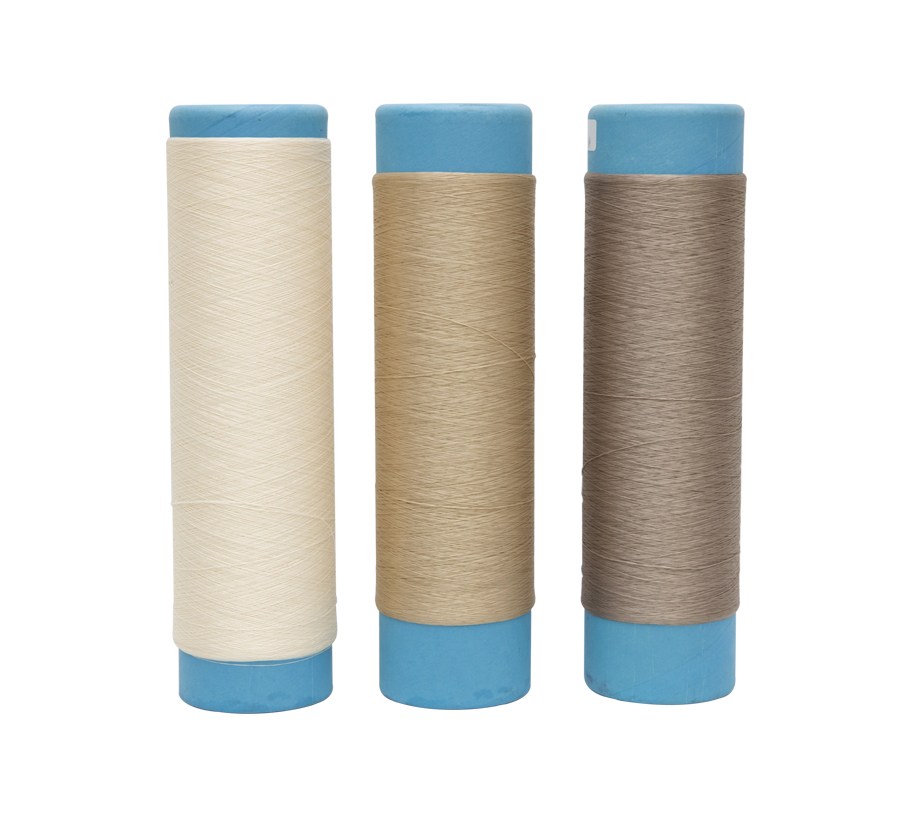
White/Brown/Green 150D/48F DTY Yarn 99.99% Polyester AA Grade Eco-friendly Yarn ...
See Details
Sustainable 300D/96F RW HIM 99.99% Polyester Yarn for Embroidery Material: 99.99...
See Details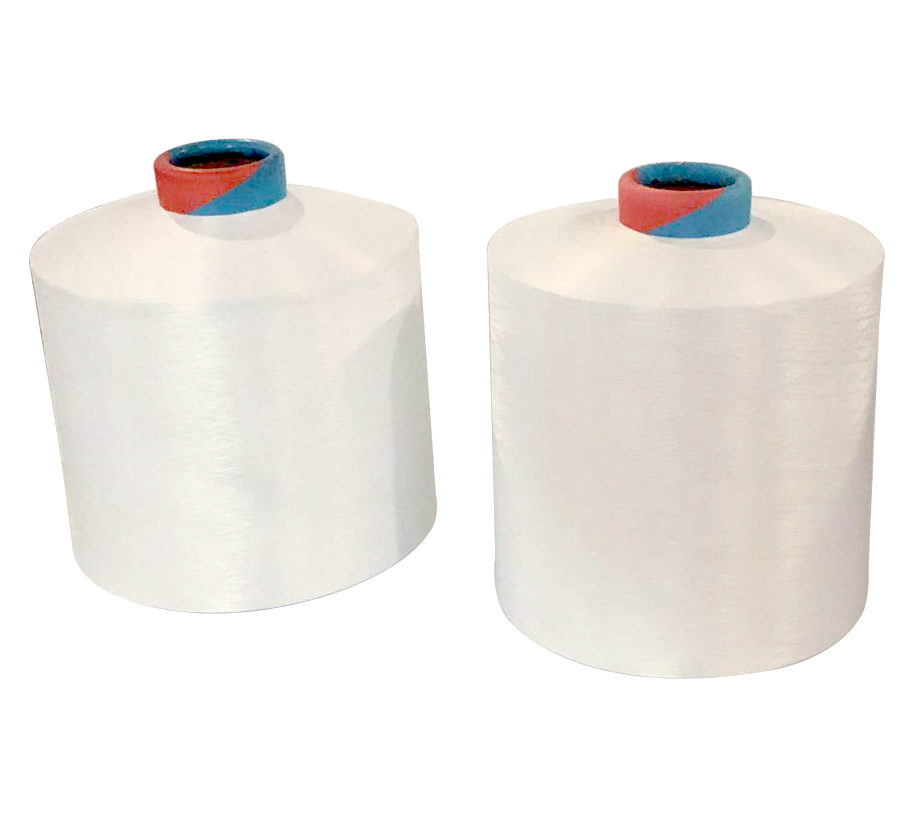
Recycled 150D48F RW HIM Polyester Yarn Type: Polyester Yarn Pattern: Raw Technic...
See Details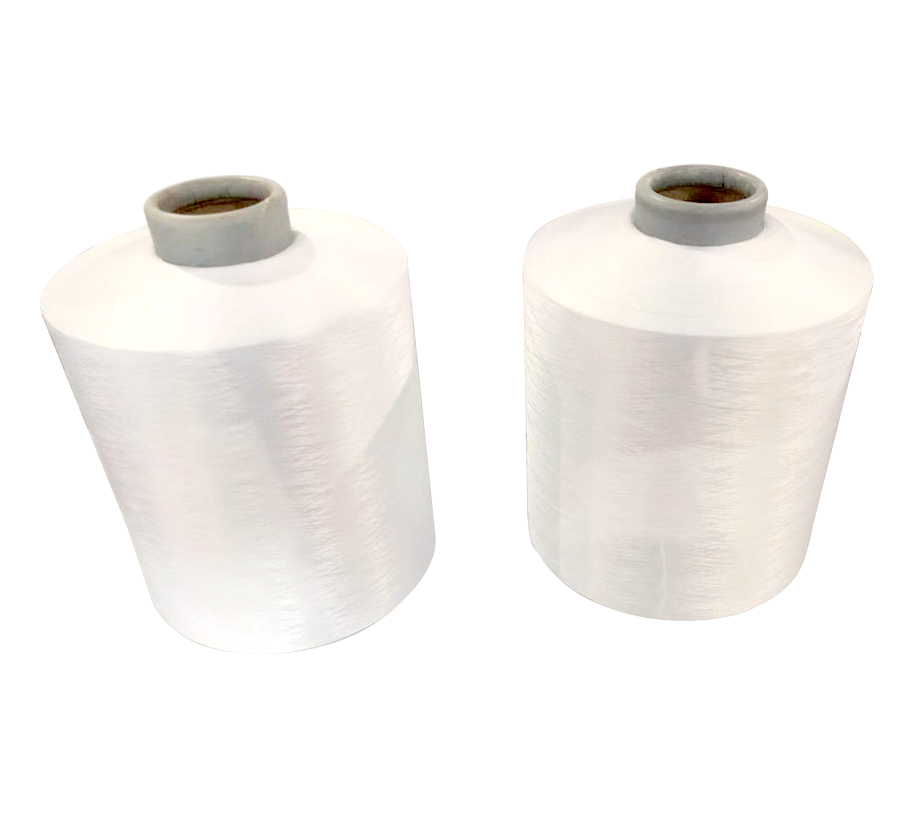
Sustainable 300D/96F RW NIM Polyester Sd Yarn Yarn Count: 300D/96F Color: white ...
See Details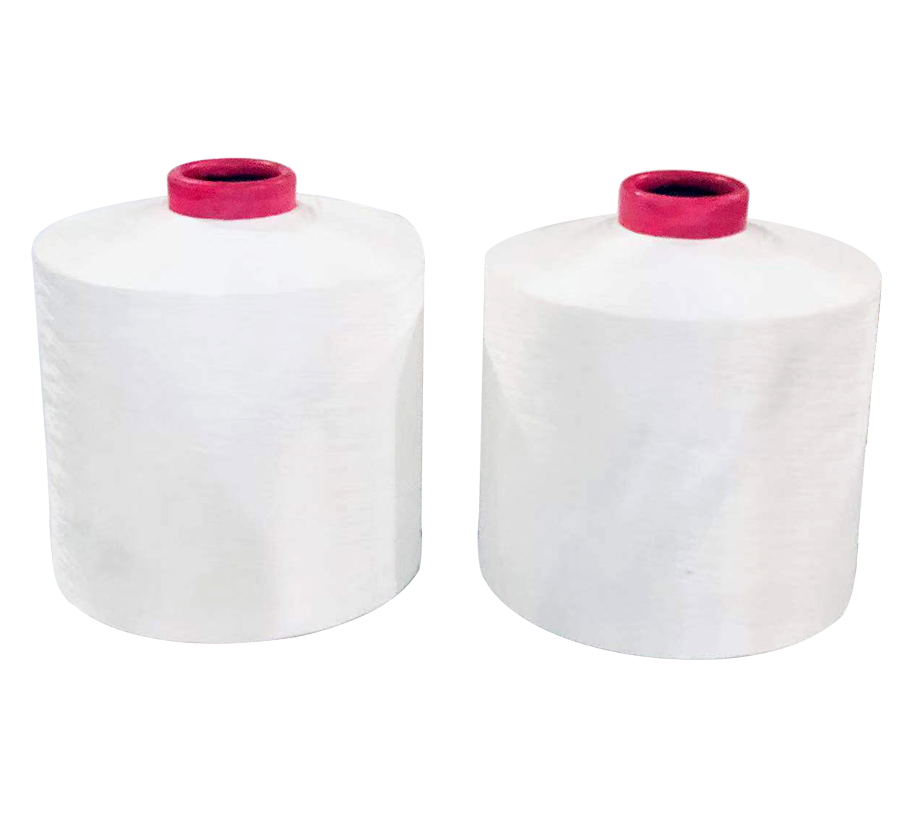
Yarn Count: 600D/192F SD RW HIM Draw Texturing Yarn Size: 600D/192F Twist: S+Z C...
See Details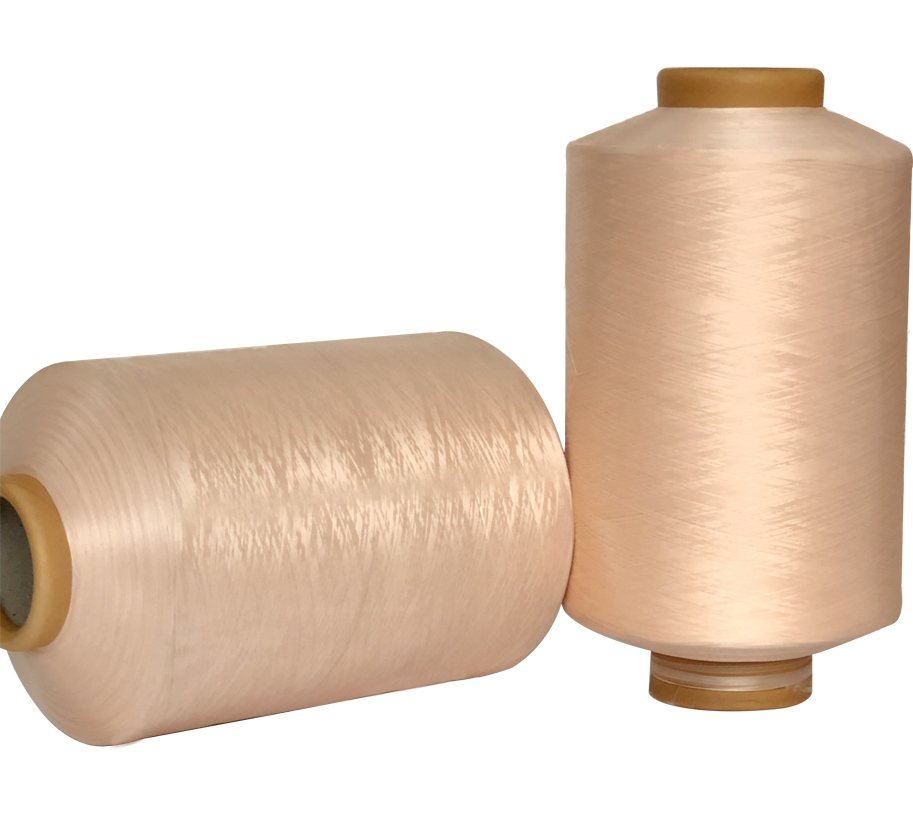
High Strength 300D Orange brown 99.99% Polyester Yarn for Embroidery/KnittingCol...
See DetailsCopyright © Hangzhou Dingkai Chemical Fibre Co., Ltd. All Rights Reserved.
Wholesale China Polyester DTY Yarns Factory