 Call:+86-571-82912975
 https://www.dkyarn.com
 English
 中文简体
中文简体
Yellow Orange China 300D/96F Dty Polyester Yarn Eco-friendly Recycle Dty Yarn Fo...
See Details

Cotton fabric is a textile spun from the seed hairs of plants in the Gossypium genus, and three structural facts explain nearly everything about its behavior: the fiber is roughly 90 percent cellulose, it grows as a single hollow cell, and it has almost no natural stretch.
Because the yarn is staple-spun, the fabric surface keeps a matte, slightly hairy hand that softens wash after wash. The hollow lumen down the center of each fiber gives cotton its appetite for water, while the near-zero elastic recovery, usually 5 to 10 percent elongation before the fabric holds a crease, explains the wrinkling. The specifications below are the ones worth asking a supplier for before you commit to a bulk run.
| Property | Typical range | What it means in production |
| Moisture regain | 8.5 percent at 20 C, 65 percent RH | Drives comfort, slow drying, and dimensional change |
| Tensile strength | 3 to 5 g per denier, 10 to 20 percent stronger wet | Survives repeated laundering, weaker than filament polyester |
| Elastic recovery | 5 to 10 percent elongation | Low resilience, visible wrinkling under wear |
| Heat tolerance | Stable for ironing up to about 200 C | Takes high temperature finishing and pressing |
| Staple length | 22 to 40 mm depending on grade | The main quality and price lever in spinning |
| Cellulose content | About 90 percent | Bonds reactive dyes for high color yield |
Cotton feels cool in heat because its cellulose walls form hydrogen bonds with water vapor, pulling sweat off the skin and releasing it as it evaporates.
Even as spun yarn, cotton holds 8.5 percent moisture at equilibrium. That stored moisture makes cotton bedding and shirts comfortable in dry heat, and it is also why cotton dyes and prints so reliably: reactive dyes bond directly to the hydroxyl groups in cellulose, producing wash-fast shades. The trade-off is drying time. A cotton towel stays damp far longer than a polyester one, and goods packed away above roughly 9 percent moisture content can mildew inside a shipping container.
Staple length is the strongest single predictor of cotton quality: longer fibers mean fewer weak points in the spun yarn, which shows up as smoother, stronger, more even fabric.
Cotton is graded on the length of its fibers. Short staple below 25 mm feeds value basic fabrics. Medium staple from 25 to 28 mm covers most of the world upland crop. Long staple from 28 to 34 mm and extra-long staple above 34 mm, including Egyptian, Pima, and Supima cotton, spin the fine, lustrous yarns behind premium shirting and bedding. Spinners also test micronaire, a combined measure of fineness and maturity; the accepted window runs roughly 3.5 to 4.9, and lots outside it tend to dye unevenly or nepp during carding. On strength, cotton tenacity sits near 3 to 5 g per denier, and unlike most fibers it is 10 to 20 percent stronger wet, one reason cotton sheets survive industrial laundering.
Budget for 2 to 5 percent shrinkage in unfinished cotton, visible wrinkling in wear, and the slowest drying time among common apparel fibers.
Water and heat relax the hydrogen bonds inside cellulose, so unfinished cotton contracts on its first wash and creases wherever the wearer folds. Sanforization, a mechanical pre-shrink finishing step, pulls residual shrinkage down to around 1 percent and should be a standing requirement on bulk orders.
Choose 100 percent cotton for skin comfort, heat tolerance, and natural hand; choose polyester DTY filament yarn for dimensional stability, fast drying, and steadier pricing. Cotton still covers roughly one fifth of world fiber demand, so the comparison is a daily sourcing decision, not a theoretical one.
| Property | Cotton | Polyester DTY |
| Moisture regain | 8.5 percent | 0.2 to 0.4 percent |
| Strength when wet | 10 to 20 percent stronger | Unchanged, high tenacity |
| Elastic recovery | Low, wrinkles easily | Good; high-elastic DTY for stretch |
| Drying speed | Slow | Fast |
| Shrinkage | 2 to 5 percent unfinished | Low, dimensionally stable |
| Coloration | Reactive dye bath after weaving | Dope-dyed color or disperse dye |
| Best suited to | Bedding, shirts, towels | Sportswear, linings, home textiles |
Most buyers meet these fibers as complements rather than rivals. For benchmarking filament constructions against cotton-rich ones, a 300D/96F raw-white NIM DTY is the reference spec many weaving mills start from.
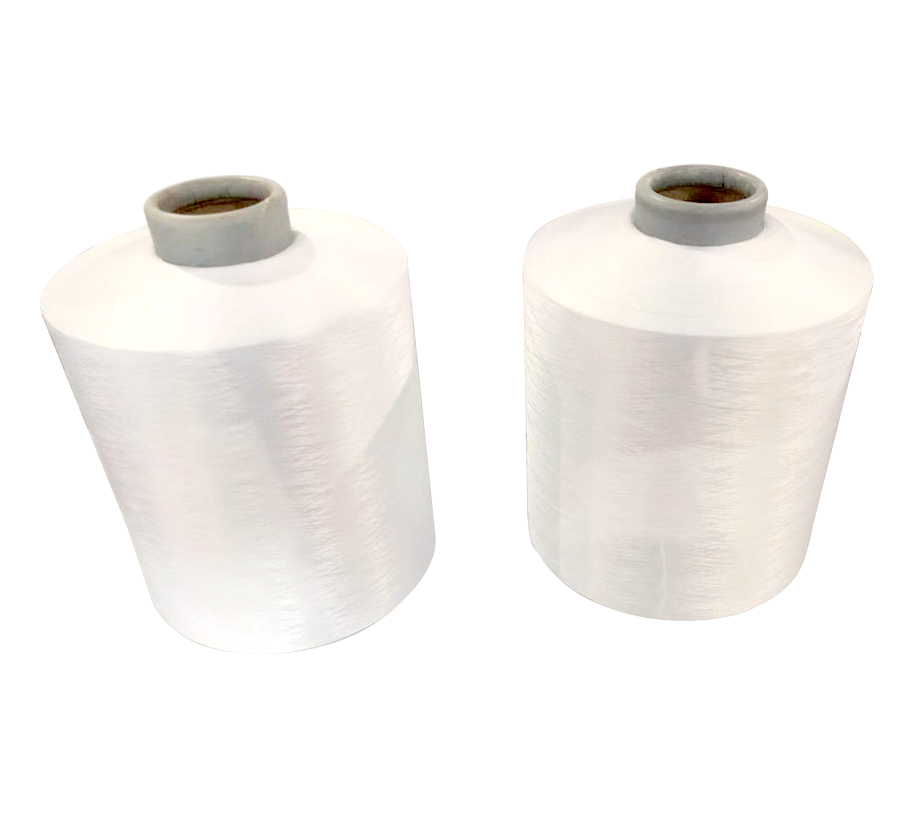 300D/96F Raw White NIM DTY Polyester YarnThis dope-textured filament offers tenacity of at least 3.30 cn/dtex and controlled crimp stability, making it a practical baseline spec for weaving mills benchmarking against cotton-rich constructions.View Product →
For background on how the synthetic side behaves across these same properties, this overview of polyester fabric fundamentals is a useful companion.
Cotton dyes beautifully, but shade consistency across dye lots is its weak point; dope-dyed polyester color yarn locks pigment inside the filament before the yarn even exists.
Reactive dyes give cotton strong wash fastness, and it prints well, which is why cotton dominates printed apparel. The production risk sits in lot matching: every dye batch can drift a shade, and aligning batches across suppliers costs time and rework. With colored polyester yarn, pigment is mixed into the polymer before melt spinning, so navy stays navy from the first kilogram to the last, with no dye-house step at all. Colored 300D/96F is the workhorse spec in this category.
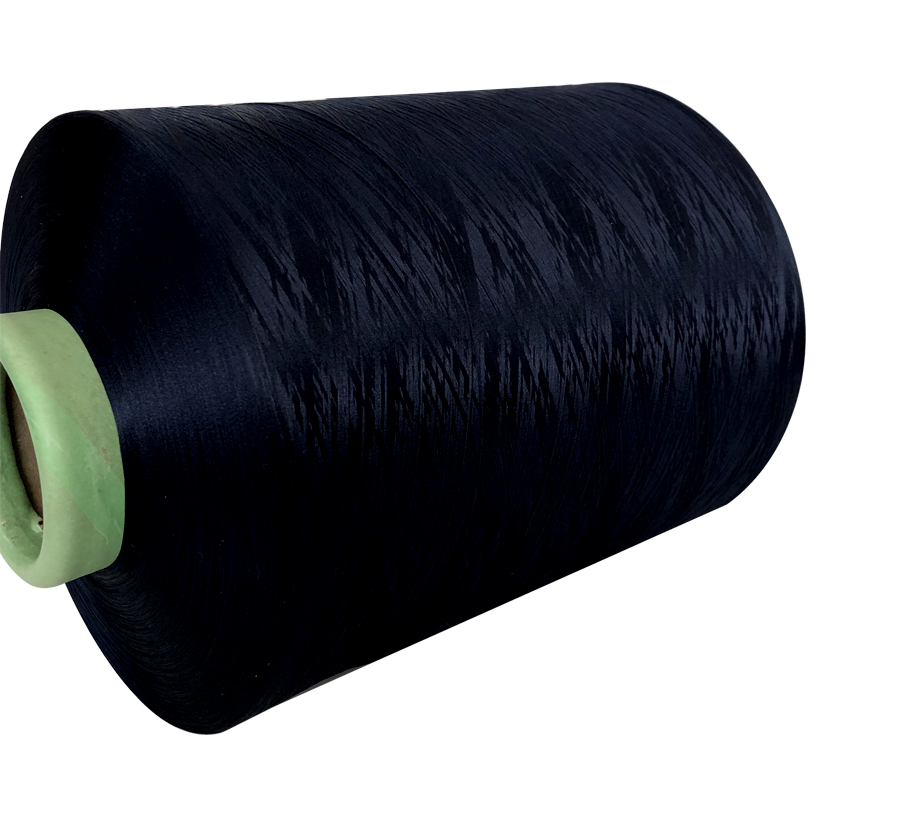 300D Navy Dope Dyed Polyester Filament YarnPigment is mixed into the polymer before melt spinning, so the navy shade stays consistent from first kilogram to last without any dye-house step, eliminating the lot-matching risk common with reactive dyes.View Product →
Cotton on its own recovers poorly from stretch, so denim, shirting, and knitwear that need comfortable give rely on a spandex core, typically 2 to 5 percent by weight.
Covered spandex wrapped in cotton or poly-cotton keeps the natural hand while adding recovery that pure cellulose cannot deliver. Counts run from 15D for fine, sheer knits up to 1120D for heavy covered yarns, covering everything from socks and underwear to stretch denim. The blend ratio matters: below about 2 percent the fabric barely stretches, and above about 5 percent it starts to lose the cotton character buyers paid for.
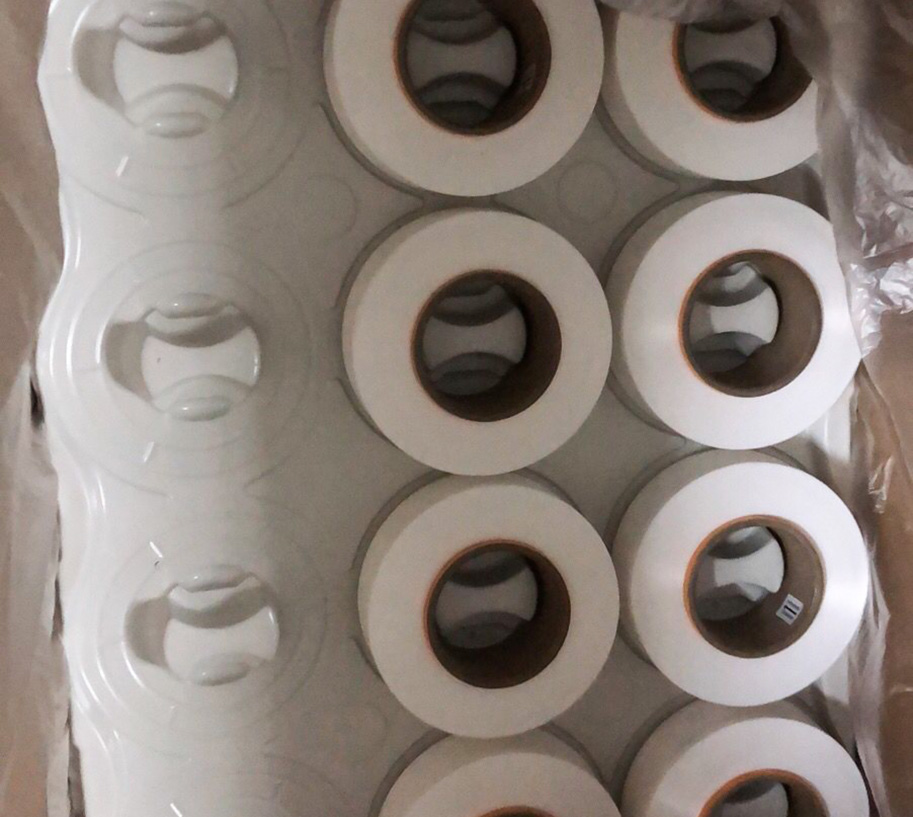 15D-1120D Cotton Covered Spandex YarnCovered spandex wrapped in cotton or poly-cotton preserves a natural hand while adding elastic recovery pure cellulose lacks, with counts spanning fine sheer knits through heavy stretch denim applications.View Product →
Softness, 8.5 percent moisture regain, breathability, strength that increases 10 to 20 percent when wet, low elastic recovery, and heat tolerance up to about 200 C. It dyes and prints well and is hypoallergenic for most wearers.
Water and heat relax the hydrogen bonds in cellulose. Unfinished fabric shrinks 2 to 5 percent on first washing, while sanforized fabric is controlled to about 1 percent. Wrinkling follows from the same low resilience.
Wet. Cotton gains roughly 10 to 20 percent tensile strength when saturated, which is unusual among fibers and explains its durability in towels and industrial laundering.
For dry heat and low activity, cotton: it absorbs sweat and cools by evaporation. For heavy activity, polyester wicks and dries fast, so many buyers specify poly-cotton blends to capture both behaviors.
Key takeaway: judge cotton by numbers you can verify, including staple length, micronaire, moisture regain, and residual shrinkage, not by hand feel alone.
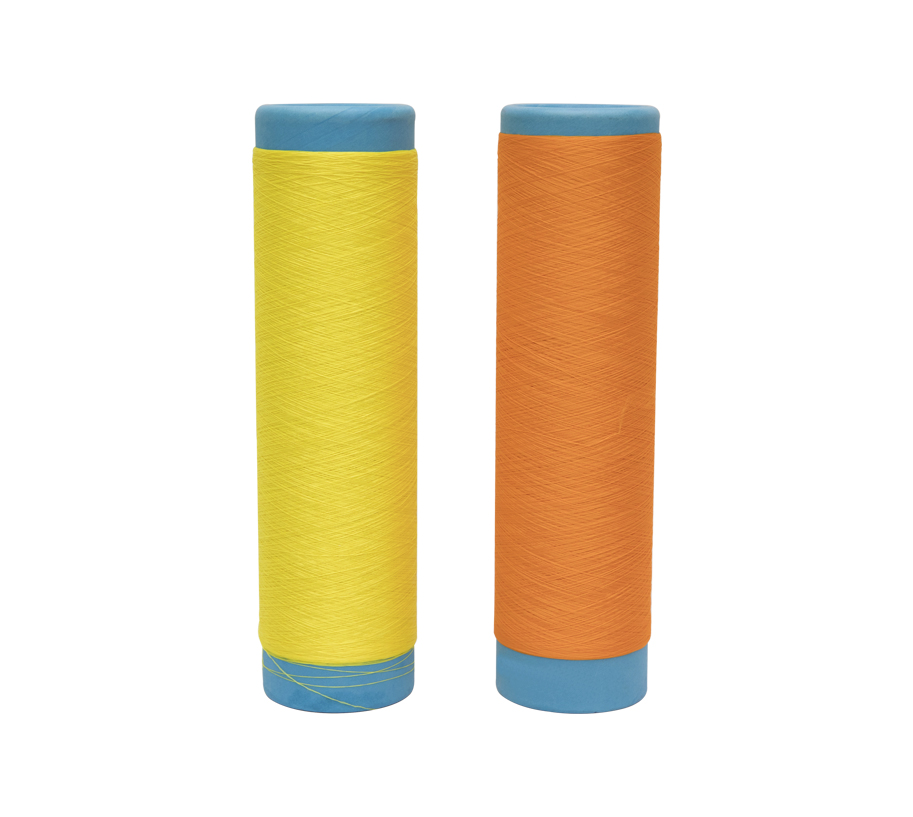
Yellow Orange China 300D/96F Dty Polyester Yarn Eco-friendly Recycle Dty Yarn Fo...
See Details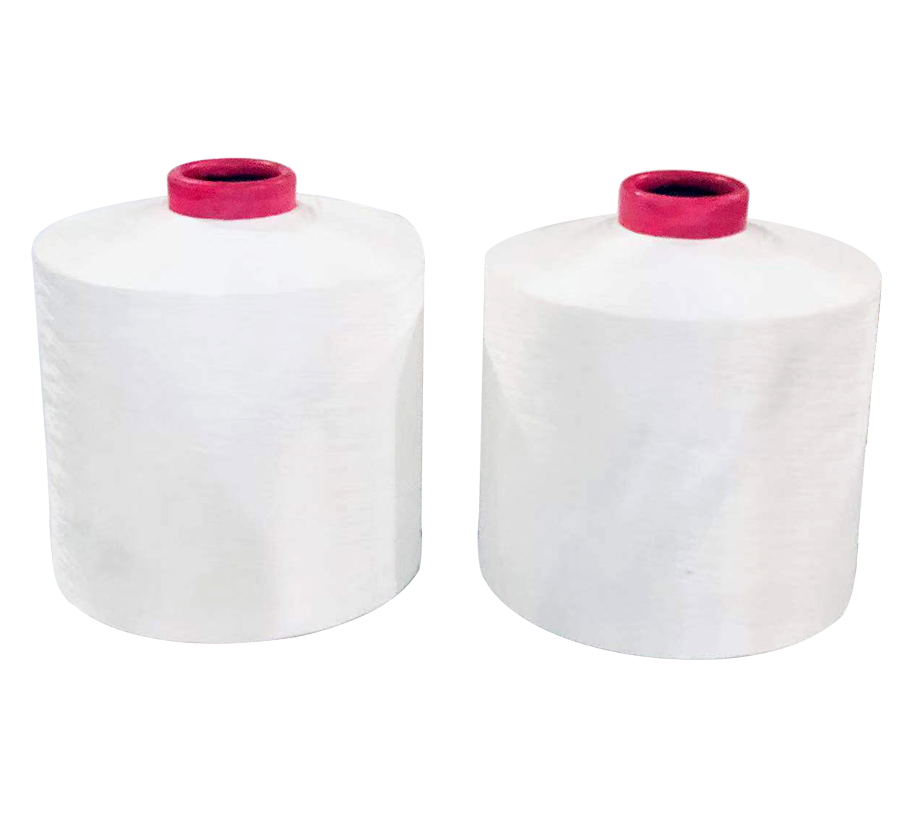
Yarn Count: 600D/192F SD RW HIM Draw Texturing Yarn Size: 600D/192F Twist: S+Z C...
See Details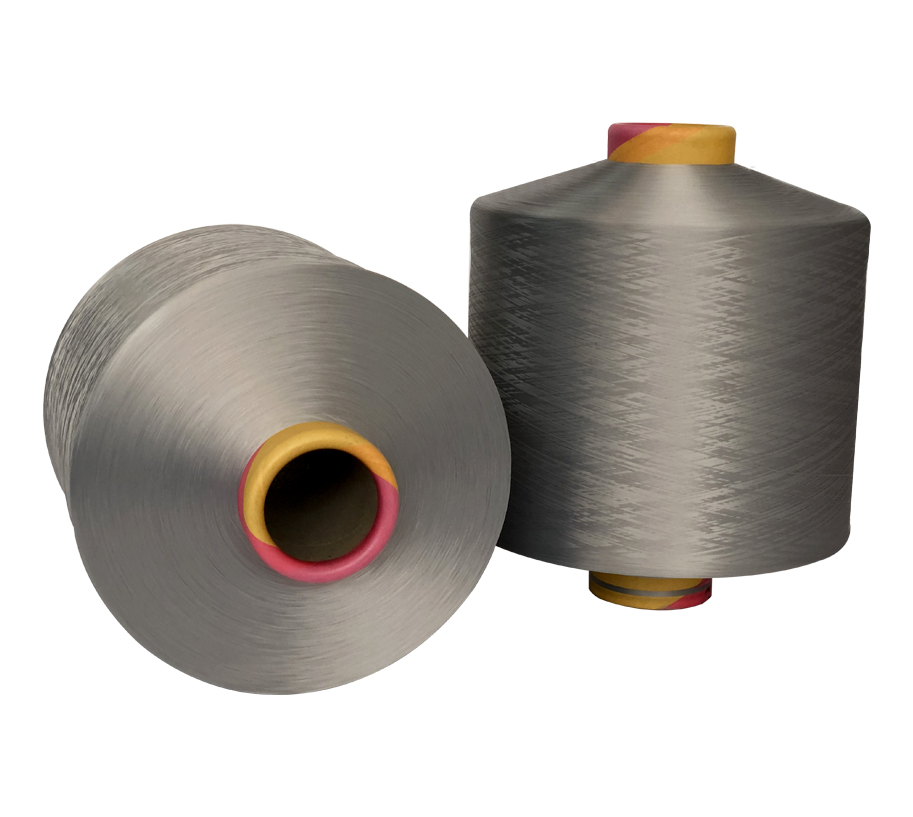
New Style 300d Gray 99.99% Polyester Yarn Eco-friendly OEM DTY Polyester Yarn St...
See Details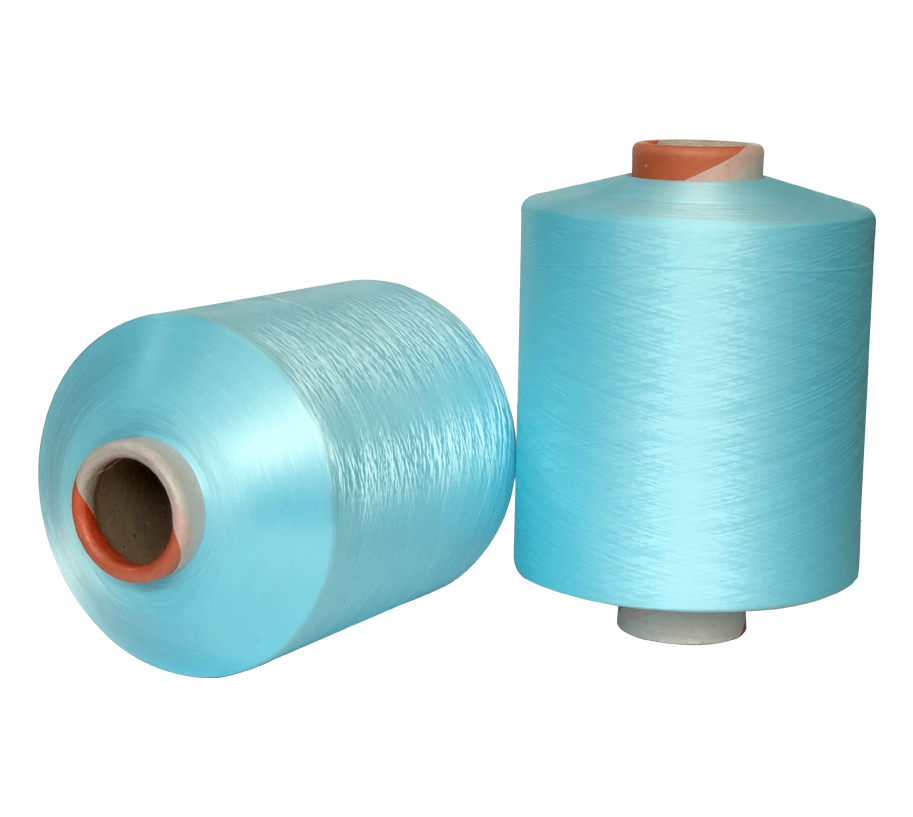
High Elastic 300D Magnolia Blue 99.99% Polyester Yarn for Weaving and KnittingCo...
See Details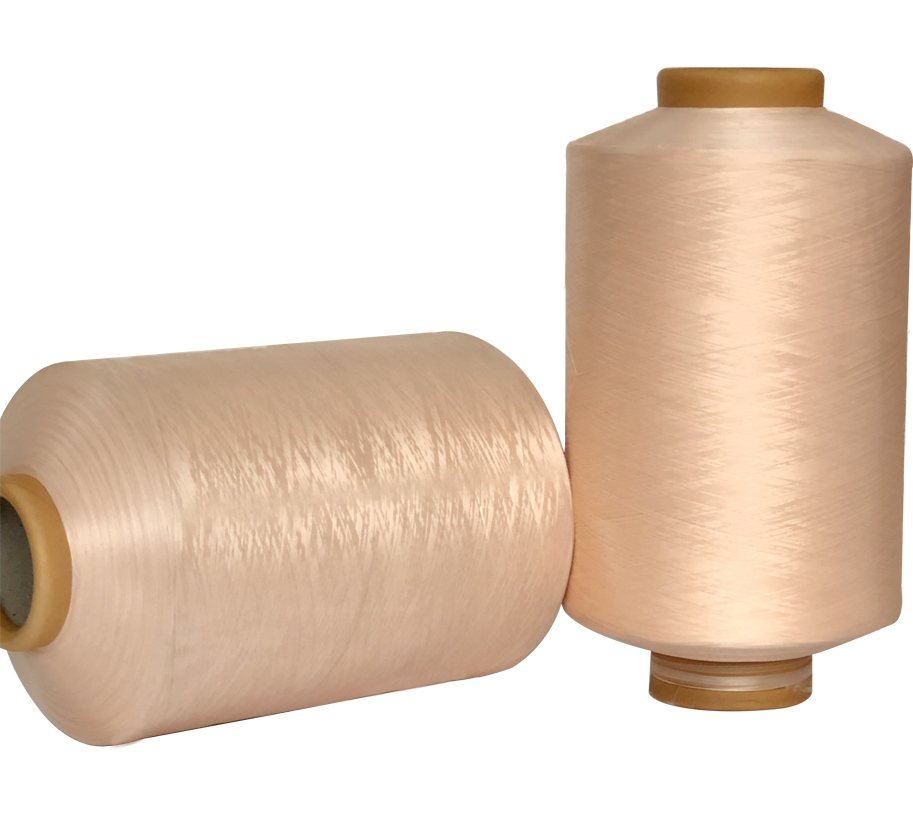
High Strength 300D Orange brown 99.99% Polyester Yarn for Embroidery/KnittingCol...
See Details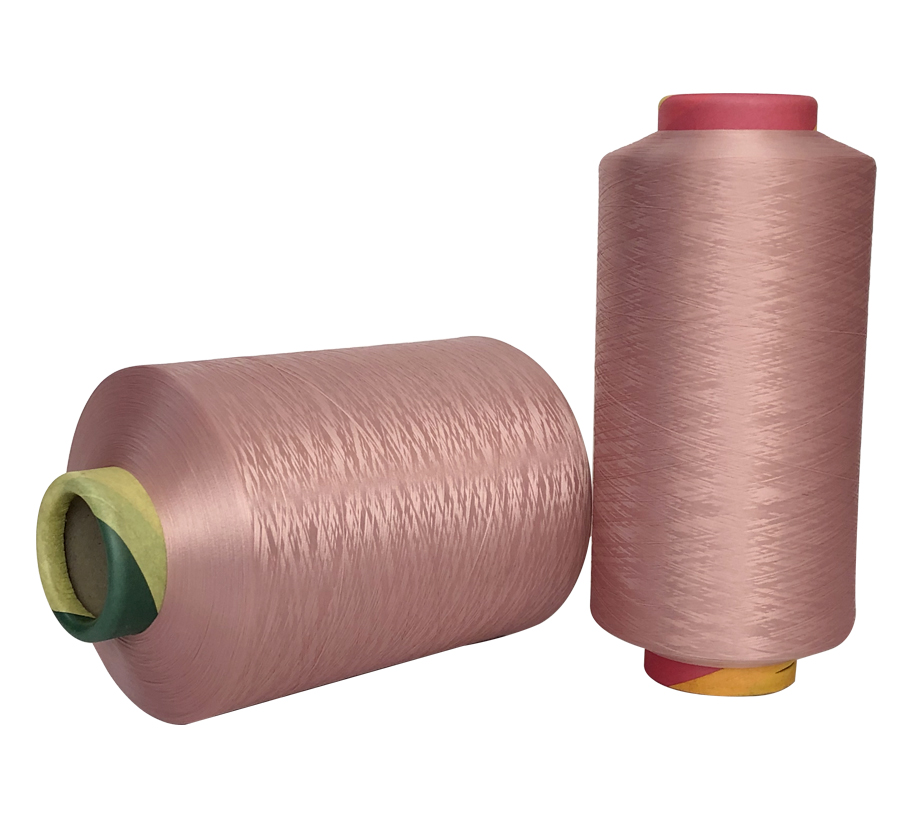
300D Rubber Red 99.99% Polyester Yarn for Knitting & Weaving Color: Rubber R...
See Details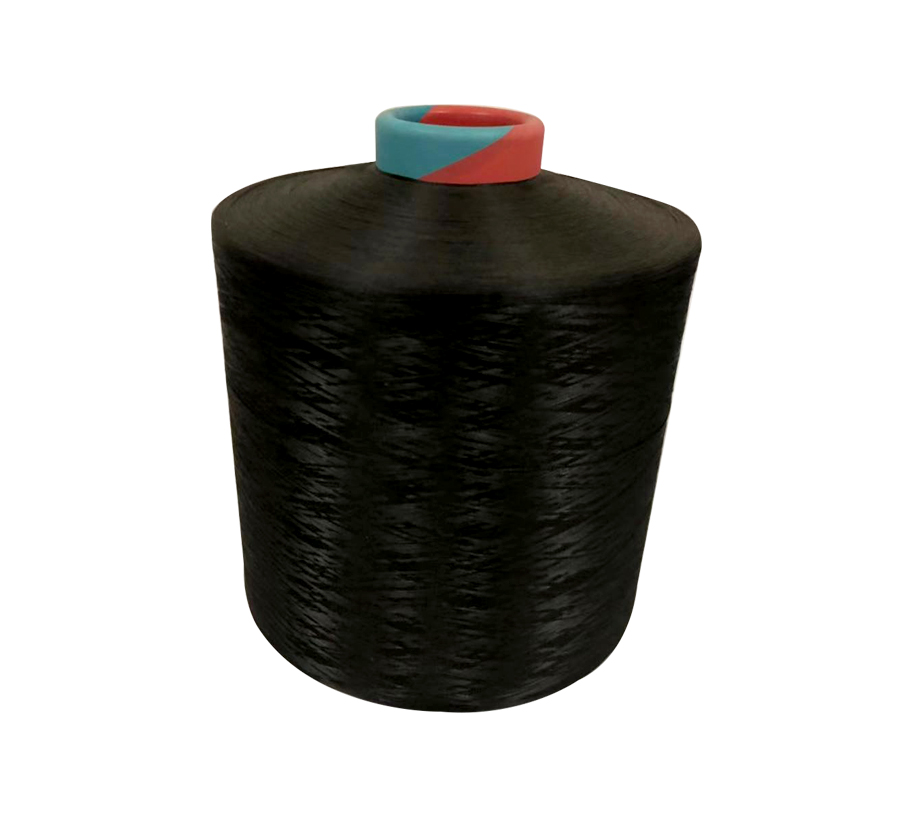
Name: 75D/36F BLACK NIM Polyester Yarn Color: Black Denier: 75D/36F Material: 99...
See Details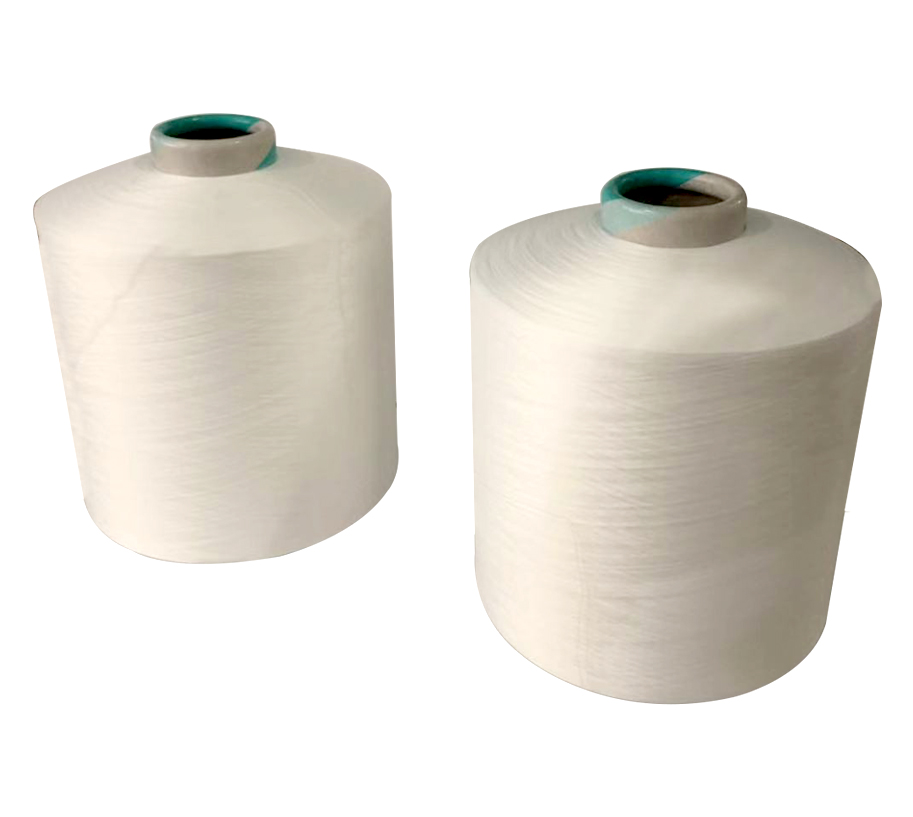
Anti-Bacteria 75D36F RW NIM(WHIT LITTLE INTEREMINGLE) Polyester Yarn Yarn Count:...
See DetailsCopyright © Hangzhou Dingkai Chemical Fibre Co., Ltd. All Rights Reserved.
Wholesale China Polyester DTY Yarns Factory
