Call:+86-571-82912975
 https://www.dkyarn.com
 English
 中文简体
中文简体
Functional White High elastic polyester yarn Eco-friendly high stretch Yarn for ...
See Details

Choosing the wrong yarn colorant method costs manufacturers far more than a shade mismatch. It costs rework hours, wasted water, and fading fabric returns. Dope dyed polyester yarn solves this by locking pigment inside the fiber itself before a single filament is spun, and understanding how to specify it correctly is the difference between a five-year fabric and a five-month one.
Dope dyed polyester yarn is polyester fiber colored during melt production, not after it. Pigment or color masterbatch is blended directly into molten polyester chips before extrusion, so the color becomes a structural part of every filament rather than a surface coating. This single difference in process order is why the yarn resists washing, friction, and UV exposure so much better than fiber dyed post-production.
In practical terms: traditional yarn is dipped in dye after the fiber already exists. Dope dyed polyester yarn is colored while the fiber is still liquid polymer, which means the pigment cannot wash or rub off the surface because it was never only on the surface.
Buyers comparing colorant methods should weigh coloring stage, resource use, and end application before ordering bulk volume.
| Coloring Method | Pigment added before spinning | Yarn dyed after fiber production |
| Color Fastness | Excellent, embedded in fiber | Depends on dye quality/process |
| Water Consumption | Very low | High, dyeing-intensive |
| Best Fit | Outdoor, automotive, sustainable lines | General indoor textile use |
Specifying dope dyed polyester yarn correctly means matching yarn construction to end-use stress, not just picking a color code off a chart.
A yarn is only as durable as its weakest test result. If a supplier cannot produce UV, wash, and abrasion data on request, treat the color claims as unverified.
Raw material cost can be slightly higher, but eliminating separate dyeing steps typically lowers total production cost at scale.
Yes. Recycled polyester chips can be pigmented using the same masterbatch process, supporting circular textile production.
Most outdoor and automotive applications should require a minimum grade 4 rating on standardized wash and light fastness tests.
Modern masterbatch technology supports a wide custom color range, though very light pastel shades can be harder to match precisely than dark or saturated tones.
 |
 |
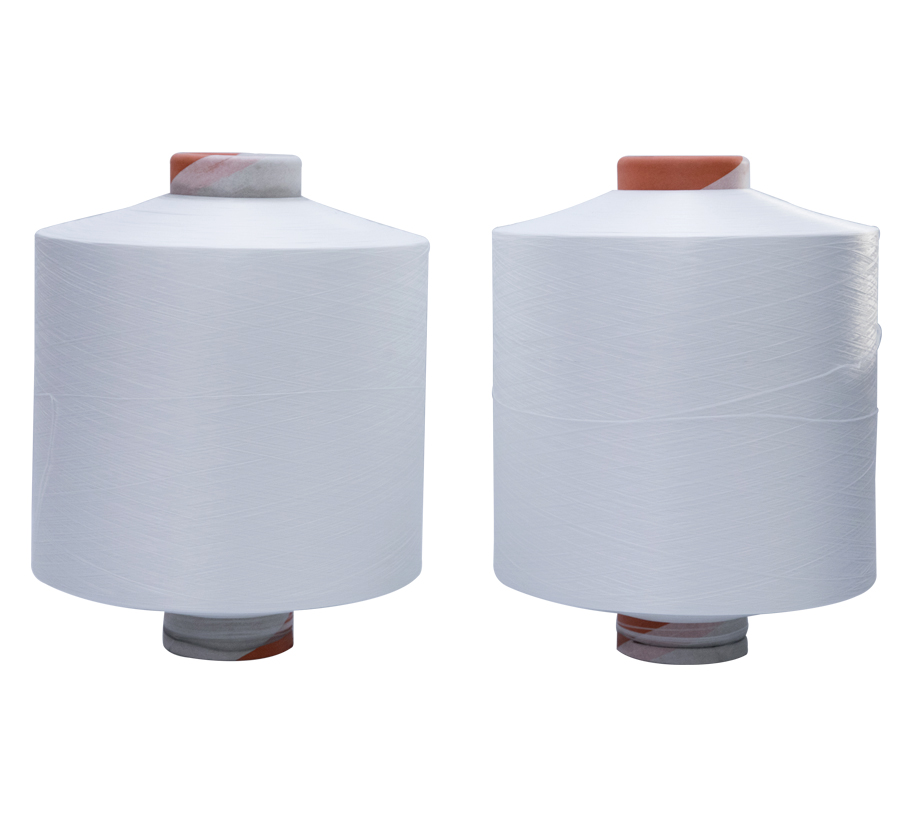
Functional White High elastic polyester yarn Eco-friendly high stretch Yarn for ...
See Details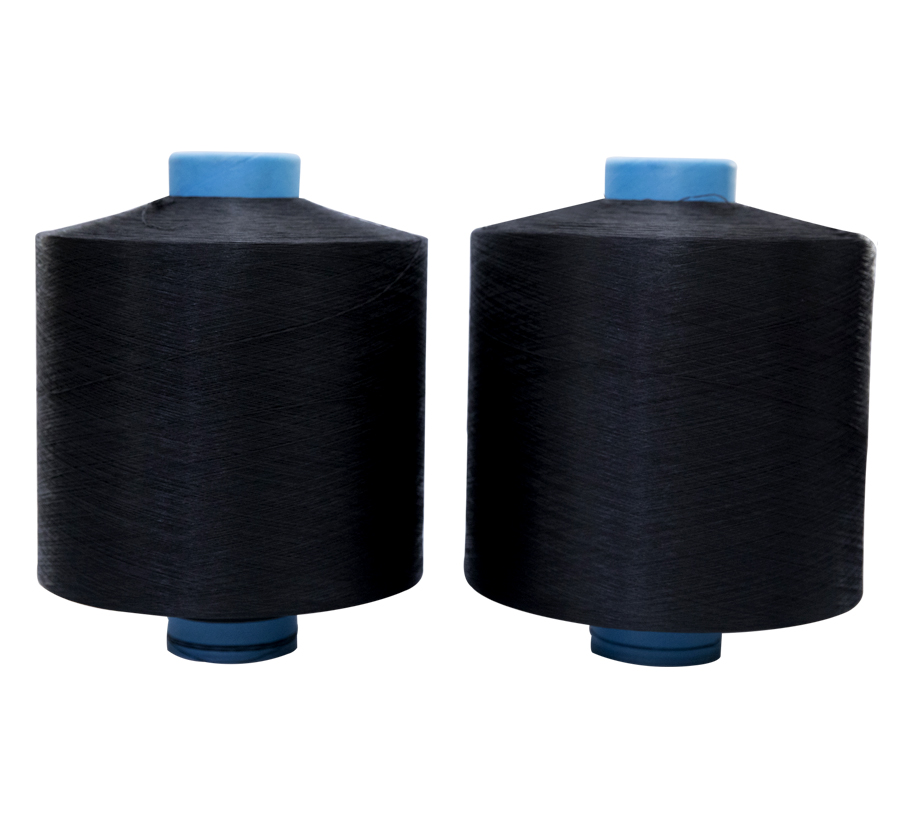
Yarn Type: Polyester High Elastic Yarn Size: 450D/192F Material: 99.99% Polyeste...
See Details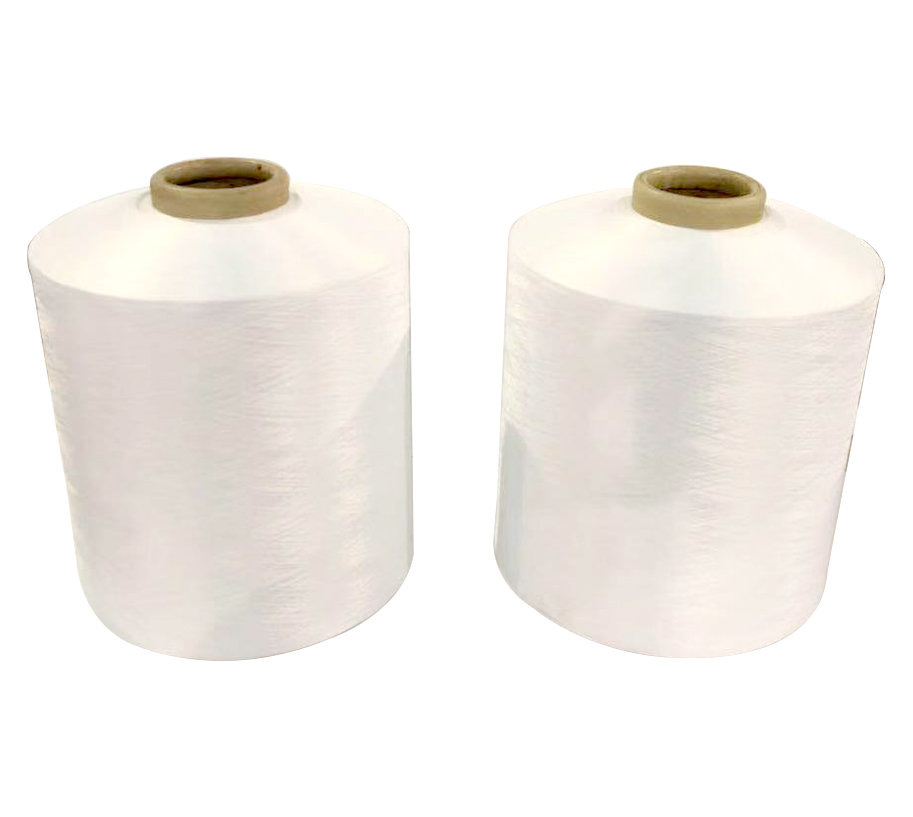
High Tenacity 150D36F RW FLUFFY Polyester Yarn Feature:high elasticity,high tena...
See Details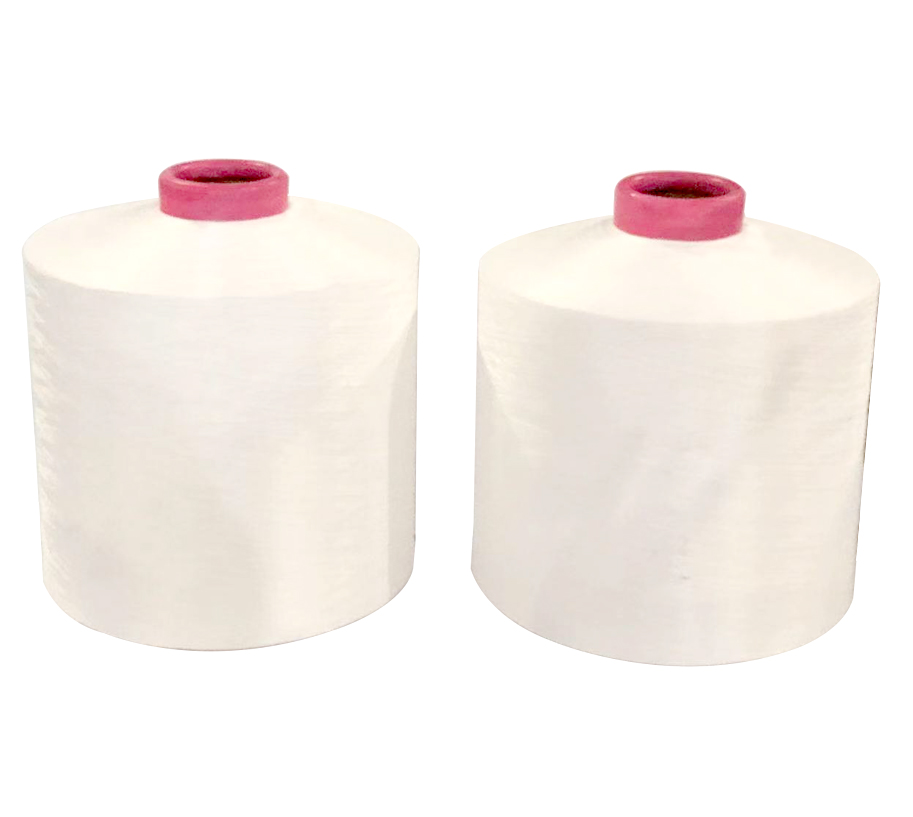
High Tenacity 600D/192F RW S+Z HIM Polyester Yarn Yarn Count: 600D/192F Color: R...
See Details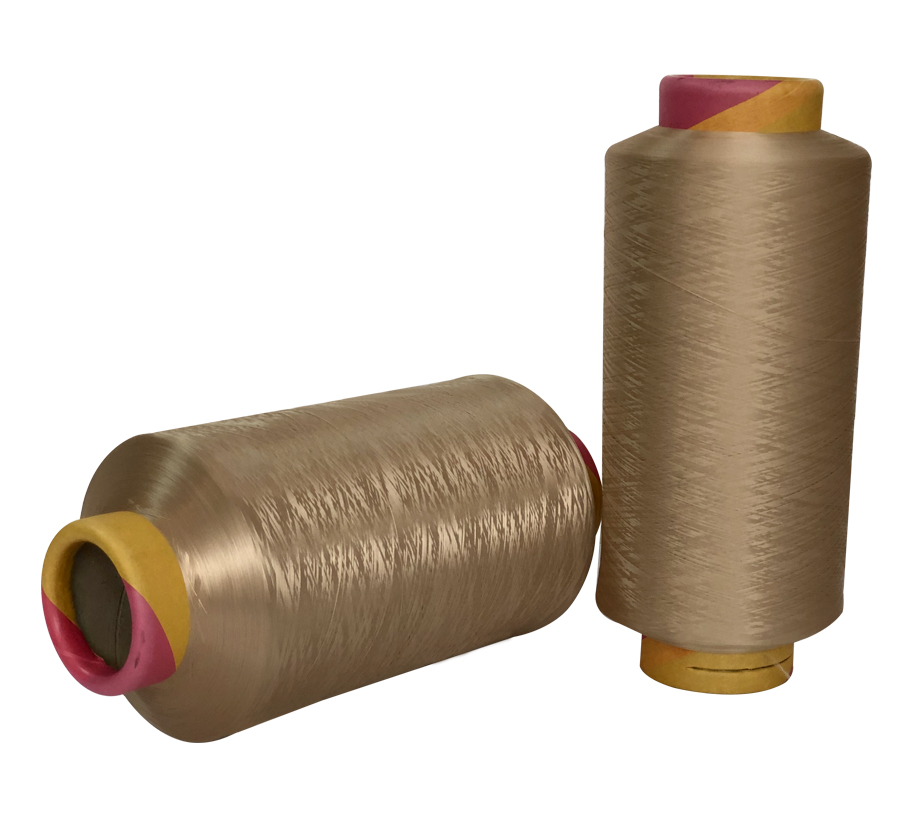
High Temperature-Resistant 300D Brown 99.99% Polyester Yarn for Hand Knitting an...
See Details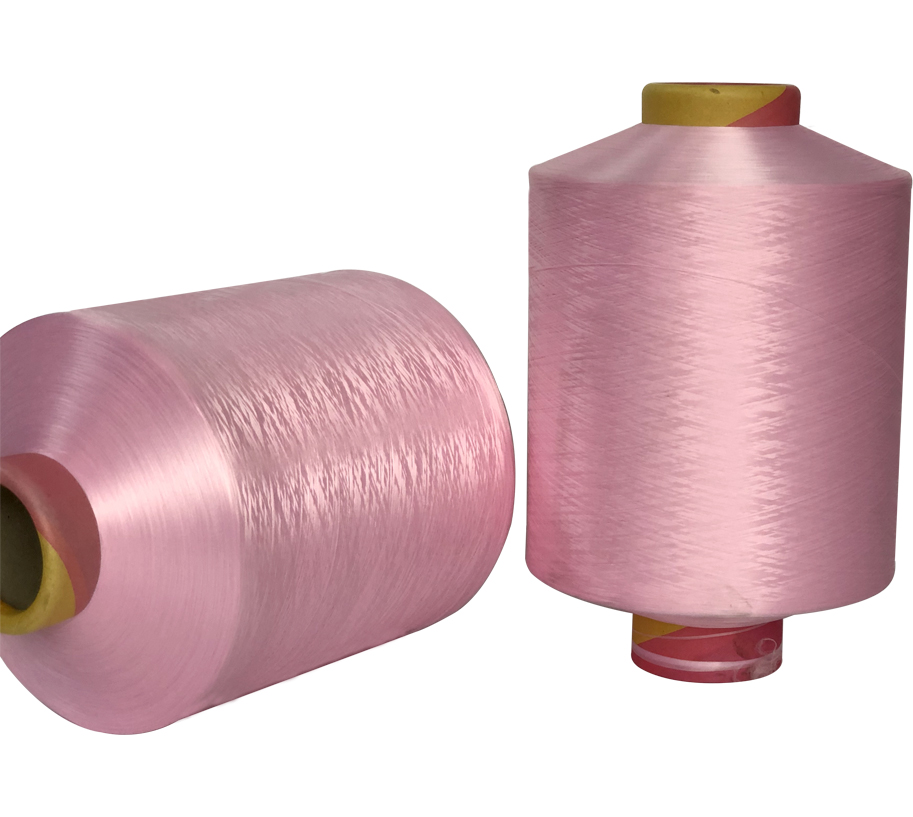
300D Pink High Elastic Polyester Yarn for Hand Knitting & SewingColor: Pink ...
See Details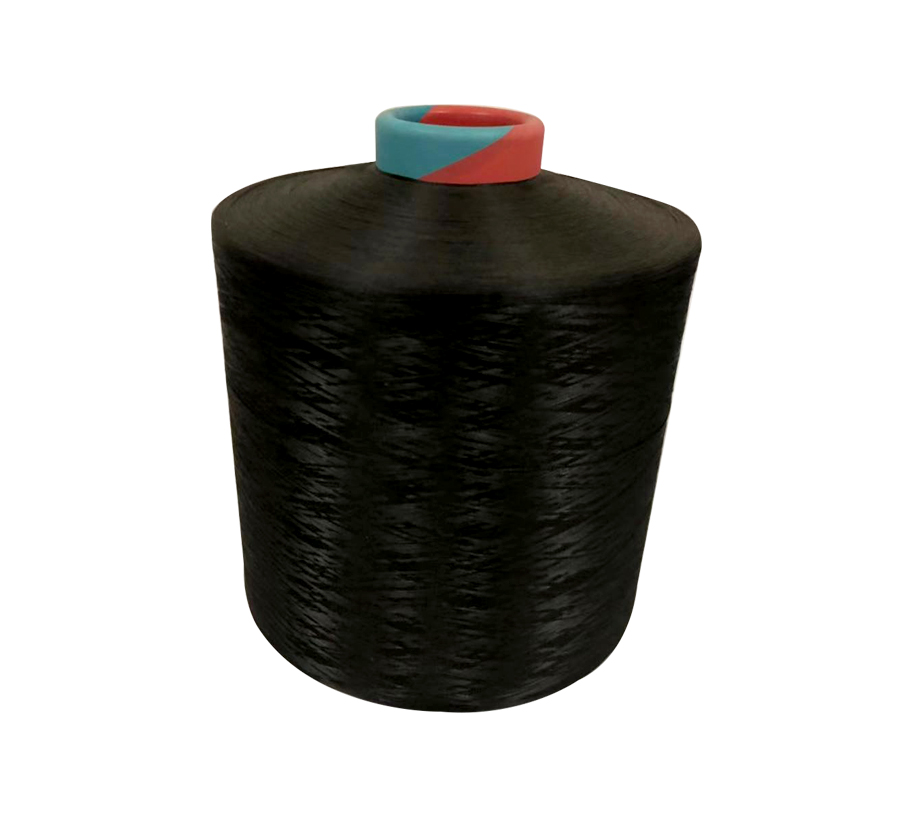
Name: 75D/36F BLACK NIM Polyester Yarn Color: Black Denier: 75D/36F Material: 99...
See DetailsCopyright © Hangzhou Dingkai Chemical Fibre Co., Ltd. All Rights Reserved.
Wholesale China Polyester DTY Yarns Factory