 Call:+86-571-82912975
 https://www.dkyarn.com
 English
 中文简体
中文简体
Sustainable 300D/96F Polyester Color Yarns BLACK NIM Product specifications:300D...
See Details

A 150D/48F draw textured yarn and a flat 150D/48F filament yarn can sit on the same purchase order at the same denier, the same filament count and nearly the same price per kilogram. Woven into an identical plain weave, the textured version comes off the loom thicker, softer and with a crimp recovery the flat yarn cannot reproduce. The polymer did not change. The geometry of the filament bundle did.
So how does polyester yarn improve fabric performance? Through three engineered variables that a buyer can specify in writing: bulk and crimp added during false twist texturing, intermingle density that binds the filaments together, and the denier per filament that decides how the bundle bends. Each lever moves a different fabric property, and each one has a measurable range.
Polyester yarn improves fabric performance by reshaping the filament bundle rather than by changing the polymer, which is why two yarns both labelled 150D/48F can land in two different performance classes. The three levers are texturing bulk, intermingle density and per filament fineness.
Definition: draw textured yarn (DTY) is a continuous filament polyester yarn that has been false twist textured, a process that builds permanent crimp, bulk and stretch into the filament bundle while preserving most of the tensile strength of the original flat yarn.
That distinction has commercial consequences. A buyer who orders 150D/48F without naming the texturing and intermingle route is ordering weight and filament count, not performance. The same denier can arrive as a loose, bulky bundle for a soft knit or as a compact bundle for a high speed loom, and the two are not interchangeable on the machine.
Intermingle node count is the fastest lever for controlling how a polyester yarn behaves on the loom: 0 to 10 nodes per metre leaves the filaments loose (NIM), 40 to 50 gives moderate cohesion (SIM), and 100 to 120 holds the bundle tight (HIM).
| Yarn class | Nodes per metre | Filament bundle | Typical behaviour |
| NIM | 0-10 | Loose and open | Maximum bulk and a soft hand, needs gentle handling before weaving |
| SIM | 40-50 | Moderately cohesive | The general purpose choice for weaving and circular knitting |
| HIM | 100-120 | Tight and compact | Resists snagging at high loom speeds and holds cover in technical fabrics |
Intermingle node density, nodes per metre on a 0 to 120 scale
Node count also decides how far the yarn opens up during winding, warping and weft insertion. A NIM, SIM or HIM yarn chosen for the wrong process stage usually shows up as filament spread, snagging or uneven cover rather than as a clean strength failure, which makes the fault expensive to trace back to the yarn.
A 150D/48F raw white HIM yarn is a common reference point: the tight bundle carries the same denier as a NIM yarn but resists abrasion far better when loom speed rises.
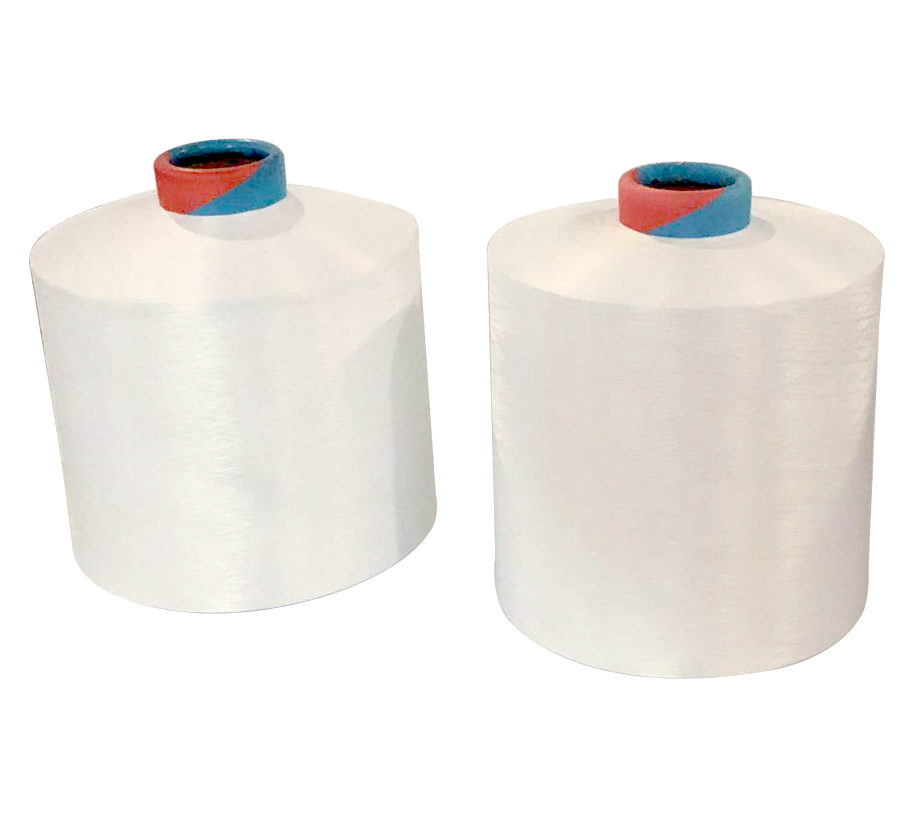 150D/48F Raw White HIM Recycled Polyester DTY YarnA recycled DTY yarn in 150D/48F HIM construction, relevant when comparing intermingling levels for loom-speed abrasion resistance and knitting or weaving.View Product →
Node count is not a quality ranking. A 0-10 NIM yarn is not inferior to a 100-120 HIM yarn, it is simply bought for a different loom and a different fabric.
Textured polyester yarn outperforms flat filament on bulk, cover and elastic recovery at the same denier, because false twist texturing turns a straight filament bundle into a helical structure that extends and returns instead of only resisting load.
Flat filament (FDY)
Draw textured yarn (DTY)
The trade off is directional. Bulk and cover rise, but the crimped bundle has a lower initial modulus, so textured yarn feels softer and less crisp than flat filament of the same weight. Where a fabric needs a flat, bright, dimensionally stable surface, FDY stays the correct choice, and plenty of performance fabrics use both yarns in different directions.
At an identical 150D/48F specification, a textured yarn delivers more fabric thickness and cover than flat filament without adding weight to the finished roll.
Elasticity is a separate axis from bulk. High elastic DTY is drawn and textured to hold a higher crimp contraction, which is why it is specified for waistbands, cuffs and stretch wovens where the fabric has to recover instead of staying stretched.
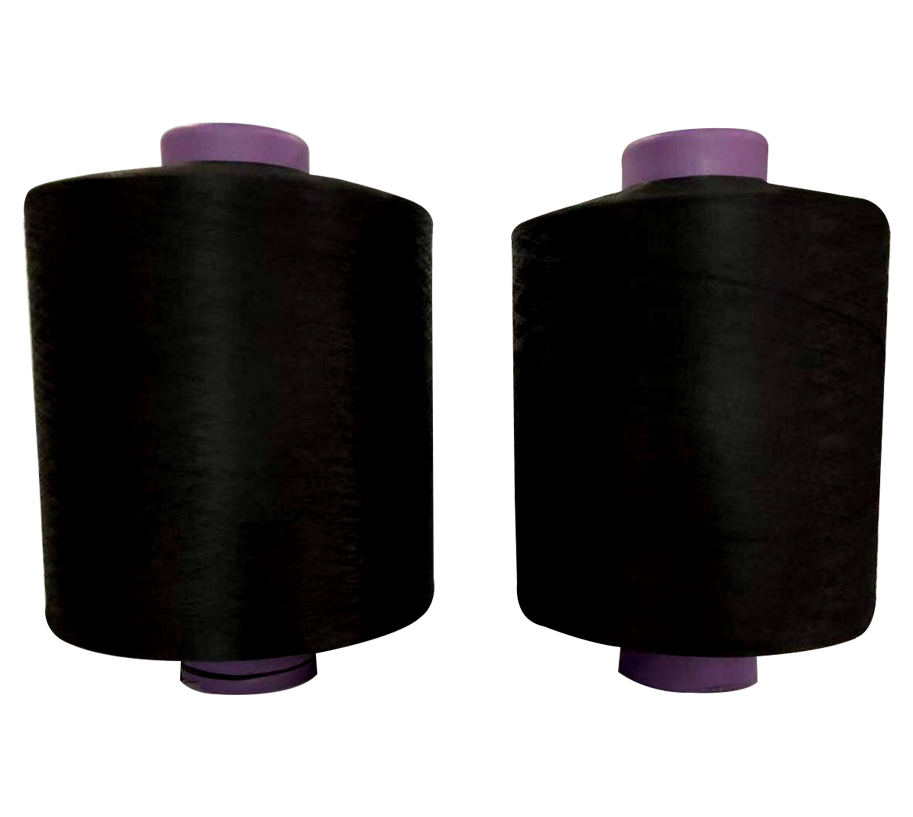 Custom 300D/96F Black High Elastic Polyester DTY YarnA black high-elastic DTY option for stretch applications, with 300D/96F construction and NIM/SIM/HIM intermingling choices for knitting or weaving.View Product →
Denier fixes the linear mass of the yarn, filament count fixes how that mass is divided, and the ratio between the two predicts hand feel, cover and flexibility far more reliably than denier alone.
| Specification | Denier per filament | Filaments in the bundle | Where it usually lands |
| 75D/36F | 2.1 | 36 | Fine dense fabrics, linings and lightweight knits |
| 150D/36F | 4.2 | 36 | Standard apparel wovens with a firmer hand |
| 150D/48F | 3.1 | 48 | Softer knits and drapery at the same fabric weight |
| 300D/96F | 3.1 | 96 | Heavier fabrics that still need a fine hand |
| 600D/192F | 3.1 | 192 | Industrial and technical fabrics |
Denier per filament is the number worth quoting when hand feel matters. At 150 denier, moving from 36 to 48 filaments softens the fabric without changing its weight per metre.
The practical rule is simple. When two yarns share a denier but differ in filament count, the bundle with more filaments bends more easily, covers more area and reads softer on the surface, while the bundle with fewer filaments feels crisper and resists compression. Neither is better, and the choice follows the fabric rather than the price list.
Colour performance depends on when the pigment enters the polyester, not on how the fabric is finished. Solution dyed yarn carries the colour inside the polymer, while raw white, optical white and whitening yarns are engineered for brightness before any dye bath is prepared.
Because the pigment sits inside the filament instead of on its surface, solution dyed yarn holds light fastness and wash fastness that surface dyed fabric struggles to match, and it removes an entire wet processing stage from the dyehouse schedule. Colour is also available in different bundle forms, so a network or low bomb construction can be ordered in the same shade as a standard yarn.
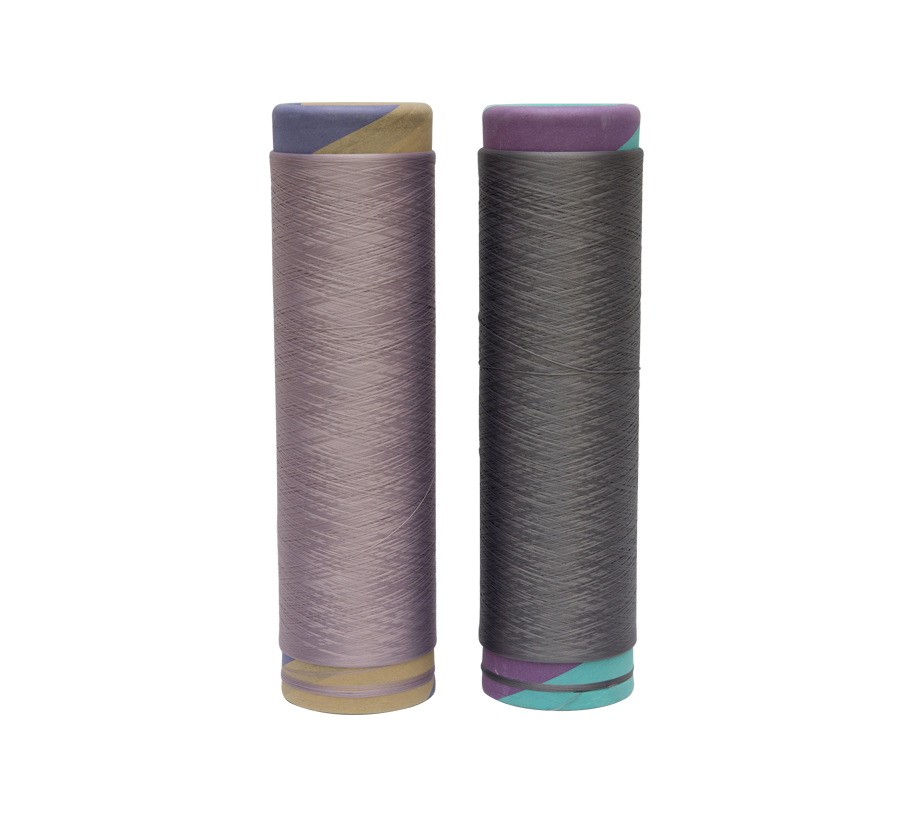 Custom 300D/96F Brown/Black DTY Polyester YarnA high-intermingled 300D/96F DTY yarn with brown/black or custom color choices, intended for knitting, weaving, sewing, and embroidery applications.View Product →
Five specifications decide whether a polyester yarn order performs as promised, and each one is worth confirming in writing before the first container is packed.
Fix the denier and the filament count. A substitution from 150D/48F to 150D/36F changes the hand of the finished fabric even though the weight per metre stays the same.
Specify the intermingle class with a numeric range, such as NIM 0-10, SIM 40-50 or HIM 100-120 nodes per metre, rather than naming a class alone.
Agree the grade and the test basis. Grade A and Grade AA are the two levels Hangzhou Dingkai Chemical Fibre Co., Ltd. publishes for its main yarn lines.
Confirm the colour route: raw white for piece dyeing, optical white for whites that must stay white, solution dyed for shades that cannot fade.
Check the physical supply chain against your sampling timetable, since plant location and export experience decide how fast a matched sample lot arrives.
Hangzhou Dingkai Chemical Fibre Co., Ltd. shows how those questions get answered in practice. The company has produced polyester DTY yarn in Hangzhou, China, since 2007, describes its plant as covering 15,000 square metres close to Hangzhou International Airport, and lists exports to more than 30 countries, including Vietnam, Cambodia, Myanmar, Korea, Russia and Mexico.
Ask for the node count range, the denier per filament and the colour route in writing. Those three numbers explain most fabric performance complaints before they happen.
Specification questions are cheapest to settle before sampling, so send the target denier, node count and colour route to the supplier and ask for a matched sample lot with the measured values attached.
No. Node count controls filament cohesion, not tensile strength. A HIM yarn resists snagging and abrasion during high speed weaving, while a NIM yarn delivers more bulk and a softer hand. Breaking strength comes from the polymer and the draw ratio, and both are fixed long before the intermingling stage.
Both weigh 150 denier per 9,000 metres. The 48 filament version divides that mass into more, thinner filaments at 3.1 denier per filament instead of 4.2. The finer bundle bends more easily, so the fabric feels softer and drapes better at the same weight, which is why 150D/48F is common in knitwear and drapery.
Yes. Solution dyed yarn carries pigment inside the polymer, so the shade is locked into the fibre and does not depend on a dye bath. Colour ranges typically run from 150D/36F and 150D/48F up to 300D/96F in shades such as navy, rose red, beige, milk white, magnolia, brown and gray, with some available in network or low bomb form.
Choose DTY when the fabric needs bulk, cover, stretch or a soft hand, and choose FDY when the surface must stay flat, bright and dimensionally stable. Many performance constructions use both, with textured yarn in one direction and flat filament in the other to balance comfort against stability.
Bottom line: polyester yarn improves fabric performance through three controllable numbers, the intermingle node range, the denier per filament and the colour route. Name all three on the order and the yarn stops being a commodity.
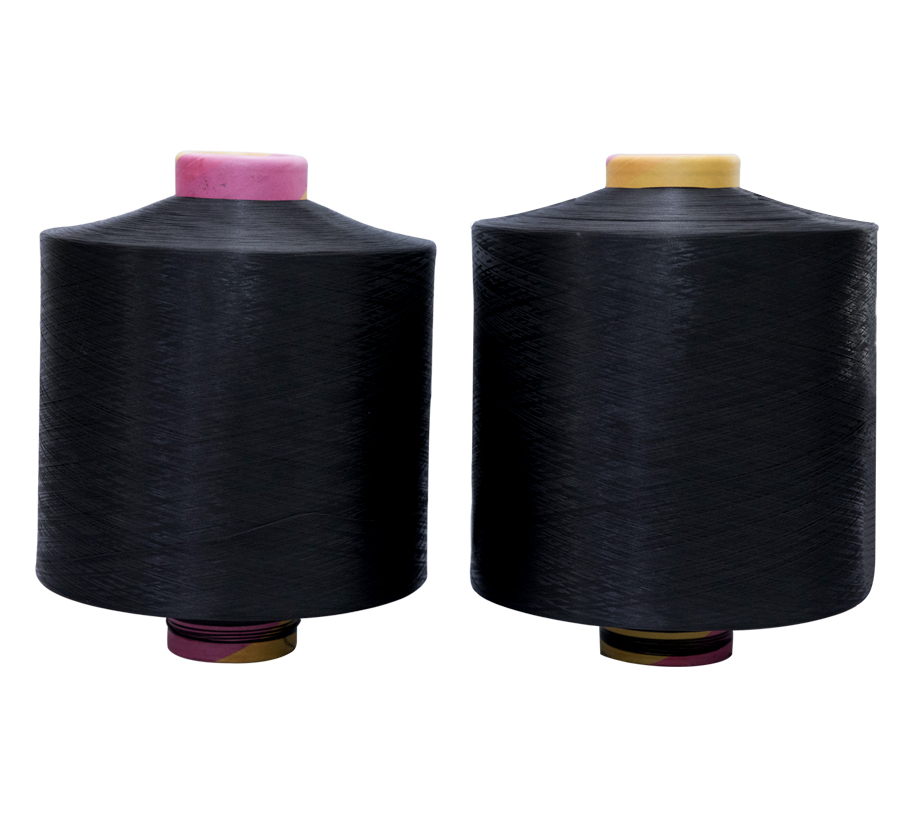
Sustainable 300D/96F Polyester Color Yarns BLACK NIM Product specifications:300D...
See Details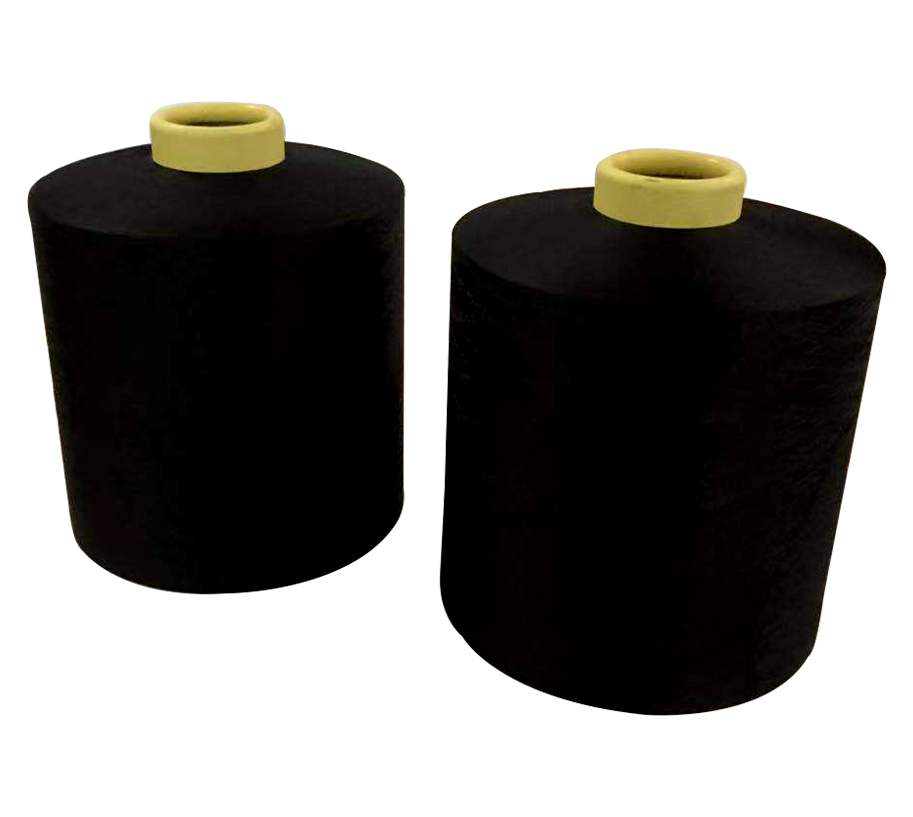
Product Name: DTY 150D/36F HIM Polyester Yarn Size: 150D/36F Twist: S+Z Pattern:...
See Details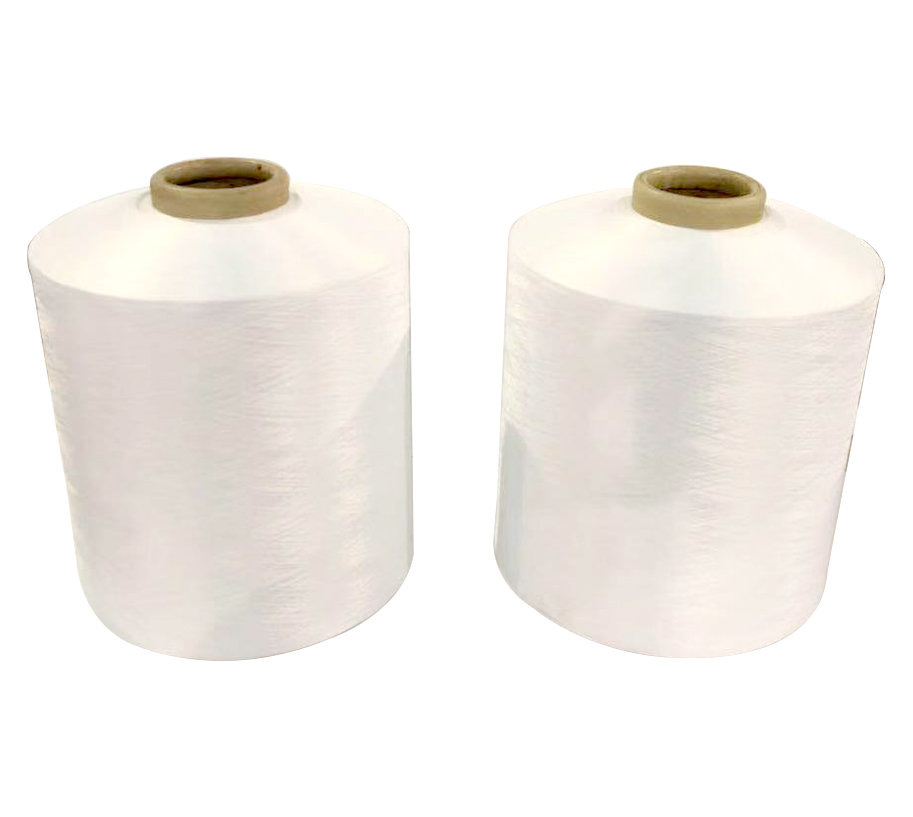
High Tenacity 150D36F RW FLUFFY Polyester Yarn Feature:high elasticity,high tena...
See Details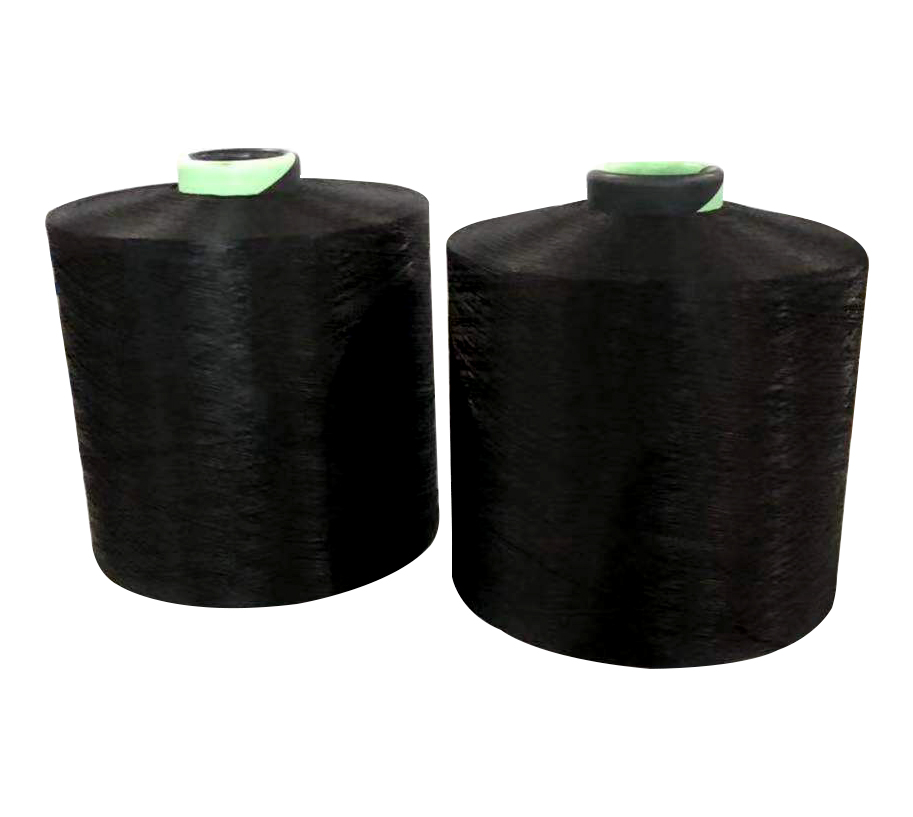
Product Name: DTY 600D/192F HIM Polyester Yarn Size: 600D/192F Twist: S+Z Color:...
See Details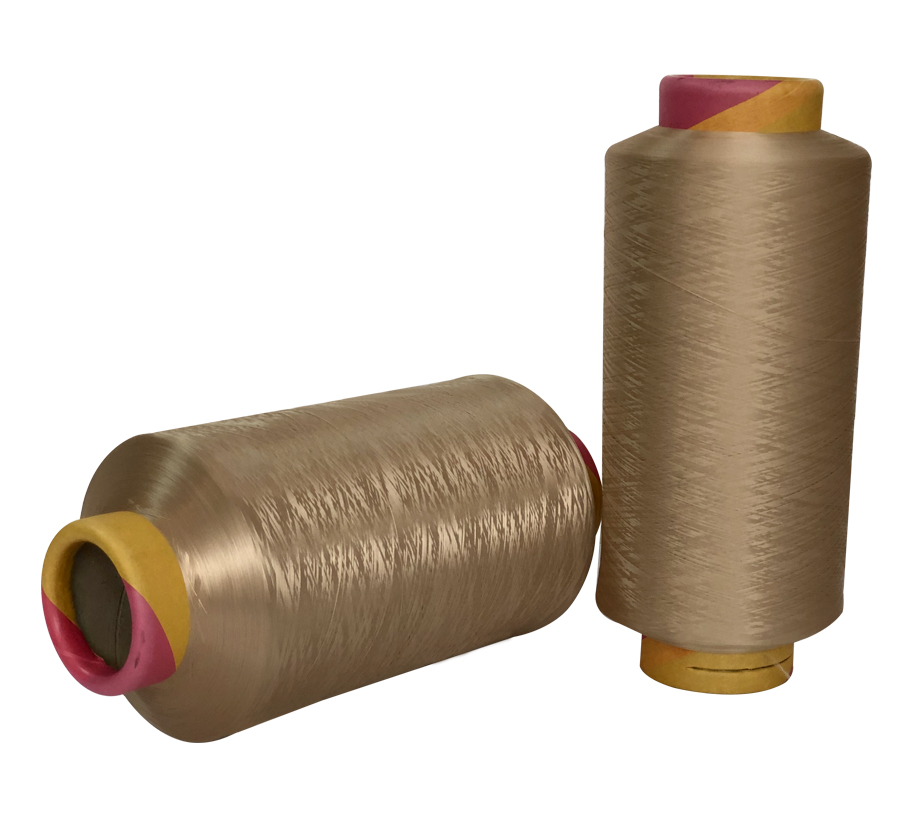
High Temperature-Resistant 300D Brown 99.99% Polyester Yarn for Hand Knitting an...
See Details
300D Pink High Elastic Polyester Yarn for Hand Knitting & SewingColor: Pink ...
See Details
200D/96F RW NIM Polyester Yarn Name: 200D/96F RW NIM Polyester Yarn Color: White...
See Details
High Tenacity 250D/96F RW NIM Polyester Yarn Yarn Count: 250D/96F Material: 99.9...
See DetailsCopyright © Hangzhou Dingkai Chemical Fibre Co., Ltd. All Rights Reserved.
Wholesale China Polyester DTY Yarns Factory
