Call:+86-571-82912975
 https://www.dkyarn.com
 English
 中文简体
中文简体
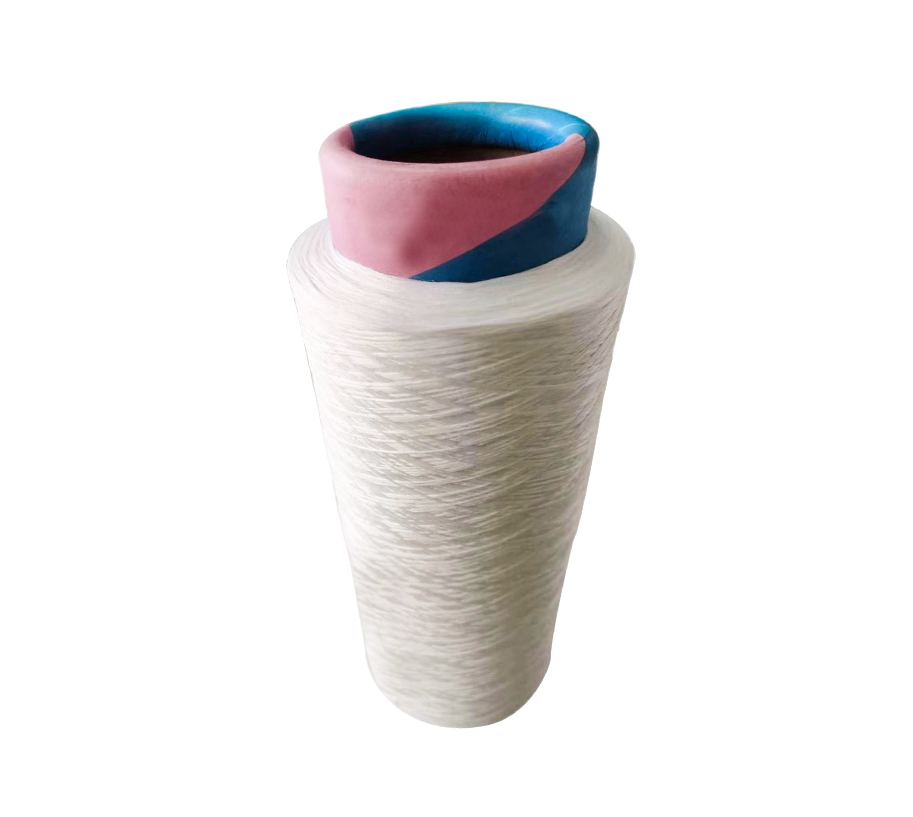
Recycled 150D48F RW HIM Polyester Yarn Type: Polyester Yarn Pattern: Raw Technic...
See Details

A polyester sports shirt, a car seat cover and a KF94 face mask all begin life the same way: as fiber. Textile manufacturing is the industrial chain that converts that fiber into yarn, the yarn into fabric, and the fabric into finished products. It is one of the largest manufacturing systems on earth, producing more than 110 million tonnes of fiber every year.
Each stage of that chain has its own factories, machinery, quality gates and vocabulary, and many purchasing mistakes happen when buyers treat it as one undifferentiated process. This guide breaks the chain into five clear stages, shows where yarn specifications such as 300D/96F fit in, and explains what each stage contributes to the final product.
Textile manufacturing is the set of industrial processes that converts raw fiber into yarn, yarn into fabric, and fabric into finished textile products.
Definition
Textile manufacturing: the conversion of fiber into yarn, yarn into fabric, and fabric into end products such as apparel, home textiles and industrial materials.
The term is narrower than the "textile industry", which also covers machinery, research, design and distribution. Textile manufacturing refers specifically to production: spinning, weaving or knitting, wet processing, and assembly. At every stage, decisions lock in properties that later stages cannot recover, which is why experienced buyers specify yarn long before a loom is scheduled.
Most textile manufacturing operations follow the same five-stage sequence, whether the input is cotton or polyester.
Fiber choice sets the cost, durability and performance ceiling for everything that follows in textile manufacturing.
Cotton, wool and silk still anchor premium apparel segments, but synthetics carry the volume. The table below summarizes the four broad families buyers choose from.
| Fiber family | Common fibers | Key traits | Typical end uses |
| Natural cellulosic | Cotton, flax, jute | Breathable, absorbent, comfortable | Shirting, denim, home textiles |
| Natural protein | Wool, silk | Warm, resilient, luxurious hand | Suits, knitwear, scarves |
| Synthetic | Polyester, nylon, spandex | Strong, quick drying, consistent, low cost | Activewear, linings, industrial fabric |
| Regenerated | Viscose, modal, lyocell | Soft, drapey, dye friendly | Dresses, blends, bedding |
Share of Global Fiber Production by Type, 2022
Synthetic yarn is not spun from fluffy fiber the way cotton is; it is extruded. Melted PET (polyethylene terephthalate) polymer is pushed through a spinneret, forming continuous filaments that are then drawn, textured and wound. The most common product of this route is polyester DTY (draw textured yarn), the workhorse filament for weaving and knitting plants worldwide.
There are two mainstream filament routes, and the choice between them changes fabric character entirely; this overview of FDY and DTY processes explains the trade-offs in detail.
Intermingling is the other key lever. Compressed-air jets tie filaments together at controlled intervals, measured in nodes per meter: NIM (non intermingle) runs 0 to 10, SIM (semi intermingle) runs 40 to 50, and HIM (high intermingle) runs 100 to 120. High node counts improve runnability on high-speed warping and knitting machines, while NIM yarn suits applications where node marks would show. Hangzhou Dingkai Chemical Fibre Co., Ltd., a polyester DTY manufacturer based in Hangzhou, China, treats node density as a standard ordering parameter alongside denier and filament count.
Specification codes read as follows: 150D/48F means 150 denier of total linear density split across 48 filaments. Higher denier means thicker, stronger yarn; more filaments mean a softer, finer hand at the same denier.
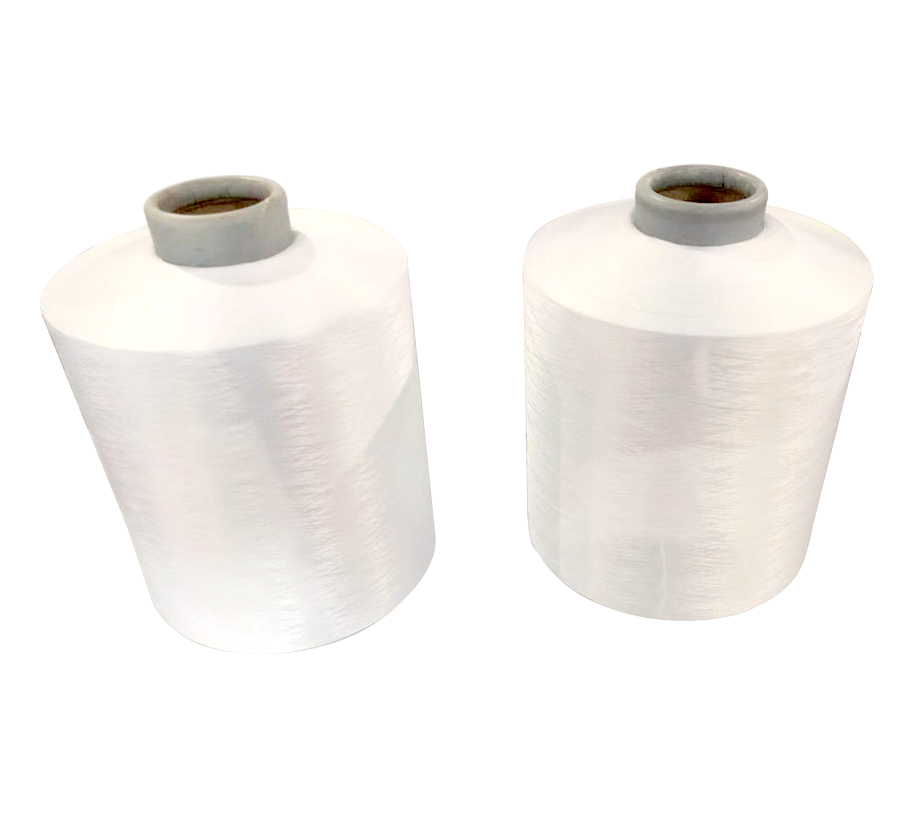 300D/96F RW NIM Polyester Sd Yarn 750/240 900/288 1200/384Sustainable 300D/96F RW NIM Polyester Sd YarnView Product →
Weaving interlaces two yarn systems at right angles; knitting builds loops. That single structural difference drives most of how a fabric behaves.
Woven
Knitted
Stretch fabrics add a fourth element: covered spandex. Blending even a small share of spandex yarn into knits transforms recovery and fit, which is why activewear mills buy it alongside their polyester DTY.
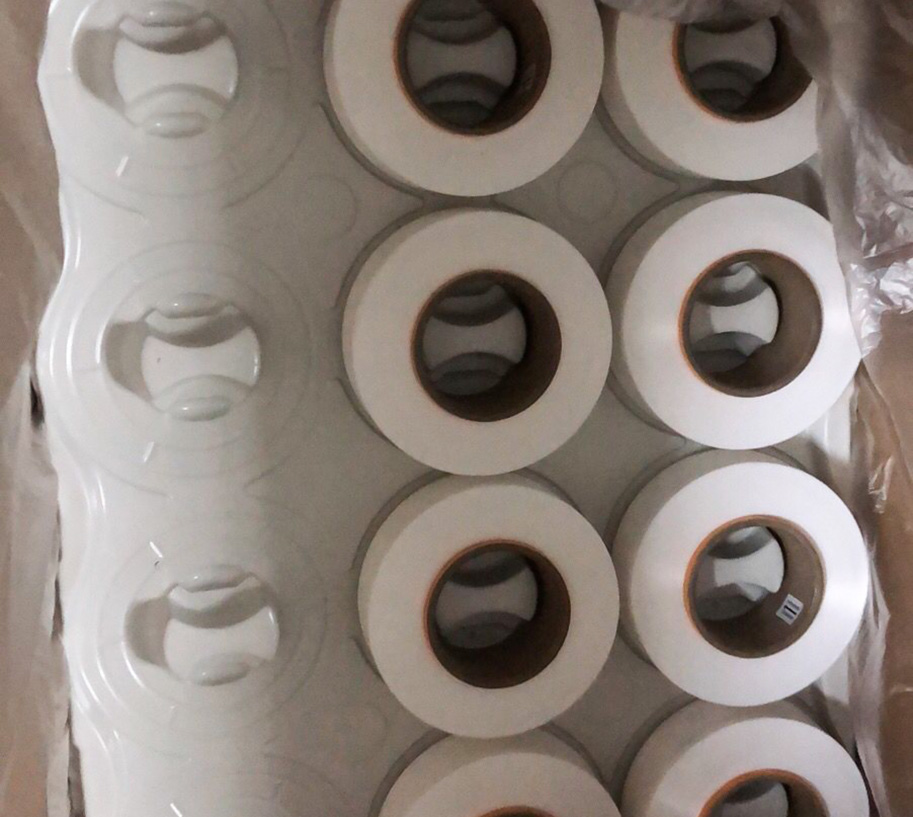 15D-1120DLarge Face Masks Disposable: A B2B Sourcing Guide 26 Aug, 2026 Procurement teams often discover a sizing problem only after a shipment arrives and workers report...View Product →
Wet processing is where fabric gets its final color, hand feel and performance treatments.
The typical sequence runs desizing and scouring to remove impurities, bleaching to even out the base, dyeing or printing to add color, then finishing treatments such as calendering, heat setting, anti-static or water-repellent coatings. Every wet step adds cost, lead time and environmental load.
That is why many mills now order pre-colored polyester yarn for standard shades: shorter lead times, consistent lot-to-lot color and no dye-house minimums to negotiate.
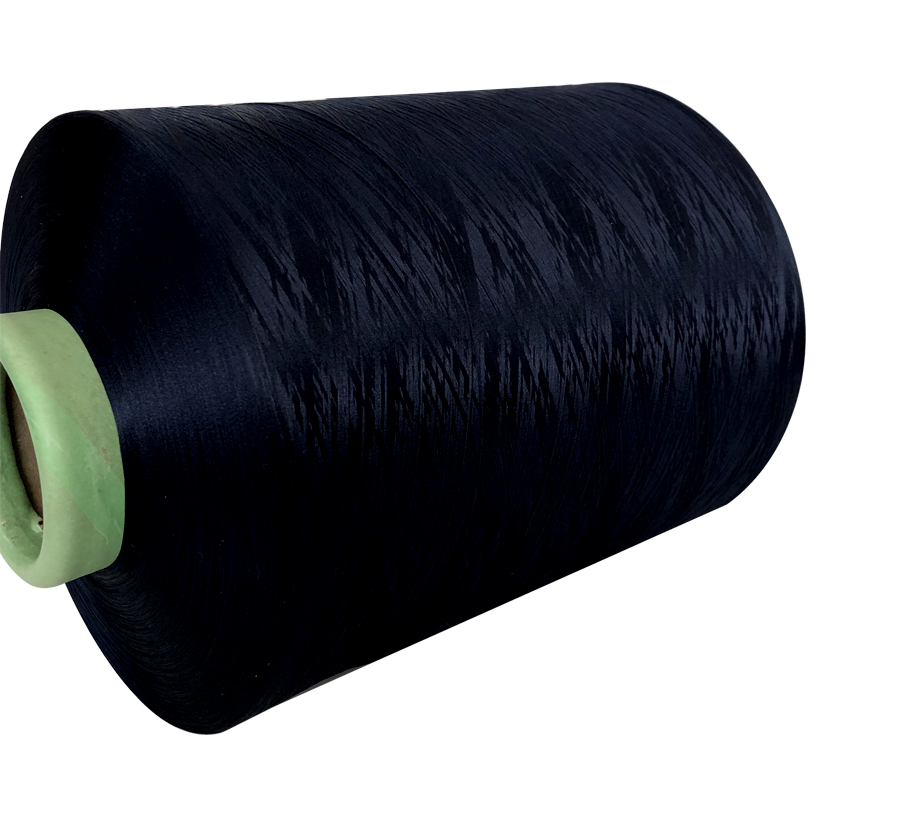 300D Navy Polyester Yarn 750/240 900/288 1200/384Eco-Friendly 300D Navy 99.99% Polyester Yarn for Sewing Weaving Color: Navy or Customized,over 1000 colors availableView Product →
For buyers, the yarn stage is where specifications, quality grades and delivery terms are settled, long before the first meter of fabric is woven.
Three things separate reliable yarn suppliers from the rest: tight control of physical parameters such as denier, filament count and node density; consistent grading across batches; and proven export logistics to weaving hubs in Vietnam, Cambodia, Korea and beyond.
15,000
Square meters of production facility in Hangzhou
30+
Export markets across Asia, Europe, Africa and the Americas
A / AA
Quality grades applied across the DTY line
0-120
Intermingle nodes per meter, from NIM to HIM
To check current availability, grades and lead times, contact Hangzhou Dingkai Chemical Fibre Co., Ltd. for specifications and quotations.
Fiber sourcing and preparation, spinning, fabric formation, wet processing, and product manufacturing. Every textile product passes through some version of this chain, whether the input is cotton or polyester.
A textile mill converts yarn into fabric or finishes fabric, while a yarn factory sits one step upstream, spinning polymer into filament or staple yarn. A DTY plant such as Dingkai supplies mills and knitters rather than competing with them.
Cost, consistency and versatility. Polyester offers high strength, low moisture absorption, easy care and stable pricing at scale, which is why it holds roughly 54% of global fiber production.
The first number is denier, the yarn's linear density; the second is the filament count. 300D/96F is a thicker yarn split into 96 fine filaments, giving strength with a soft hand, which makes it a common choice for home textiles, bags and visible furniture surfaces.
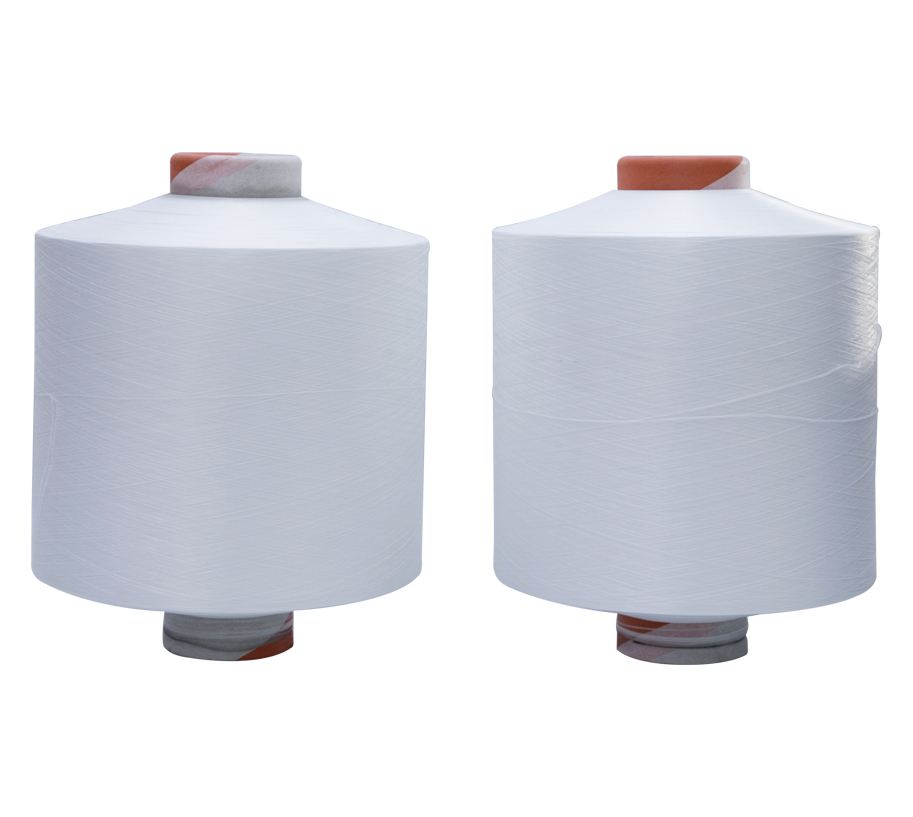
Recycled 150D48F RW HIM Polyester Yarn Type: Polyester Yarn Pattern: Raw Technic...
See Details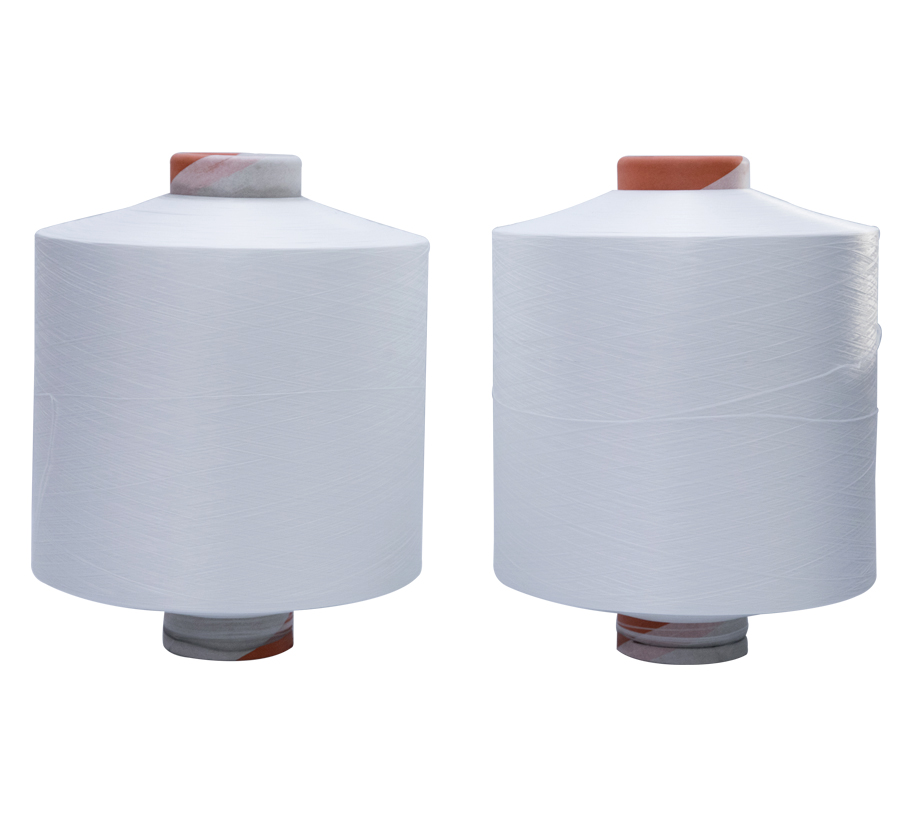
Functional White High elastic polyester yarn Eco-friendly high stretch Yarn for ...
See Details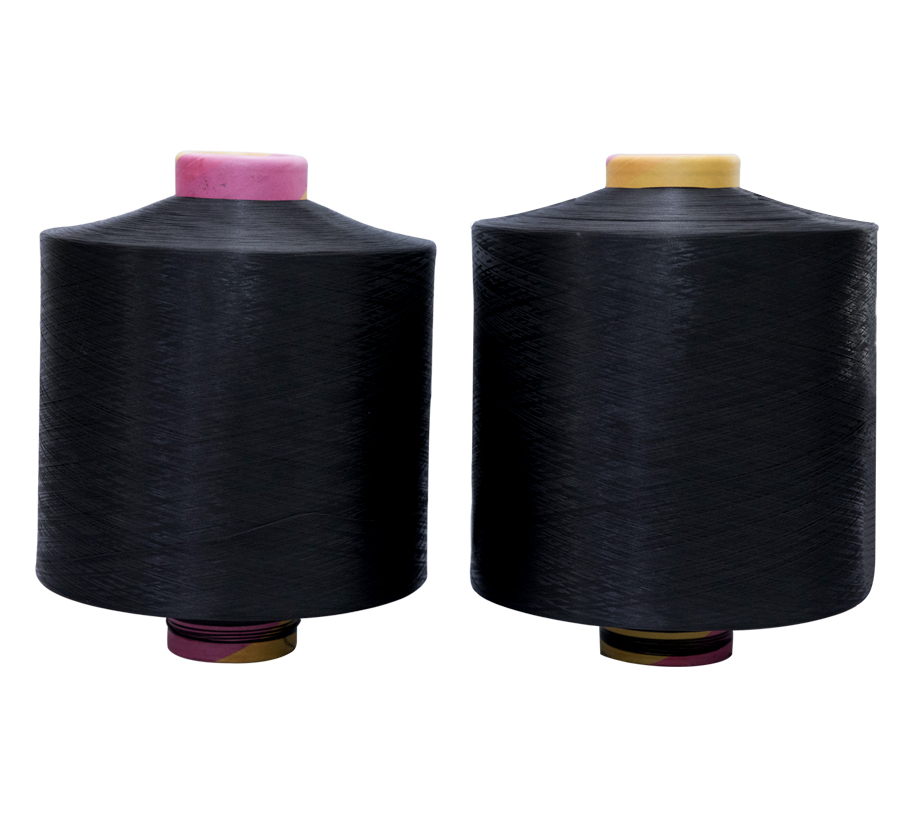
Sustainable 300D/96F Polyester Color Yarns BLACK NIM Product specifications:300D...
See Details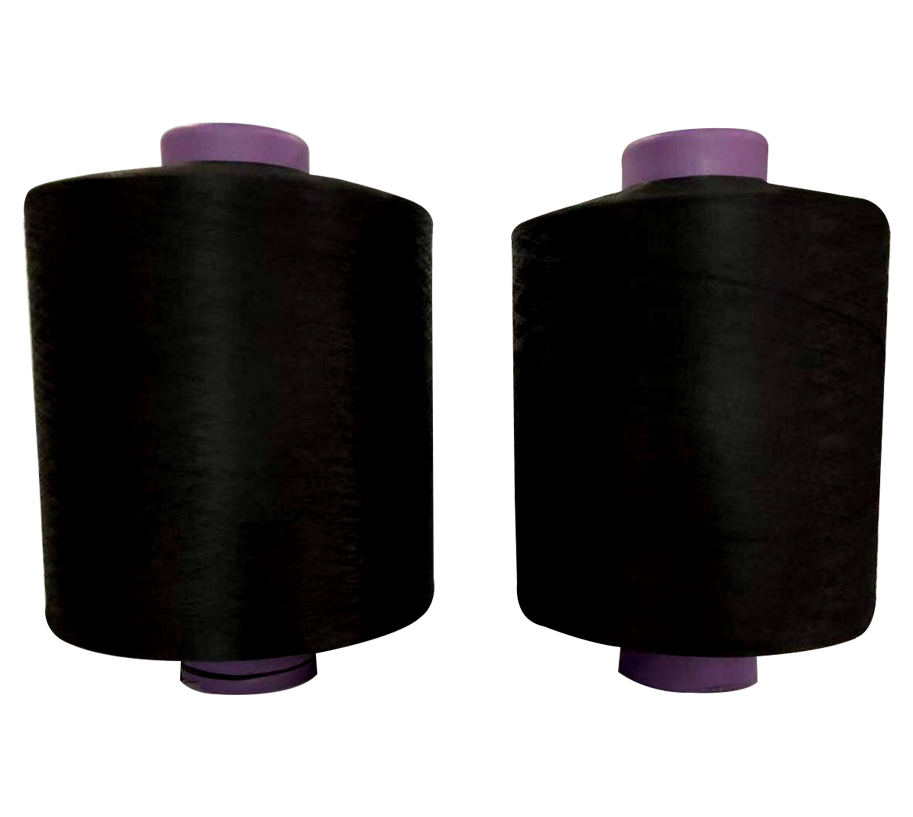
International Quality Standard 300D96F BLACK HIGH ELASTIC Polyester Yarn for Sea...
See Details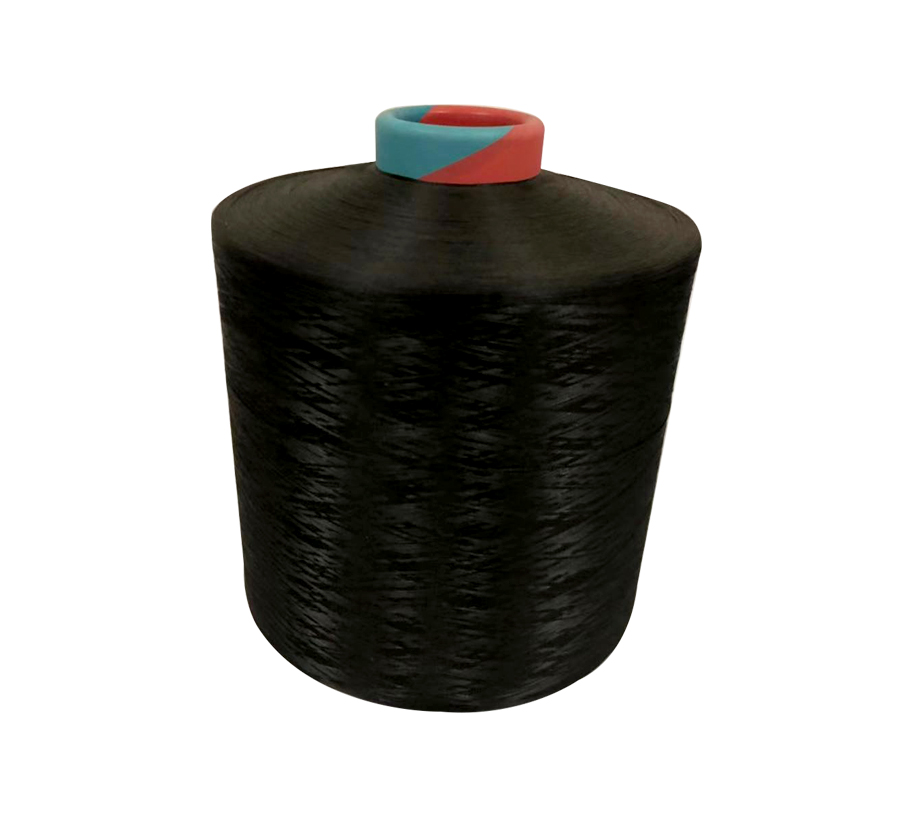
Name: 75D/36F BLACK NIM Polyester Yarn Color: Black Denier: 75D/36F Material: 99...
See Details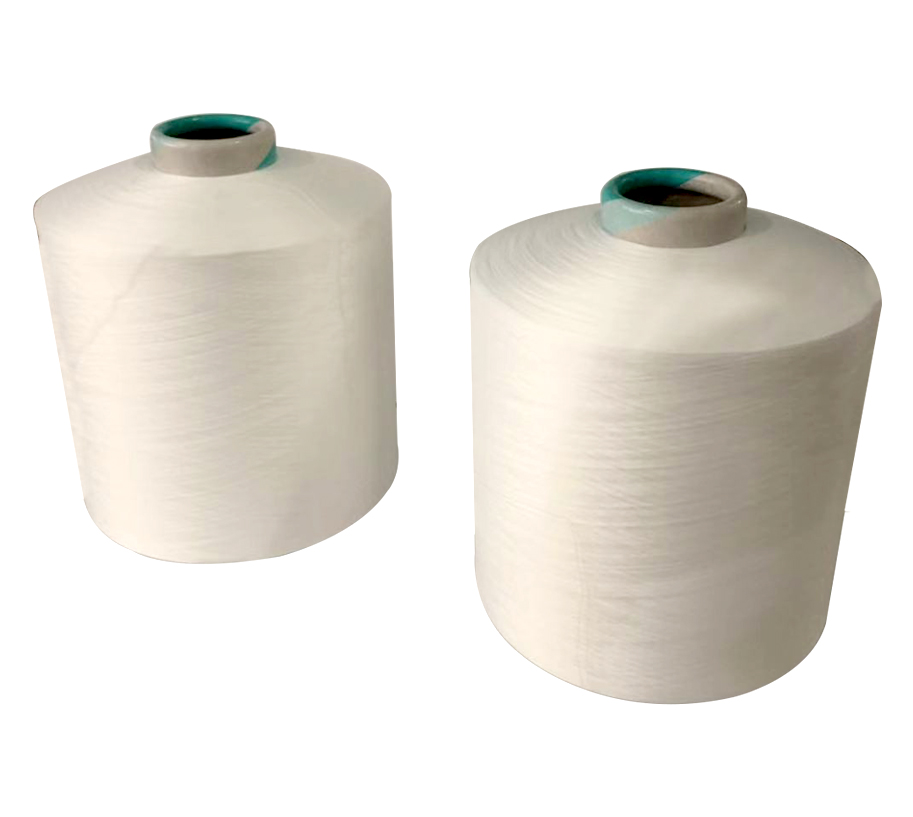
Anti-Bacteria 75D36F RW NIM(WHIT LITTLE INTEREMINGLE) Polyester Yarn Yarn Count:...
See Details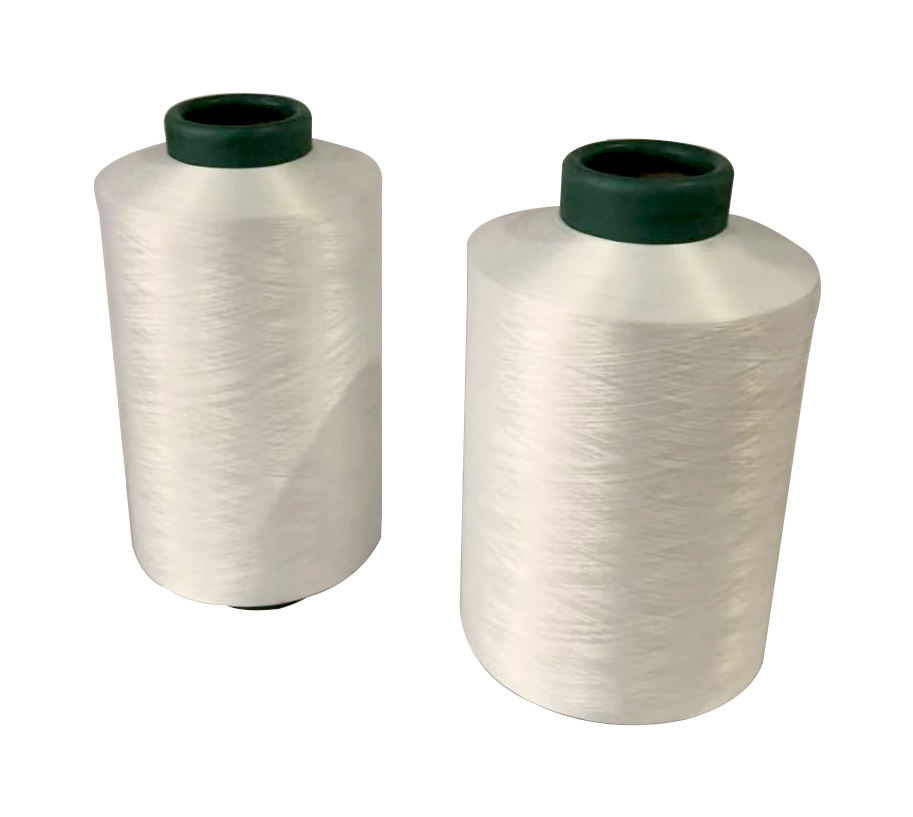
200D/96F RW NIM Polyester Yarn Name: 200D/96F RW NIM Polyester Yarn Color: White...
See DetailsCopyright © Hangzhou Dingkai Chemical Fibre Co., Ltd. All Rights Reserved.
Wholesale China Polyester DTY Yarns Factory