Call:+86-571-82912975
 https://www.dkyarn.com
 English
 中文简体
Navy/Grey 150D/36F DTY Yarn 99.99% Polyester Anti-pilling Yarn for Sewing Materi...
See Details

Take a 300D/96F flat filament and a same-denier draw-textured yarn, and run both through your fingers. The flat version feels smooth, hard and glassy; the textured version is springy, bulky and visibly crimped. So how does texturing improve polyester yarn? It changes bulk, elongation, covering power and downstream handling far more than most greige mill buyers expect.
This guide explains the mechanism behind textured polyester yarn, what you can measure before placing an order, and how NIM, SIM and HIM intermingle levels should influence your specification. The reference point throughout is DTY produced on false-twist draw-texturing machines, the route used by the majority of Chinese polyester yarn manufacturers, including Hangzhou Dingkai Chemical Fibre Co., Ltd.
Texturing improves polyester yarn by replacing straight, parallel filaments with a crimped and entangled three-dimensional structure. That structural change is what makes the yarn bulkier, softer and more elastic in later processing.
In false-twist texturing, a drawn polyester filament is heated, twisted, then untwisted at high speed. Each filament keeps a crimped memory after it cools. The yarn relaxes into a zigzag shape. That crimp creates lower bending stiffness and improves cover. A 150D/36F DTY often blooms to a visibly rounder cross-section than a flat 150D FDY, which is why it can cover a fabric with less yarn.
After false twist, the bundle is still loosely held. Intermingling jets tangle filaments at controlled node intervals using compressed air. Node density is not a vague quality label; it is a quantifiable specification. A mill should ask the supplier for the node range in every DTY purchase.
Texturing improves polyester yarn structure by increasing volume per gram and by locking that volume into place at regular intermingle nodes. The practical result is higher fabric cover, better opacity and a fuller hand feel at the same fabric weight.
| Property | Flat filament | Textured DTY |
| Apparent volume | Low | High |
| Extensibility | Moderate | Higher |
| Covering power | Lower | Higher |
| Surface friction | Low | Moderate to high |
When a fabric defect appears as streaky dyeing or broken filaments, the intermingle density is usually the first variable to investigate. Intermingle density directly controls how tightly the textured yarn bundle holds together during warping, sizing, weaving and knitting.
NIM yarns keep filaments more separate and are usually chosen for fabrics where an absolutely clean surface is required after dyeing. SIM is a balanced middle ground for common lining and apparel fabrics. HIM, with 100-120 nodes/m, gives the most cohesive bundle for high-speed warping and for technical fabrics that need to resist abrasion.
Texturing improves polyester yarn performance during processing because a bulkier, entangled yarn is more stable on high-speed machines and less likely to split into stray filaments.
For a purchasing decision, the useful wording is not "textured yarn" but a complete construction: denier, filament count, colour, intermingle type, and grade. For example, 300D/96F RW NIM, 150D/48F RW HIM, or 300D/96F optical white HIM each behave differently in the same fabric.
At Hangzhou Dingkai Chemical Fibre Co., Ltd., the DTY range covers 75D/36F through 900D/288F with Grade A and Grade AA options, and the sales team can confirm intermingle node counts before dispatch. The product cards below link to representative textured yarn specs from the two categories that matter most for bulk and cover: conventional DTY and coloured network yarn.
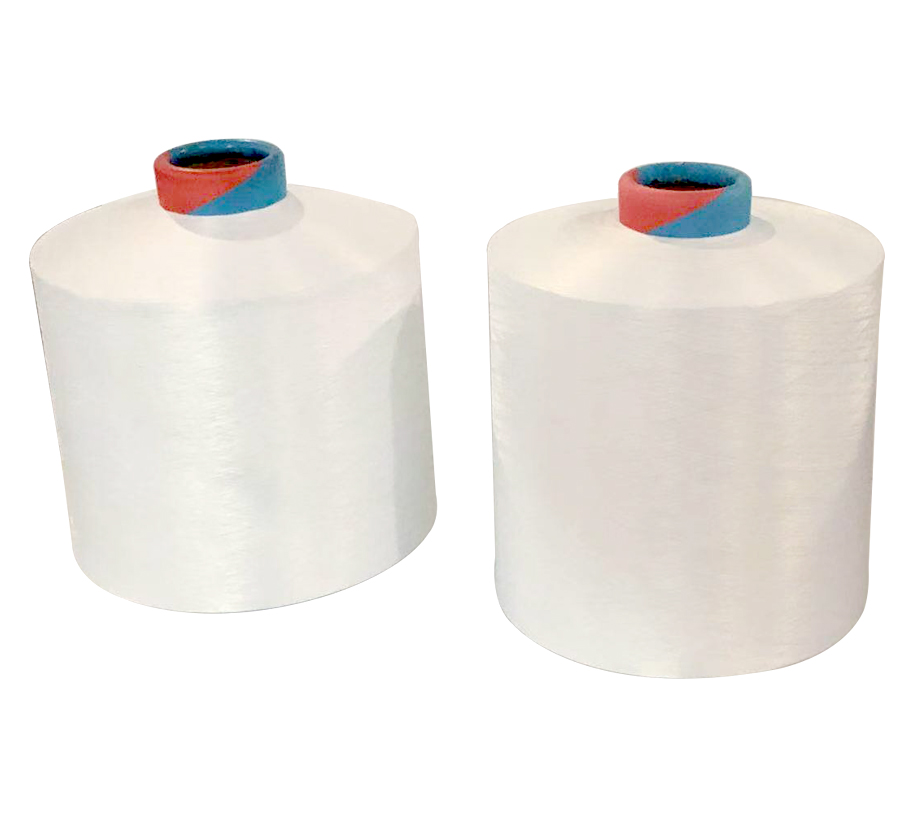 Recycled Polyester DTY Yarn 150D/48F with High IntermingleThis high-intermingle recycled DTY meets bulk and cover needs with AA grade, evenness, and versatility for socks, sportswear, and seamless knitting.View Product →
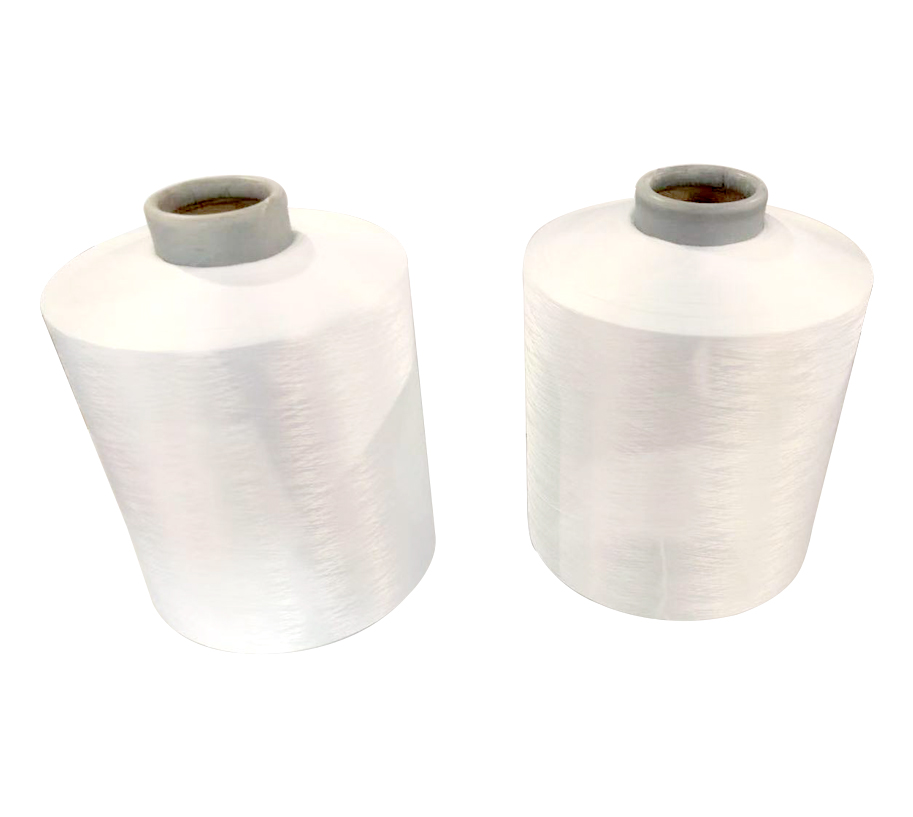 Polyester DTY Yarn 300D/96F with Normal IntermingleA raw-white, OEKO-certified yarn with precise node density control, suited to apparel, bed sheeting, and decorative fabrics where consistency matters.View Product →
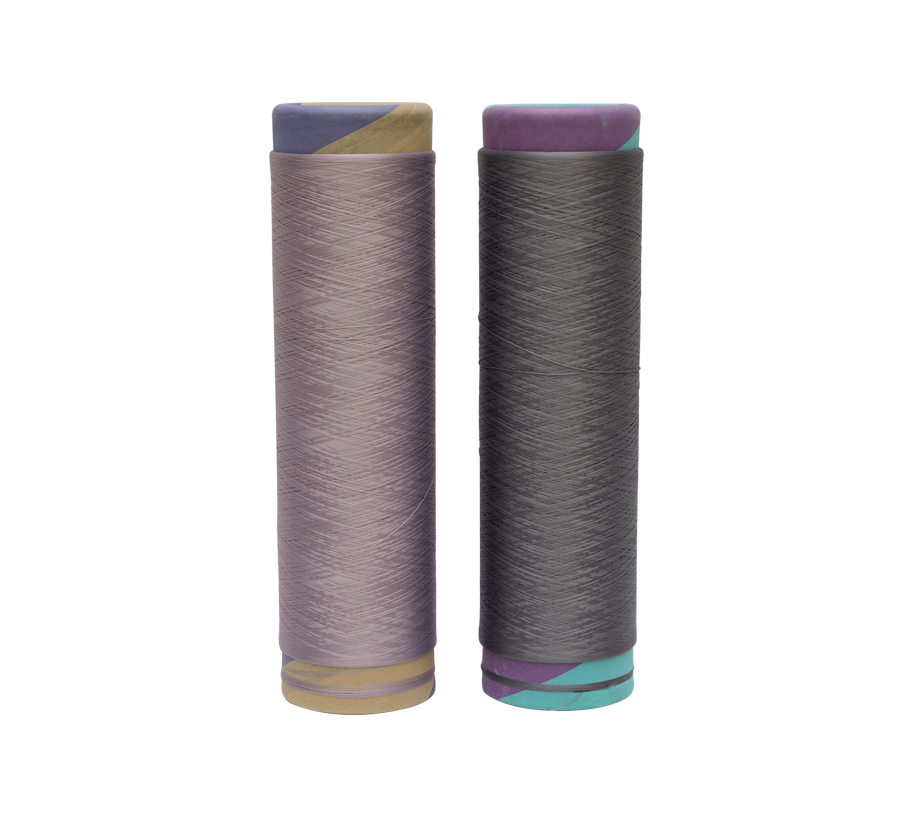 Colored Polyester DTY Yarn 300D/96F with Custom OptionsThis A-grade trilobal bright yarn offers over 1000 colors plus features like anti-pilling and breathability, ideal for knitting and weaving projects.View Product →
When you request a quotation, state the node density explicitly. Suppliers who quote NIM, SIM and HIM ranges are committing to a measured production parameter; suppliers who only say "textured yarn" may not be controlling intermingle at all.
No. Draw texturing is applied after drawing, so the tenacity of the yarn remains in the same tensile range as a fully drawn filament. The apparent softness comes from crimp and bulk, not from reduced polymer strength.
NIM yarn has 0-10 intermingle nodes per metre, SIM has 40-50, and HIM has 100-120. Higher node counts mean tighter bundle cohesion and lower risk of filament splitting, but they also change surface appearance and dye response.
Yes. DTY is commonly piece-dyed. The textured structure improves cover and handle, but the dyeing behaviour still depends on dye carrier, temperature, and fabric construction. The yarn grade should be checked for filament evenness before dyeing.
In normal false-twist DTY production, apparent bulk can reach 100-300% depending on denier and filament count. The practical benefit is higher fabric cover at equal areal weight, not necessarily a heavier fabric.
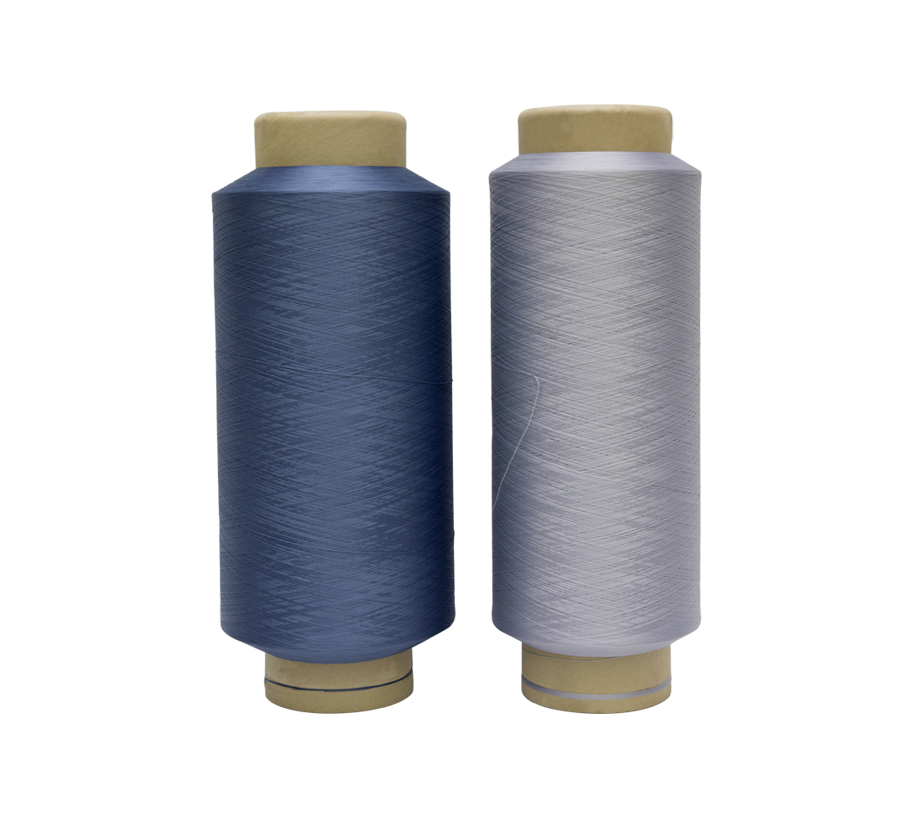
Navy/Grey 150D/36F DTY Yarn 99.99% Polyester Anti-pilling Yarn for Sewing Materi...
See Details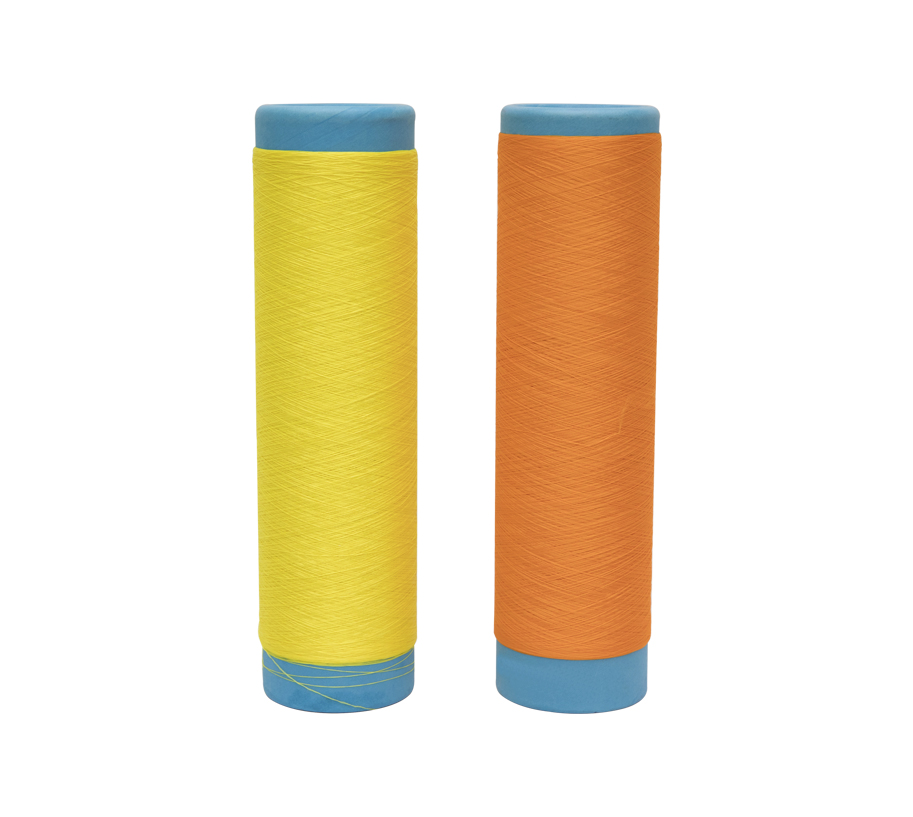
Yellow Orange China 300D/96F Dty Polyester Yarn Eco-friendly Recycle Dty Yarn Fo...
See Details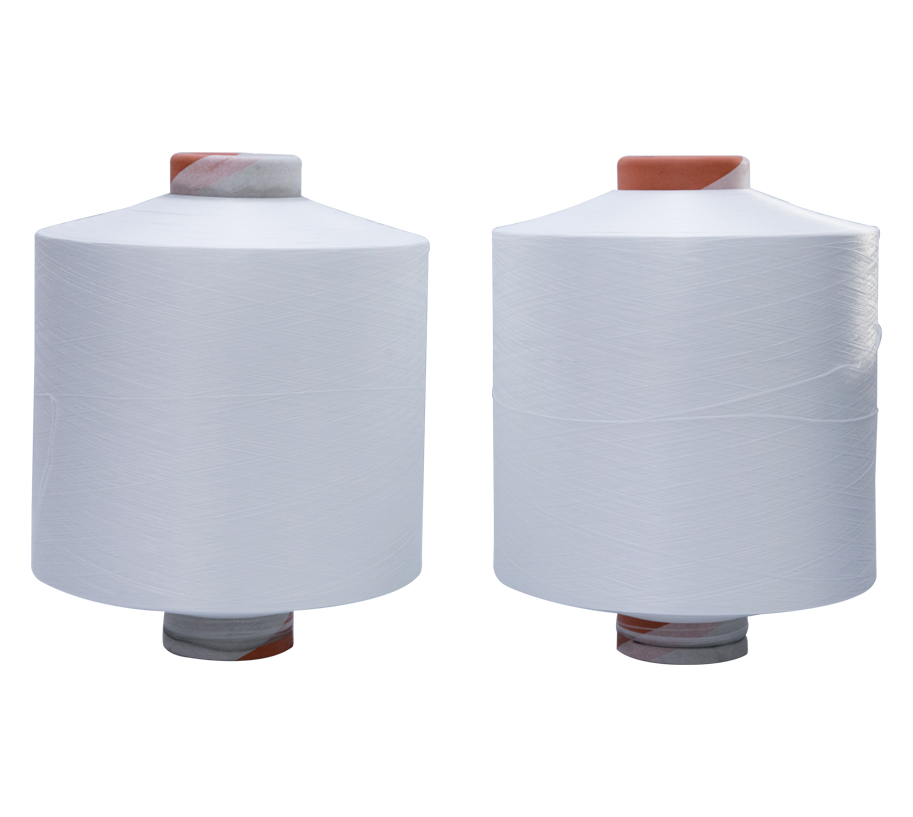
Recycled 150D48F RW HIM Polyester Yarn Type: Polyester Yarn Pattern: Raw Technic...
See Details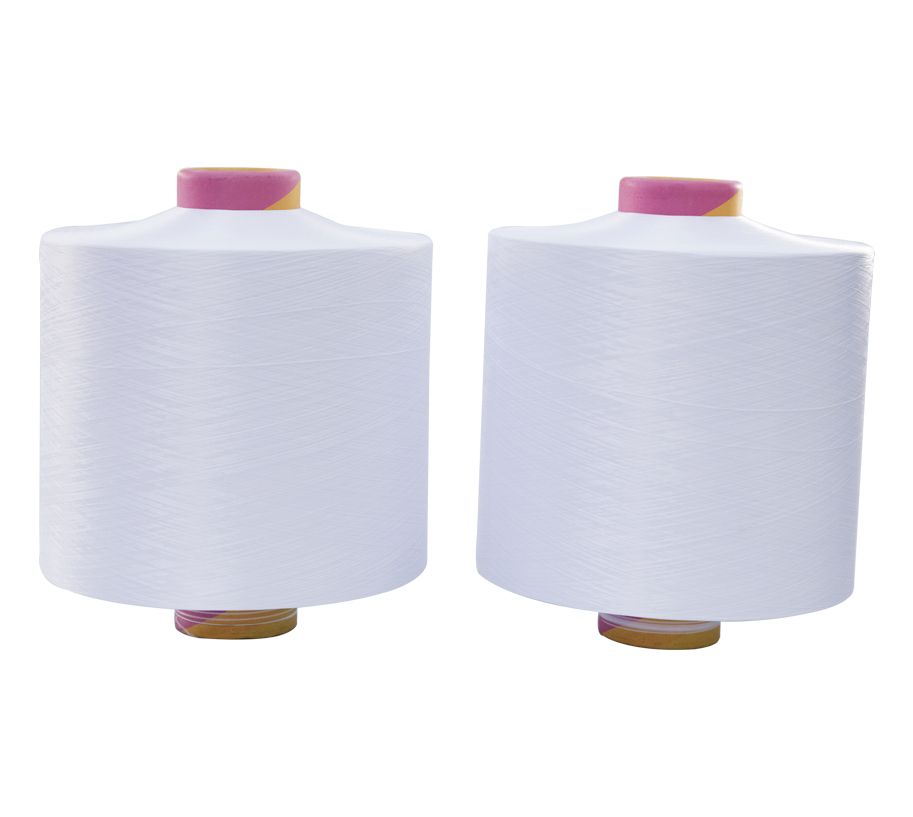
300D/96F OPTICAL WHITE NIM Polyester Yarn Name: 300D/96F OPTICAL WHITE NIM Polye...
See Details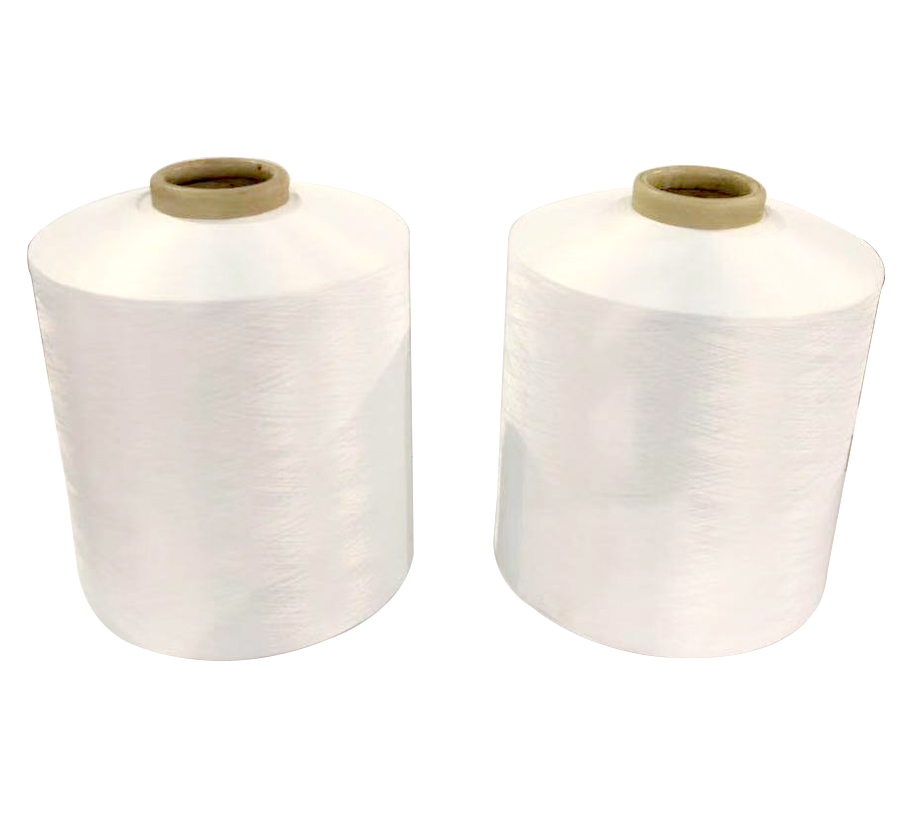
High Tenacity 150D36F RW FLUFFY Polyester Yarn Feature:high elasticity,high tena...
See Details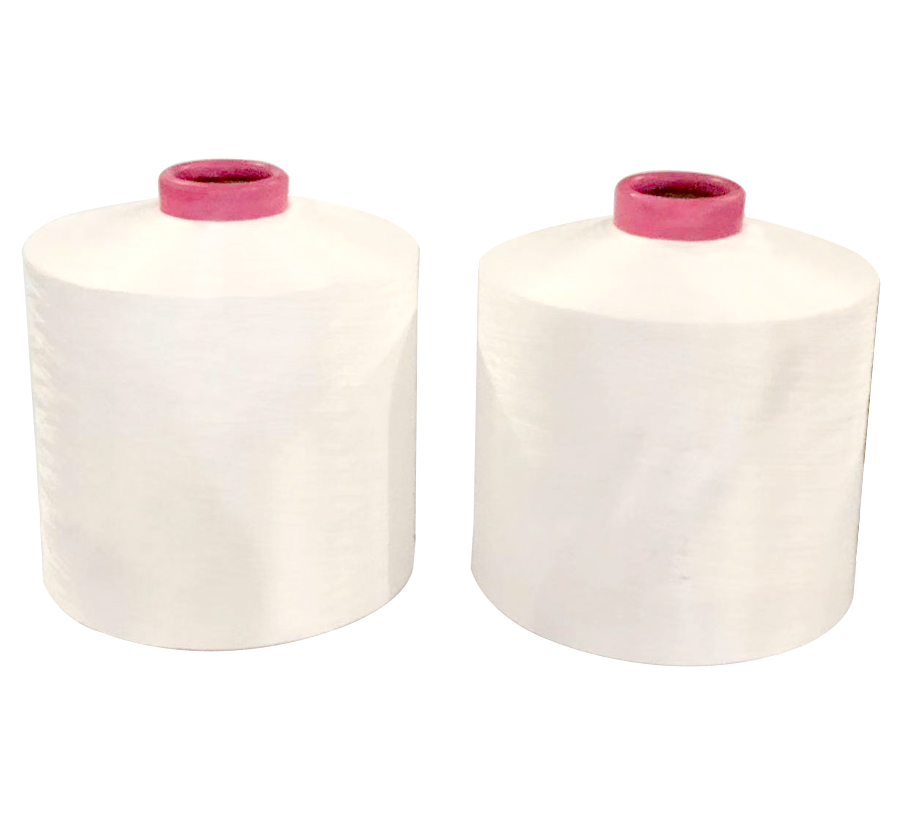
High Tenacity 600D/192F RW S+Z HIM Polyester Yarn Yarn Count: 600D/192F Color: R...
See Details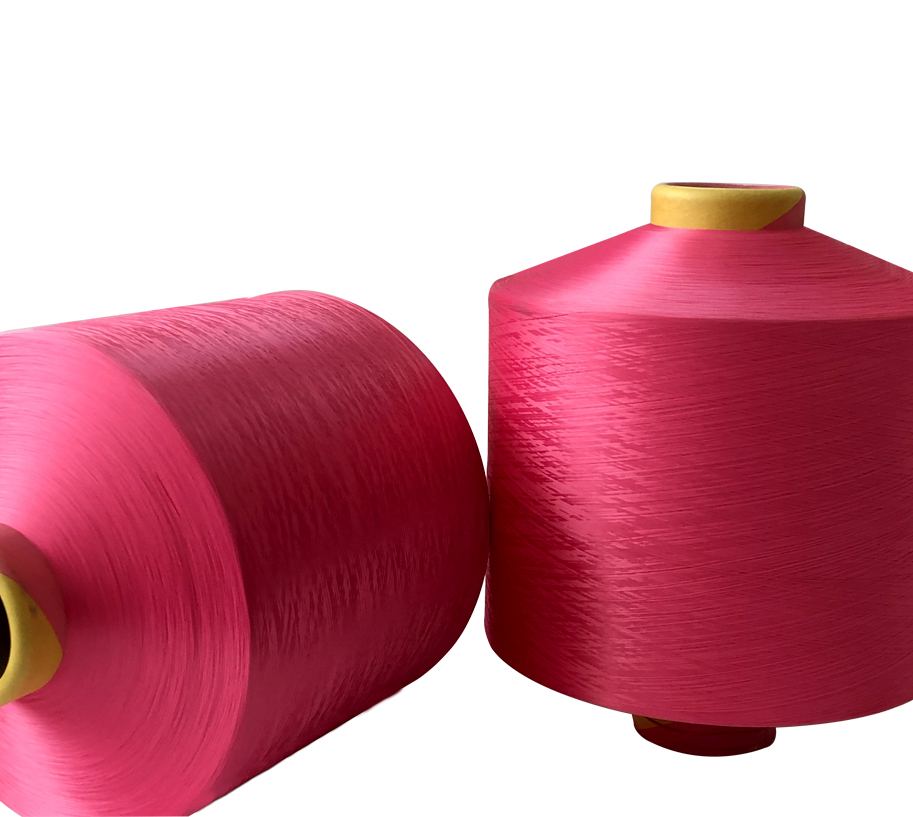
Durable 300D Rose Red 99.99% Polyester Yarn for Weaving & EmbroideryColor: R...
See DetailsCopyright © Hangzhou Dingkai Chemical Fibre Co., Ltd. All Rights Reserved.
Wholesale China Polyester DTY Yarns Factory