 Call:+86-571-82912975
 https://www.dkyarn.com
 English
 中文简体
中文简体


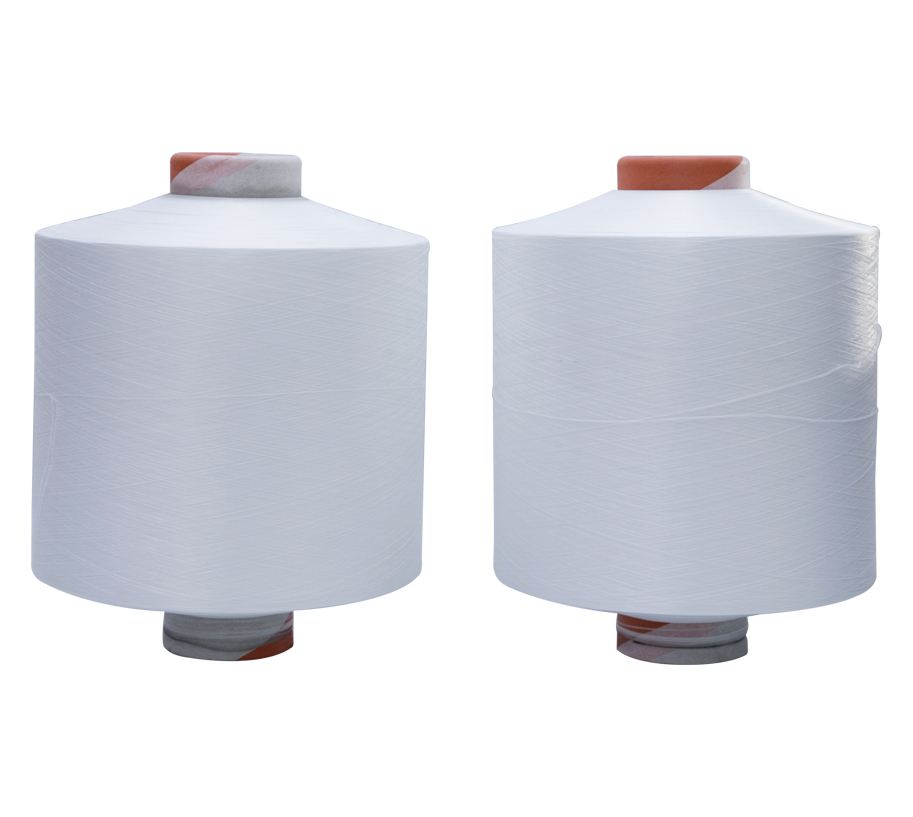
When textile buyers and product developers source polyester yarn for the first time — or when they are sourcing a new product category — the distinction between DTY and FDY is one of the first technical questions they encounter. Both are polyester filament yarns. Both are produced from the same raw ...
read more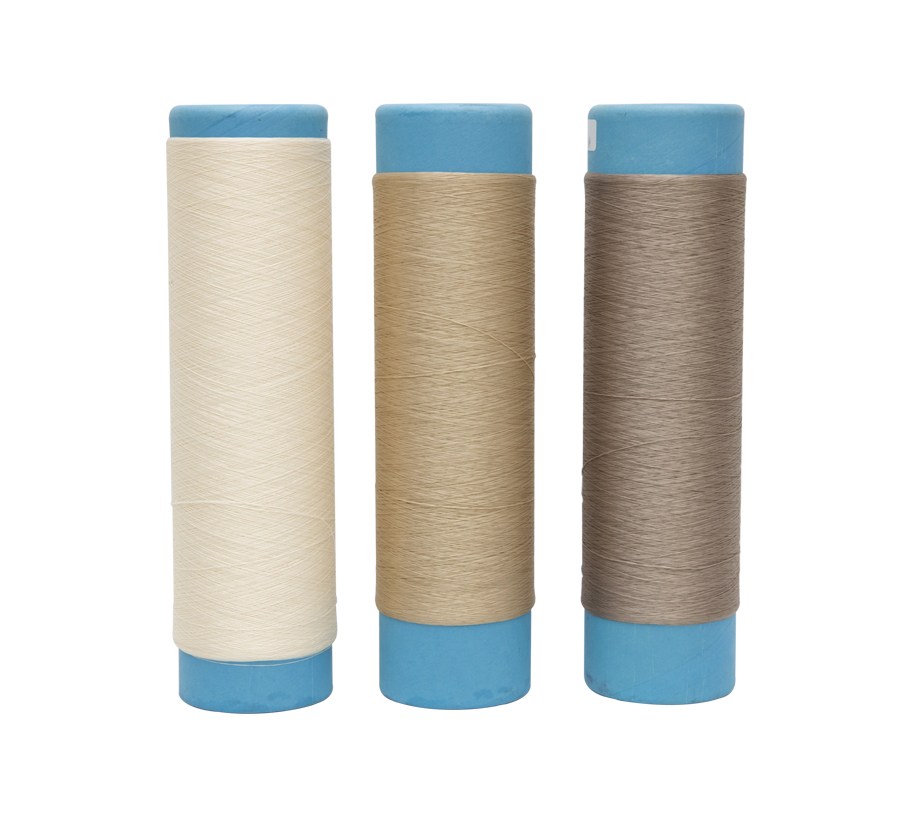
Understanding DTY Product Structure and Performance DTY, or Draw Textured Yarn, is a functional fiber obtained by processing POY (Partially Oriented Yarn) through stretching and texturing. Its fiber structure has a distinctive crimp, providing excellent bulkiness and a soft hand feel. This not only ...
read more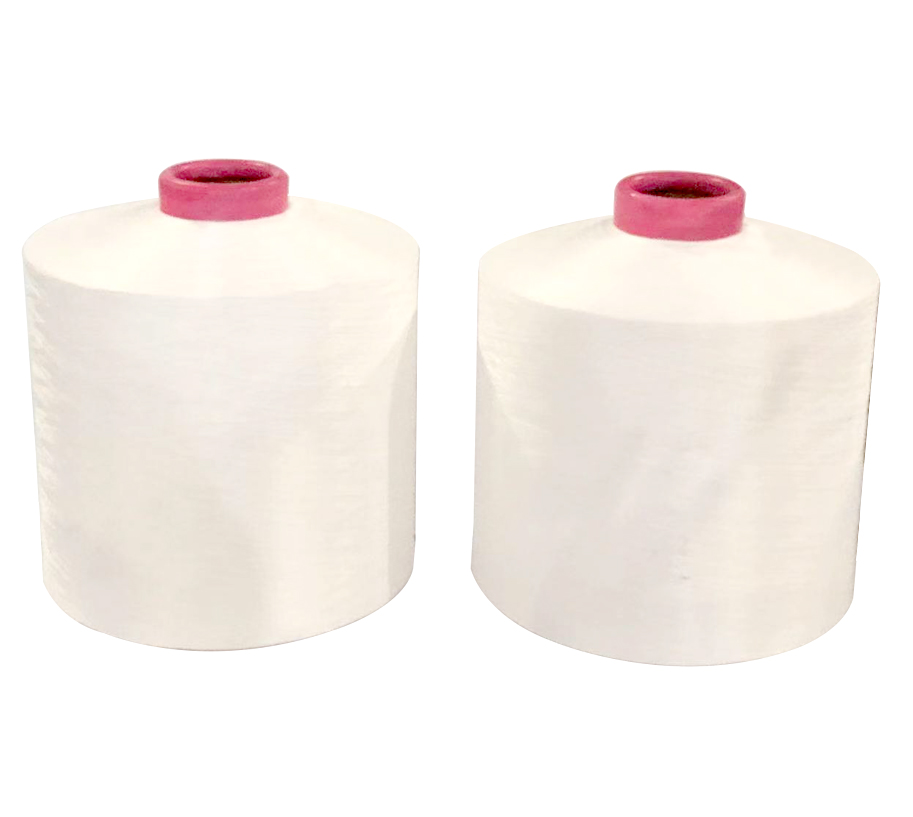
When sourcing polyester DTY yarn, every product is described by a shorthand specification — a sequence like 150D/48F, 300D/96F, or 600D/192F — that appears in product listings, quotation requests, and order confirmations. For buyers who are new to polyester yarn procurement, or for production engine...
read more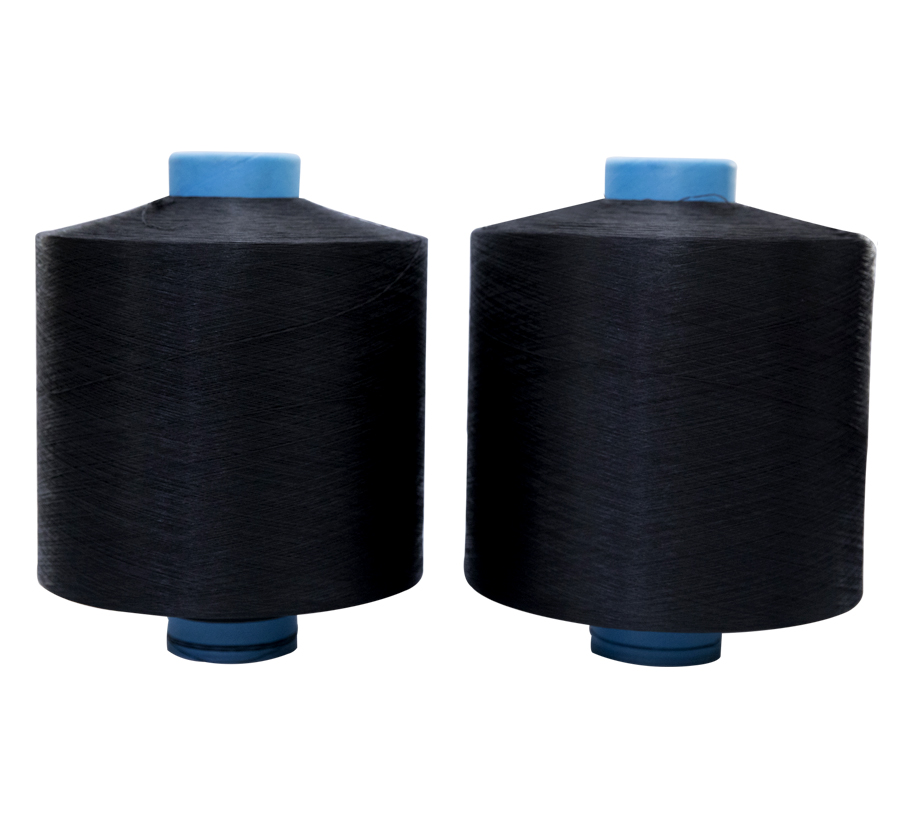
When reviewing polyester DTY yarn specifications, procurement teams and fabric manufacturers regularly encounter three abbreviations that appear alongside the denier and filament count in product listings: NIM, SIM, and HIM. These stand for Non-Intermingled, Semi-Intermingled, and High-Intermingled,...
read more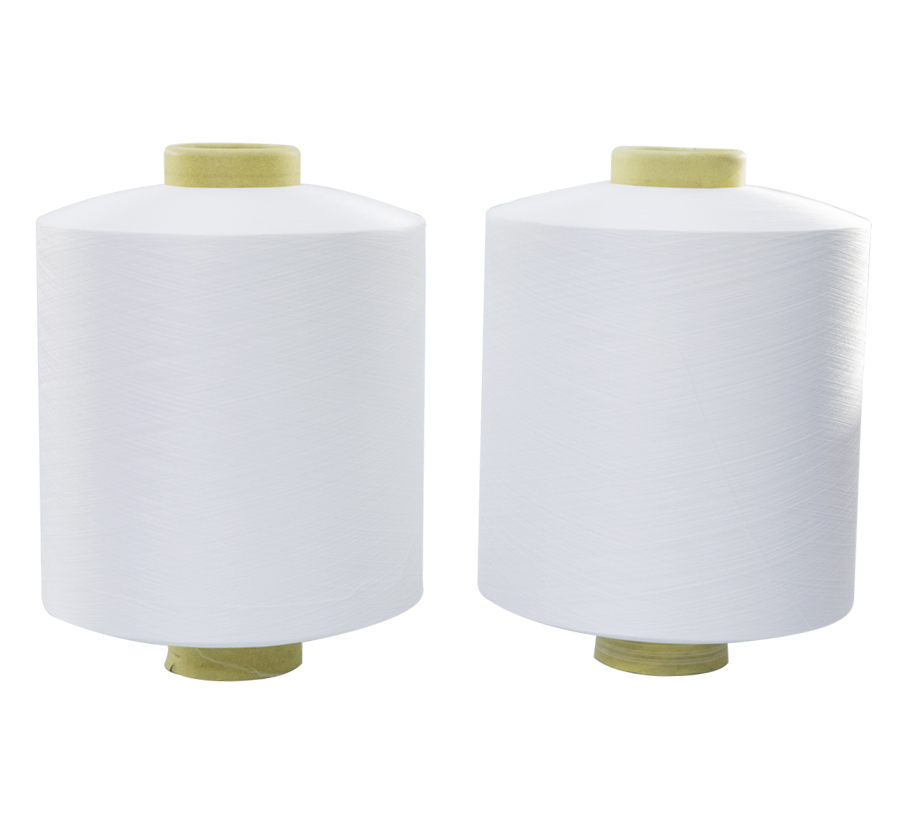
As sustainability becomes increasingly important in today's global marketplace, the role of polyester raw material in the textile industry is gaining attention. The shift toward more eco-friendly practices within textile manufacturing is driving significant changes in material sourcing, production p...
read more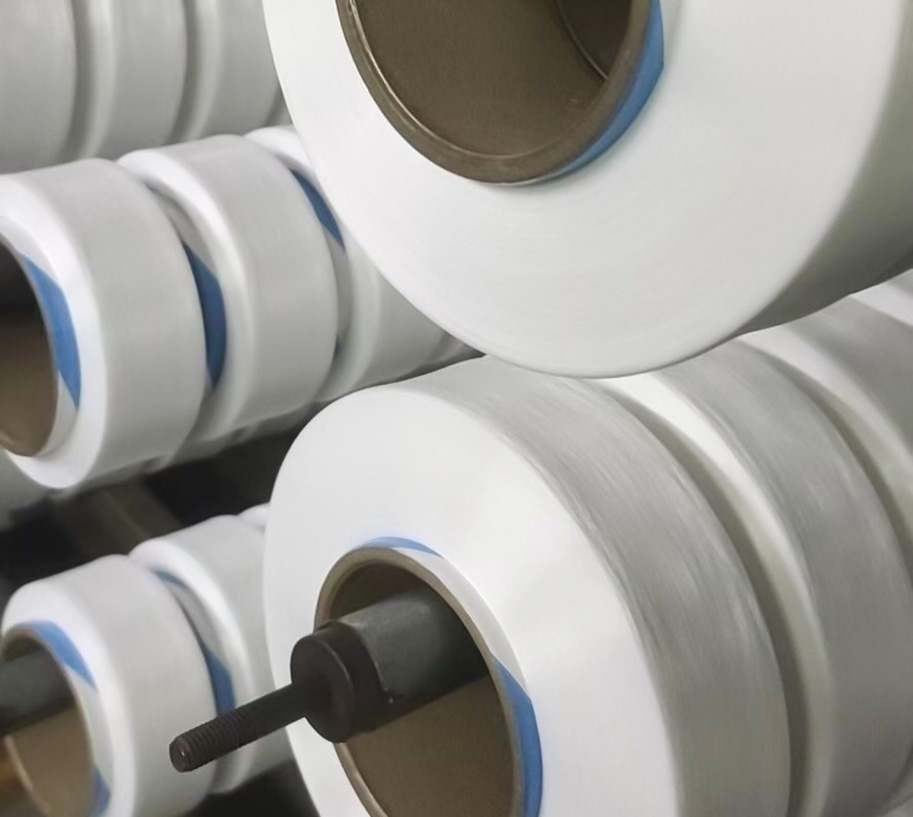
Spandex yarn, known for its superior elasticity and flexibility, has become an essential material in the production of activewear. This article explores the key benefits of using Spandex yarn in activewear, highlighting its impact on comfort, durability, performance, and sustainability. We also delv...
read moreCopyright © Hangzhou Dingkai Chemical Fibre Co., Ltd. All Rights Reserved.
Wholesale China Polyester DTY Yarns Factory
