 Call:+86-571-82912975
 https://www.dkyarn.com
 English
 中文简体
中文简体


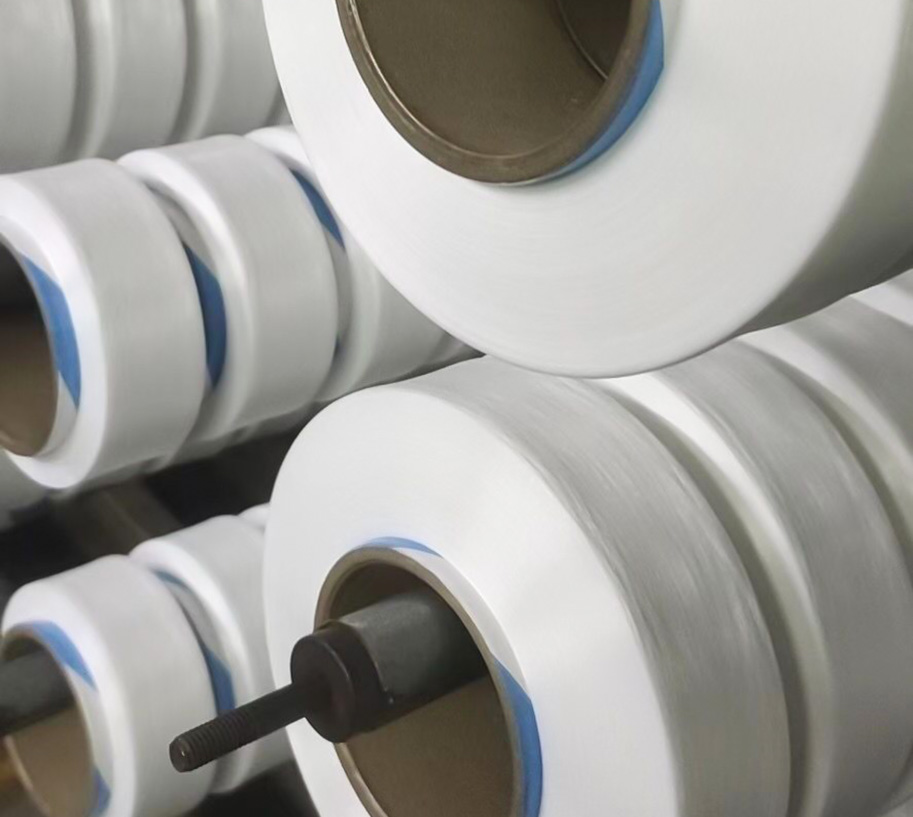
Improving yarn efficiency on a draw-texturing floor is mostly a job of removing breaks, not adding spindles. Clearing one filament break on a 600D/192F polyester DTY line takes five to eight minutes: stop the spindle, doff, re-thread, re-tie, check tension, restart. Repeat that forty times a shift...
read more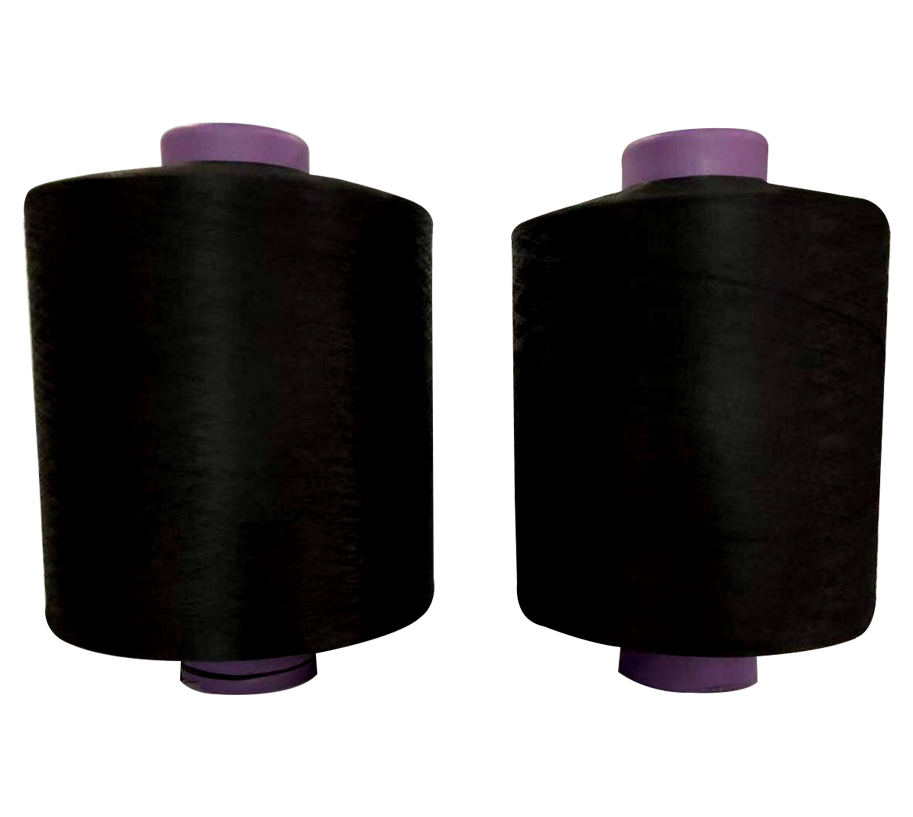
On a 28-gauge circular knitting machine with 96 feeders, a 150D/48F package is consumed in minutes, not hours, and a single filament that whips loose between the creel and the needle leaves a mark in the fabric. That operating reality is the short answer to how DTY yarn supports knitting applicati...
read more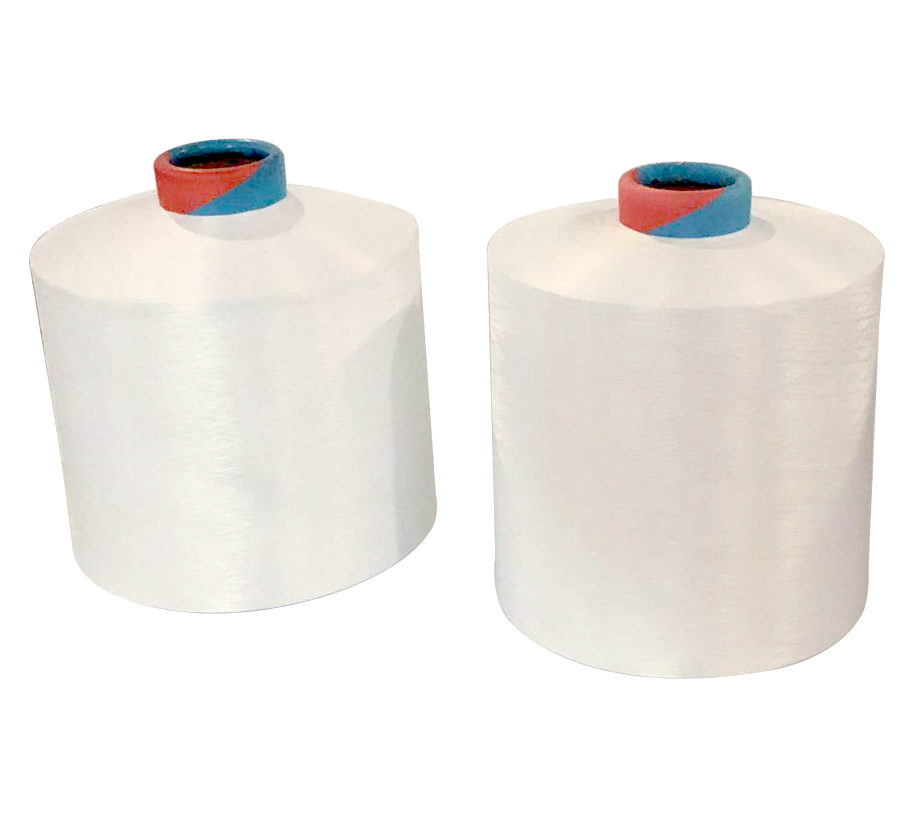
A 150D/48F draw textured yarn and a flat 150D/48F filament yarn can sit on the same purchase order at the same denier, the same filament count and nearly the same price per kilogram. Woven into an identical plain weave, the textured version comes off the loom thicker, softer and with a crimp recov...
read more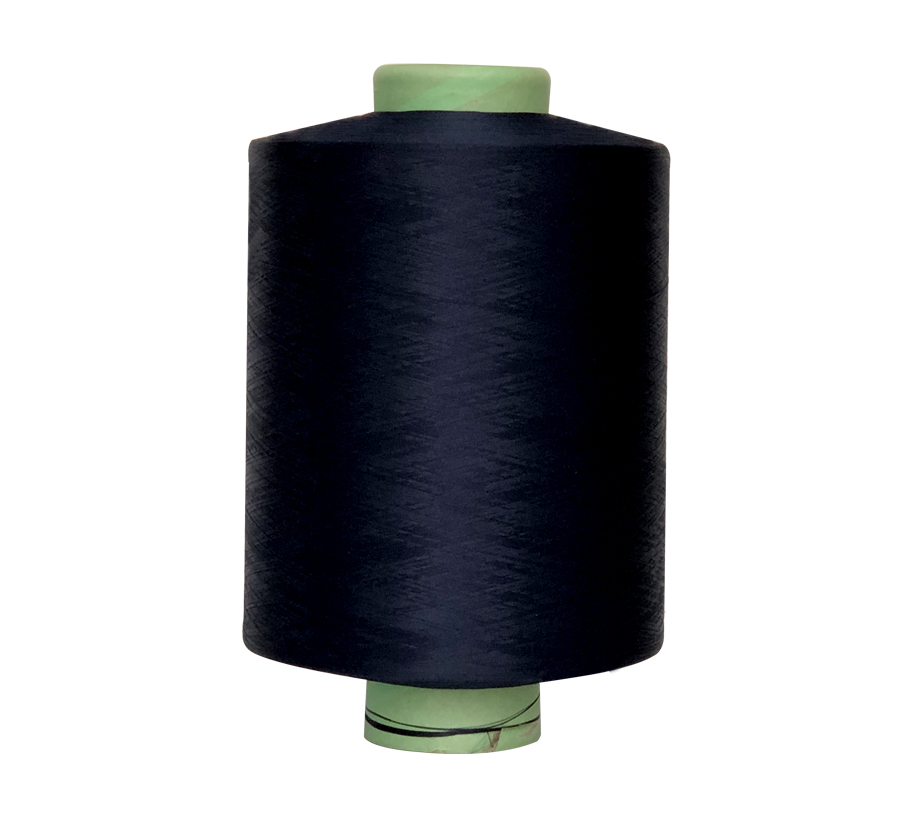
Two swatches, one decision: a 140 gsm cotton poplin that soaks up a spill in seconds but creases the moment you pinch it, and a 65/35 poly-cotton that dries in half the time yet feels less cool against the skin. The gap between them is fiber physics, not marketing. Cotton holds 8.5 percent of its ...
read more
When a buyer emails to ask "is cotton a synthetic fiber," the question usually hides a bigger sourcing decision about which fiber family should carry the next production run. The answer is a firm no, and the distinction has commercial weight. Cotton is a natural fiber: it grows as seed hair on pla...
read more
A single cotton fibre is one plant cell: a hollow, flattened tube that twists as it dries, runs roughly 13 to 50 millimetres long, and can hold 24 to 27 times its own weight in water. Those three facts explain most of the characteristics of cotton fibre that decide how it spins, dyes and wears. Co...
read moreCopyright © Hangzhou Dingkai Chemical Fibre Co., Ltd. All Rights Reserved.
Wholesale China Polyester DTY Yarns Factory
